Energy Is Now Weaponise
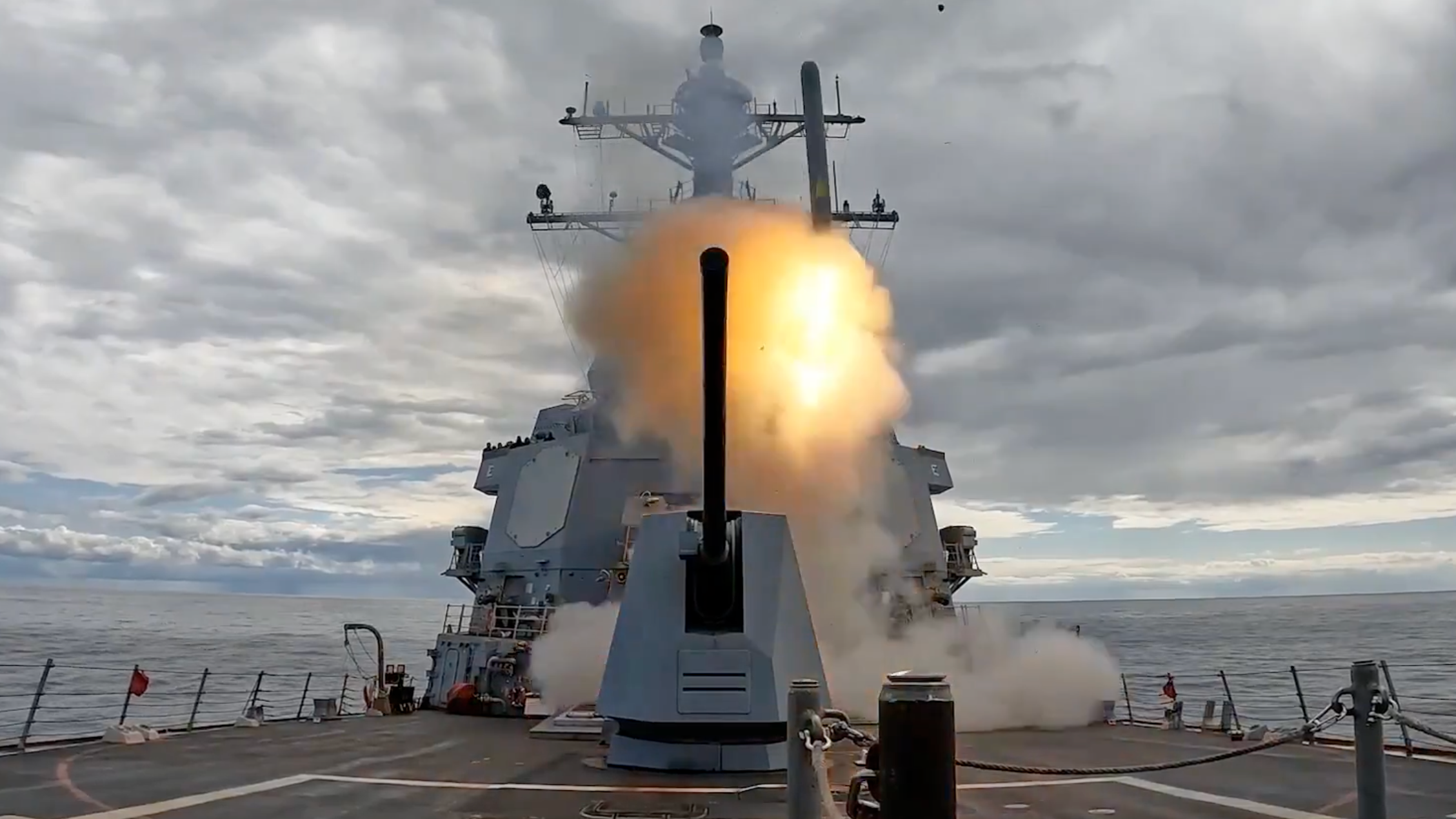
Energy has moved beyond the realm of commerce into the architecture of power, where pricing, routing, and financial structuring operate as instruments of geopolitical influence rather than neutral market functions. Iran’s sustained oil exports to China under Western sanctions, alongside escalating tensions with the United States, reveal a system no longer defined by open conflict but by strategic manoeuvring within markets themselves. Transactions are rerouted, currencies are bypassed, and enforcement mechanisms are quietly tested, creating a form of undeclared confrontation that unfolds without formal escalation. What emerges is not instability, but recalibration—a restructuring of global power that rewards those who can operate within and around constraints. This editorial reframes energy not as a commodity, but as leverage: a system where influence is exercised through flows, finance replaces force, and the battlefield has dissolved into the infrastructure of the global economy.