
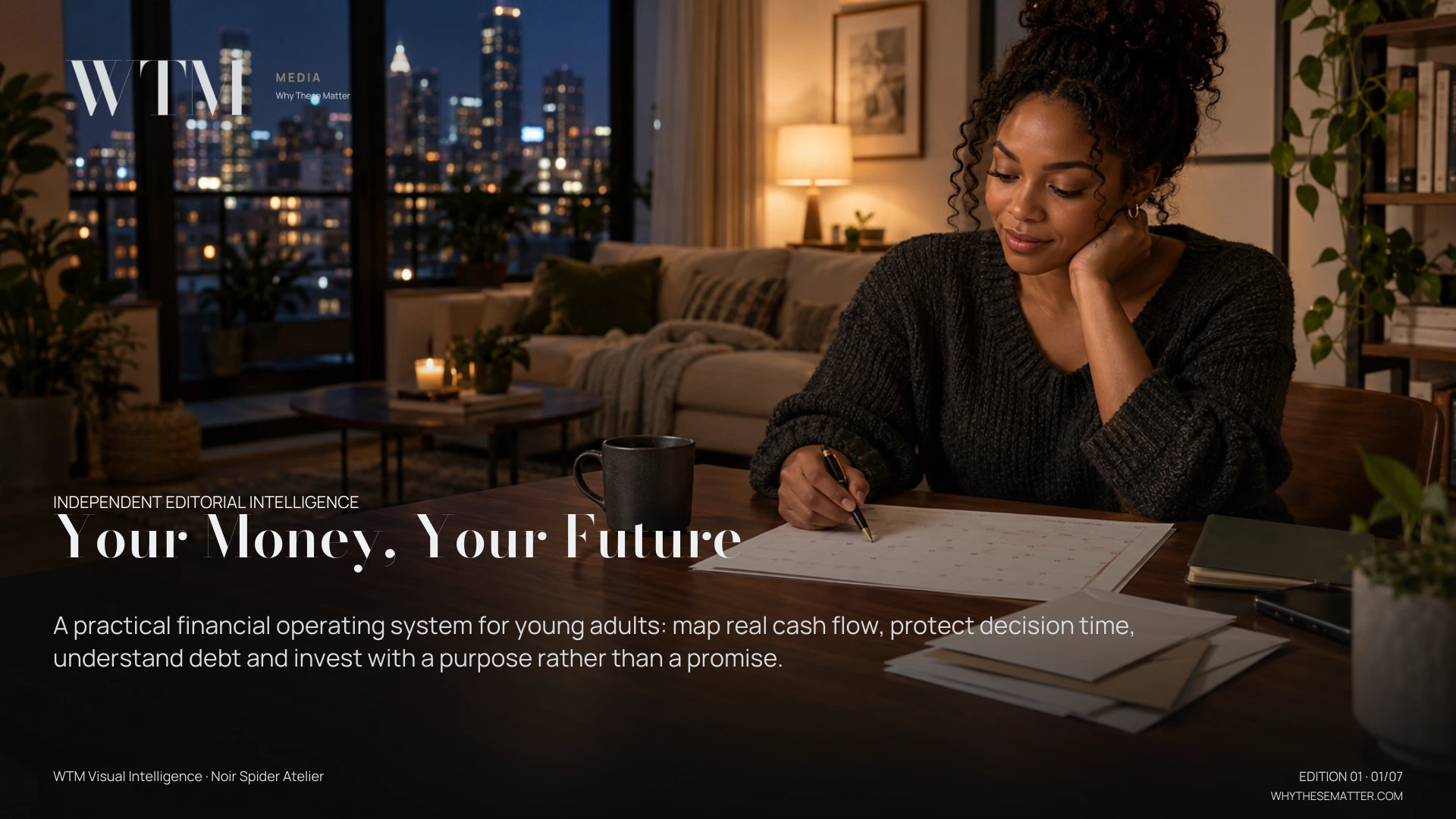





0:05
Watch trailer →The WTM Conversations — Series Preview
Five seconds inside The WTM Conversations. Meet the people and ideas shaping a more thoughtful tomorrow.
Explore the conversationsSupplied WTM conceptual studio motion
Captions

Local time, adjusted for daylight saving.
 New YorkLocal time
 LondonLocal time
 LagosLocal time
 DubaiLocal time
 SingaporeLocal time
 TokyoLocal time
 SydneyLocal time
Selected Nasdaq-listed companies. Quotes update as supplied by the provider and may be delayed. Review the data timing shown in the chart.
Chart unavailable? Open TradingView’s US market monitor →
Clearer thinking. More consequential decisions.
Explore intelligence WTM Visual Intelligence · Noir Spider Atelier
Leadership beyond the soundbite.
Watch The WTM Conversations WTM Visual Intelligence · Noir Spider Atelier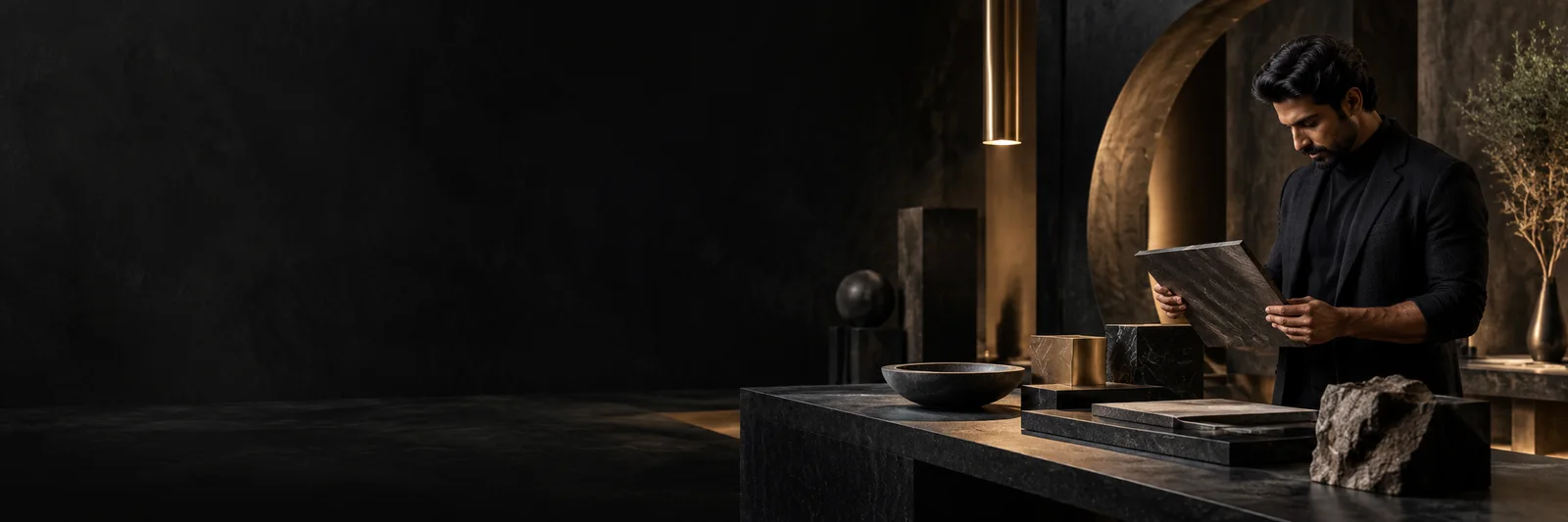
Individual agency. Stewardship. Disciplined enterprise.
Explore WTM Press WTM Visual Intelligence · Noir Spider AtelierConsidered editorial intelligence, every other Saturday at 8:30 AM Eastern. Read the latest edition and subscribe for future issues.
Subscribe todayThe WTM Conversations · Trailers
Short previews. Consequential ideas. Find your next perspective.
0:05
Watch trailer →Five seconds inside The WTM Conversations. Meet the people and ideas shaping a more thoughtful tomorrow.
Explore the conversationsSupplied WTM conceptual studio motion
CaptionsFrom the conversation to the decision
Published conversations, companion editorials and The CEO Corner — connected by the questions that matter.
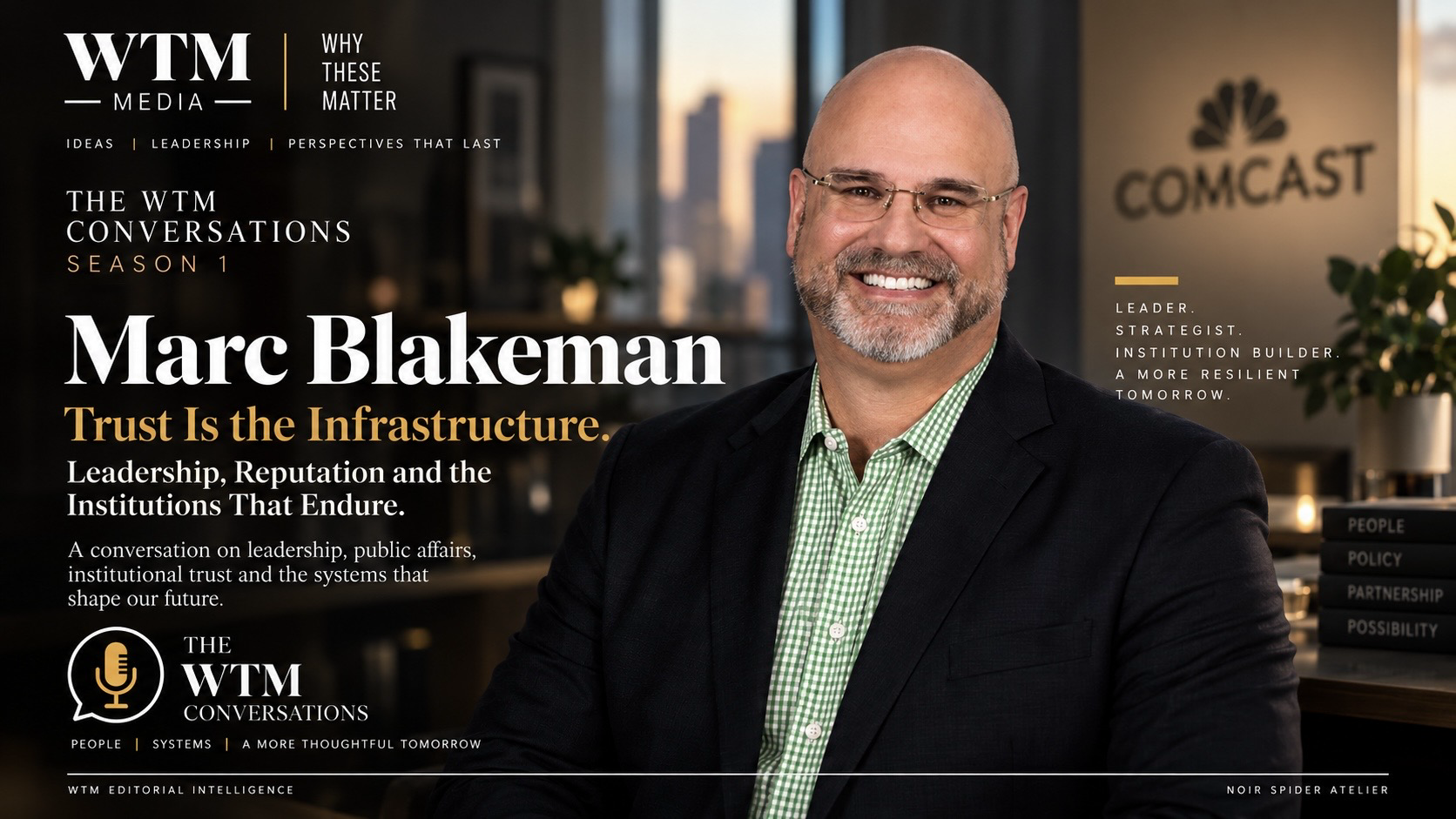
Marc Blakeman and Kelly Dowd examine trust, leadership, reputation and the institutions that endure.
Read the editorial →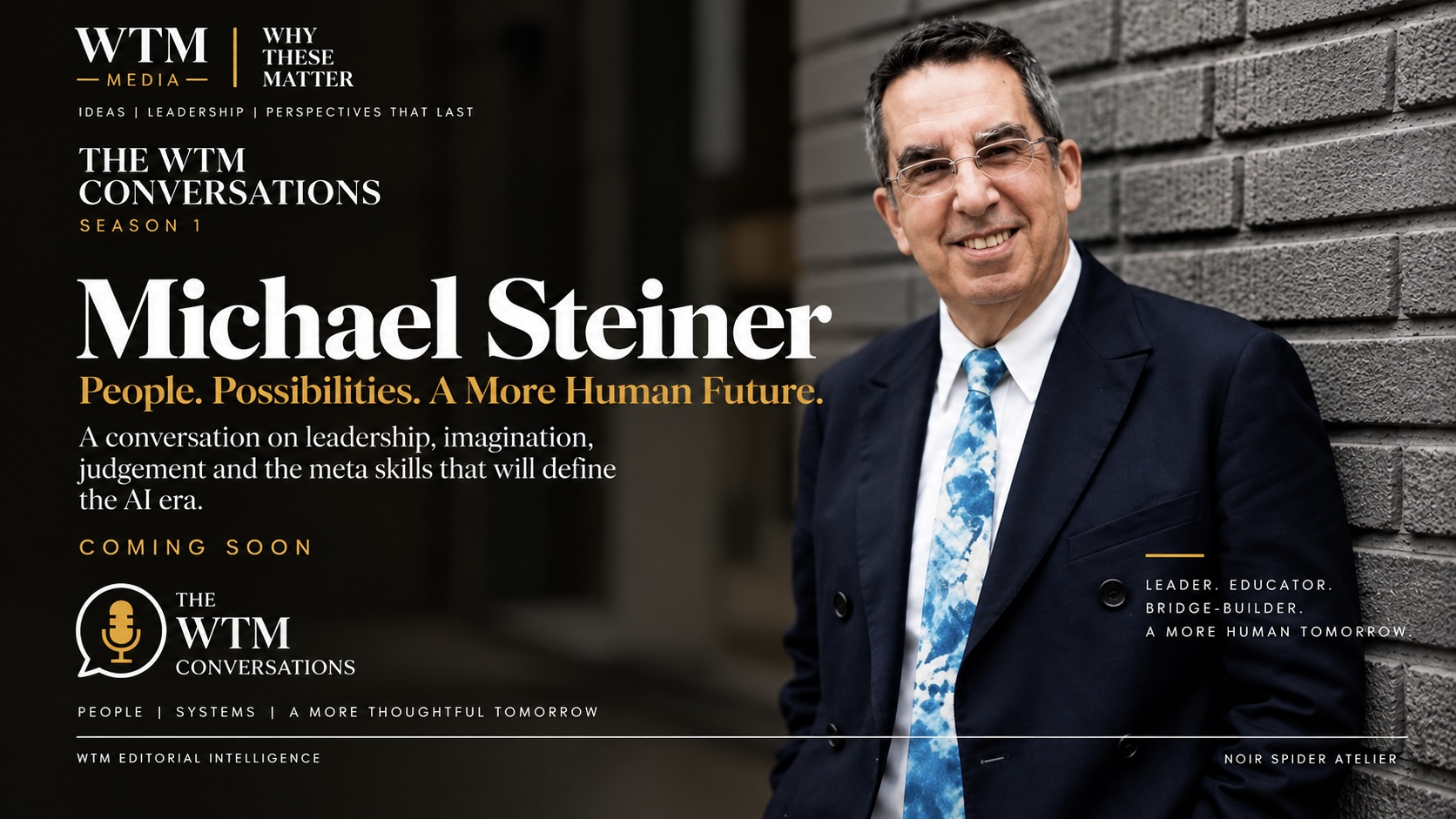
Watch Michael Steiner with Kelly Dowd on imagination, flexible focus, judgement, adaptability and orchestration as essential human meta-skills before AI
Watch the interview →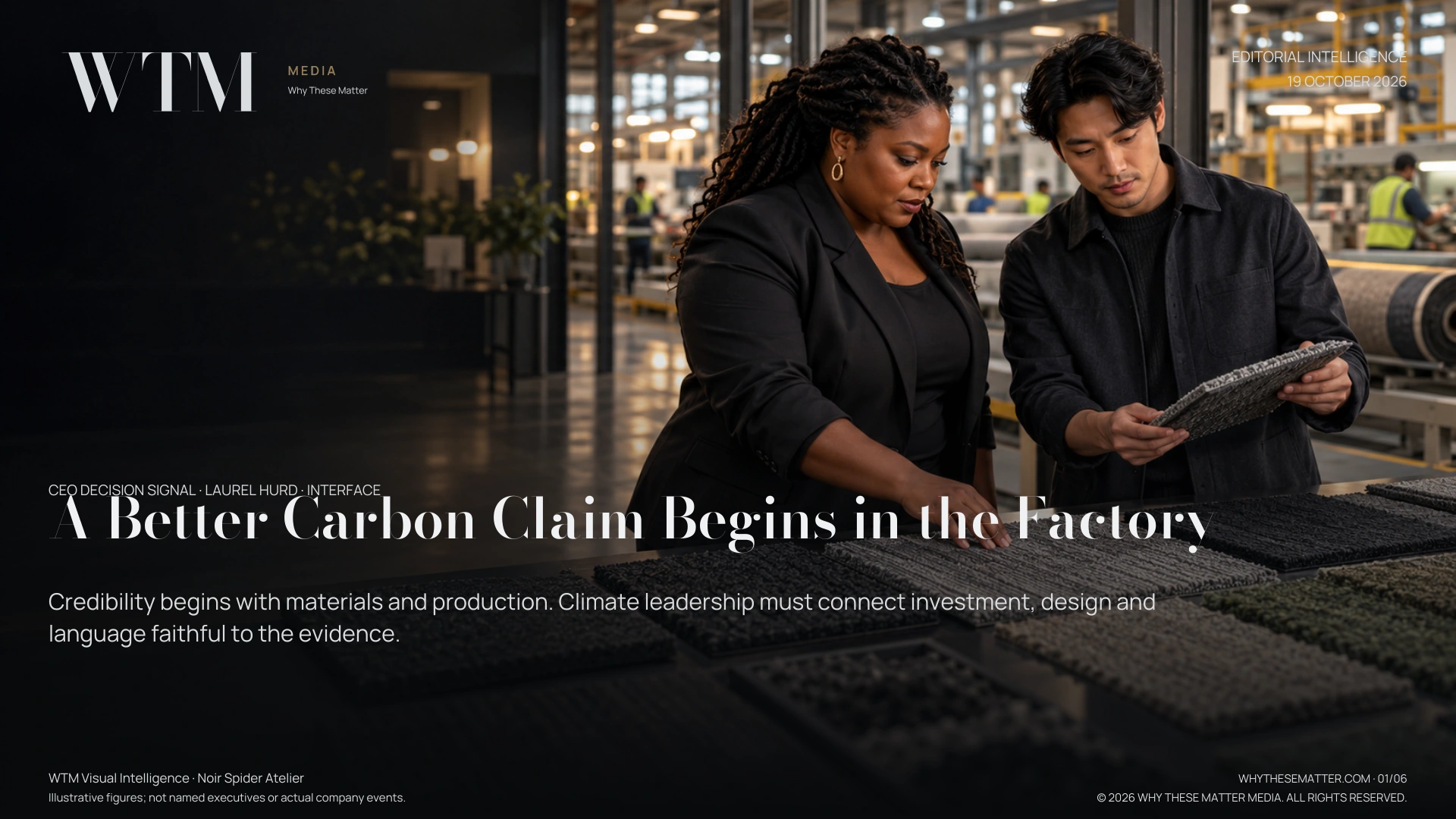
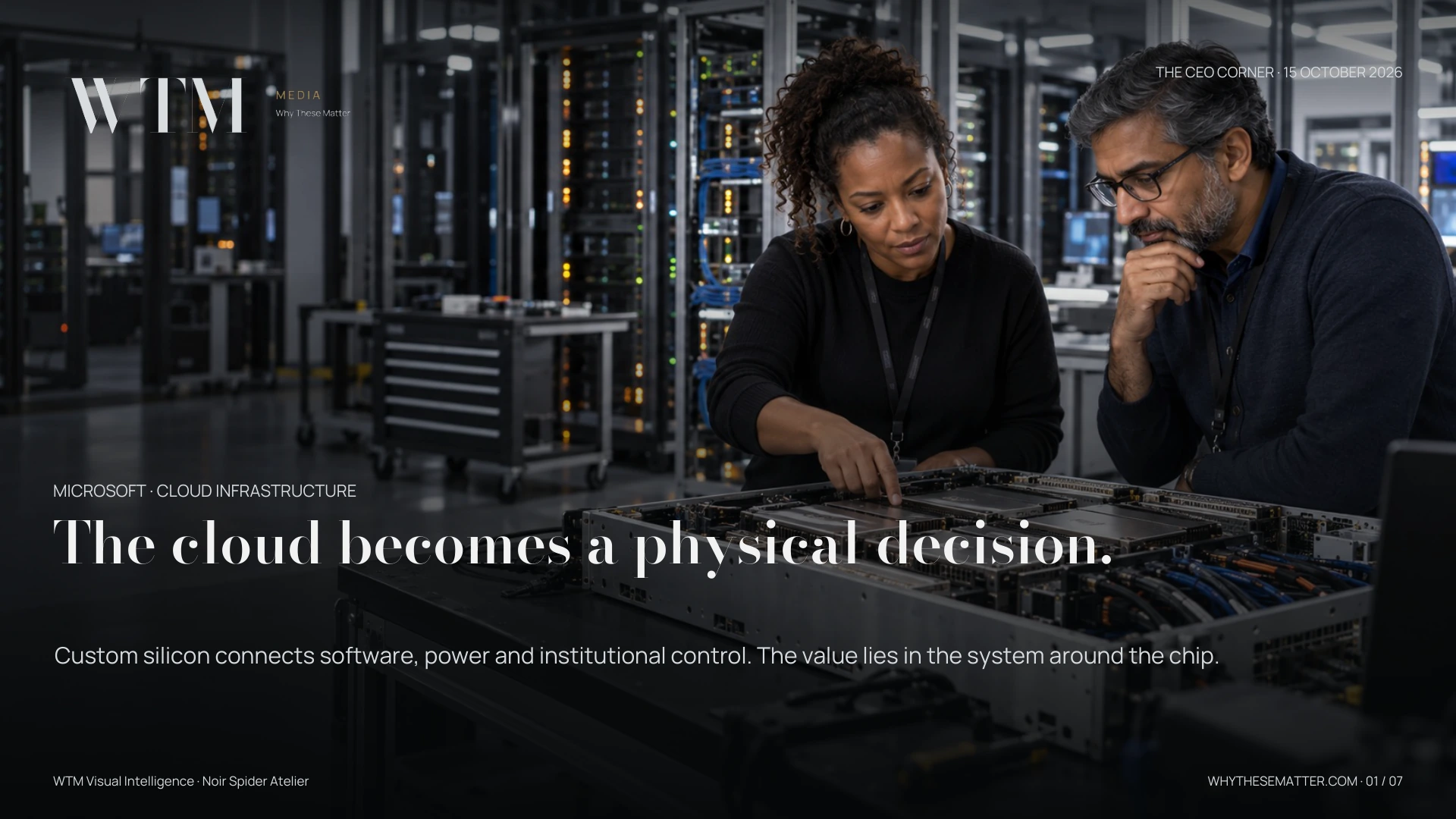
Interface’s shift towards direct reductions and material innovation shows why climate leadership must connect capital allocation, product design and precise claims.
Read the Corner →Follow the question
Move from understanding what is happening to seeing the system, hearing another voice and deciding what to do with what you have learnt.
See the forces
A wider view of evidence, choices and the institutions shaping tomorrow.
Weigh the choices →Make the system visible
Maps, frameworks and visual resources that make complex ideas easier to examine.
Explore the visual intelligence →
Listen beyond the familiar
Identity, expression and perspectives that widen how we understand one another.
Explore Cultural Voices →Read with purpose
Books, editorial assessments and ideas that exercise strategic imagination.
Explore the reading collections →Cover artwork · The Power of HANDS, Kelly Dowd.

Put intelligence to work
Preview the decision worksheet and explore member resources for your own working questions.
Explore WTM+ →
Keep the consequential
A concise edition of published intelligence, useful perspectives and a thoughtful question.
Read the newsletter archive →Turn a difficult organisational question into evidence, perspective and a practical next step. Explore a Kelly Dowd Decision Workshop or a WTM Commissioned Intelligence Brief. Contact us to shape the scope and discuss pricing.

One preparation call, one remote 90-minute workshop and a concise action summary.
Explore the decision workshop →
A defined brief, visual summary, source record and remote presentation.
Explore a commissioned brief →
WTM+ gives an individual reader access to existing decision resources and member archives.
Explore WTM+ membership →Scope and availability confirmed before invoicing. Commissioned services are separate from independent journalism. No purchase guarantees coverage or financial results.

Bring editorial judgement, growth expertise, production craft or a regional perspective to an independent media institution.
Bring your expertise to a clearly scoped contribution, with responsibilities, availability and credit agreed together.
Explore WTM CareersVolunteer expressions of interest. Contributions and educational proposals are reviewed individually.

Why These Matter - WTM MEDIA is an independent editorial platform exploring the forces shaping our world—through people, culture, commerce, design, systems, and governance. Connecting the dots between today’s headlines and tomorrow’s realities.