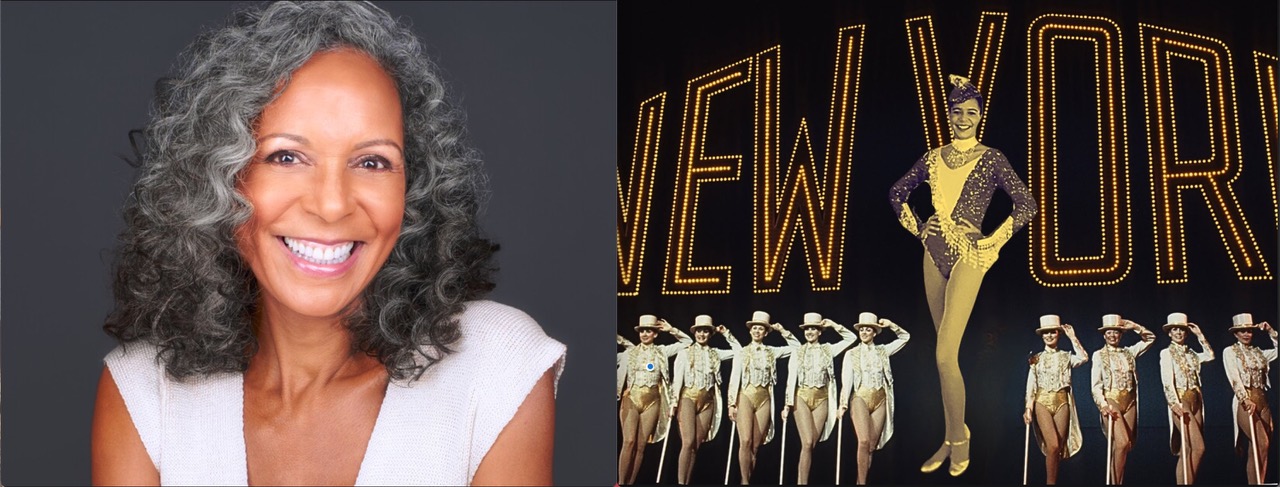
A defining American story of breakthrough, survival, and representation arrives at the precise moment it is most needed. Her debut as the first African American Rockette, notably on a national stage during the Super Bowl XXII Halftime Show, did more than diversify a chorus line—it disrupted a system. It forced one of the most visible cultural institutions in America to reconcile its aesthetic ideals with its social realities. Jones did not simply join the Rockettes. She altered the architecture of who was allowed to belong.
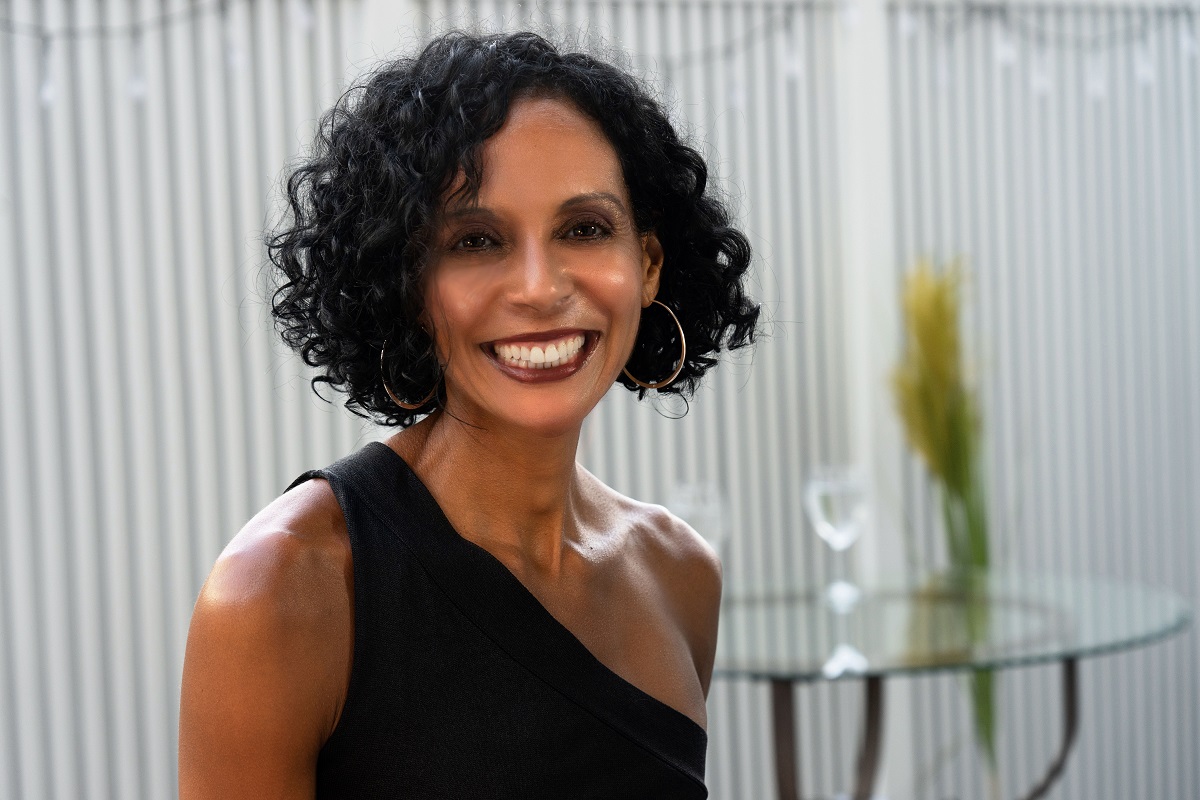
LOS ANGELES, CA — In a cultural era still negotiating the meaning of representation, legacy, and institutional accountability, Jennifer Jones—the first African American Radio City Music Hall Rockette—steps forward with renewed clarity, purpose, and voice.
Timed with Women’s History Month and Colorectal Cancer Awareness Month, Jones’ re-emergence is not merely commemorative—it is corrective. It repositions a historic milestone not as nostalgia, but as unfinished work within America’s cultural and institutional frameworks.
The Rockettes, an American institution since the 1920s, built their brand on precision, uniformity, and tradition. Yet beneath that choreography lay a silent exclusion—until Jennifer Jones entered the line.
Her debut as the first African American Rockette, notably on a national stage during the Super Bowl XXII Halftime Show, did more than diversify a chorus line—it disrupted a system. It forced one of the most visible cultural institutions in America to reconcile its aesthetic ideals with its social realities.
Jones did not simply join the Rockettes. She altered the architecture of who was allowed to belong.
From Performance to Power: A Life Beyond the Spotlight. Jones’ career extends far beyond that singular moment of visibility. From Broadway stages—including the Tony Award-winning revival of 42nd Street—to national campaigns with global brands, her work reflects both artistic excellence and strategic endurance.
Yet her most powerful transformation may be personal. As a colorectal cancer survivor, Jones has converted private struggle into public advocacy—raising awareness around early detection, particularly within communities disproportionately affected by late diagnoses. Her voice now operates at the intersection of art, health, and systemic inequity—a rare and necessary convergence.
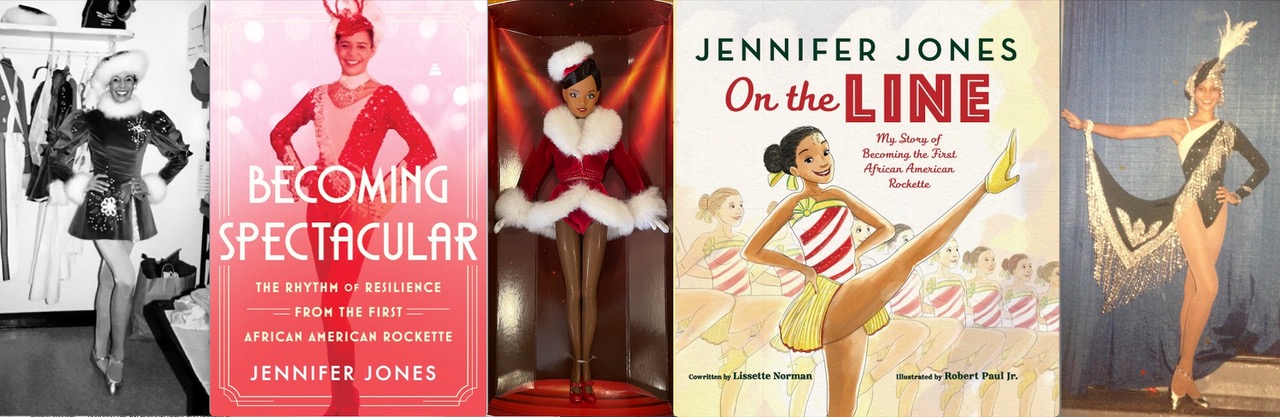
Jones understands something many institutions do not: representation must be engineered, not assumed. Through her HarperCollins memoir, Becoming Spectacular: The Rhythm of Resilience, and her children’s book, On The Line, she documents not just her journey, but the conditions that made it improbable.
Her creation of the “Dancing Jenn Doll” extends this logic further—embedding representation into the earliest stages of identity formation, where aspiration begins.
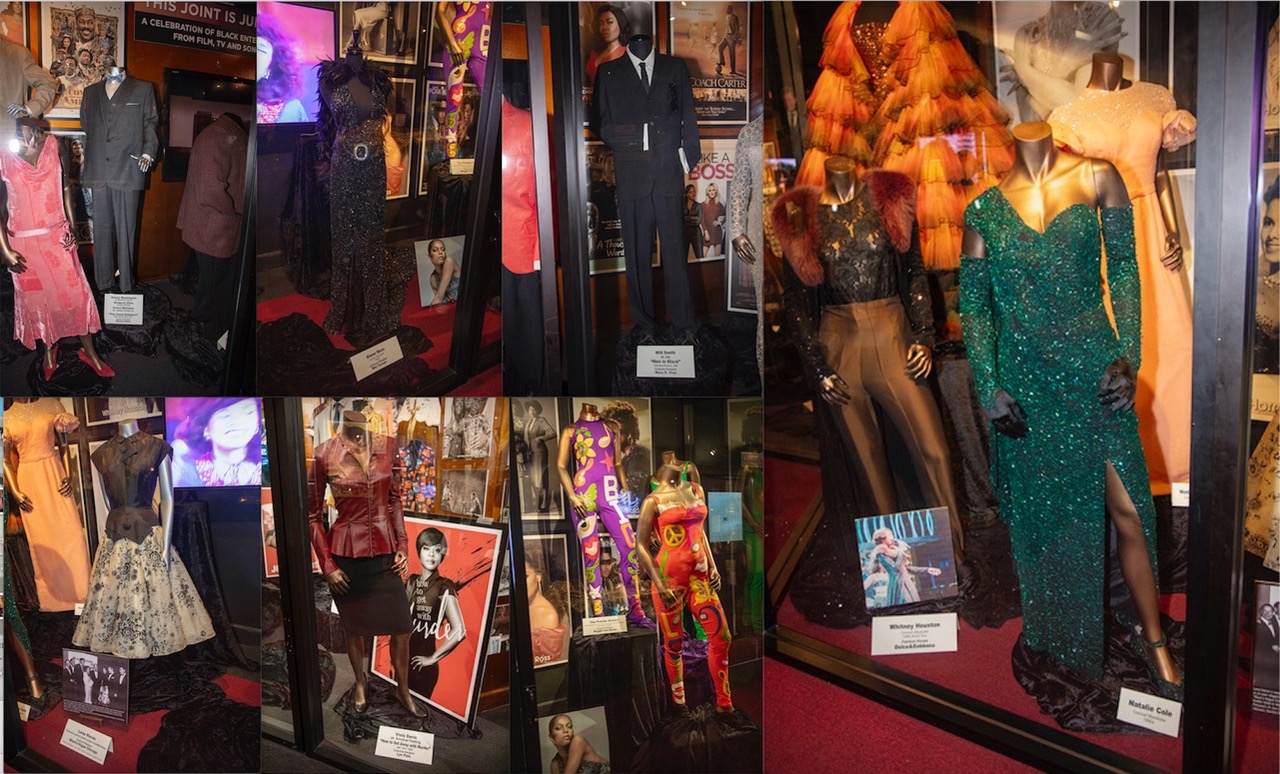
Simultaneously, her inclusion in the Hollywood Museum’s “This Joint Is Jumping” exhibit places her within a continuum of Black cultural excellence—alongside figures such as Whitney Houston, Denzel Washington, and Viola Davis—cementing her role not as an exception, but as part of a lineage. This is not legacy as memory. This is legacy as infrastructure.
A Cultural Moment Requiring Precision, Not Performance. Jennifer Jones’ story arrives at a moment when institutions are once again under scrutiny—not for what they celebrate, but for what they exclude.
Her journey exposes a simple truth: access is not granted by talent alone, but by systems willing to evolve. What she represents now is far more dangerous—and far more powerful—than a first. She represents precedent.
Jennifer Jones is available for interviews, speaking engagements, and editorial features across the following themes:
Jennifer Jones is an award-winning performer, author, and cultural advocate whose historic role as the first African American Rockette redefined one of America’s most iconic institutions. Her career spans Broadway, television, and global media, and her work continues to influence conversations around equity, representation, and resilience.
Media Contact

BHBPR
Harlan Boll
+1 323-708-4172
www.bhbpr.com

Why These Matter - WTM MEDIA is an independent editorial platform exploring the forces shaping our world—through people, culture, commerce, design, systems, and governance. Connecting the dots between today’s headlines and tomorrow’s realities.