
Bestselling Author Nelson Aspen Completes his Acclaimed “Dancing Between The Raindrops” Trilogy with Final Installment, Happily Ever After? A star-studded, semi-autobiographical saga spanning Hollywood, Broadway, and the enduring search for reinvention and love.

LOS ANGELES, CA — International broadcaster, journalist, and bestselling author Nelson Aspen announces the release of Dancing Between the Raindrops: Happily Ever After?, the long-anticipated final chapter in his celebrated trilogy. With its signature blend of wit, candour, and insider perspective, the book completes a three-part narrative inspired by Aspen’s own extraordinary journey through the worlds of television, celebrity culture, and global entertainment.
Following the success of The Hollywood Years and earlier instalments in the series, Happily Ever After? brings Aspen’s fictionalised alter ego to a decisive moment—navigating professional upheaval, personal reinvention, and the elusive pursuit of lasting fulfilment against the backdrop of an ever-evolving showbusiness landscape.

Over the course of a distinguished three-decade career, Aspen has reported from the front lines of global entertainment, covering major industry events including the Academy Awards and Golden Globes, while cultivating personal relationships with some of the world’s most recognisable figures.
His experiences—ranging from high-profile celebrity interviews to intimate, behind-the-scenes moments—inform the rich tapestry of Dancing Between the Raindrops. The trilogy offers readers a rare perspective on the intersections of fame, media, and identity, grounded in both lived experience and narrative craft.
A Story of Reinvention, Resilience, and Romance
In Happily Ever After?, Aspen deepens the emotional and thematic scope of the series, exploring questions of purpose, reinvention, and connection in a modern world shaped by ambition and uncertainty. Set across iconic cultural centres—from Tinseltown to Broadway and beyond—the novel captures both the glamour and the underlying complexity of a life lived in the public eye.
The result is a work that balances entertainment with reflection, offering readers an engaging narrative alongside a thoughtful meditation on the nature of success and personal fulfilment.

The release of the trilogy’s final volume coincides with a period of notable creative expansion for Aspen. In addition to his literary work, he is developing a screen adaptation of his novel Kindred Spirits: A Titanic Tale, and is actively involved in stage and screen productions, further extending his storytelling across multiple platforms.
Aspen also continues to engage audiences internationally through media appearances and live events, maintaining a dynamic presence within both entertainment and cultural discourse.
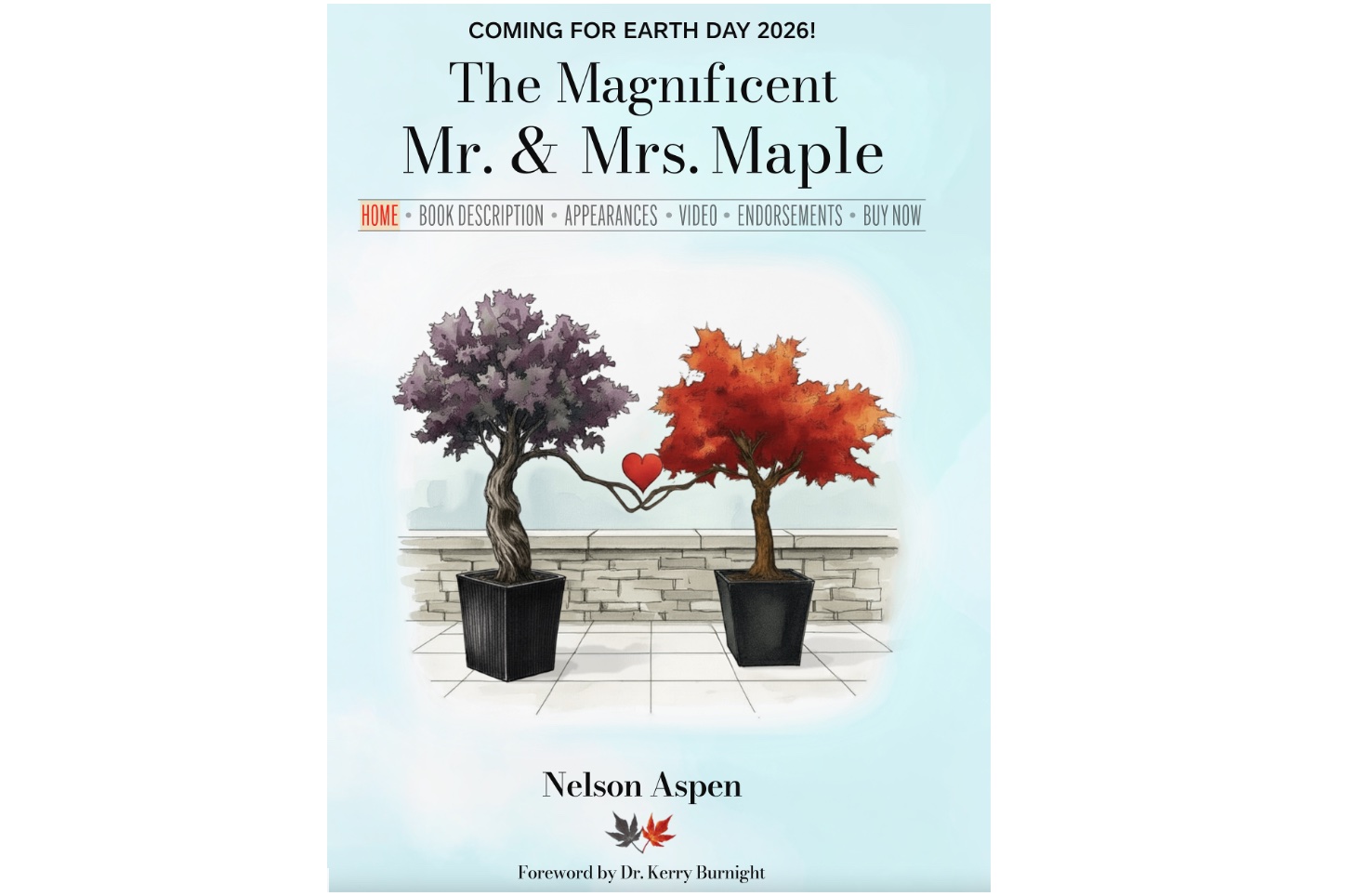
In tandem with the trilogy’s conclusion, Aspen announces the forthcoming release of his first children’s book, The Magnificent Mr. & Mrs. Maple, scheduled in alignment with Earth Day. The illustrated work explores themes of family, resilience, and connection, offering a gentle yet meaningful narrative for younger readers while expanding Aspen’s creative reach into new literary territory.
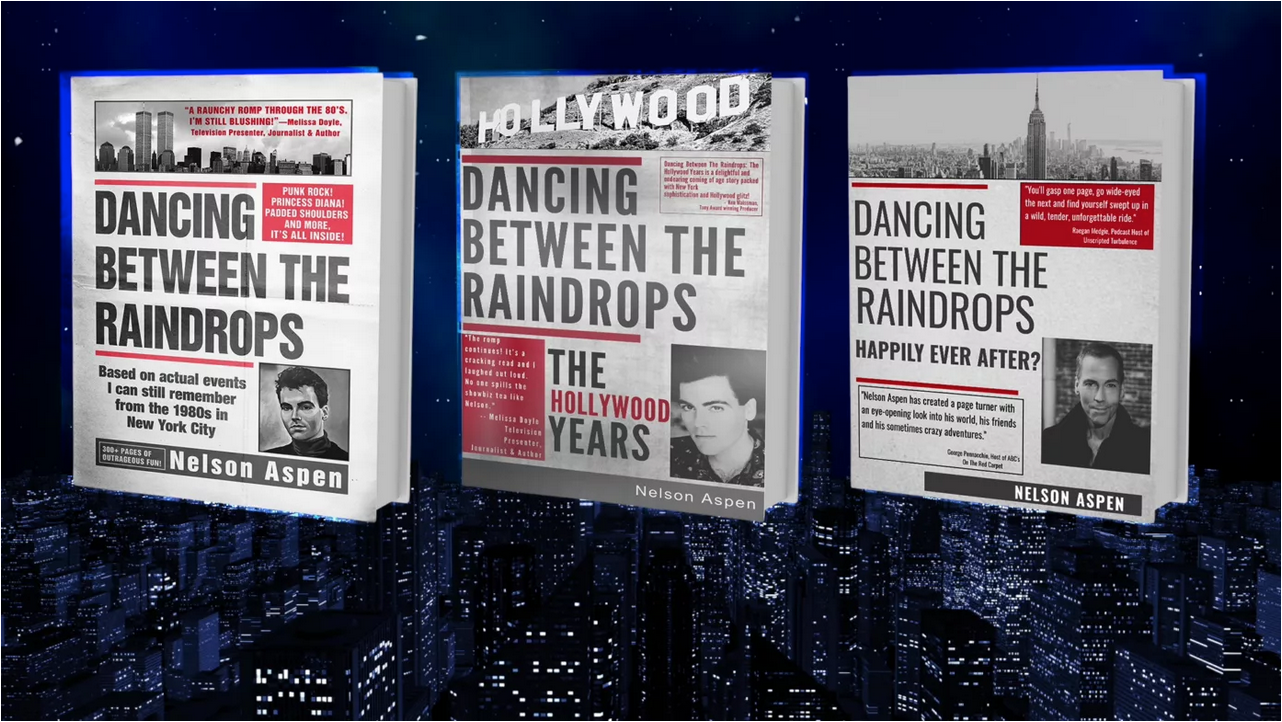
Dancing Between the Raindrops: Happily Ever After?
By Nelson Aspen
Publisher: Red Sky Presents
Formats: Paperback and Kindle (Audiobook forthcoming)
Publication Date: January 7, 2026
Length: 347 pages
Nelson Aspen is an internationally recognised journalist, author, and broadcaster whose career spans more than thirty years across television, publishing, and live media. Known for his engaging presence and insightful commentary, Aspen has built a reputation as both a storyteller and cultural observer, bringing audiences closer to the personalities and narratives that shape contemporary entertainment.
Media Contact

BHBPR
Harlan Boll
+1 323-708-4172
www.bhbpr.com

Why These Matter - WTM MEDIA is an independent editorial platform exploring the forces shaping our world—through people, culture, commerce, design, systems, and governance. Connecting the dots between today’s headlines and tomorrow’s realities.