
The Supreme Court’s May 2026 ruling does not dismantle the Voting Rights Act in name, yet it recalibrates its force in practice. By narrowing how race may be considered in redistricting, the Court has shifted the terrain from access to translation—where the right to vote endures, but the ability of that vote to shape representation becomes increasingly uncertain. What emerges is not a return to Jim Crow in its historical form, but a more sophisticated system of political dilution: one built through maps, metrics, and legal thresholds that are difficult to prove and even harder to reverse. This editorial examines how the architecture of democracy is being redesigned in real time, and why the future of American voting power may depend less on ballots cast than on how those ballots are structured to matter.
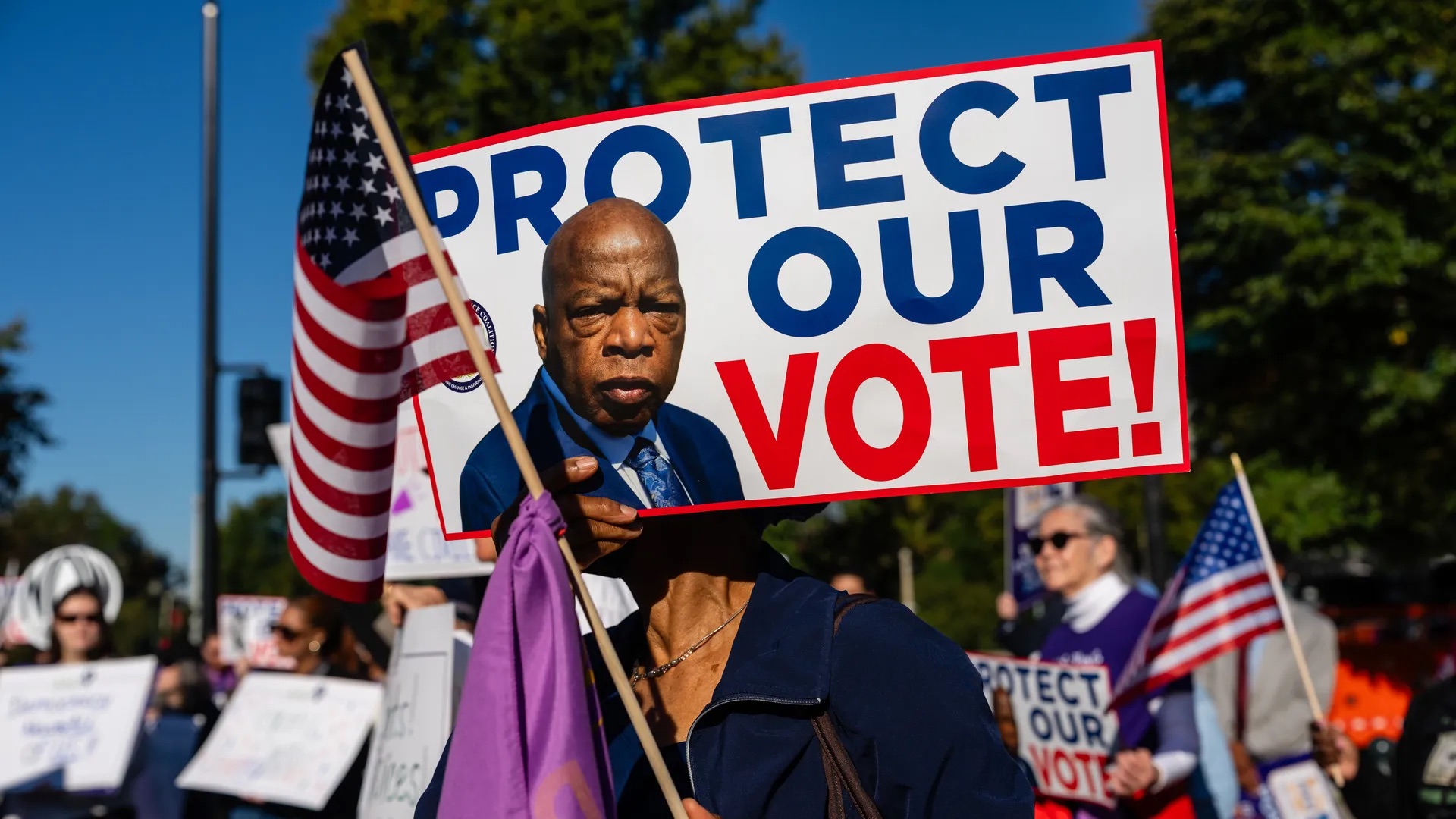
The history of American voting rights has long been framed as a battle for access. From the abolition of poll taxes to the passage of the Voting Rights Act of 1965, the central question was whether citizens—particularly Black Americans—could participate in the democratic process at all. That question, while not entirely resolved, has largely evolved. The modern frontier is no longer defined by entry into the system, but by what happens after entry is secured. The Supreme Court’s May 2026 ruling makes that shift unmistakable.
The decision does not remove the right to vote; it redefines the conditions under which that vote holds power. By tightening the standards for proving racial vote dilution and requiring a clearer separation between race and political affiliation, the Court has raised the threshold for challenging district maps that weaken minority representation. In doing so, it moves the legal focus away from outcomes and toward intent, making it significantly more difficult to demonstrate harm in systems where race and politics remain deeply intertwined.
This distinction is not academic. It is structural. A system can preserve universal suffrage while simultaneously diminishing its impact through design. In such a system, the ballot becomes symbolic—present, protected, and yet strategically constrained. The question is no longer whether one can vote, but whether that vote can meaningfully influence governance.
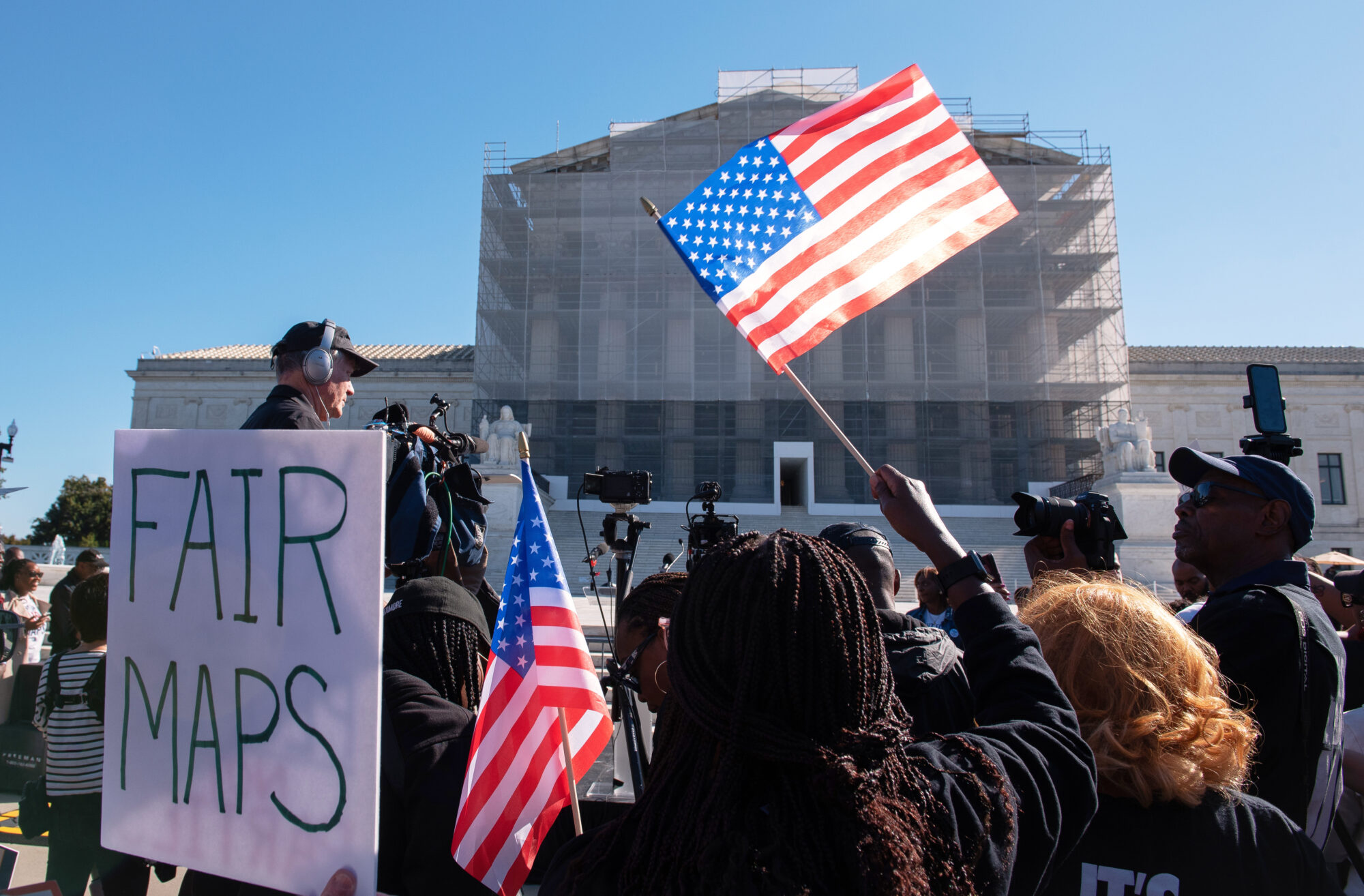
Redistricting has always been political, but it is now increasingly architectural. The drawing of district lines has evolved into a precise instrument for shaping electoral outcomes without overtly violating constitutional protections. The Court’s ruling effectively legitimises a narrower interpretation of when race may be considered, opening the door for states to redraw districts under the banner of neutrality while producing highly predictable political results.
This is the emergence of what can be understood as power without prohibition. Instead of excluding voters directly, systems can fragment communities, dilute concentrations of influence, and distribute populations in ways that neutralise their collective voice. These techniques—often referred to as cracking and packing—are not new, but they are now shielded by a legal framework that demands a higher burden of proof from those seeking to challenge them.
The implications are immediate. Majority-minority districts, once viewed as safeguards of representation, are now vulnerable to being reinterpreted as unconstitutional if race is deemed to have been too central to their design. This creates a paradox: districts intended to protect minority voting power can themselves become targets of legal challenge. The result is a system where representation is not only contested politically, but destabilised legally.
In this environment, redistricting becomes less visible but more consequential. It operates beneath the surface of public attention, shaping outcomes long before ballots are cast. The electorate participates, but the structure within which it participates has already been calibrated.
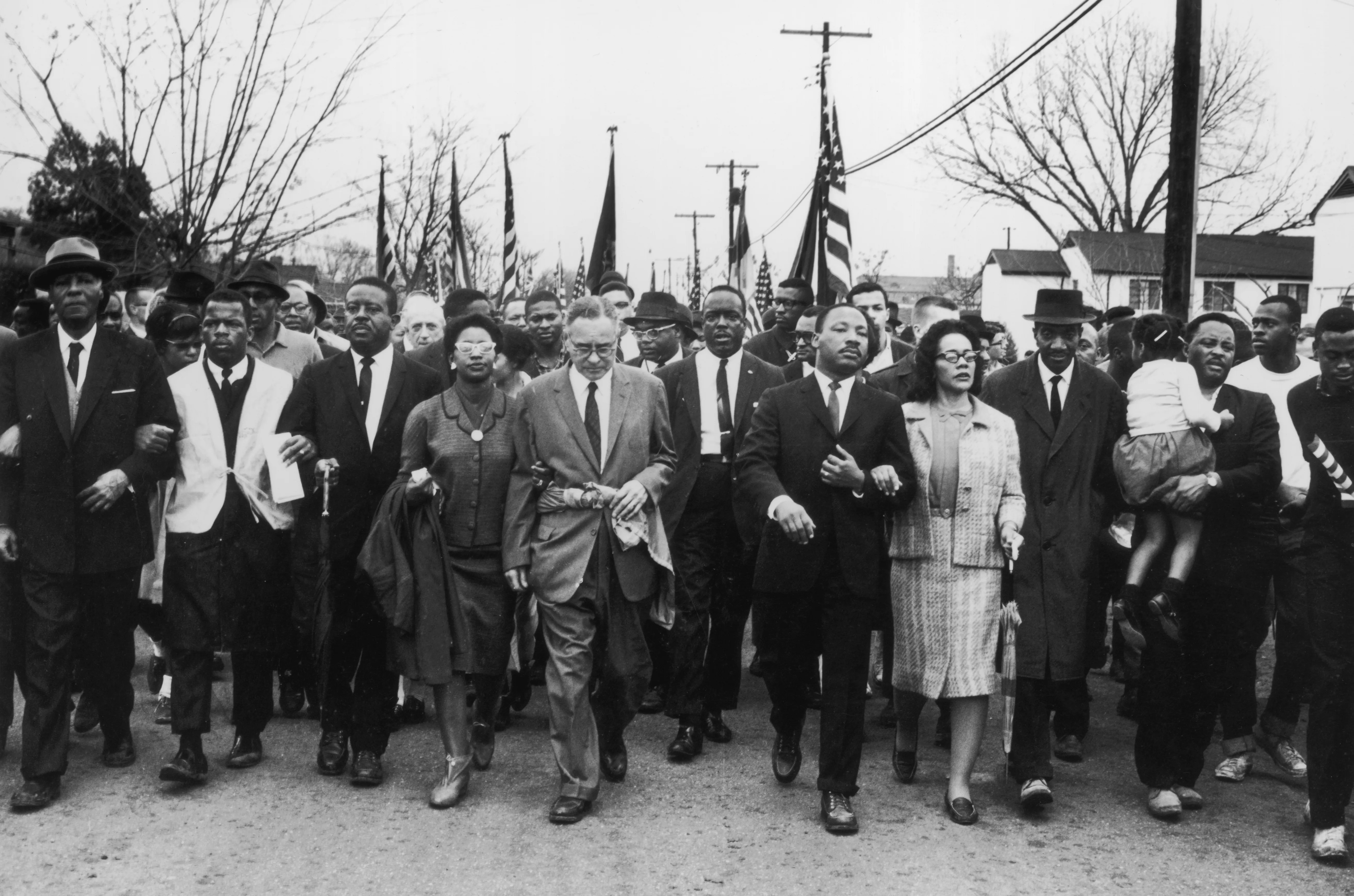
The comparison to Jim Crow is both instructive and incomplete. The historical machinery of voter suppression relied on explicit barriers—literacy tests, poll taxes, intimidation, and violence. These mechanisms were visible, enforceable, and morally unambiguous. The modern system does not replicate these tactics. It refines them.
What emerges instead is a form of systemic precision. Rather than denying access outright, it adjusts the architecture of participation. Data replaces discretion. Algorithms replace intimidation. Legal thresholds replace overt exclusion. The result is a system that is cleaner in appearance, more defensible in court, and more difficult to dismantle.
This is not regression in form; it is evolution in method. The danger lies in its subtlety. When suppression is overt, it can be confronted directly. When it is embedded within design, it becomes diffuse, technical, and often invisible to those it affects. The language of neutrality masks outcomes that are anything but neutral.
The long-term implications extend beyond individual elections. As competitive districts diminish and outcomes become more predictable, political accountability weakens. Representation becomes less responsive, and governance drifts further from the populations it is meant to serve. Over time, this erodes trust—not only in elections, but in the institutions those elections sustain.

The significance of this ruling lies not in what it removes, but in what it reframes. Democracy is not solely defined by the right to vote; it is defined by the capacity of that vote to shape reality. When that capacity is constrained, even subtly, the system begins to diverge from its stated principles.
The future of American voting rights will not be decided at the ballot box alone. It will be determined in courtrooms, in legislative chambers, and most critically, in the design of the systems that translate votes into power. The architecture of democracy is being rewritten—line by line, district by district.
The ballot remains. The question is whether the power remains with it.

Why These Matter - WTM MEDIA is an independent editorial platform exploring the forces shaping our world—through people, culture, commerce, design, systems, and governance. Connecting the dots between today’s headlines and tomorrow’s realities.