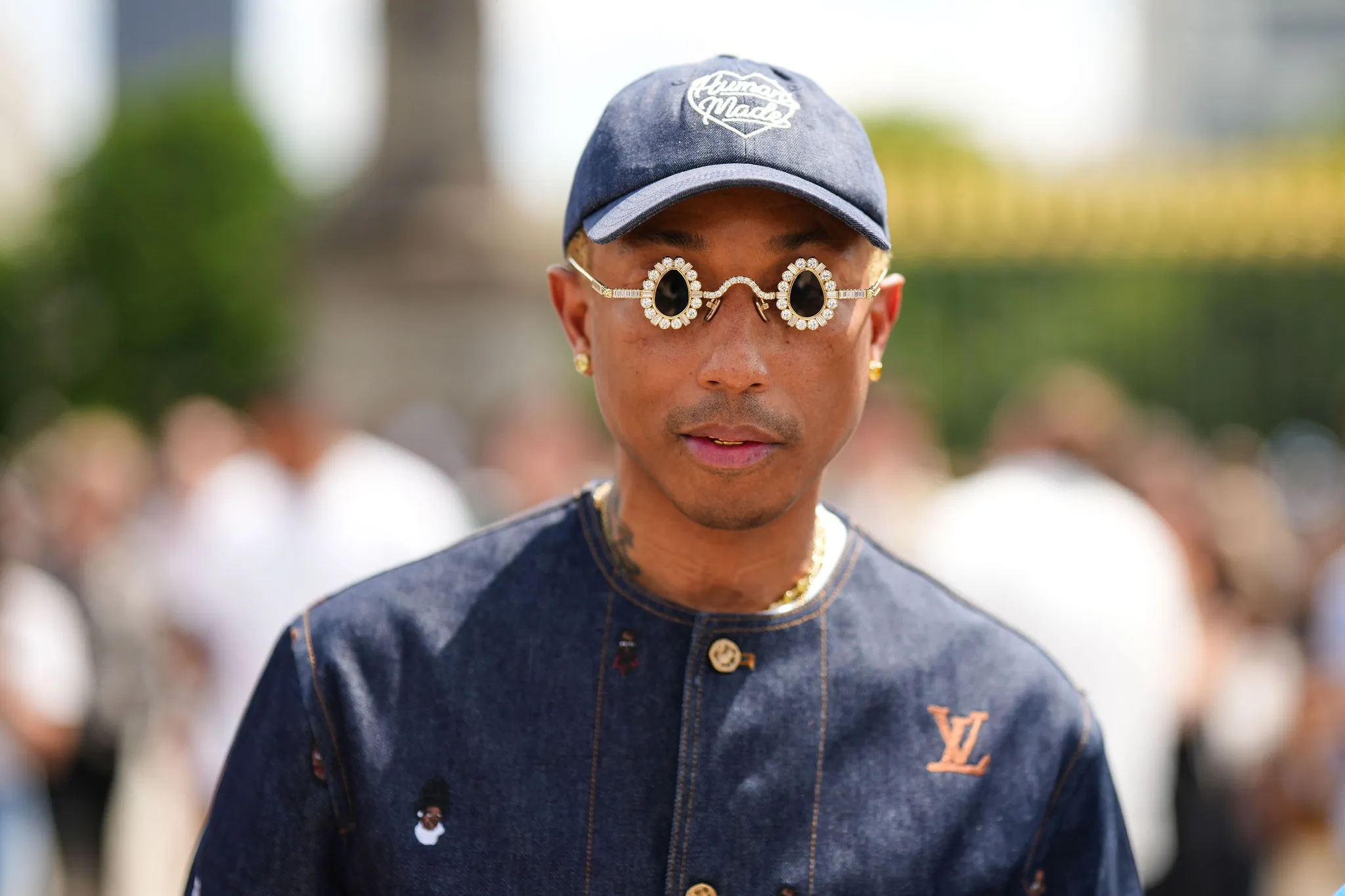
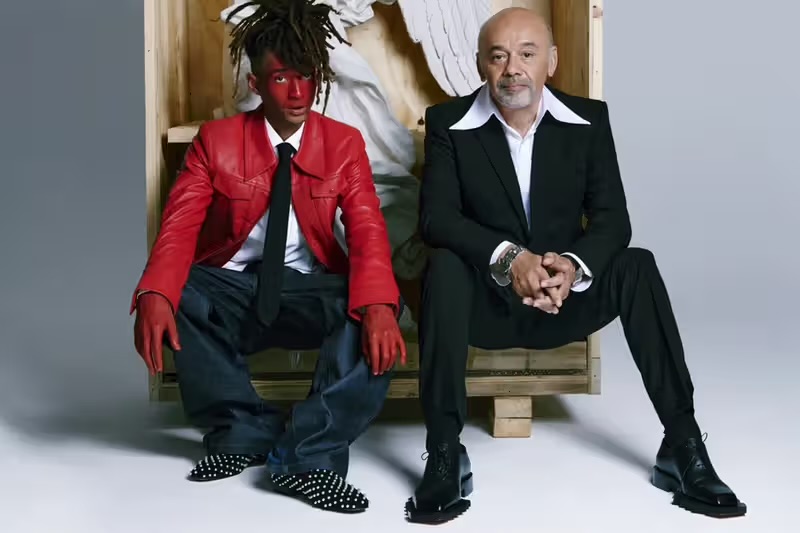
Fashion is often dismissed as appearance, yet it remains one of humanity’s oldest and most influential communication systems. Through Pharrell Williams’ leadership at Louis Vuitton, fashion reveals itself as something far larger than clothing: a language that shapes identity, signals belonging, influences economies, and travels across borders with remarkable speed. In an era increasingly defined by attention, symbolism, and cultural influence, fashion has become one of the most consequential forms of soft power in modern society.

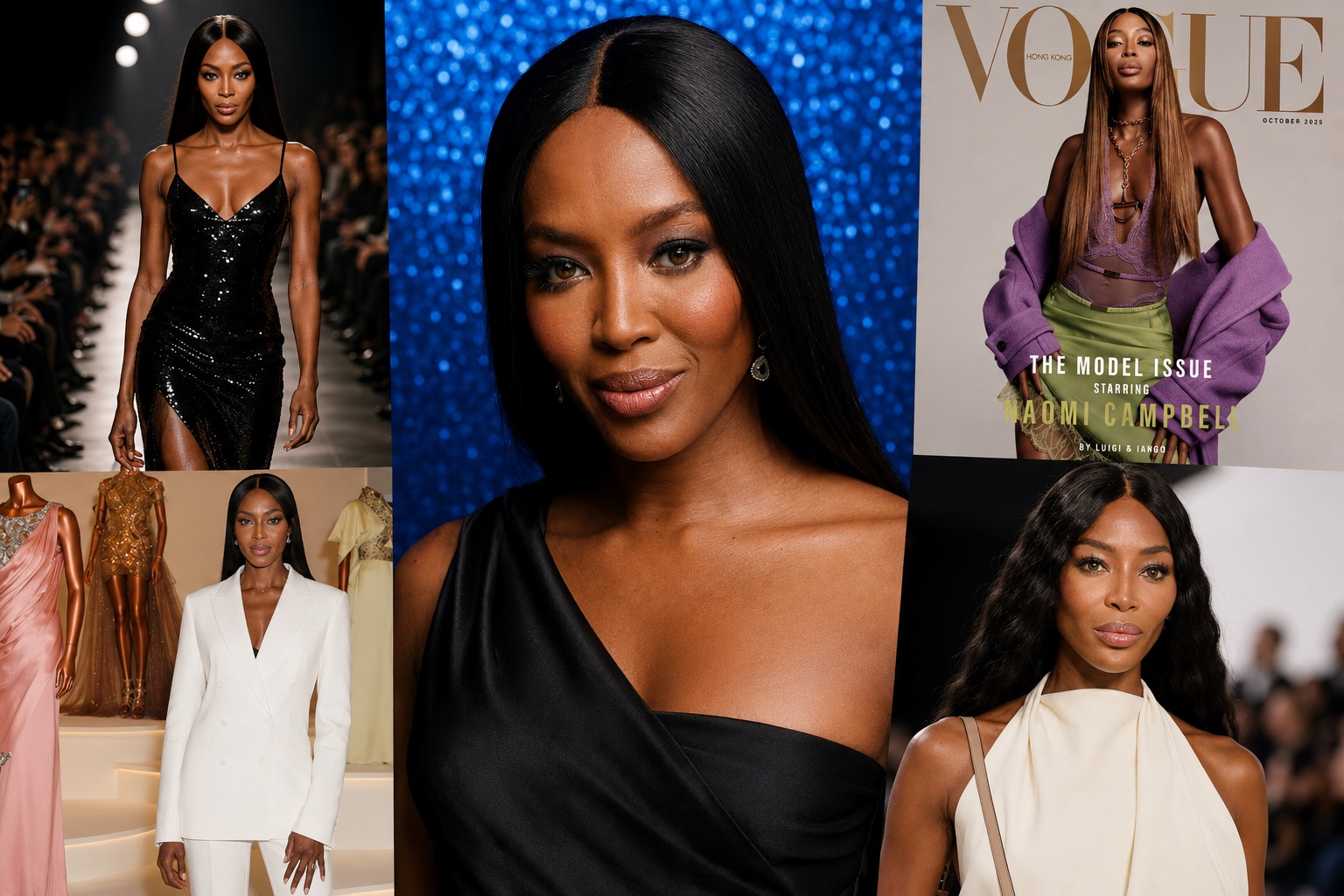
For more than four decades, Naomi Campbell has been described as a supermodel. The term is accurate but incomplete. Campbell’s significance extends far beyond fashion photography, magazine covers, or runway appearances. She emerged during a period when the global fashion industry systematically restricted access for Black models, concentrated power within a small group of gatekeepers, and exported narrow definitions of beauty to the world. Her success challenged not only aesthetic conventions but also economic structures determining who could be seen, valued, and monetised. Long before diversity became a corporate strategy, Naomi Campbell was forcing institutions to confront their own exclusions. Her career reveals that representation is never merely cultural. It is economic. It influences hiring, marketing, investment, media visibility, consumer behaviour, and ultimately power itself. Naomi Campbell was never simply a model. She became infrastructure within a larger transformation of the global fashion system.

For decades, Anna Wintour has been mythologised as fashion’s ice queen — cold, difficult, elitist, and surgically demanding. Yet beneath the caricature sits one of the most influential systems architects in modern cultural history. Wintour did not merely edit magazines; she engineered aspiration, commercialised aesthetics, transformed celebrity into infrastructure, and helped convert fashion from an elite garment industry into a global political and economic machine. Her story is not about personality. It is about institutional endurance in an era increasingly hostile to standards, gatekeeping, and disciplined taste.

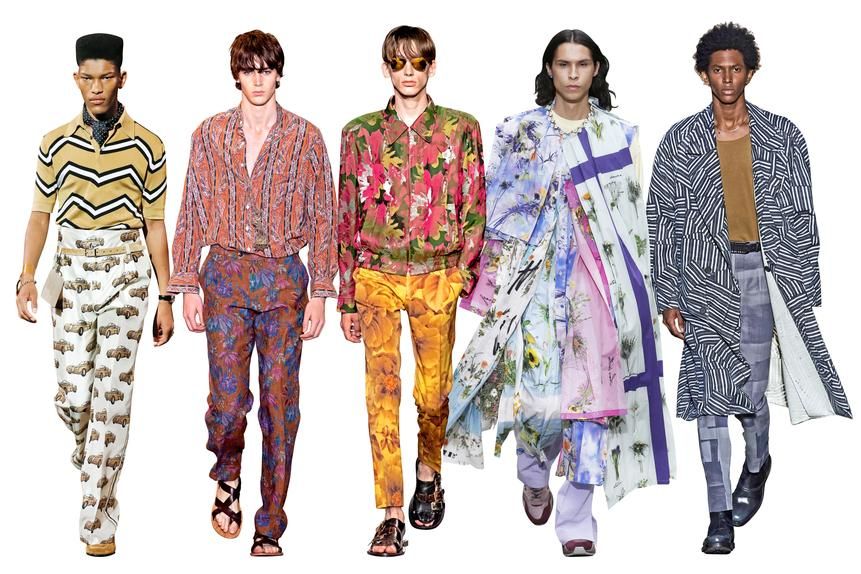
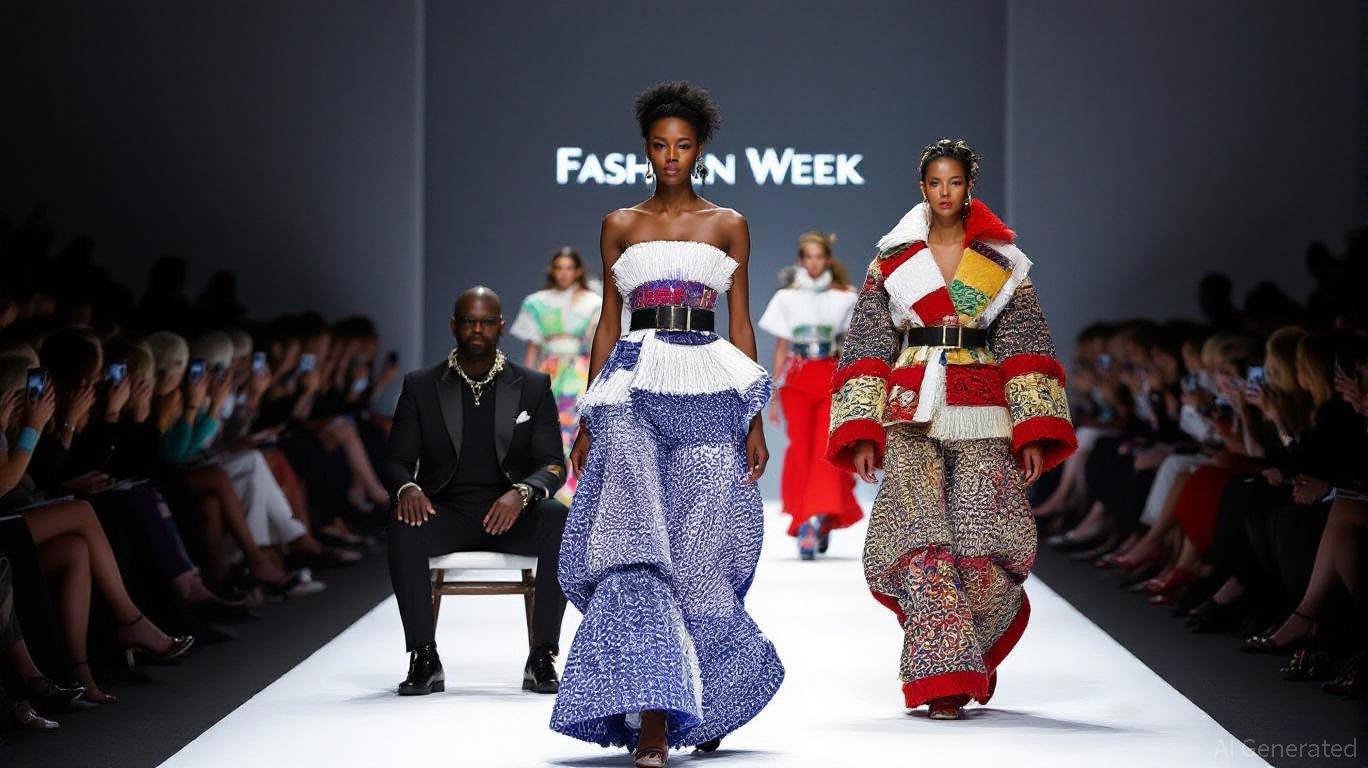
Fashion shows are no longer peripheral spectacles of aesthetic display; they have evolved into structured platforms for cultural transmission, economic participation, and global dialogue. As globalisation compresses distance, the runway has become a site where heritage is not only presented but negotiated, reinterpreted, and sustained across generations. Each garment operates as a vessel of memory, identity, and craft, carrying narratives that transcend geography while resisting erasure. What appears as performance is, in fact, infrastructure—a system through which cultures communicate, economies activate, and identities persist. This editorial reframes fashion not as an industry of trends, but as a living architecture of human expression, where every stitch encodes history and every stride extends cultural continuity into the future.

AI is transforming fashion from aesthetic industry to intelligent ecosystem—where clothing becomes data interface, and identity becomes co-designed intelligence.

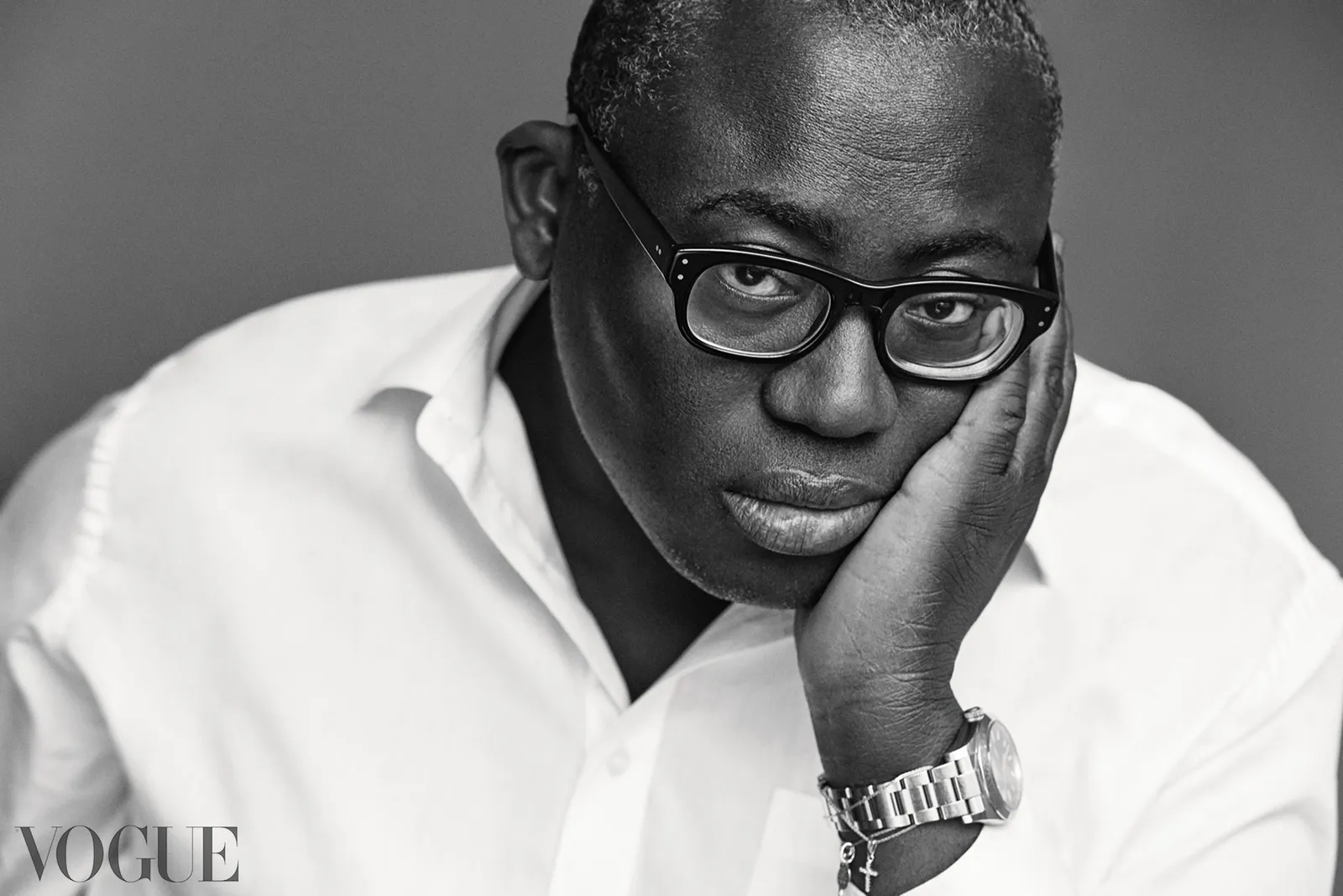
Edward Enninful confirmed that the March 2024 issue will be his last as British Vogue’s editor‑in‑chief . He will stay at Condé Nast as a global creative adviser . This piece reviews his impact on diversity, his influence on global style narratives, and what his new post could mean for fashion’s future.