Fashion is often dismissed as appearance, yet it remains one of humanity’s oldest and most influential communication systems. Through Pharrell Williams’ leadership at Louis Vuitton, fashion reveals itself as something far larger than clothing: a language that shapes identity, signals belonging, influences economies, and travels across borders with remarkable speed. In an era increasingly defined by attention, symbolism, and cultural influence, fashion has become one of the most consequential forms of soft power in modern society.
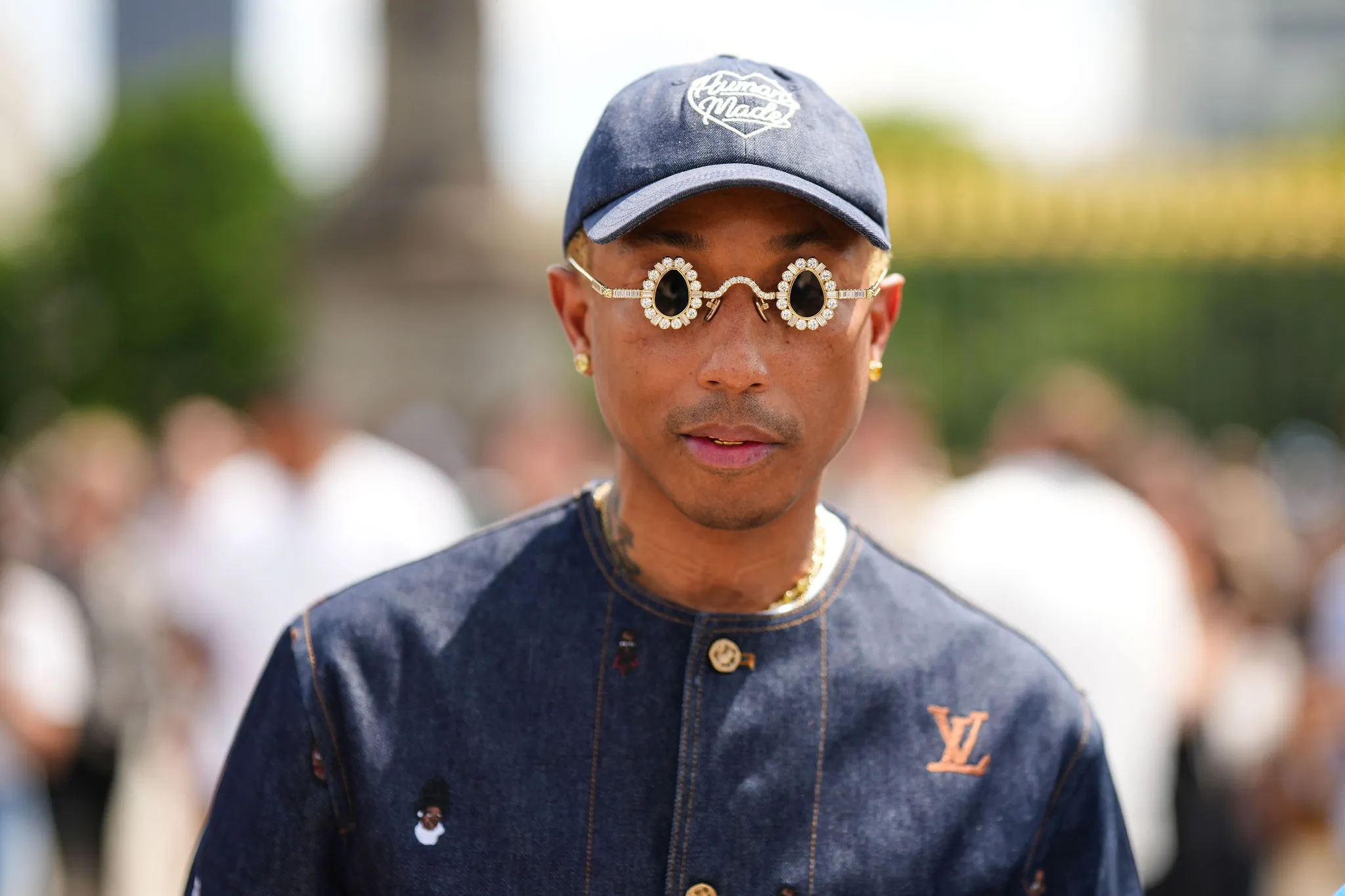
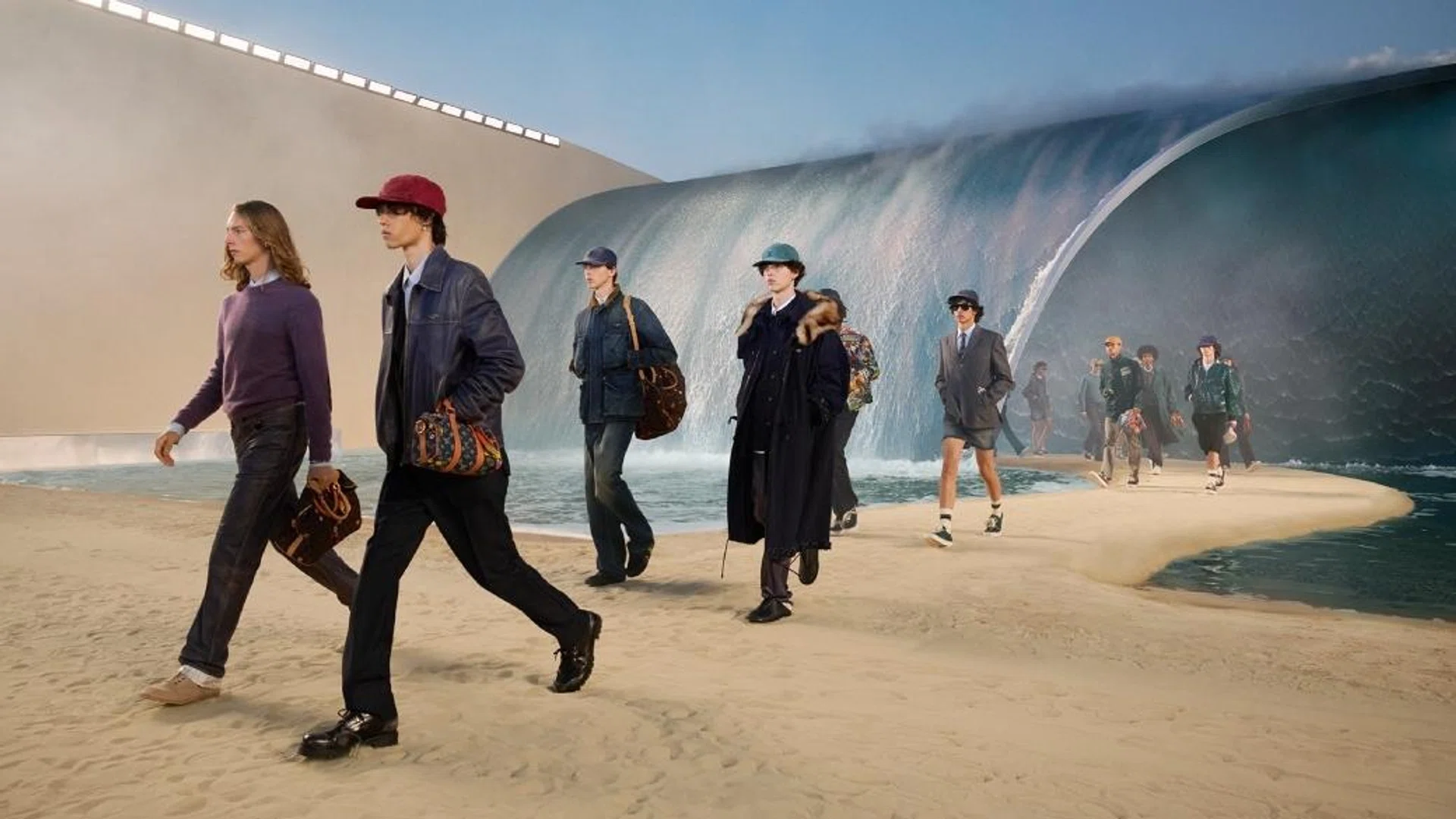
On a warm evening in Paris, Pharrell Williams presented Louis Vuitton’s Spring/Summer 2027 collection before an audience that looked less like a fashion crowd and more like a gathering of modern influence. Athletes, musicians, entrepreneurs, executives, artists, journalists, and cultural leaders occupied the same space. The spectacle attracted global attention not because of a jacket, a handbag, or a runway. It attracted attention because fashion remains one of the few universal languages capable of crossing geography, class, politics, and culture simultaneously. Louis Vuitton Men Spring-Summer 2027 Show
Long before social media feeds, newspapers, television broadcasts, or digital platforms, human beings communicated through appearance. Clothing, adornment, colour, and presentation signalled identity, occupation, status, values, and belonging. Every civilisation developed visual systems through which individuals communicated who they were before speaking a single word. Fashion emerged not as decoration but as information.
The tendency to dismiss fashion as superficial often reveals a misunderstanding of how human beings process the world. People rarely encounter facts first. They encounter symbols first. Appearance forms impressions, influences expectations, and shapes interactions before language enters the conversation. The visual often precedes the verbal. Fashion operates within that reality.
This helps explain why clothing remains relevant even in an increasingly digital age. Technology may accelerate communication, but it does not eliminate the human need for signalling. In many respects, digital life has intensified the importance of visual identity. Individuals are now continuously communicating through images, profiles, videos, and curated personal narratives.
Psychologists have long observed that perception influences behaviour. Individuals make assumptions about competence, trustworthiness, authority, and belonging within seconds of observation. Fashion therefore functions not merely as self-expression but as social navigation. It helps individuals position themselves within complex environments where decisions are often made before conversations begin.
The Paris runway revealed something deeper than seasonal design. It revealed that fashion remains one of humanity’s most enduring communication technologies. The clothes may change each season. The underlying human need to communicate identity through appearance has remained remarkably constant for thousands of years.

Luxury is frequently misunderstood because people focus on products rather than what those products represent. A luxury handbag is rarely purchased solely because it carries possessions. A luxury watch is rarely acquired solely because it tells time. The physical object matters, but it is rarely the entire story.
The true product being exchanged is often meaning. People purchase narratives, aspirations, affiliations, memories, and identity. They purchase participation in stories larger than themselves. Luxury brands understand this reality better than almost any other industry. Their greatest assets are not factories or raw materials but cultural relevance and symbolic value.
This is where Louis Vuitton and its parent company, LVMH, become particularly significant. LVMH is frequently described as the world’s largest luxury company, but that description understates its influence. In many respects, LVMH operates as one of the world’s most sophisticated manufacturers of cultural meaning. Its brands shape aspiration across continents and generations. LVMH Official Website
The appointment of Pharrell Williams reflects this broader strategy. Pharrell was not selected merely because he understands design. He was selected because he understands culture. His career spans music, entrepreneurship, fashion, design, technology, and media. He possesses an unusual ability to connect different audiences while remaining authentic within each environment.
The audience attending a Louis Vuitton show reflects this reality. The event attracts athletes, actors, musicians, business leaders, and creators because fashion increasingly sits at the centre of a wider cultural ecosystem. Luxury brands are no longer simply selling products. They are participating in conversations about identity, creativity, influence, and aspiration.
Seen through this lens, the runway becomes less about clothing and more about meaning. Every collection becomes a cultural statement. Every show becomes an exercise in storytelling. Every campaign becomes an attempt to shape how individuals see themselves and the world around them.

Historically, power flowed primarily through governments, religious institutions, military structures, and industrial organisations. While these institutions remain important, influence increasingly travels through culture. People are often shaped not by directives but by stories. Not by regulations but by aspirations.
Pharrell Williams represents this shift. His influence does not derive from political authority or institutional control. Instead, it emerges from cultural credibility. He occupies a position where music, fashion, design, entrepreneurship, and media intersect. His value lies not simply in what he creates but in what he represents.
This evolution reflects a broader transformation in society. The twenty-first century rewards individuals capable of translating ideas across multiple domains. Pharrell speaks fluently to luxury consumers, streetwear enthusiasts, artists, athletes, executives, and emerging creators. That ability to connect disparate audiences has become a form of modern power.
The Paris presentation demonstrated this dynamic. The attention generated by the event travelled across social media, news organisations, fashion publications, entertainment outlets, and business media simultaneously. Few political speeches command such diverse audiences. Fewer still generate comparable levels of engagement across cultural boundaries.
Fashion has therefore become a significant form of soft power. Nations use culture to influence perception. Companies use design to shape behaviour. Individuals use appearance to communicate identity. In each case, visual communication often succeeds where formal communication struggles. Fashion travels quickly because it operates through recognition rather than translation.
Pharrell’s significance ultimately extends beyond clothing. He illustrates how influence increasingly operates in a connected world. Modern leaders are often not those who control institutions but those who shape culture. The future may belong less to those who command attention and more to those who understand how attention becomes meaning.

The tendency to dismiss fashion as trivial overlooks its role in shaping human behaviour, economic activity, and cultural exchange. Fashion employs millions of people globally, supports craftsmanship, fuels innovation, and contributes significantly to national economies. It is not a peripheral industry. It is a major cultural and economic force.
Fashion also serves as a bridge between communities. Politics often divides. Geography separates. Language creates barriers. Fashion frequently moves between these boundaries with remarkable ease. Trends, aesthetics, and ideas travel across continents, connecting individuals who may otherwise share little in common.
The rise of cultural influence has profound implications for business and leadership. Organisations increasingly compete not only through products and services but through meaning. Consumers seek brands that reflect identity, values, and aspiration. The companies that understand this shift will possess advantages that extend beyond traditional measures of scale.
At the same time, fashion demonstrates that human beings remain deeply visual creatures. Despite advances in artificial intelligence, digital communication, and automation, people continue to interpret the world through symbols, images, and narratives. Understanding visual communication is therefore becoming more important, not less.
The gathering surrounding Pharrell Williams in Paris revealed this reality with unusual clarity. What appeared to be a fashion show was also a demonstration of culture, influence, storytelling, identity, economics, and global connection. The runway became a stage upon which larger societal forces could be observed in motion.
Ultimately, the most important lesson extends far beyond fashion itself. The future will increasingly belong to those who understand how meaning is created, communicated, and shared. Pharrell Williams is not the story. He is the lens through which a larger truth becomes visible: power in the modern world often travels through culture before it travels through institutions. That is why this matters.

Why These Matter - WTM MEDIA is an independent editorial platform exploring the forces shaping our world—through people, culture, commerce, design, systems, and governance. Connecting the dots between today’s headlines and tomorrow’s realities.