
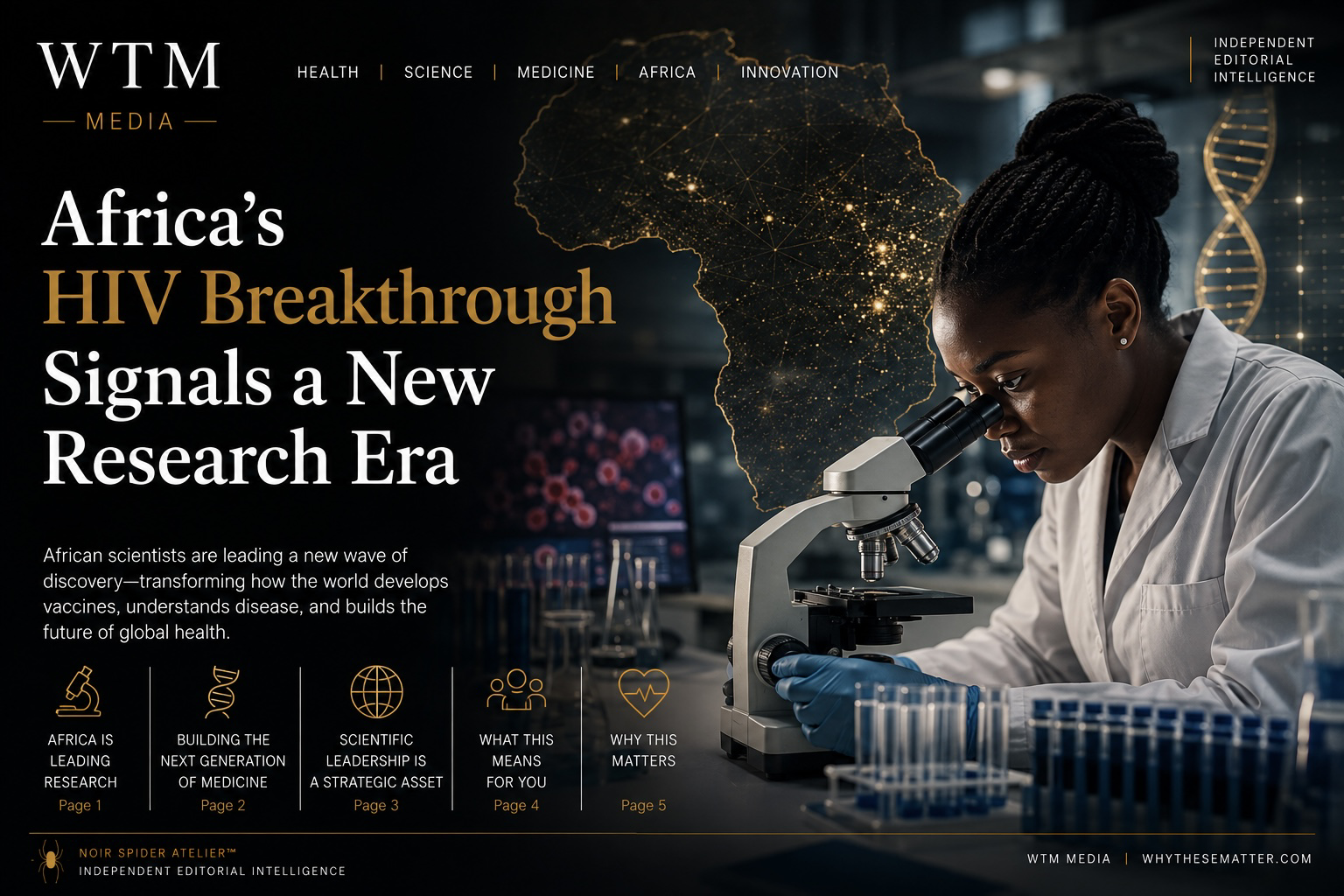
For more than four decades, HIV has been one of humanity’s defining public health challenges. Scientific breakthroughs have transformed HIV from a near-certain fatal diagnosis into a manageable chronic condition for millions, yet an effective vaccine has remained elusive. Now, African scientists are helping to reshape that narrative. Recent advances led by researchers across Africa demonstrate a profound shift in global biomedical research. Rather than serving merely as sites for clinical trials designed elsewhere, African laboratories, universities, hospitals, biotechnology companies, and research institutions are increasingly driving scientific discovery themselves. The continent is becoming an architect of medical innovation rather than simply a participant. The implications extend well beyond HIV. The same scientific infrastructure, genomic expertise, artificial intelligence, manufacturing capacity, and collaborative research ecosystems developed through HIV programmes are positioning Africa to contribute to vaccines, cancer therapies, precision medicine, pandemic preparedness, and biotechnology for decades to come. This editorial argues that Africa’s latest HIV research milestone is not only a medical story. It is evidence that the geography of scientific leadership is changing. Nations that invest consistently in research, talent, institutions, and collaboration will increasingly determine the future of global health.
For decades, the global narrative surrounding African health research followed a predictable script. Scientific discoveries were often attributed to laboratories in Europe or North America, while African countries appeared primarily as locations where diseases were studied, patients were enrolled, and international interventions were implemented. That portrayal overlooked the scientific expertise already present across the continent, but it also reflected genuine structural inequalities in research funding, manufacturing capacity, and institutional investment. Today, that balance is beginning to change. Africa is increasingly producing knowledge, not simply contributing data.
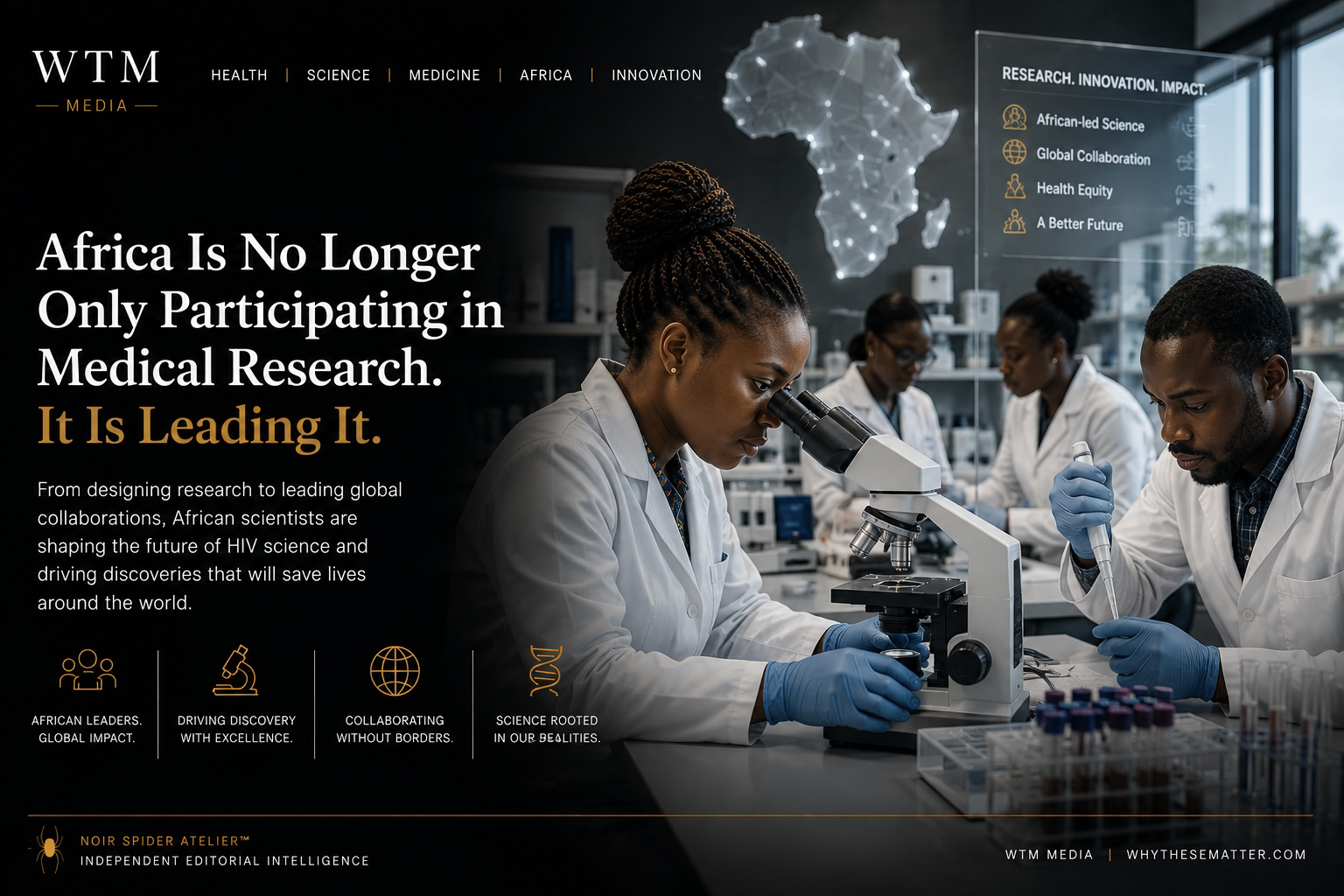
The latest HIV vaccine and immunology advances illustrate this transition. African universities, clinicians, immunologists, epidemiologists, geneticists, and laboratory scientists are designing research questions, leading multinational collaborations, publishing in leading medical journals, and influencing global health priorities. Their role extends well beyond executing externally designed clinical protocols. Increasingly, African researchers are shaping the scientific agenda itself, ensuring that studies address the realities of populations most affected by HIV while contributing discoveries that benefit patients worldwide.
This evolution has been decades in the making. Programmes established through partnerships involving governments, universities, public-health agencies, philanthropic organisations, and international institutions have steadily strengthened laboratory infrastructure, ethics review systems, genomic sequencing capabilities, clinical trial networks, and data analysis expertise. The COVID-19 pandemic accelerated many of these investments, demonstrating the strategic importance of domestic scientific capacity. Rather than allowing those capabilities to disappear once the immediate crisis subsided, many institutions redirected them towards HIV, tuberculosis, malaria, cancer, and emerging infectious diseases.
The significance extends beyond any single disease. Scientific capability compounds in much the same way as economic capital. Every successful laboratory trains future researchers. Every completed clinical trial strengthens regulatory expertise. Every published paper attracts further investment. Every international collaboration builds institutional credibility. Over time, these reinforcing cycles create ecosystems capable of sustained innovation rather than isolated moments of excellence. Africa’s emerging biomedical landscape increasingly reflects that dynamic.
Another important shift concerns representation within science itself. Researchers who understand local healthcare systems, cultural contexts, disease patterns, and patient experiences often ask different questions from those observing challenges from thousands of miles away. That perspective can influence study design, participant engagement, implementation strategies, and interpretation of results. Scientific excellence depends upon methodological rigour, but it also benefits from intellectual diversity. Broadening the range of voices leading research strengthens the quality of global science rather than fragmenting it.
Ultimately, Africa’s expanding leadership in HIV research signals something larger than a regional success story. It represents the gradual redistribution of scientific capability across the world. As investments continue in education, research infrastructure, biotechnology, and advanced manufacturing, the continent is positioning itself not simply as a beneficiary of future medical breakthroughs, but as one of their principal architects. That transformation has implications for global health, economic development, geopolitical influence, and humanity’s collective capacity to confront future diseases.
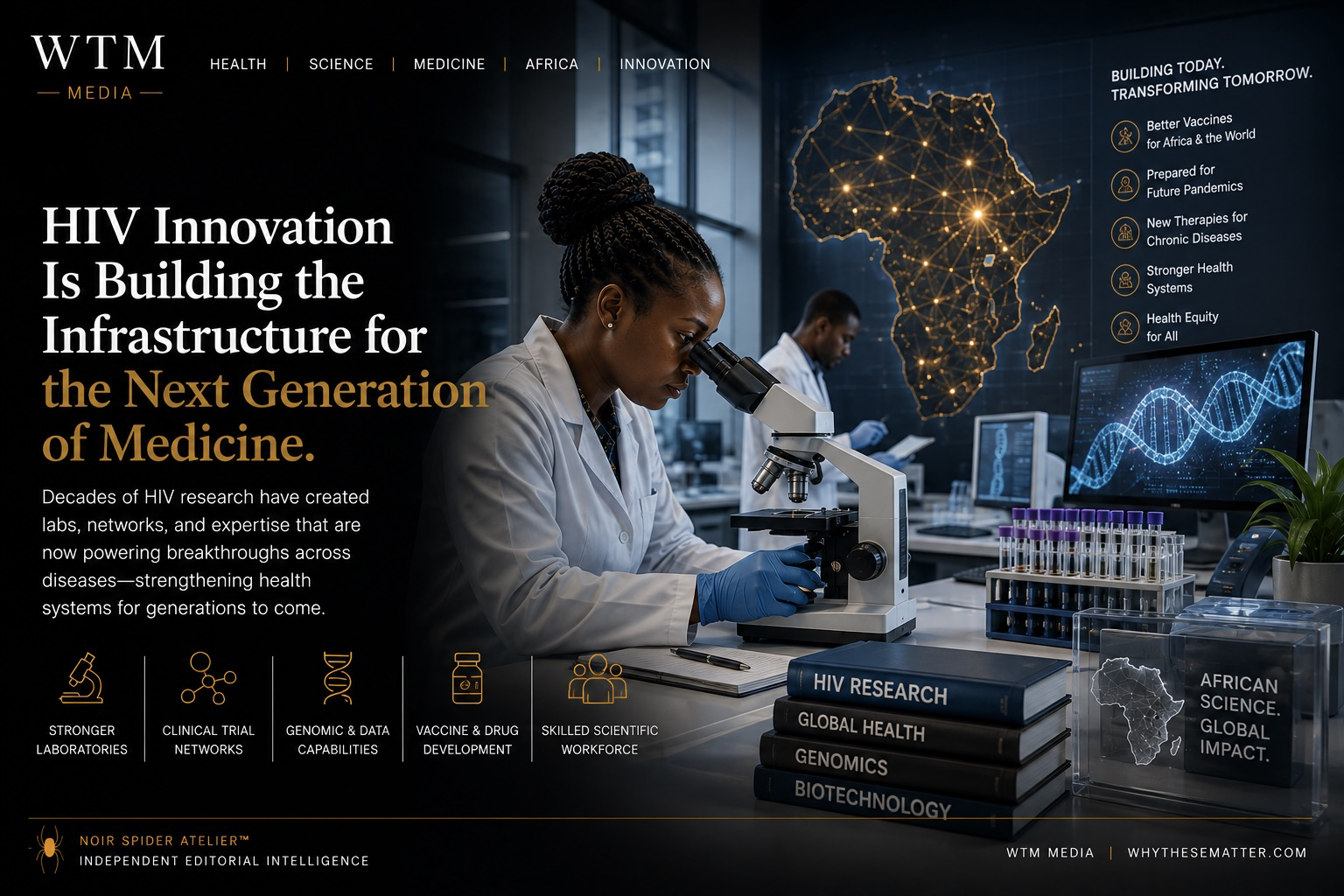
One of the least appreciated consequences of HIV research is that its greatest legacy may not be a vaccine alone. Rather, it is the scientific infrastructure that decades of HIV investment have created. Laboratories equipped for advanced molecular biology, clinical trial networks spanning multiple countries, genomic sequencing centres, digital surveillance systems, ethical review boards, biobanks, and highly trained scientific workforces now exist because governments and global partners invested consistently in confronting one disease. Those same capabilities are becoming the foundation for an entirely new era of biomedical innovation.
This infrastructure is already producing benefits beyond HIV. The genomic sequencing platforms that monitored HIV mutations proved invaluable during the COVID-19 pandemic, allowing African scientists to identify and monitor emerging SARS-CoV-2 variants rapidly. Clinical trial networks originally established for HIV studies were adapted to evaluate vaccines and therapeutics against COVID-19. Laboratory expertise developed through virology research now supports investigations into tuberculosis, malaria, viral haemorrhagic fevers, antimicrobial resistance, and numerous neglected tropical diseases. Scientific investment, unlike many public expenditures, rarely serves only one purpose.
The emergence of biotechnology ecosystems across several African nations further amplifies this transformation. Countries including South Africa, Rwanda, Senegal, Kenya, Egypt, and Nigeria are investing in vaccine manufacturing, pharmaceutical production, genomic medicine, bioinformatics, and precision healthcare. International partnerships increasingly focus not merely on transferring finished products but on transferring manufacturing knowledge, engineering capability, regulatory expertise, and research leadership. This gradual shift reduces dependence upon imported medicines while strengthening resilience against future health emergencies.
Artificial intelligence is accelerating this evolution. Machine learning models now assist researchers in analysing genomic sequences, identifying therapeutic targets, predicting disease progression, and accelerating drug discovery. Large biomedical datasets generated through decades of HIV programmes provide valuable foundations for developing predictive algorithms that can improve diagnosis, treatment, and public health planning. When combined with expanding digital health infrastructure, these technologies create opportunities to improve healthcare delivery even in regions facing shortages of medical specialists.
Equally important is the development of human capital. Scientific excellence depends upon people far more than buildings or equipment. Universities across Africa are producing growing numbers of clinicians, epidemiologists, molecular biologists, immunologists, statisticians, biomedical engineers, and public health leaders whose expertise increasingly attracts international collaboration. As funding expands and career opportunities improve, retaining this talent becomes more feasible, reducing historical patterns of brain drain while strengthening domestic innovation ecosystems. The long-term value of these investments extends across generations.
The broader lesson is that medical breakthroughs rarely emerge in isolation. They are the visible outcomes of institutions, education, governance, financing, international collaboration, and sustained public commitment. HIV research has become a catalyst for building precisely those foundations. Whether addressing cancer, dementia, cardiovascular disease, future pandemics, or diseases yet unknown, the scientific capacity being developed today will shape healthcare far beyond the HIV epidemic itself. That may ultimately prove to be one of the most enduring achievements of the global response.
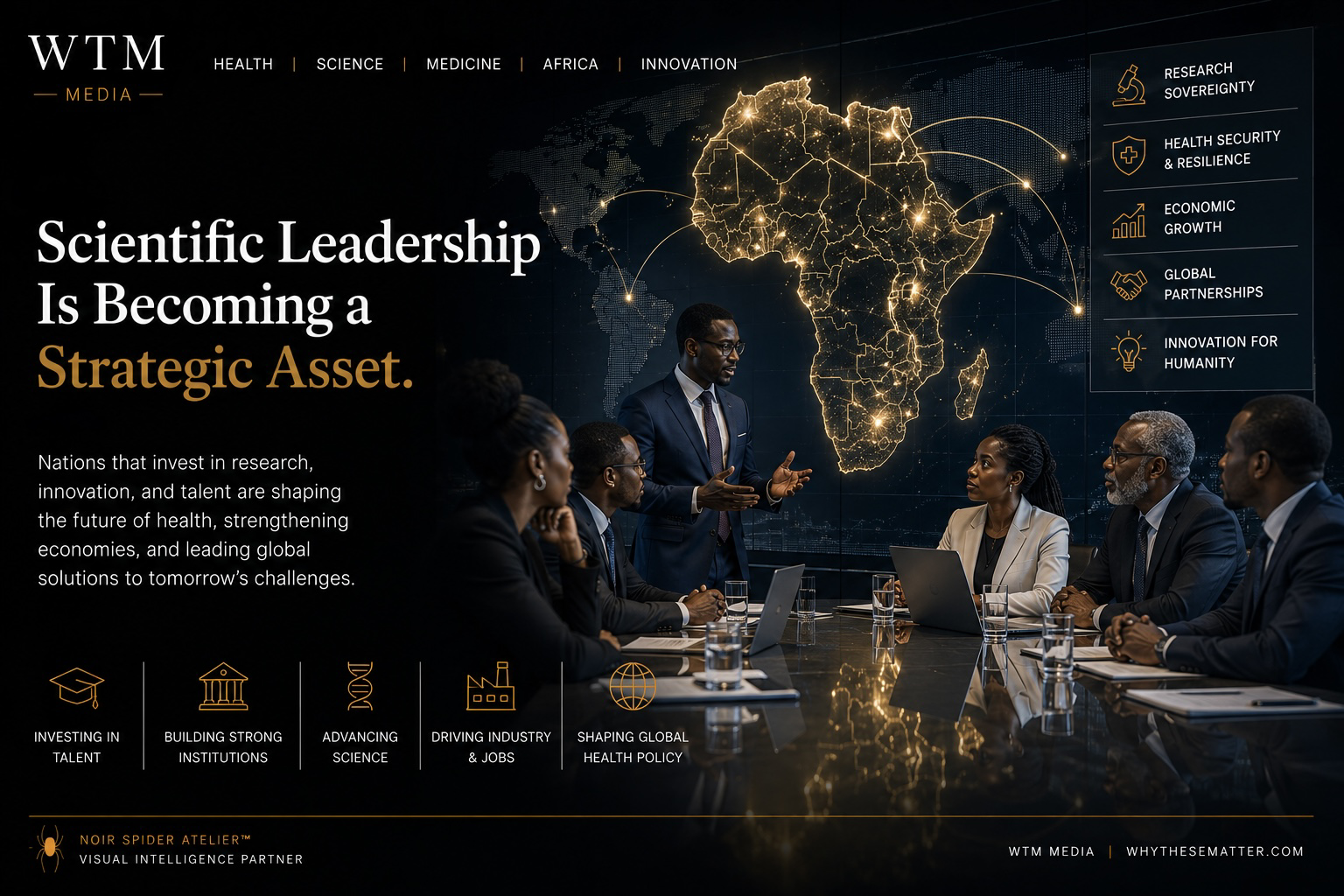
The twenty-first century is increasingly defined by nations’ ability to generate knowledge rather than merely consume it. Scientific discovery has become a strategic resource alongside energy, semiconductors, artificial intelligence, and critical minerals. Countries that lead in biomedical research influence not only healthcare outcomes but also industrial policy, international partnerships, intellectual property, economic competitiveness, and diplomatic relationships. Africa’s growing leadership in HIV research therefore represents far more than a medical achievement. It signals the emergence of scientific capability as a geopolitical asset.
Historically, medical innovation followed a largely one-directional model. Wealthier nations funded research, owned the patents, manufactured treatments, and distributed finished products globally. Recent experiences, particularly during the COVID-19 pandemic, exposed the vulnerabilities of this arrangement. Vaccine nationalism, disrupted supply chains, and unequal access demonstrated that relying exclusively upon external production leaves countries exposed during periods of global crisis. As a result, many African governments have begun viewing scientific self-sufficiency not simply as a health objective, but as a matter of national resilience and strategic security.
This shift is encouraging greater investment in domestic pharmaceutical manufacturing, biotechnology companies, advanced laboratory facilities, regulatory institutions, and translational research. Building these capabilities allows countries to move beyond importing finished medicines towards developing, testing, manufacturing, and eventually exporting health innovations. Such ecosystems also stimulate high-value employment, attract foreign investment, strengthen university research programmes, and create commercial opportunities for entrepreneurs operating at the intersection of science, engineering, and technology. Biomedical research is becoming an economic development strategy as much as a healthcare strategy.
International collaboration remains essential, but its character is changing. Rather than relationships built primarily around donor-recipient dynamics, partnerships increasingly reflect shared scientific leadership. African institutions are co-designing research programmes, leading multinational clinical trials, contributing to global standards, and participating in decisions regarding funding priorities, ethics, data governance, and intellectual property. These more balanced collaborations produce stronger science because they combine diverse expertise while recognising the value that different research environments contribute to solving complex health challenges.
Another important consequence concerns public confidence. Citizens are more likely to trust scientific institutions when they see researchers, physicians, and public-health leaders who understand their communities, communicate transparently, and participate directly in developing solutions. Trust remains one of the most valuable yet fragile components of effective healthcare. Scientific excellence alone is insufficient if misinformation, political polarisation, or institutional distrust undermine public participation. Building respected domestic scientific institutions therefore strengthens both research outcomes and democratic resilience by reinforcing confidence in evidence-based decision-making.
Ultimately, Africa’s expanding scientific leadership reflects a broader global transition. Knowledge production is becoming more geographically distributed, more collaborative, and more interconnected than at any previous point in modern history. This diversification benefits the international scientific community because innovation rarely flourishes within intellectual monopolies. New perspectives generate new questions, different research priorities, and novel solutions. As Africa continues strengthening its research institutions, the continent is unlikely to become merely another participant in global medicine. It is increasingly positioned to help define where global biomedical science goes next.
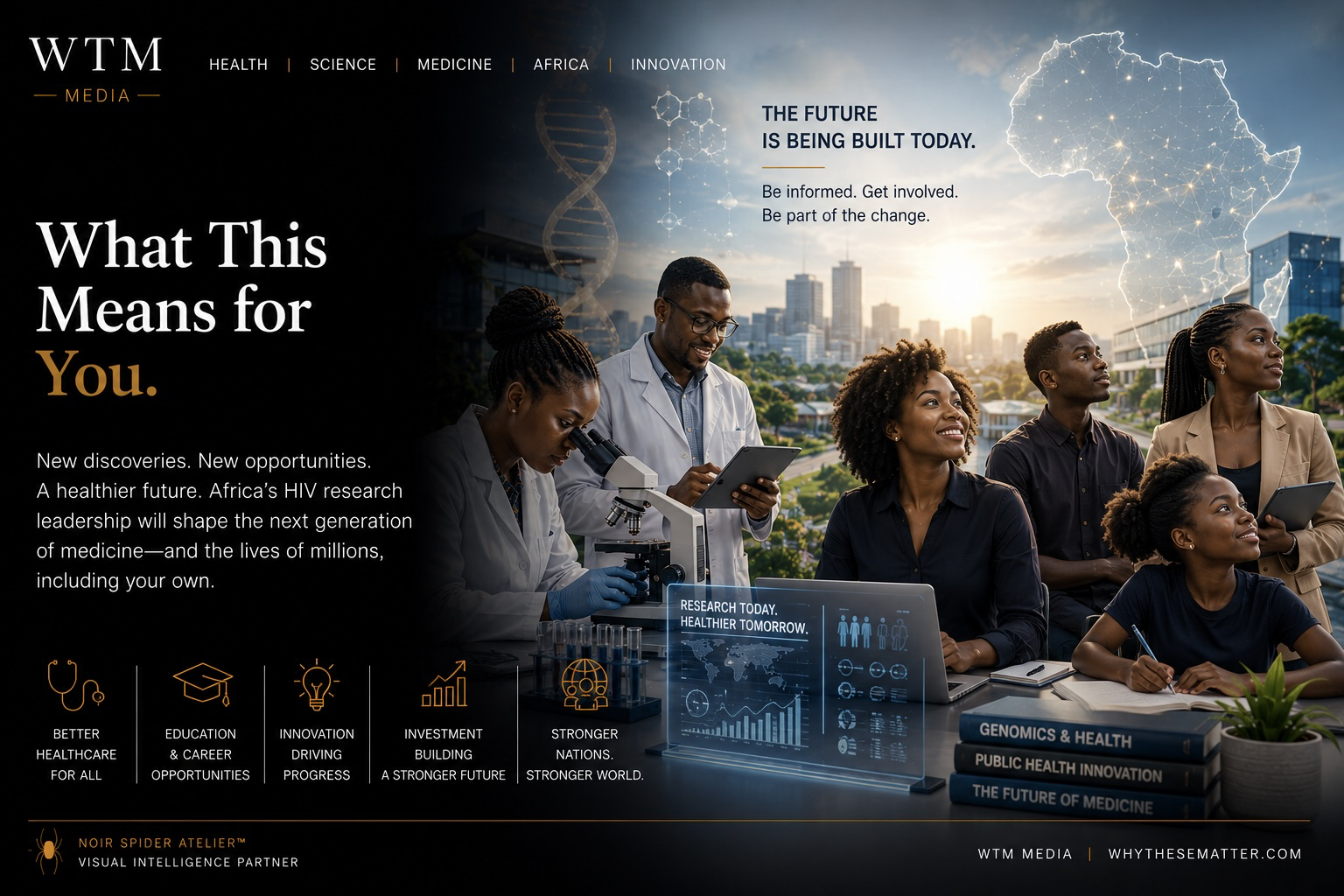
Scientific breakthroughs can feel distant from everyday life, particularly when they emerge from specialised laboratories and are discussed through technical language. Yet the systems being built around HIV research will influence far more than medicine. They will shape the quality of healthcare available to families, determine where investment flows, create new industries, and redefine which nations become centres of innovation during the coming decades. Understanding these shifts allows individuals to recognise structural change before it becomes obvious.
For healthcare professionals, Africa’s growing research leadership demonstrates that continuous learning is becoming as important as clinical expertise itself. Medicine is evolving through genomics, artificial intelligence, precision therapeutics, digital diagnostics, and personalised treatment. Physicians, nurses, researchers, pharmacists, and public-health practitioners who embrace interdisciplinary collaboration will be better positioned to deliver care in increasingly complex healthcare systems. The future clinician will need to understand data as comfortably as disease.
For students and young professionals, this transformation expands the definition of opportunity. Careers in biotechnology, biomedical engineering, computational biology, bioinformatics, pharmaceutical sciences, epidemiology, regulatory affairs, and health innovation are no longer concentrated within a handful of countries. As research ecosystems mature across Africa, they will require scientists, software engineers, designers, ethicists, entrepreneurs, legal specialists, manufacturers, and policy experts working together. The future of medicine will be built by multidisciplinary teams rather than isolated disciplines.
For governments, investors, and business leaders, the lesson is equally significant. Scientific research should no longer be viewed solely as a public-health expenditure. It is long-term economic infrastructure. Nations that invest consistently in universities, laboratories, manufacturing capacity, intellectual property, regulatory excellence, and scientific talent create ecosystems capable of attracting capital, generating high-value employment, and producing innovations with global commercial relevance. Every successful research institution strengthens multiple sectors simultaneously, from education and manufacturing to technology and finance.
For citizens, the editorial offers a broader perspective on resilience. Strong healthcare systems do not emerge during crises; they are constructed years beforehand through sustained investment in institutions, education, public trust, and scientific capability. Every new laboratory, research programme, scholarship, clinical trial, or international partnership contributes incrementally to a society’s ability to respond not only to today’s diseases, but also to tomorrow’s unknown challenges. Prevention begins long before the next outbreak appears.
Ultimately, this story reminds readers that innovation is not defined by geography, race, or historical assumptions. It is defined by curiosity, disciplined research, institutional support, and the willingness to solve difficult problems over long periods of time. Africa’s scientific momentum illustrates a broader truth: when nations invest patiently in knowledge, they do more than improve healthcare. They expand human possibility.
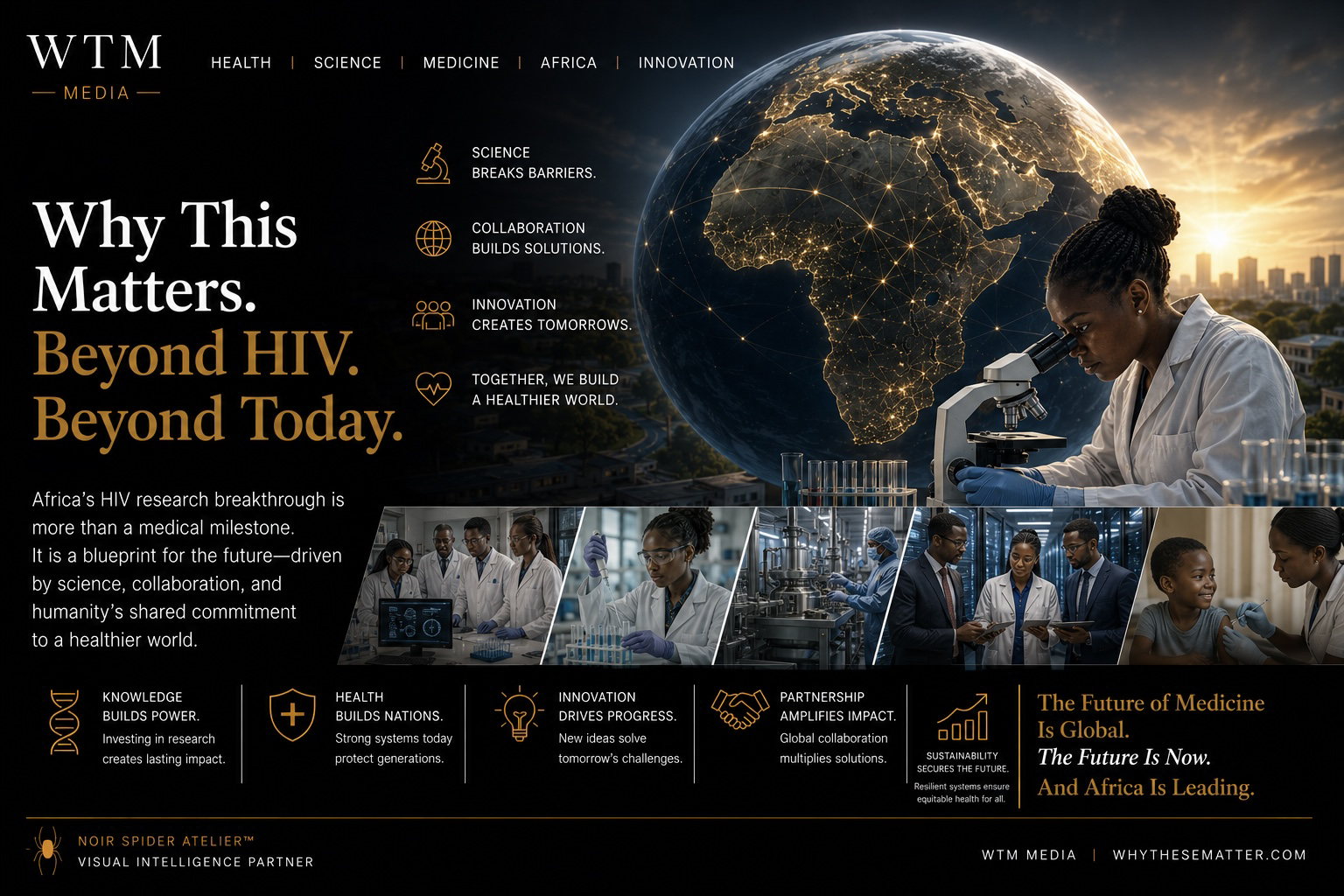
The story of HIV has always been larger than the virus itself. It has shaped public health, transformed medical science, influenced international diplomacy, accelerated pharmaceutical innovation, challenged legal systems, and redefined how societies think about stigma, prevention, and human dignity. Africa’s growing leadership in HIV research represents the next chapter in that story. It demonstrates that the future of global medicine will be written by a broader community of scientists than ever before, reflecting a more distributed and resilient scientific world.
This shift also challenges long-standing assumptions about where innovation originates. For generations, scientific authority was frequently associated with a relatively small number of institutions concentrated in wealthier nations. That concentration produced remarkable discoveries, but it also created structural imbalances in funding, manufacturing, intellectual property, and decision-making. As research excellence expands across Africa, Asia, Latin America, and other emerging centres of innovation, scientific leadership becomes increasingly collaborative rather than geographically concentrated. Humanity benefits when more minds contribute to solving shared problems.
The implications extend beyond healthcare. Scientific capability has become a strategic pillar of national prosperity. Countries that invest in research build far more than laboratories; they cultivate highly skilled workforces, strengthen universities, attract investment, encourage entrepreneurship, expand advanced manufacturing, and increase their influence within international institutions. In the twenty-first century, knowledge is becoming one of the world’s most valuable strategic resources. Nations that generate it will increasingly shape economic and geopolitical outcomes.
There is another lesson that transcends science altogether. Complex problems are rarely solved by isolated individuals or single breakthroughs. They are solved through institutions capable of sustaining curiosity across decades, supporting collaboration across borders, and investing patiently in people whose greatest discoveries may not emerge until years later. HIV research reminds us that progress is cumulative. Every experiment, every clinical trial, every published paper, and every generation of scientists builds upon the work of those who came before.
For WTM Media, this is ultimately a story about systems rather than medicine alone. Scientific discovery, education, governance, investment, technology, public trust, manufacturing, and international cooperation are not independent forces. They reinforce one another. When one part of the system becomes stronger, the entire ecosystem gains resilience. Africa’s growing research leadership illustrates how institutional investment compounds over time, producing benefits that extend far beyond the original challenge it was designed to address.
The next era of global health will not be defined solely by who discovers the next vaccine or develops the next therapy. It will be defined by which societies build the institutions capable of producing continuous innovation, responding rapidly to future crises, and ensuring that scientific progress reaches people equitably. Africa’s HIV research breakthrough is therefore more than an encouraging medical milestone. It is evidence that the architecture of global science is evolving, and that the future of innovation will belong not to those who possess the greatest resources alone, but to those who build the strongest systems for creating knowledge.
Visual Intelligence: Noir Spider Atelier™ — A Division of WTM Media
Editorial Direction: Kelly Dowd, MBA, MA
Copyright: © 2026 WTM Media. All rights reserved.

Why These Matter - WTM MEDIA is an independent editorial platform exploring the forces shaping our world—through people, culture, commerce, design, systems, and governance. Connecting the dots between today’s headlines and tomorrow’s realities.