Meryl Streep being named the greatest actress of the 21st century is less surprising than what the announcement reveals about Hollywood itself. Streep represents a fading era of performance rooted in theatrical discipline, literary depth, emotional intelligence, and institutional seriousness. At a time when entertainment ecosystems increasingly prioritise franchise scalability, algorithmic engagement, and short-form attention extraction, her career stands as evidence of what cinema once demanded — and what modern systems may be quietly abandoning.

Sheila Johnson is often introduced as the first Black female billionaire in America. What receives far less attention is how her wealth emerged not from inherited power or institutional protection, but from reinvention after exclusion. After co-founding BET with Robert Johnson, she was effectively pushed out of the very empire she helped build. Rather than collapse under displacement, she rebuilt herself through hospitality, sports ownership, real estate, film production, and strategic investments. Her story reveals how resilience, ownership, and diversification operate as survival mechanisms within systems historically structured against minority capital accumulation.

The presence of major American executives alongside President Donald Trump during high-level China engagements reveals a critical transformation in global power: multinational corporations are no longer merely economic actors. They are geopolitical participants. Executives from companies including Apple, Tesla, BlackRock, Qualcomm, and Boeing understand that the future global economy will be shaped not simply by markets, but by strategic negotiations between states, supply chains, artificial intelligence, semiconductors, and industrial dependency.

For decades, Anna Wintour has been mythologised as fashion’s ice queen — cold, difficult, elitist, and surgically demanding. Yet beneath the caricature sits one of the most influential systems architects in modern cultural history. Wintour did not merely edit magazines; she engineered aspiration, commercialised aesthetics, transformed celebrity into infrastructure, and helped convert fashion from an elite garment industry into a global political and economic machine. Her story is not about personality. It is about institutional endurance in an era increasingly hostile to standards, gatekeeping, and disciplined taste.

Actress, comedian, and activist Alison Arngrim is executing one of the most strategically intelligent legacy reinventions in modern entertainment. Best known globally as Nellie Oleson from Little House on the Prairie, Arngrim has transformed a decades-old television character into a multi-platform commercial ecosystem spanning film, live theatre, publishing, advocacy, and beauty. Her latest independent feature film, Buster Brooks, combined with the launch of “Bonnethead Beauty,” reveals a broader shift occurring across Hollywood: the future of entertainment increasingly belongs not to fleeting celebrity, but to enduring intellectual property capable of transcending medium, generation, and market cycles.

The dominant narrative around artificial intelligence focuses on speed—faster tools, faster outputs, faster innovation. This framing is misleading. The real shift is not acceleration but substitution. AI is not simply enhancing human capability; it is systematically reducing the need for it. This editorial examines how technological systems are being designed not to collaborate with humans, but to outperform and ultimately replace them, and why the most significant changes are occurring quietly, beneath the surface of public attention.

2025/26 is the 45th anniversary of the hit series "Hart to Hart.” Still working as an actress on stage as Anna in “The King and I,” and Norma Desmond in “Sunset Boulevard,” as well as “On Golden Pond,” Stefanie considers her greatest achievement the founding of the William Holden Wildlife Foundation, now approaching its 45th anniversary. Stefanie Powers was recently inducted into the prestigious list of "Agents Of Change" and honoured for her efforts with the William Holden Wildlife Foundation, at the United Nations for Inspiring Others: Sharing her wisdom and experiences to motivate and empower others to pursue their dreams and make a larger-scale impact on society through the William Holden Wildlife Foundation, Leaving a Legacy: Documentation of her journey and contributions as a lasting resource that ignites a passion for positive change. Reaching Wide Audience: Her delivering her message to a global audience.

A generational force at the intersection of horror, human psychology, and creative longevity positions for one of the most commercially and culturally significant milestones in film history. Hollywood speaks about diversity. It rarely executes it—especially when it comes to age. Wallace has bypassed the conversation entirely.

AI-powered hiring has moved from experiment to standard practice at some of the largest employers in the United States. For the professionals navigating this system, the results are measurable: thousands of applications, hundreds of rejections, and a job search process that rewards volume over substance. These systems carry embedded biases, operate without meaningful transparency, and create access barriers that disproportionately harm graduates and professionals from lower-income and underrepresented backgrounds. Higher education institutions must respond through curriculum reform, career services redesign, and active advocacy for algorithmic accountability.

The contemporary home appears stable—clean lines, maintained lawns, controlled interiors—yet this visual order masks a growing systemic fragility. Ownership is no longer defined by control, but by dependency on networks of labour, materials, insurance, finance, and infrastructure that are increasingly volatile. The house has not failed; the systems required to sustain it are under strain. What looks like security is, in reality, continuous negotiation with instability.

A defining American story of breakthrough, survival, and representation arrives at the precise moment it is most needed. Her debut as the first African American Rockette, notably on a national stage during the Super Bowl XXII Halftime Show, did more than diversify a chorus line—it disrupted a system. It forced one of the most visible cultural institutions in America to reconcile its aesthetic ideals with its social realities. Jones did not simply join the Rockettes. She altered the architecture of who was allowed to belong.

The contemporary living room is no longer a neutral domestic space; it is a behavioural system engineered to capture attention, suppress movement, and normalise passive consumption. What appears as elegant interior design is, in practice, a convergence of architecture, media infrastructure, and psychological conditioning. The consequence is not merely aesthetic—it is civilisational. We have not just redesigned rooms; we have redesigned how humans inhabit time, attention, and one another.

58 Years Inside the System. One Story That Reframes Power, Trust, and the Future of News. From the birth of 24-hour news at CNN to decades on the front lines of Los Angeles broadcasting, Eisner did not merely report the story—he stood inside it, shaping how millions understood crisis, celebrity, justice, and truth.

FluorSpar sits at the base of critical supply chains powering semiconductors, electric vehicles, and nuclear energy. China controls over 60% of global production, while the highest-purity deposits are concentrated in geopolitically constrained regions such as Iran. This concentration creates structural vulnerabilities across advanced industries. As nations attempt to rebalance supply, the challenge is no longer access alone, but the misalignment between resource control and industrial dependency — a gap that is increasingly shaping global power.

Bestselling Author Nelson Aspen Completes his Acclaimed “Dancing Between The Raindrops” Trilogy with Final Installment, Happily Ever After? A star-studded, semi-autobiographical saga spanning Hollywood, Broadway, and the enduring search for reinvention and love.
The Supreme Court’s May 2026 ruling does not dismantle the Voting Rights Act in name, yet it recalibrates its force in practice. By narrowing how race may be considered in redistricting, the Court has shifted the terrain from access to translation—where the right to vote endures, but the ability of that vote to shape representation becomes increasingly uncertain. What emerges is not a return to Jim Crow in its historical form, but a more sophisticated system of political dilution: one built through maps, metrics, and legal thresholds that are difficult to prove and even harder to reverse. This editorial examines how the architecture of democracy is being redesigned in real time, and why the future of American voting power may depend less on ballots cast than on how those ballots are structured to matter.

The prospect of global war is often analysed through military capability and geopolitical alignment, yet its most immediate and enduring consequences are human. Markets may react, reprice, and eventually attempt recovery, but people absorb the collapse in real time. The growing risk of a large-scale global conflict exposes a deeper fragility within the modern economic system: prosperity is not resilient—it is contingent on peace. As supply chains fracture, energy systems are weaponised, and financial infrastructure becomes a target, the assumption that markets can withstand systemic shock begins to unravel. This editorial reframes the threat of global war not as a distant geopolitical scenario, but as a human crisis embedded within economic collapse—where survival, dignity, and stability are no longer guaranteed, and where the cost of failure is measured not in indices, but in lives.

The cancellation of concerts following credible threats is not merely a disruption to entertainment; it is a signal of deeper systemic strain within democratic societies. Music has historically functioned as a vehicle for dissent, identity, and collective expression, yet in an era defined by political polarization, digital amplification, and heightened insecurity, even artistic performance has become vulnerable to intimidation. When artists withdraw under threat, the loss extends beyond the stage—it reshapes the boundaries of cultural expression and public discourse. This editorial examines how threats against musicians expose the fragility of freedom of expression, how economic and security pressures accelerate self-censorship, and why the silencing of cultural voices reflects broader tensions within modern democracy.

Fashion shows are no longer peripheral spectacles of aesthetic display; they have evolved into structured platforms for cultural transmission, economic participation, and global dialogue. As globalisation compresses distance, the runway has become a site where heritage is not only presented but negotiated, reinterpreted, and sustained across generations. Each garment operates as a vessel of memory, identity, and craft, carrying narratives that transcend geography while resisting erasure. What appears as performance is, in fact, infrastructure—a system through which cultures communicate, economies activate, and identities persist. This editorial reframes fashion not as an industry of trends, but as a living architecture of human expression, where every stitch encodes history and every stride extends cultural continuity into the future.

Silence has become the rarest condition in modern civilisation, not because it has disappeared, but because it has been designed out of the environments in which people live, work, and think. Cities optimise for movement, platforms optimise for engagement, and systems optimise for constant input, creating a world where noise is not incidental but structural. Within this architecture, stillness is misread as inactivity and silence is mistaken for absence, when in fact it represents the highest form of cognitive and emotional alignment. Silence is not a void; it is a deliberate state in which perception sharpens, intention clarifies, and understanding consolidates. This editorial reframes silence as a designed intelligence—an intentional counter-architecture to a world engineered for distraction—revealing that what is often avoided is, in reality, the condition through which clarity, presence, and coherent decision-making become possible.

Media is often perceived as a reflection of culture, yet in practice it functions as a product of ownership, capital, and controlled distribution systems that determine which narratives achieve visibility and which remain unseen. From platforms such as BET+ to conglomerates like Paramount Global, storytelling is shaped not only by creative intent but by economic incentives, platform algorithms, and strategic priorities that filter what audiences encounter at scale. This structure does not overtly dictate content, but it quietly establishes the boundaries within which narratives are produced, funded, and amplified. As a result, culture is not simply expressed through media—it is curated, prioritised, and, at times, constrained by the systems that govern it. This editorial reframes media consumption as participation within a designed ecosystem, where understanding ownership is essential to understanding the stories people believe, the perspectives they adopt, and the reality they perceive.

Volatility in crypto markets is routinely misinterpreted as instability, yet this reading reflects a misunderstanding of the system’s underlying design rather than a flaw in its performance. Digital assets such as Bitcoin operate within a decentralised architecture intentionally built without central control, liquidity guarantees, or stabilising authorities, resulting in price behaviour that is not erratic but structurally consistent with its design logic. Fragmented liquidity, leverage-driven speculation, and rapid sentiment shifts are not external distortions imposed on the system; they are emergent properties of a network that prioritises openness, autonomy, and permissionless participation over equilibrium. This editorial reframes crypto volatility not as a market anomaly, but as a designed outcome—one that reveals how architecture dictates behaviour. By examining how macroeconomic forces amplify these dynamics and how market participants misread them, the piece exposes a deeper truth: the system is not unstable—it is operating exactly as it was designed to function, and misunderstanding that design leads to flawed strategies, misplaced expectations, and costly misjudgements.

The metaverse has been prematurely labelled a failure following tens of billions in losses, yet this conclusion reflects a misreading of innovation cycles rather than a flaw in the underlying concept. The disconnect lies in timing—between technological capability, consumer behaviour, and economic infrastructure. Capital moved ahead of readiness, pricing in a future that had not yet materially formed. As a result, what collapsed was not the vision, but the expectation of immediate viability. This pattern is not new; it reflects a recurring structural dynamic in which markets overestimate short-term transformation while underestimating long-term inevitability. This editorial examines how capital allocation, hype cycles, and behavioural inertia converged to distort the metaverse narrative, and why the concept remains not only intact, but structurally inevitable—waiting for alignment rather than reinvention.

Artificial intelligence is often presented as a triumph of engineering and computational scale, yet its true foundation is neither autonomous nor purely technical. It is built continuously, incrementally, and globally through human interaction that is largely unrecognised and uncompensated. Every click, correction, upload, and behavioural signal contributes to the training and refinement of AI systems, forming a vast, distributed layer of labour embedded within everyday digital life. This labour is not formally acknowledged, yet it generates immense value for platforms that aggregate, structure, and monetise it. The result is a quiet inversion of traditional economic models: users are no longer merely consumers, but active contributors to production—without ownership, compensation, or control. This editorial examines how data functions as labour, how platforms extract value from participation, and why the economic architecture of artificial intelligence raises fundamental questions about fairness, ownership, and the future of human agency in digital systems.

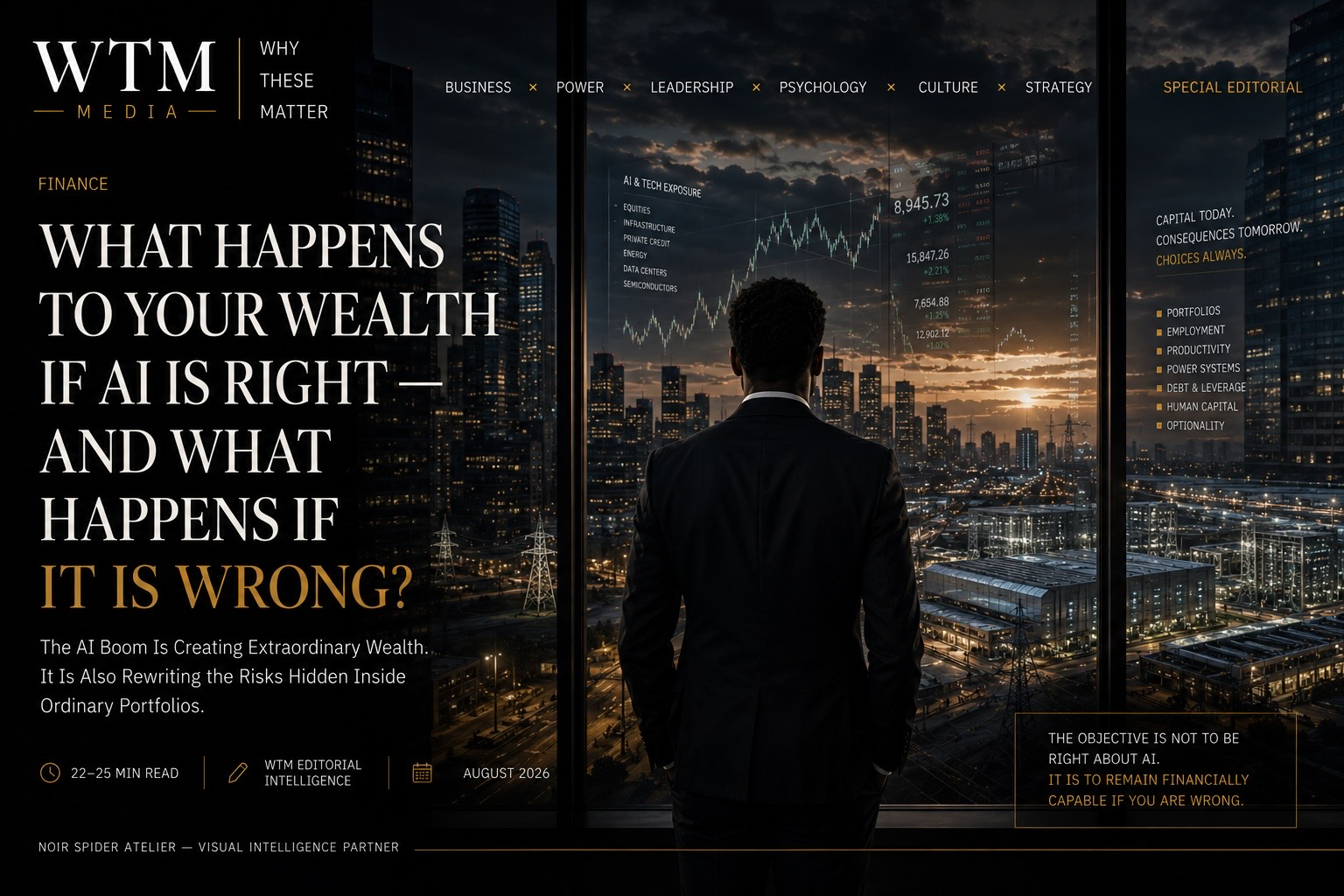
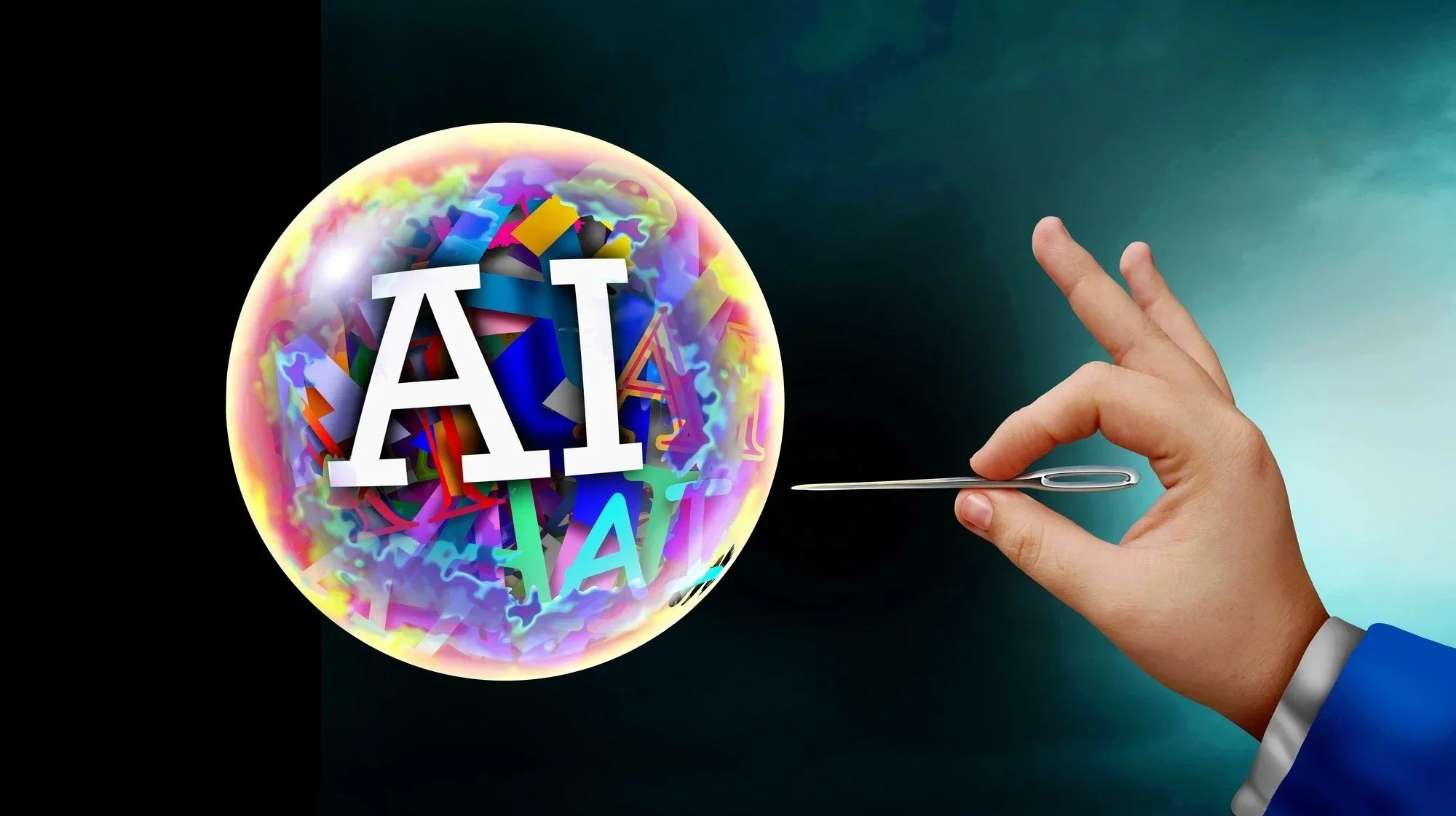
Artificial intelligence is not a speculative concept; it is a transformative force already reshaping industries, infrastructure, and human capability. Yet the financial behaviour surrounding it reveals a familiar and recurring dislocation between technological reality and market expectation. The rapid valuation ascent of companies such as NVIDIA signals not only confidence in AI’s future, but a compression of that future into present-day pricing. This compression introduces structural tension, where capital markets begin to reward anticipated outcomes long before underlying systems, adoption cycles, and revenue models have fully matured. As investment concentrates and narratives accelerate, the question is no longer whether AI will change the world, but whether markets have mispriced the timeline of that change. This editorial examines the widening gap between innovation and valuation, arguing that the risk is not technological failure, but financial overextension built on premature certainty.

Diplomacy has long been framed as a mechanism for negotiation and de-escalation, yet in today’s geopolitical landscape it increasingly functions as a calculated instrument of signalling, leverage, and controlled escalation. Actions such as ambassador expulsions, staged negotiations, and strategically timed public statements are no longer solely aimed at resolution; they are designed to shape perception, influence markets, and reposition power without direct confrontation. This evolution reflects a deeper transformation in global strategy, where diplomacy operates not as a counterbalance to conflict but as an extension of it—subtle, deliberate, and often performative. This editorial examines how diplomatic behaviour has shifted from quiet negotiation to visible theatre, and how this shift reshapes the boundaries between stability and escalation in an increasingly fragile international system.

In the modern information environment, narratives are no longer passively reported; they are actively engineered, optimised, and distributed at scale. Social platforms, algorithmic incentives, and the speed of digital communication have created systems where misinformation is not an exception but an emergent property of design. Content that provokes, simplifies, or distorts is rewarded with reach, while verified reporting competes at a structural disadvantage. As geopolitical narratives circulate globally within seconds, perception itself becomes a contested domain—shaping decisions, behaviours, and belief systems before facts can stabilise. This editorial reframes misinformation not as failure, but as function: a byproduct of an attention economy where influence is measured in engagement, and where people are no longer just audiences, but endpoints of strategic narrative deployment.

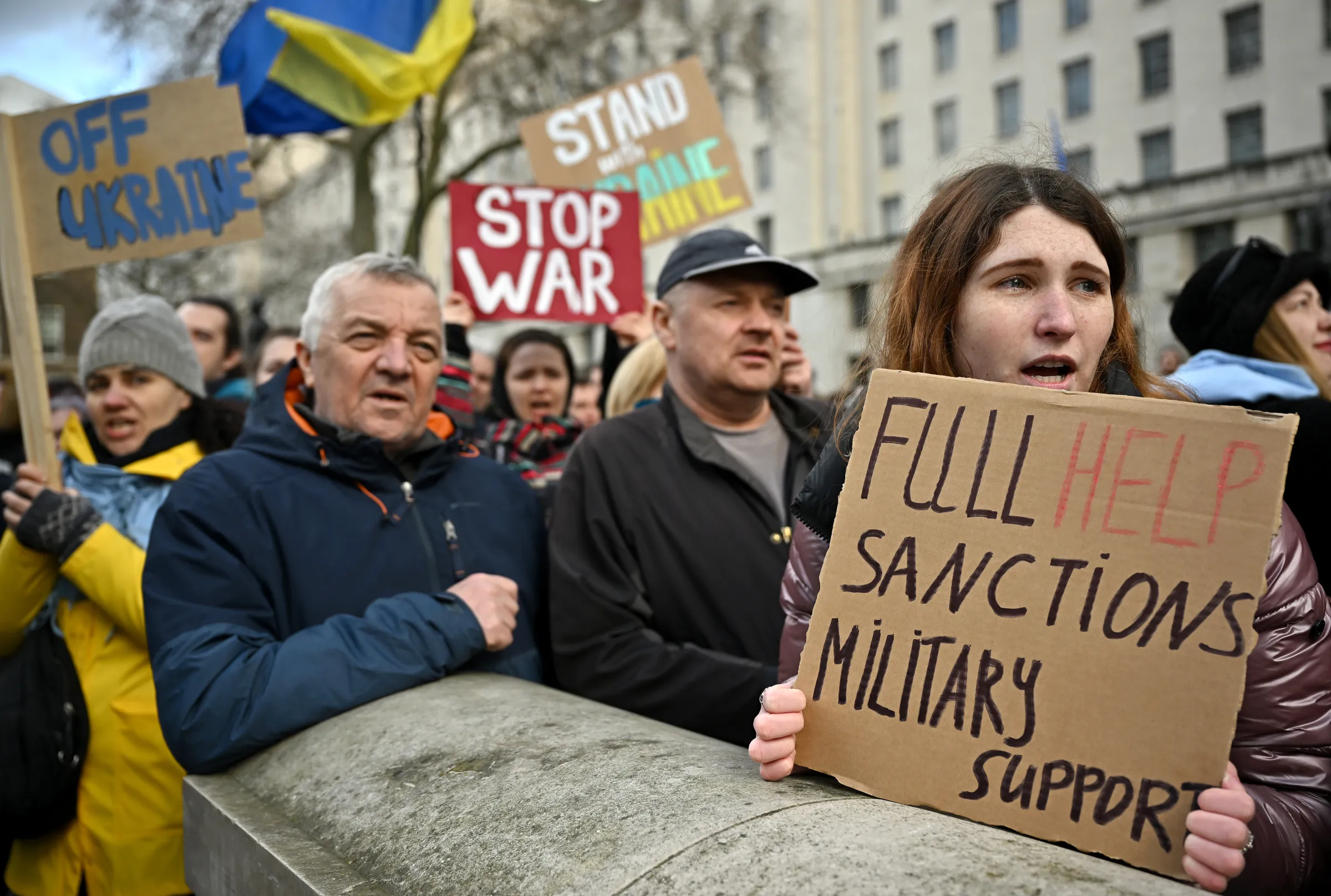
Sanctions were designed as instruments of control, intended to constrain behaviour by restricting access to markets, capital, and trade. In practice, however, they have evolved into catalysts for systemic adaptation. From Iran’s shadow oil networks to Russia’s rerouted exports, modern sanctions have not halted economic activity—they have reconfigured it into parallel systems operating with reduced transparency and increased complexity. Enforcement gaps, logistical innovation, and financial engineering have allowed trade to persist beyond traditional oversight, creating a fragmented global economy where visibility diminishes as resilience increases. What was once a tool of pressure is now a mechanism of redirection, reshaping global flows rather than stopping them. This editorial examines how sanctions are no longer containing systems—but decentralising them.

War is widely understood as destruction, yet its most enduring function is redistribution—not of territory alone, but of value, power, and consequence. In energy markets, conflict does not erase economic activity; it reroutes it, often concentrating financial gains among a narrow set of actors while dispersing cost across populations. Russia’s sustained oil revenues amid sanctions and geopolitical tension expose a deeper structural truth: instability is not merely tolerated by the system—it is frequently rewarded within it. As commodity pricing adjusts, sanctions leak, and global demand persists, the financial architecture of conflict reveals itself with clarity. This editorial reframes war not as an isolated event, but as an economic mechanism—one in which markets adapt, profits persist, and people, far removed from decision-making centres, absorb the immediate and enduring consequences.

War is often framed as destruction, yet its most consistent function is redistribution—of capital, influence, and economic advantage. Within global energy markets, conflict does not eliminate value; it redirects it, often concentrating gains among producers, intermediaries, and opportunistic markets while dispersing cost across the broader global economy. Russia’s sustained oil revenues amid sanctions and geopolitical tension reveal a structural reality that is rarely confronted directly: instability is not merely a disruption to markets—it is, for some actors, a source of profit. As commodity prices adjust, sanctions leak through adaptive trade networks, and demand remains inelastic, the system reveals its underlying logic. This editorial examines how global energy dependence, pricing elasticity, and enforcement limitations combine to create financial winners during periods of conflict, exposing a system that continues to reward volatility more reliably than stability.

War is often framed as destruction, yet from a design perspective, it functions more precisely as a reconfiguration of systems. In energy markets, conflict does not eliminate value; it redirects flows, reshapes incentives, and exposes the underlying architecture governing power and profit. Russia’s sustained oil revenues despite sanctions reveal that instability is not a failure of the system but an expression of how it is designed to adapt under pressure. Commodity pricing adjusts, supply routes reorganise, and enforcement gaps evolve into new pathways for capital. What emerges is not chaos, but a redesigned system—one that continues to reward actors positioned to navigate disruption. This editorial reframes war as a form of systemic design under stress, where constraints reveal structure, and where the distribution of value reflects the logic embedded within the system itself.

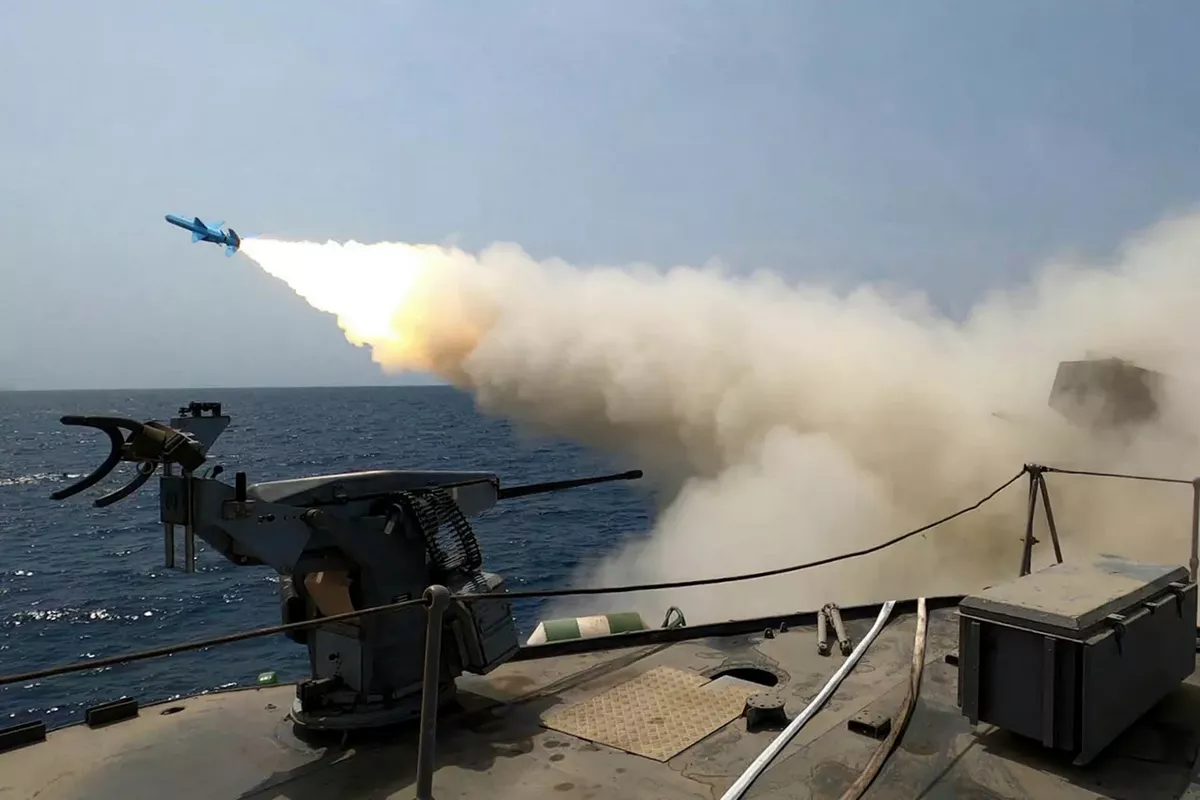
Energy has moved beyond the realm of commerce into the architecture of power, where pricing, routing, and financial structuring operate as instruments of geopolitical influence rather than neutral market functions. Iran’s sustained oil exports to China under Western sanctions, alongside escalating tensions with the United States, reveal a system no longer defined by open conflict but by strategic manoeuvring within markets themselves. Transactions are rerouted, currencies are bypassed, and enforcement mechanisms are quietly tested, creating a form of undeclared confrontation that unfolds without formal escalation. What emerges is not instability, but recalibration—a restructuring of global power that rewards those who can operate within and around constraints. This editorial reframes energy not as a commodity, but as leverage: a system where influence is exercised through flows, finance replaces force, and the battlefield has dissolved into the infrastructure of the global economy.

Energy has evolved beyond its traditional role as a traded commodity into a strategic instrument of geopolitical influence, where pricing, routing, and financial structuring function as tools of power rather than neutral market mechanisms. Iran’s continued oil exports to China under Western sanctions, coupled with escalating tensions involving the United States, reveal a form of undeclared conflict that operates through supply chains and financial systems rather than direct confrontation. What emerges is not a breakdown of global order, but a quiet restructuring of it—where sanctions are bypassed, alliances are recalibrated, and energy flows become channels of leverage. This editorial reframes sustainability not as an environmental ideal alone, but as a question of systemic resilience: in a world where energy is weaponised, true sustainability demands independence from fragile, politically charged infrastructures that can be disrupted, redirected, or controlled at will.

Energy is no longer merely traded; it is orchestrated as leverage. Pricing, routing, and financial structuring have evolved into instruments of influence that quietly reshape global power without formal declarations of conflict. Iran’s continued oil exports to China under Western sanctions, alongside rising tensions with the United States, reveal a new form of confrontation—one that operates through markets, contracts, and strategic ambiguity rather than visible warfare. Yet while states recalibrate power through these mechanisms, the consequences do not remain abstract. They materialise in inflation, employment instability, and shifting cost structures that directly affect people. This editorial reframes energy not as a commodity, but as a control system—one where geopolitical strategy is executed through economic channels, and where human lives absorb the immediate and lasting impact of decisions made far beyond their reach.

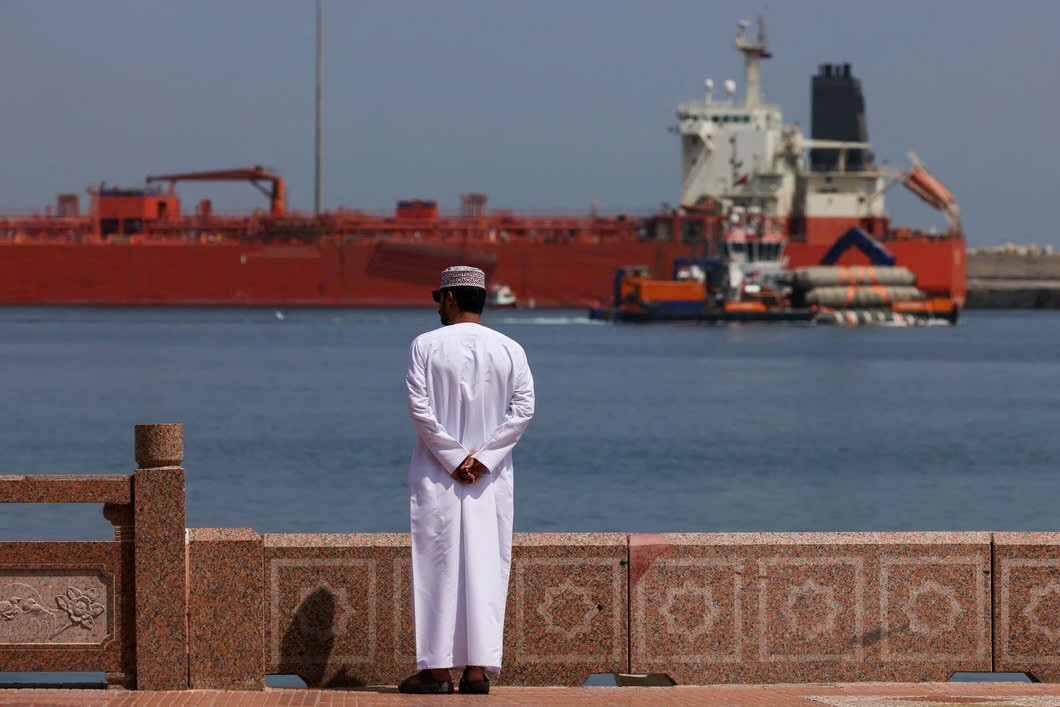
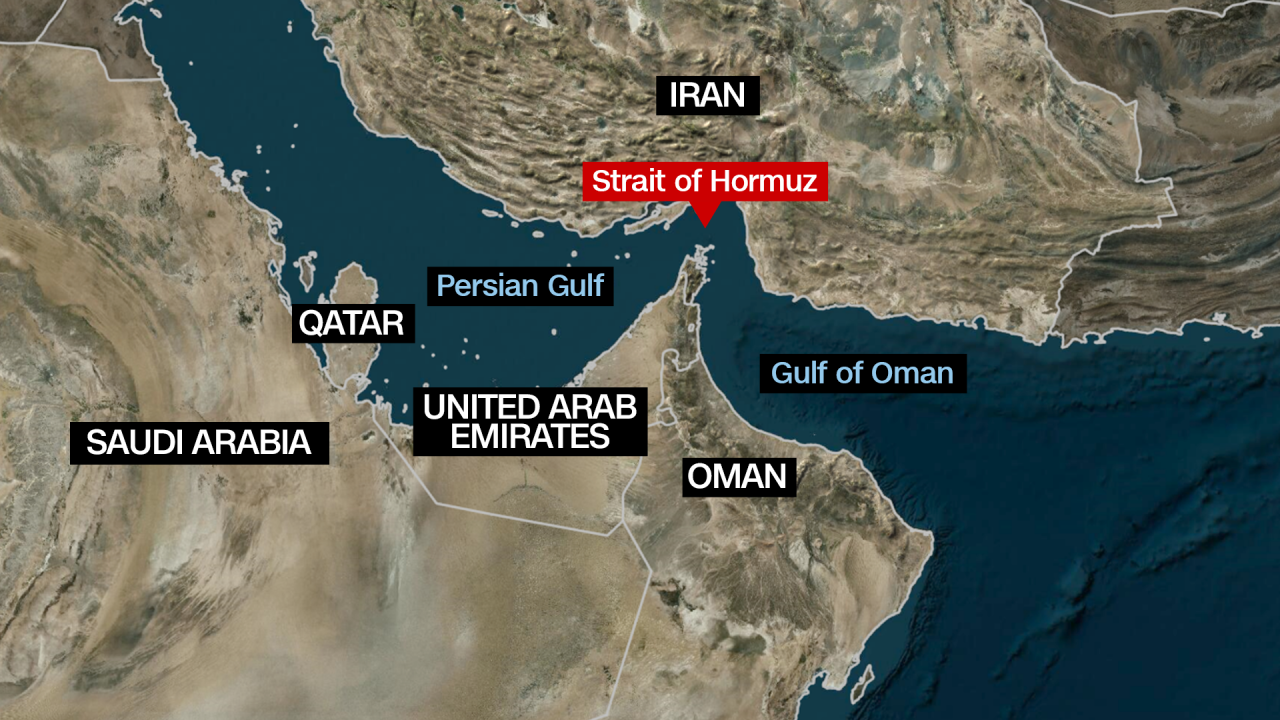
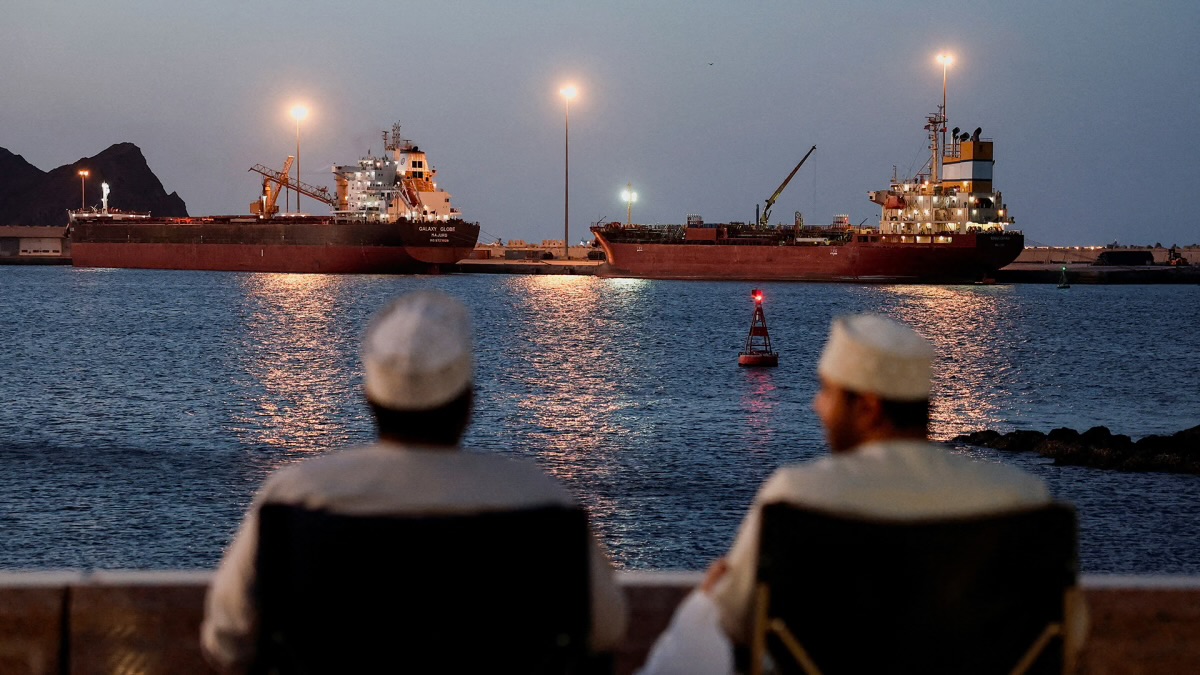
The global energy system is often analysed through the lens of markets, policy, and geopolitics, yet its most immediate consequences are human. Nearly one-fifth of the world’s petroleum supply moves through the narrow Strait of Hormuz, creating a structural dependency that quietly shapes the cost of living, employment stability, and daily survival across continents. As Iran continues to export oil to China under sanctions, and geopolitical tensions recalibrate enforcement, alliances, and risk perception, the illusion of stable energy flow begins to fracture—not in abstract charts, but in real lives. Rising fuel costs, disrupted supply chains, and economic volatility do not arrive evenly; they cascade first into households, communities, and vulnerable populations. This editorial reframes the Strait of Hormuz not as a distant geopolitical corridor, but as a human pressure point—where systemic fragility translates into lived consequence, and where global decisions quietly determine how millions experience stability, scarcity, and survival.

The architecture of the global energy system is built on a quiet but dangerous concentration: nearly one-fifth of the world’s petroleum supply moves through a single, narrow maritime corridor—the Strait of Hormuz. This is not merely a logistical convenience; it is a structural dependency that exposes how fragile the illusion of energy stability truly is. As Iran continues to channel oil to China under the constraints of sanctions, and as geopolitical tensions subtly reshape alliances, enforcement mechanisms, and market expectations, the assumption of uninterrupted energy flow begins to fracture. What appears to be a resilient, globalised system is, in fact, a tightly wound network of chokepoints, adaptive trade routes, and political signalling—each capable of amplifying disruption. This editorial reframes the Strait of Hormuz not as geography, but as infrastructure risk: a single corridor where efficiency has outpaced resilience, and where even minor instability can cascade into global economic shock.

The global energy system rests on a critical but underexamined vulnerability: nearly one-fifth of the world’s petroleum supply moves through a single, narrow maritime corridor—the Strait of Hormuz. This concentration is not simply a logistical detail; it is a structural dependency that exposes the fragility beneath the appearance of stability. As Iran sustains oil flows to China despite sanctions, and geopolitical tensions continue to recalibrate alliances and enforcement limits, the illusion of secure, uninterrupted energy supply becomes increasingly untenable. What appears to be a resilient global system is, in reality, a finely balanced network shaped by chokepoints, political signalling, and adaptive trade mechanisms. This editorial reframes the Strait of Hormuz not as a distant geographic feature, but as a central pressure valve of the global economy—where efficiency has been prioritised over resilience, and where even minor disruptions can cascade into systemic consequences.

War is widely understood as destruction, but less examined as redistribution. In energy markets, conflict does not eliminate value—it shifts it. Russia’s continued oil revenues amid sanctions and geopolitical tension reveal a deeper structural truth: instability is often economically profitable for specific actors. This editorial examines how commodity pricing, sanctions leakage, and global demand create financial winners in times of conflict, and why the system continues to reward disruption more than stability.

Energy has evolved from a traded commodity into a strategic instrument of influence, where pricing, routing, and financial structuring function as tools of power. Iran’s continued oil exports to China under Western sanctions, alongside escalating tensions with the United States, reveal a new form of undeclared conflict that operates through markets rather than battlefields. This editorial examines how energy flows are being weaponised, how financial systems are being bypassed, and how global power is being restructured without formal confrontation.

Roughly one-fifth of the world’s petroleum liquids pass through a single maritime corridor—the Strait of Hormuz—making it one of the most critical and vulnerable chokepoints in the global economy. As Iran continues to export oil to China under sanctions and geopolitical tensions intensify, the assumption of stable energy flows is increasingly exposed as a structural illusion. This editorial examines how concentrated infrastructure, political signalling, and market dependency combine to create a system that is efficient, but deeply fragile.

The modern information system is no longer organised around accuracy as its primary objective; instead, it is structured around speed, visibility, and engagement. The concept of “breaking news” has evolved from a journalistic alert into an economic mechanism designed to capture attention at scale. This editorial examines how compressed news cycles, platform incentives, and algorithmic amplification have created an environment in which reaction consistently outpaces verification, ultimately reshaping how societies perceive reality and make decisions.

Targeted killings of national leaders are often framed as decisive solutions to security threats. History and deterrence theory suggest the opposite. This editorial examines the strategic logic behind leadership “decapitation” strikes, why they rarely dismantle nuclear programmes, how they alter escalation incentives, and what this means for global stability in an age of high-precision warfare and low-trust diplomacy.

The Prince Andrew controversy is often framed as a personal scandal. That framing misses the structural issue. This editorial examines how hereditary institutions manage reputational crises, the tension between tradition and transparency, and why modern legitimacy depends less on image control and more on governance discipline.

A high-profile incident involving a Tourette’s activist shouting a racial slur at a major cultural event triggered predictable waves of outrage and defence. Most commentary has missed the deeper issue. This editorial examines involuntary speech disorders, moral responsibility, media amplification, and the structural weaknesses in how modern societies process harm in real time.

Public fascination with Epstein-related investigations, depositions, and political figures has become an ecosystem of perpetual outrage. This editorial examines how scandal monetisation distorts accountability, how media amplification reshapes due process, and why institutional transparency—not viral insinuation—is the only sustainable path to justice.

Nigeria’s industrial resurgence is often framed as the vision of a single billionaire industrialist. That narrative is incomplete. This editorial examines the structural constraints shaping Nigeria’s manufacturing future — power reliability, port efficiency, transport corridors, foreign exchange stability, and regulatory credibility — and argues that industrialisation will succeed or fail not on ambition, but on systems coherence.

Court victories clearing the way for automatic federal student loan discharges are being framed as borrower relief stories. They are more consequential than that. This editorial examines what these rulings reveal about administrative capacity, economic stimulus mechanics, credit systems, and the long-term credibility of federal governance.

Targeted killings of national leaders are often framed as decisive solutions to security threats. History and deterrence theory suggest the opposite. This editorial examines the strategic logic behind leadership “decapitation” strikes, why they rarely dismantle nuclear programmes, how they alter escalation incentives, and what this means for global stability in an age of high-precision warfare and low-trust diplomacy.

At the intersection of brain chemistry and human longing, intimacy between men reveals a landscape of vulnerability, reward, and identity. This article delves into how neural circuits, hormonal dynamics, and psychological frameworks undergird male-male intimacy—why it matters, why it unsettles, and why it offers one of the deepest paths to self-knowledge and human connection. By combining neuroscience, endocrinology, and relational psychology, this piece argues that male intimacy is not a peripheral luxury but a core human imperative: a frontier where biology and spirit collide.

AI is reshaping medicine from diagnostic tool to empathic collaborator — a transformation that redefines care, ethics, and the essence of healing itself.

Across alliances, borders, and institutions, power is increasingly exercised without trust. This article examines how legitimacy—not military strength or economic size—has become the decisive variable in global stability, and why its erosion now threatens international order.

The United States is now in an stress-test phase. Institutions are probing where the edges are: who qualifies as a journalist, what constitutes reporting versus participation, and when observation becomes involvement. These questions are not new, but the stakes are higher than they have been in decades. This article examines how the First Amendment becomes vulnerable not through overt repeal, but through procedural drift—and why this moment matters for the future of democratic accountability.

On February 8, 2026, Bad Bunny — Benito Antonio Martínez Ocasio — stood at Levi’s Stadium in Santa Clara, California and delivered what will likely be remembered as one of the most consequential Super Bowl halftime performances of the 21st century. More than a show, it was a statement of identity, belonging, and cultural force — a moment where music intersected with global discourse and collective self-recognition

Racial colour was engineered, formalised, and institutionalised over centuries, and it continues to shape how people of African descent understand themselves and one another across continents, often to their own detriment.

For the past two decades, business has lived under a spell — the belief that technology is the ultimate disruptor. We’ve worshipped at the altar of innovation, measuring success by how quickly we could automate, digitise, and optimise. Tech has indeed changed the way we live, work, and connect. But here’s the inconvenient truth: In the next decade, technology won’t be the competitive advantage. Trust will.

Christchurch is not a city that performs for visitors. It does not overwhelm with spectacle, nor does it curate itself for instant gratification. Instead, it reveals itself slowly—through land, infrastructure, history, and conversation. That becomes clear the moment you sit down, coffee in hand, in the gardens of Chateau on the Park and begin talking to someone who has lived the city from the inside. Christchurch is often described as the most “English” city in New Zealand, but that shorthand misses what actually defines it. This is a city shaped by settlement decisions, seismic consequences, social memory, and resilience under pressure. It is flat because it was built on swamp land. It is orderly because it inherited British systems. It is cautious because it has been physically broken before. You don’t understand Christchurch until you understand what it has endured—and how it continues to function anyway.

The arrest of a high-profile journalist is not an isolated legal event. It is a systems signal. This editorial examines the growing global pattern of prosecuting journalists under the guise of law enforcement, the erosion of First Amendment protections in practice, and why democratic societies fail when witnessing becomes a punishable act.

On March 21, Naples, Florida will host TEDx Naples—one of thousands of independently organised TEDx events held globally each year. On the surface, that might not sound remarkable. TEDx events are common. Many are forgettable. Some are performative. A few are genuinely consequential. This one has the potential to be the latter. At a time when public trust in institutions is low, civic dialogue is fragmented, and leadership conversations are increasingly reduced to slogans, TEDx Naples is positioning itself not as entertainment, but as a forum for adult thinking—about responsibility, justice, resilience, and what it means to lead in a world shaped by consequence rather than applause. This editorial explains why this particular TEDx event matters, what differentiates it from the broader TEDx ecosystem, and why its timing—and location—are not incidental.

What looks like cultural chaos—celebrity outrage cycles, travel exhaustion, and climate anxiety—is actually one interconnected signal. Entertainment, mobility, and climate stress now operate as a single feedback loop, revealing how systemic overload shows up first in culture before it appears in policy or economics.

As Arctic ice retreats, Greenland has shifted from geographic periphery to strategic center. Climate change is exposing new shipping routes, military corridors, and critical mineral reserves—placing Greenland at the intersection of great-power competition, environmental collapse, and unresolved questions of sovereignty and self-determination.

The decline in civility, comfort, and behaviour in modern air travel is not a cultural mystery. It is the direct outcome of economic and regulatory decisions made over decades. Airline deregulation reshaped pricing, capacity, and incentives—and in doing so, fundamentally altered how people behave in shared spaces.

Modern airports have become one of the clearest indicators of how contemporary systems treat people. From overcrowded terminals to passengers sleeping on floors, today’s flying experience exposes the cumulative effects of deregulation, economic inequality, infrastructure strain, and institutional indifference.

The collapse of Antarctica’s Thwaites Glacier is no longer a distant climate abstraction. It is a systems-level risk with direct implications for coastal cities across the Pacific and Atlantic—reshaping where humans can safely live, insure property, and build futures. This editorial traces the science, the timelines, and the urban consequences—grounded in empirical research and geopolitical reality.

Gavin Newsom and Donald Trump’s clash is not just a political rivalry but a mockery war—revealing how spectacle, satire, and strategy shape democracy’s future.

Buckingham Palace’s decision to strip a royal of titles is not a scandal — it is a system recalibrating itself in public view. What this moment teaches us about ethics, identity, and institutional evolution.

The U.S. Supreme Court’s reinstatement of restrictions on gender-inclusive passports has reignited a quiet crisis of belonging. It is not simply about travel. It is about who decides the architecture of identity—and whether selfhood must pass through permission.

In a multipolar world, power and influence are no longer separate. Their interdependence defines global politics—reshaping alliances, narratives, and the logic of survival.

Across the globe, nuclear energy provides nearly 10% of electricity. For nations lacking oil or gas, it is lifeline. For those seeking climate goals, it is low-carbon bridge. France relies on nuclear for stability. Japan, despite Fukushima, reopens reactors. Developing nations look to nuclear as promise of modernisation.

AI is becoming the ultimate political weapon — not through violence, but through persuasion. As synthetic media blurs truth, democracy faces a new cold war: one fought through algorithms, attention, and belief.

Prince William and Prince Harry’s fractured relationship is more than a family rift—it is a mirror of monarchy, media, and the fragile future of tradition.

Explore why Taylor Swift matters—her music, influence, finances, philanthropy, and her engagement to Travis Kelce. A cultural force shaping global economics, storytelling, and love.

Wellington is a capital city that resists spectacle in favour of substance. From the civic intelligence embedded in Te Papa to the unselfconscious creativity of Cuba Street, from restrained fine dining to the disciplined wines of Martinborough, the city reveals a culture built on coherence, ethics, and lived design. This editorial captures Wellington as it is experienced—not consumed—through architecture, food, landscape, and quiet power.

Beyond sequins and lip-syncs, RuPaul’s Drag Race is a masterclass in intelligence — emotional, creative, and systemic. Through it, we learn that performance is not deception; it is design — the architecture of selfhood.

We didn’t discover a fountain of youth. We discovered something more dangerous: a toggle—a way to make time negotiable inside a cell, without erasing what the cell is. A research team at the Babraham Institute reported a method that rewinds the molecular age of human skin cells by roughly three decades—while allowing those cells to regain their specialised identity. It’s early-stage science, performed in vitro, and it does not make humans 30 years younger. But it does redraw the map of what “age” even means. Babraham Institute

The global economy is changing fast. Courtroom ruling that reduced his killing to “just murder” may comfort statute books. But markets are not ruled by statute—they are ruled by sentiment. And sentiment is fragile.

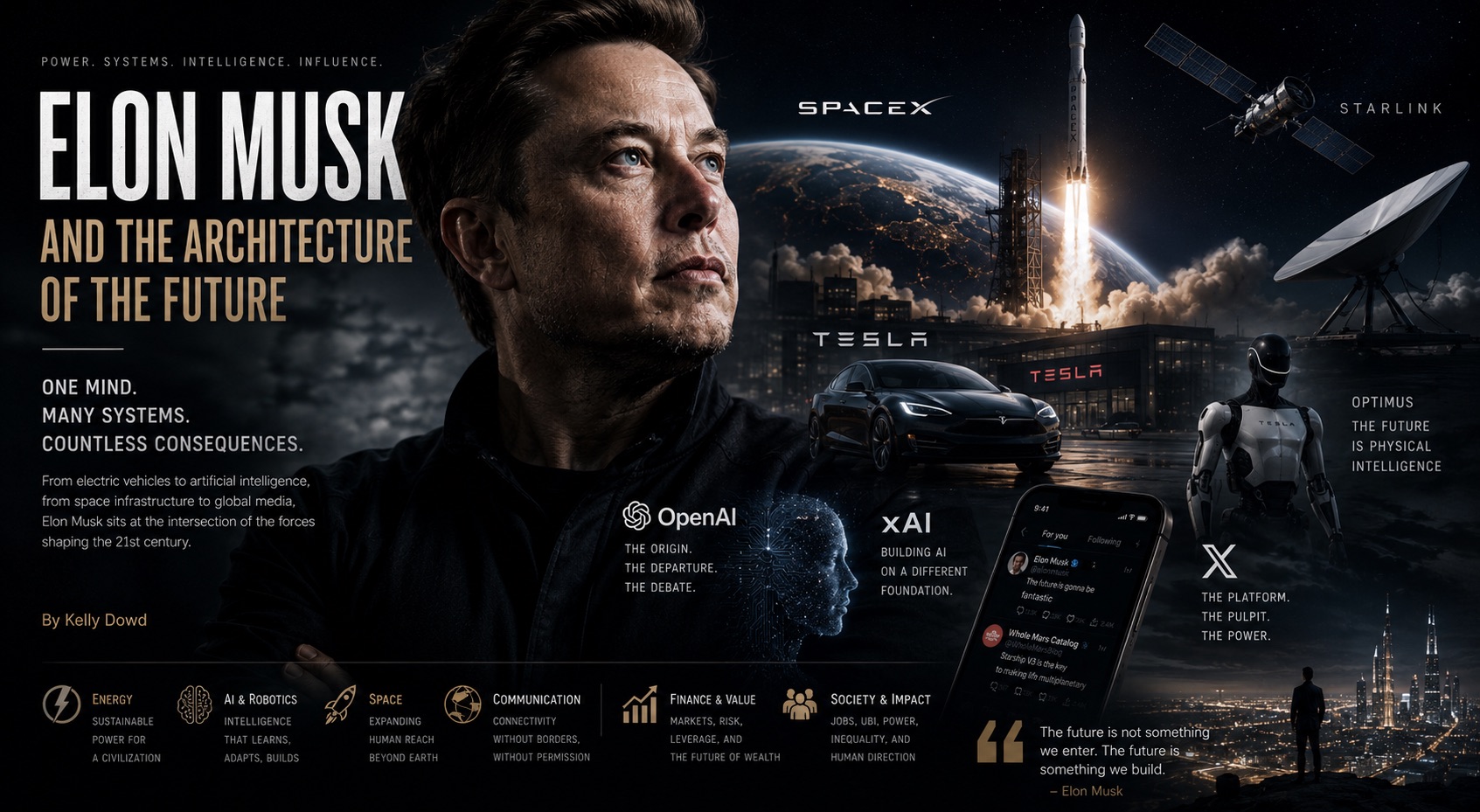
Elon Musk’s warning to Donald Trump at Charlie Kirk’s memorial reveals the convergence of tech power, populist politics, and the fragile state of democracy in 2025.

The cult of busyness has collapsed. After decades of worshipping acceleration, humanity is finally confronting the illusion that motion equals meaning. The future of productivity will not be measured in speed, but in stillness — in how intelligently we design time, attention, and the architecture of work itself.

Silence has become the rarest sound in civilisation. In cities designed for velocity and screens designed for noise, stillness is treated as failure. Yet silence, when consciously designed, becomes the highest form of intelligence — the architecture of alignment between thought, body, and being. “Silence is not the absence of sound — it is the presence of understanding.”— Kelly Dowd, The Power of HANDS (2025)

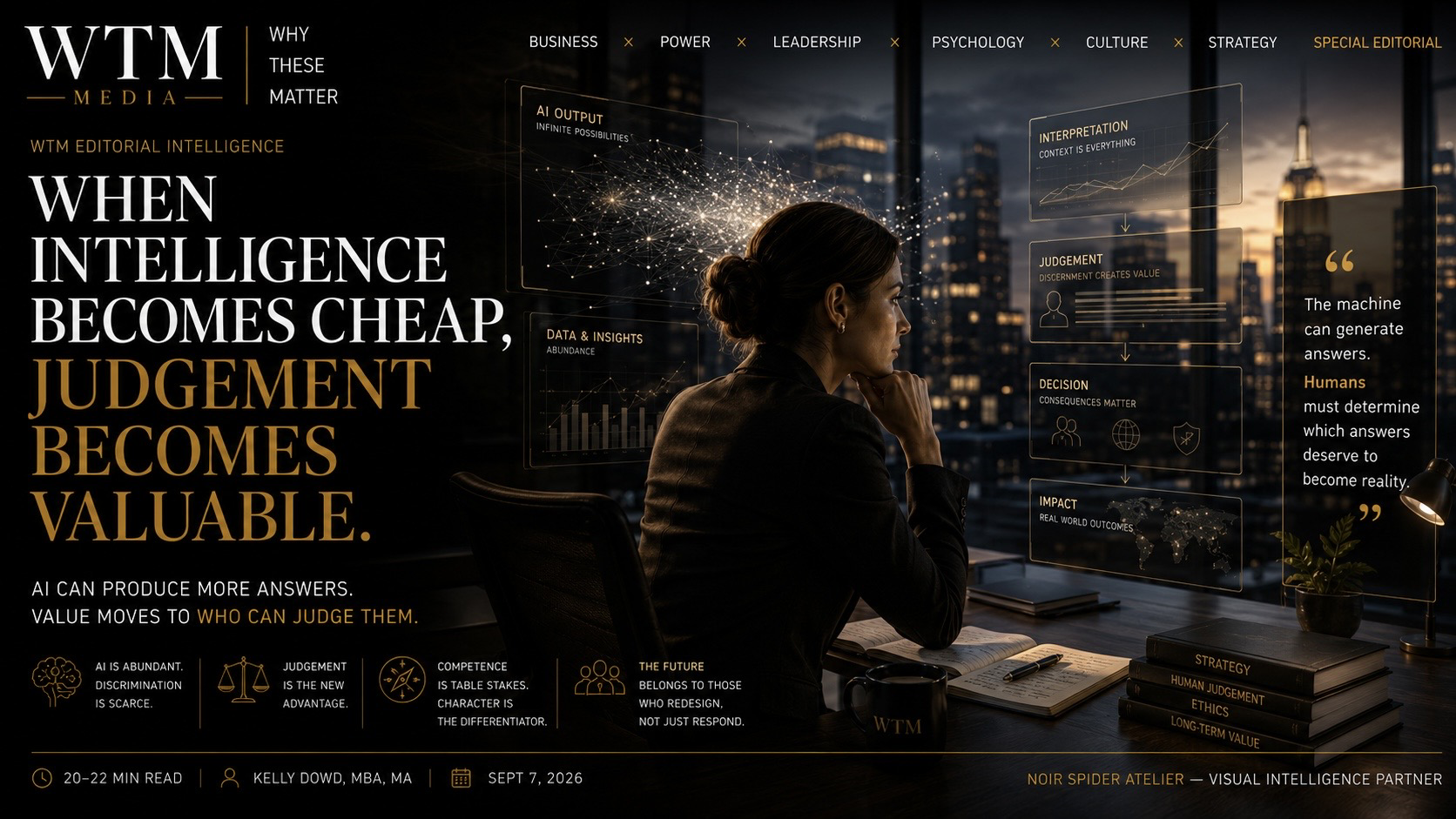
Artificial Intelligence is no longer a tool — it is an ecosystem of meaning. As machines learn empathy, humanity must rediscover its own. The next evolution of civilisation will depend not on who builds the most advanced AI, but on who teaches it to feel, discern, and honour the sacred architecture of life. “Intelligence without empathy becomes tyranny. Technology without ethics becomes theology.” — Kelly Dowd, The Power of HANDS (2025)

The 21st-century economy stands at an inflection point: profit without purpose has reached its natural limit. The future of capitalism depends not on extraction, but on empathy — the design of systems that create coherence between People, Planet, Pragmatism, and Profit. “Empathy isn’t soft — it’s systemic infrastructure.” — Kelly Dowd, The Power of HANDS (2025)

The Top Royals — Buckingham Palace’s decision to strip a royal of titles is not a scandal — it is a system recalibrating itself in public view. What this moment teaches us about ethics, identity, and institutional evolution.

The crisis in education is not a failure of funding—it is a design failure of philosophy. Around the world, intelligence has become political, teachers have become targets, and truth itself has become negotiable. The war on education is the quietest, most consequential conflict of our time.

The modern monarchy is not dying — it is rebranding. From Britain to the Middle East, royal families are no longer the relics of divine right but the architects of soft power, balancing scandal and strategy in equal measure. Behind every gilded portrait lies a quiet rebellion against irrelevance.

When celebrity romance becomes a public performance, intimacy itself becomes a brand. The Coldplay couple — Chris Martin and Dakota Johnson — illustrate how modern love is not merely felt but curated, a choreography of presence for an algorithmic world.

Zohra Mamdani’s election as New York City’s new mayor is being called a generational shift. But his victory is more than political—it is philosophical. In a time when charisma has replaced competence and outrage has replaced order, Mamdani represents the quiet return of leadership rooted in empathy, equity, and systemic design.

When forty-three laboratory monkeys escaped from a U.S. biomedical research facility this year, headlines treated it as absurd news. It wasn’t. It was a parable — of a civilisation that still mistakes cruelty for curiosity and control for knowledge.

Elon Musk’s $56 billion pay package, restored by Tesla shareholders after court challenges, made global headlines. But beneath the spectacle lies a deeper design flaw: the hero economy. In worshipping visionaries, capitalism has built cathedrals without conscience.

Elon Musk’s $56 billion pay package, restored by Tesla shareholders after court challenges, made global headlines. But beneath the spectacle lies a deeper design flaw: the hero economy. In worshipping visionaries, capitalism has built cathedrals without conscience.

The U.S. Supreme Court’s reinstatement of restrictions on gender-inclusive passports has reignited a quiet crisis of belonging. It is not simply about travel. It is about who decides the architecture of identity—and whether selfhood must pass through permission.

A U.S. federal judge’s ruling to compel the reinstatement of food aid funding is more than a legal victory — it is a moral reckoning. Hunger, as this decision reveals, is never a natural disaster. It is a policy design flaw.

In an era addicted to outrage, the Democrats’ resurgence in 2025 did not arrive with spectacle but with structure. Beneath the surface of social media drama, a silent recalibration unfolded — a lesson in operational intelligence for a democracy under strain.

When Mexico’s President Claudia Sheinbaum pressed charges after being groped during a public event, the gesture reverberated far beyond Mexico City. It was not the reaction of a victim, but the assertion of a leader—an act that reframed consent, dignity, and power in one move. “No one, not even the President, should normalise disrespect.” — Claudia Sheinbaum, Mexico City, 2025

When Billie Eilish told a room full of billionaires to give their money away, she didn’t just make headlines — she reframed the ethics of wealth. In an age of excess, her words reminded us that empathy is innovation, and conscience is the new currency.

Buckingham Palace’s decision to strip a royal of titles is not a scandal — it is a system recalibrating itself in public view. What this moment teaches us about ethics, identity, and institutional evolution.

A walk-out at the Miss Universe 2025 orientation in Thailand reveals that modern pageantry is no longer about beauty—it’s about human dignity, agency, and the design of respect. This moment offers a blueprint for how global culture must recalibrate its structures of representation. “I’m here representing a country and it’s not my fault that you have problems with my organisation.”— Fátima Bosch, Miss Universe Mexico

Agentic AI marks a new epoch of technology — not systems that answer, but systems that act. The emergence of autonomous intention will redefine work, ethics, governance, and even the architecture of thought itself.

AI is reshaping medicine from diagnostic tool to empathic collaborator — a transformation that redefines care, ethics, and the essence of healing itself.

The integration of AI into architecture is redefining cities as living organisms — self-adaptive, climate-conscious, and emotionally intelligent. The future of design is not construction; it is cognition.