

Sheila Johnson is often introduced as the first Black female billionaire in America. What receives far less attention is how her wealth emerged not from inherited power or institutional protection, but from reinvention after exclusion. After co-founding BET with Robert Johnson, she was effectively pushed out of the very empire she helped build. Rather than collapse under displacement, she rebuilt herself through hospitality, sports ownership, real estate, film production, and strategic investments. Her story reveals how resilience, ownership, and diversification operate as survival mechanisms within systems historically structured against minority capital accumulation.
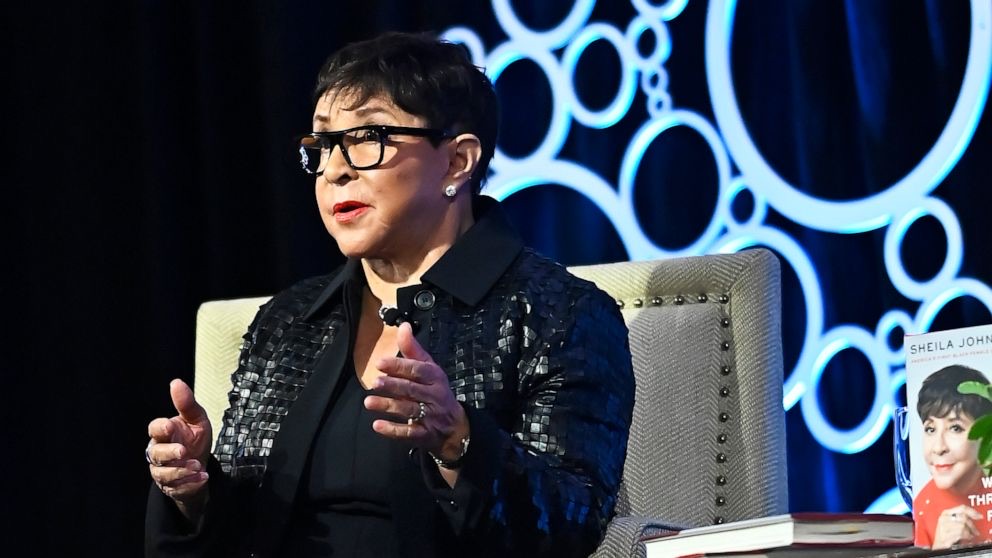
When BET launched in 1980, mainstream American television provided little infrastructure for Black ownership or Black cultural economics. The network filled a massive representational and commercial void. BET became not only a media company, but an economic signalling system proving Black audiences possessed enormous monetisable influence.
Yet the rise of BET also exposed structural tensions inside American capitalism. Representation alone does not guarantee equitable power distribution. Ownership matters more than visibility. Control of equity matters more than public recognition. Sheila Johnson’s role in shaping BET’s identity was substantial, yet much of the historical narrative initially centred overwhelmingly around Robert Johnson.
This pattern reflects a broader economic reality affecting many women — particularly Black women — within entrepreneurial ecosystems. Foundational labour is often under-recognised until after institutional success materialises. Johnson’s eventual emergence as an independent billionaire therefore represents more than personal triumph. It reflects the strategic necessity of maintaining autonomous economic infrastructure.

After leaving BET, Johnson did not merely pursue celebrity wealth branding. She constructed a diversified portfolio spanning hospitality, sports, entertainment, wellness, and luxury experiences. She acquired ownership stakes in professional sports teams including the Washington Mystics and invested heavily in hospitality through Salamander Hotels & Resorts.
Her approach reveals a sophisticated understanding of post-media economics. Media visibility alone rarely guarantees intergenerational wealth. Asset ownership does. Land, hospitality, sports franchises, and intellectual property retain long-term appreciating power because they intersect directly with experience economies and institutional capital.
Johnson also understood something many founders fail to recognise: reinvention is often economically necessary after public disruption. Rather than permanently tying her identity to BET, she expanded into sectors capable of surviving technological shifts and changing media consumption patterns.

Johnson’s ascent remains historically significant precisely because Black wealth inequality in America remains staggering. According to Federal Reserve data, median white household wealth continues to dramatically exceed median Black household wealth. Structural barriers including redlining, discriminatory lending, educational inequities, and uneven access to investment capital have compounded for generations.
Her success therefore sits at the intersection of inspiration and anomaly. While celebratory narratives focus on billionaire status, the deeper issue concerns how rare such outcomes remain. Symbolic breakthroughs matter culturally, but systemic access matters economically.
Johnson’s trajectory demonstrates the necessity of equity ownership, strategic diversification, and institutional literacy. She did not merely earn money; she learned how systems allocate power. That distinction separates temporary success from enduring influence.
America increasingly celebrates entrepreneurship while simultaneously concentrating wealth into fewer hands. Sheila Johnson’s story exposes both the possibilities and limitations of the American economic myth. Representation without ownership is fragile. Visibility without infrastructure is temporary. Her life reveals that sustainable wealth is rarely built through one career alone. It is architected through reinvention, diversification, and strategic control of assets capable of surviving institutional change.

Why These Matter - WTM MEDIA is an independent editorial platform exploring the forces shaping our world—through people, culture, commerce, design, systems, and governance. Connecting the dots between today’s headlines and tomorrow’s realities.