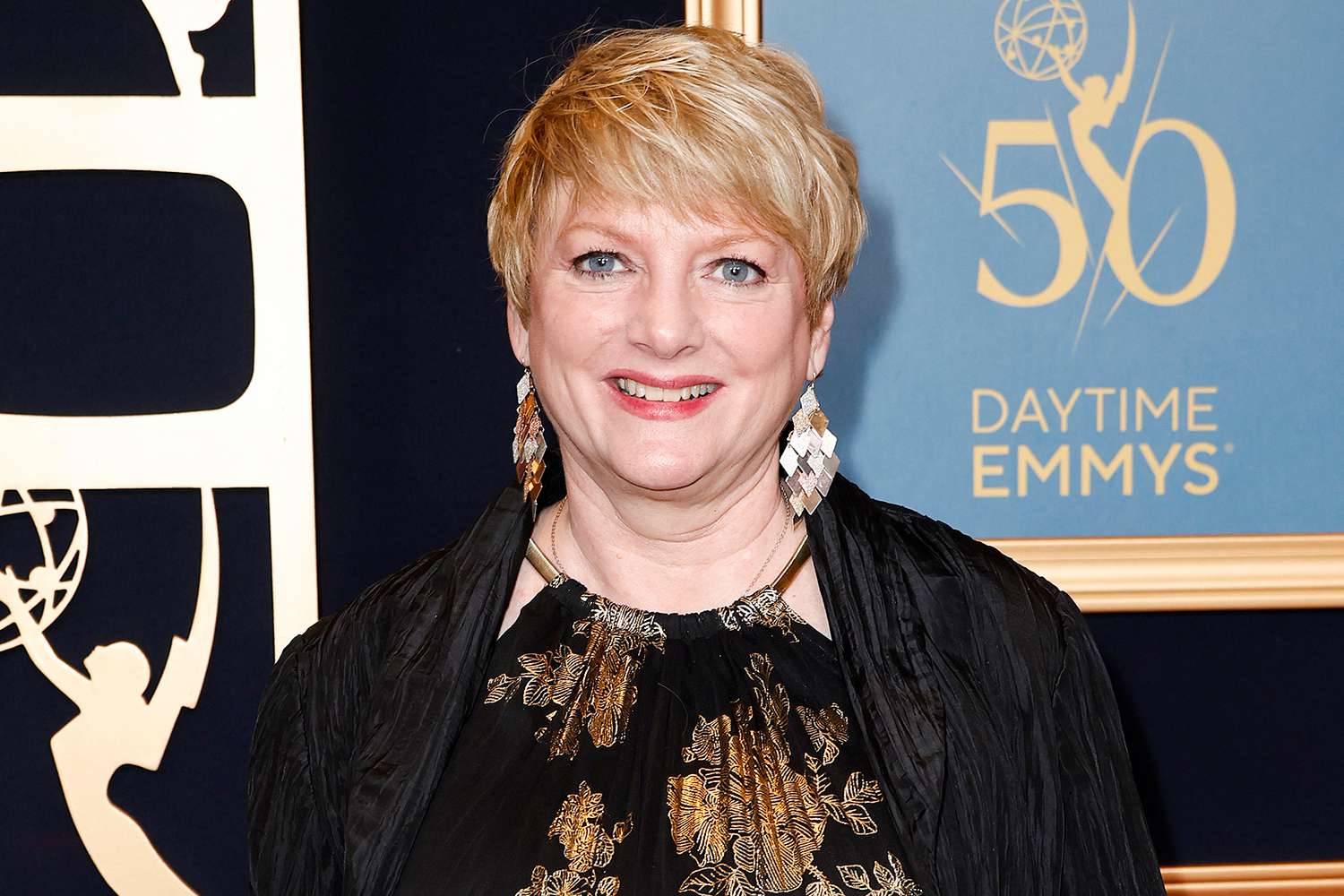
Actress, comedian, and activist Alison Arngrim is executing one of the most strategically intelligent legacy reinventions in modern entertainment. Best known globally as Nellie Oleson from Little House on the Prairie, Arngrim has transformed a decades-old television character into a multi-platform commercial ecosystem spanning film, live theatre, publishing, advocacy, and beauty. Her latest independent feature film, Buster Brooks, combined with the launch of “Bonnethead Beauty,” reveals a broader shift occurring across Hollywood: the future of entertainment increasingly belongs not to fleeting celebrity, but to enduring intellectual property capable of transcending medium, generation, and market cycles.
In an industry structurally addicted to reinvention, permanence has become one of the rarest forms of power.
Actors disappear. Algorithms move on. Audiences fragment. Entire careers now rise and collapse within the lifespan of a social media cycle. Yet somehow, decades after first appearing on American television screens, Alison Arngrim remains commercially and culturally relevant — not despite being typecast, but because she understood how to weaponise it intelligently.
Best known as Nellie Oleson, television’s famously manipulative antagonist from Little House on the Prairie, Arngrim built something most entertainers fail to achieve: a recognisable character identity that outlived its original medium and evolved into enduring intellectual property.
Where many actors spend decades attempting to escape iconic roles, Arngrim recognised an uncomfortable but increasingly valuable truth about modern entertainment economics: audiences reward familiarity. Emotional memory compounds over time. Cultural mythology, properly managed, becomes monetisable infrastructure.
That insight now sits at the centre of her expanding entertainment portfolio.
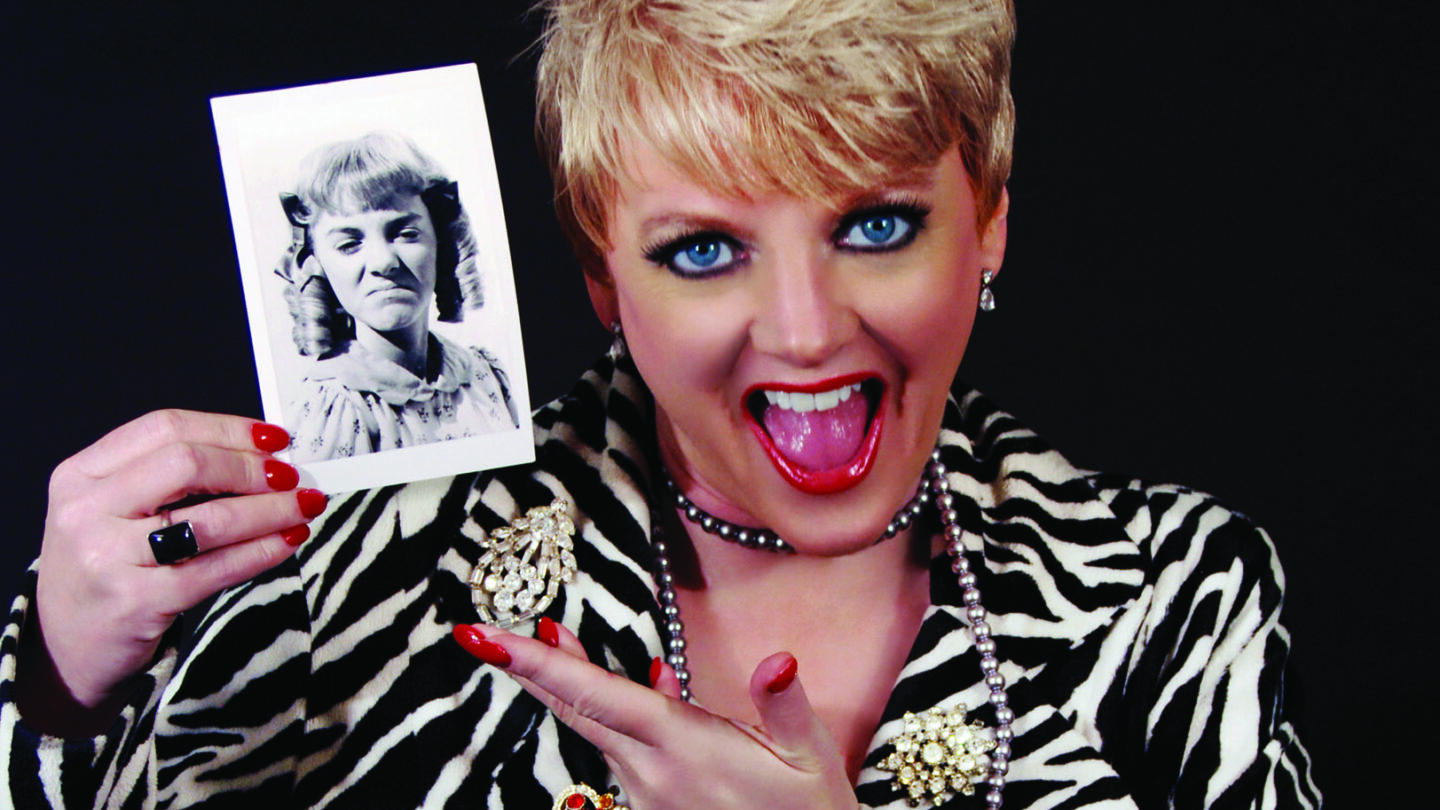
Arngrim’s globally touring one-woman production, Confessions of a Prairie B*tch, transformed television nostalgia into a live-performance ecosystem blending memoir, comedy, audience interaction, and autobiographical storytelling.
The success of the show demonstrates a broader recalibration happening across entertainment and media industries. Audiences no longer merely consume content; they seek immersive emotional continuity with narratives already embedded within their cultural memory.
In practical terms, Nellie Oleson ceased being a fictional television character years ago. She evolved into a living entertainment brand.
That distinction matters commercially. The modern entertainment economy increasingly favours scalable emotional assets over temporary celebrity exposure. Franchises dominate global box offices because recognisable mythology reduces audience friction. Streaming platforms continuously mine existing intellectual property because familiarity carries built-in trust.
Arngrim’s career trajectory reflects that same principle at an independent scale. Rather than abandoning the Nellie archetype, she expanded it into multiple experiential layers: live performance, publishing, public speaking, activism, and now consumer products. The result is not nostalgia recycling, but strategic continuity architecture.
Arngrim’s latest feature film, Buster Brooks, arrives during one of the most unstable production eras in modern Hollywood history.
According to the release, the independent comedy was:
Those production realities matter as much as the film itself.
The entertainment industry currently operates under overlapping structural pressures: labour disputes, streaming disruption, rising production costs, audience fragmentation, and mounting anxiety surrounding artificial intelligence and content automation. Independent productions increasingly survive through resilience rather than scale.
Within Buster Brooks, Arngrim plays the owner of “Nellie’s Coffee” — a deliberate extension of her most recognisable cultural identity. This is not accidental fan service. It is brand reinforcement.
The character mythology remains emotionally active even as the medium evolves. Hollywood once viewed typecasting as artistic confinement. Today, recognisable character ecosystems increasingly behave like financial assets.
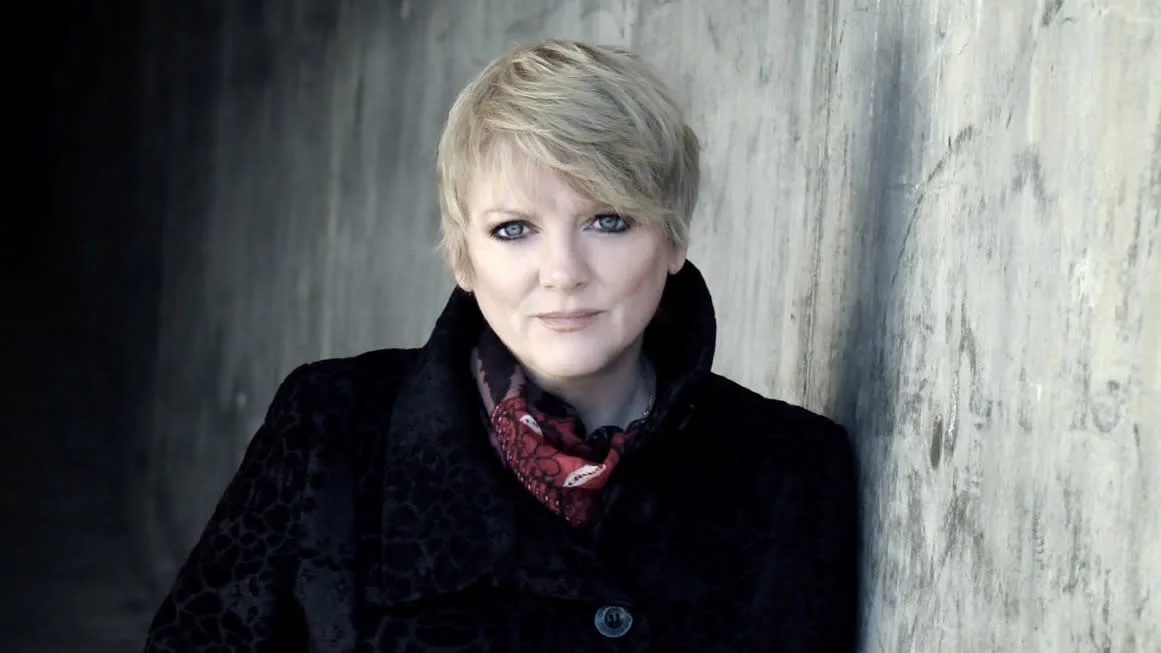
Perhaps the most commercially strategic development in Arngrim’s current expansion is the launch of “Bonnethead Beauty,” a cosmetics brand designed around identity, memory, and emotional affiliation.
The product line includes:
What appears playful on the surface is, in reality, highly targeted narrative commerce. Rather than competing inside youth-obsessed beauty markets, the brand speaks directly to women who already possess emotional familiarity with the Little House on the Prairie universe and the psychological duality of the Nellie Oleson character.
This is where entertainment, branding, and behavioural economics intersect. Consumers increasingly purchase identity participation rather than simple products. The success of celebrity consumer brands now depends less on fame itself and more on whether audiences feel emotionally connected to a coherent narrative world.
Arngrim’s strategy leverages:
In commercial terms, memory becomes inventory.
Arngrim’s cultural durability is sustained not only by entertainment value, but by credibility.
Her advocacy work includes:
This dimension fundamentally reshapes her public identity. She is no longer perceived solely as a nostalgic television personality. She occupies a more complex position — performer, survivor, advocate, comedian, and public intellectual voice shaped by lived experience.
In today’s media economy, authenticity functions as strategic capital. Audiences increasingly distrust artificial celebrity construction while rewarding individuals perceived as emotionally transparent and culturally grounded. Arngrim’s willingness to integrate advocacy with entertainment strengthens the durability of her brand in ways conventional celebrity marketing often cannot replicate.

The Arngrim model exposes a structural truth Hollywood continues learning repeatedly:
The most valuable entertainment assets are no longer isolated performances. They are emotionally durable characters capable of evolving across mediums and generations.
Nellie Oleson now exists simultaneously as:
This is intellectual property functioning at its purest level — scalable, portable, and psychologically embedded.
For studios, investors, creators, and entertainment strategists, the implications are significant. Legacy content, when intelligently managed, can generate recurring commercial ecosystems far beyond its original production lifecycle.
The future of entertainment may belong less to creating entirely new icons and more to maximising the emotional infrastructure of the ones audiences already carry with them.
Hollywood is quietly transitioning from celebrity economics to intellectual property economics.
Audiences no longer attach themselves merely to actors. They attach themselves to enduring emotional universes, recognisable archetypes, and authentic personal narratives capable of surviving across platforms and generations.
Alison Arngrim demonstrates how legacy entertainment identities can evolve into resilient commercial ecosystems spanning film, theatre, publishing, activism, and consumer products.
Her trajectory reflects a larger industry shift:
For entertainment executives, investors, and creators, the lesson is increasingly unavoidable:
The future of media may not belong to whoever creates the next icon. It may belong to whoever understands how to intelligently extend the life of the icons culture already refuses to forget.

Alison Arngrim is a New York Times bestselling author, actress, comedian, and activist internationally recognised for her portrayal of Nellie Oleson on Little House on the Prairie. Her acclaimed one-woman show, Confessions of a Prairie Btch*, has toured globally, blending humour, storytelling, and personal reflection. Beyond entertainment, Arngrim is widely respected for her advocacy work in HIV/AIDS awareness, child protection, and survivor activism.
Media Contact
BHBPR
Harlan Boll
+1 323-708-4172
www.bhbpr.com

Why These Matter - WTM MEDIA is an independent editorial platform exploring the forces shaping our world—through people, culture, commerce, design, systems, and governance. Connecting the dots between today’s headlines and tomorrow’s realities.