
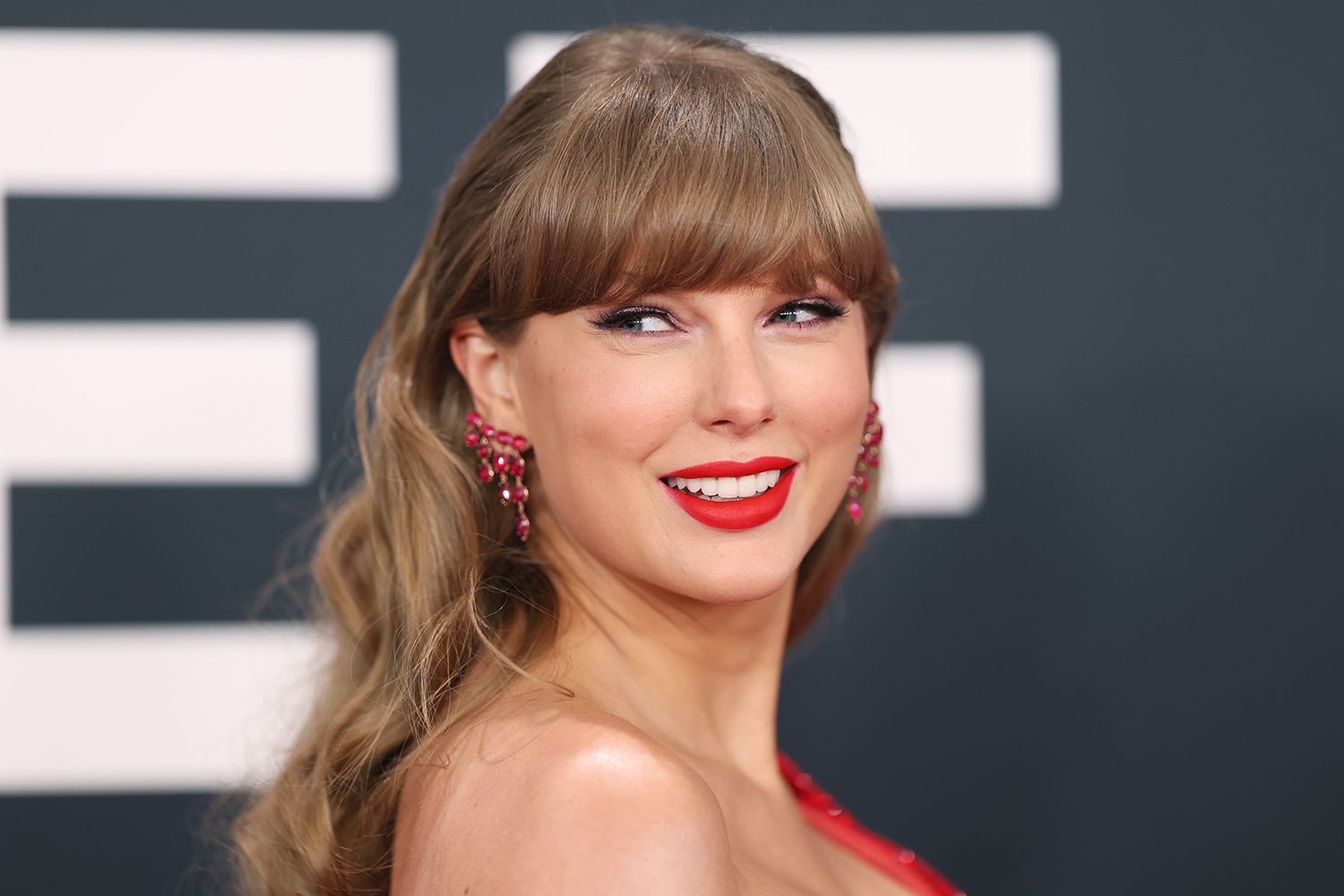
Explore why Taylor Swift matters—her music, influence, finances, philanthropy, and her engagement to Travis Kelce. A cultural force shaping global economics, storytelling, and love.
Taylor Swift is not merely a musician—she is a system of influence, a cultural infrastructure whose presence reshapes industries, economies, and imaginations. Her artistry is both a mirror and a map: reflecting the anxieties and desires of a generation, while charting new routes for how fame, finance, and storytelling intertwine.
She is, quite literally, a world event in human form.
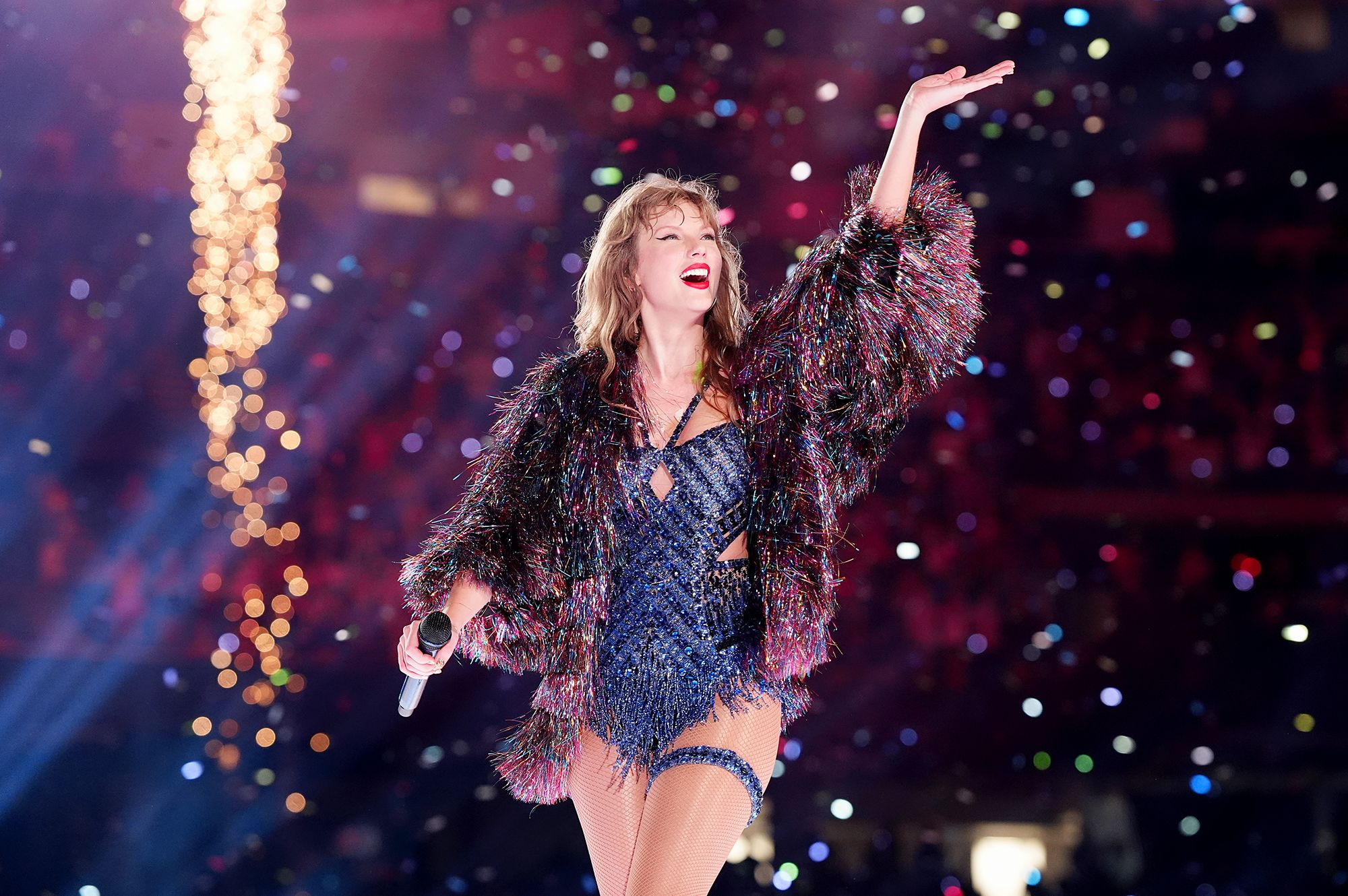
From Fearless to Midnights, Swift has consistently turned personal stories into collective myths. She wields the pen not just as an artist but as a cultural architect—building universes (the “eras”), embedding hidden codes (easter eggs, liner notes), and orchestrating global rituals (friendship bracelets at concerts).
Her discography is not just music—it’s a living archive of human emotion, accessible to billions across languages and borders.
The cultural impact of Taylor Swift is studied in universities and debated in parliaments. Her influence radiates in three directions:
In the realm of influence, she stands beside Oprah, Beyoncé, and the Beatles—not just for her reach, but for her ability to bend cultural weather systems.
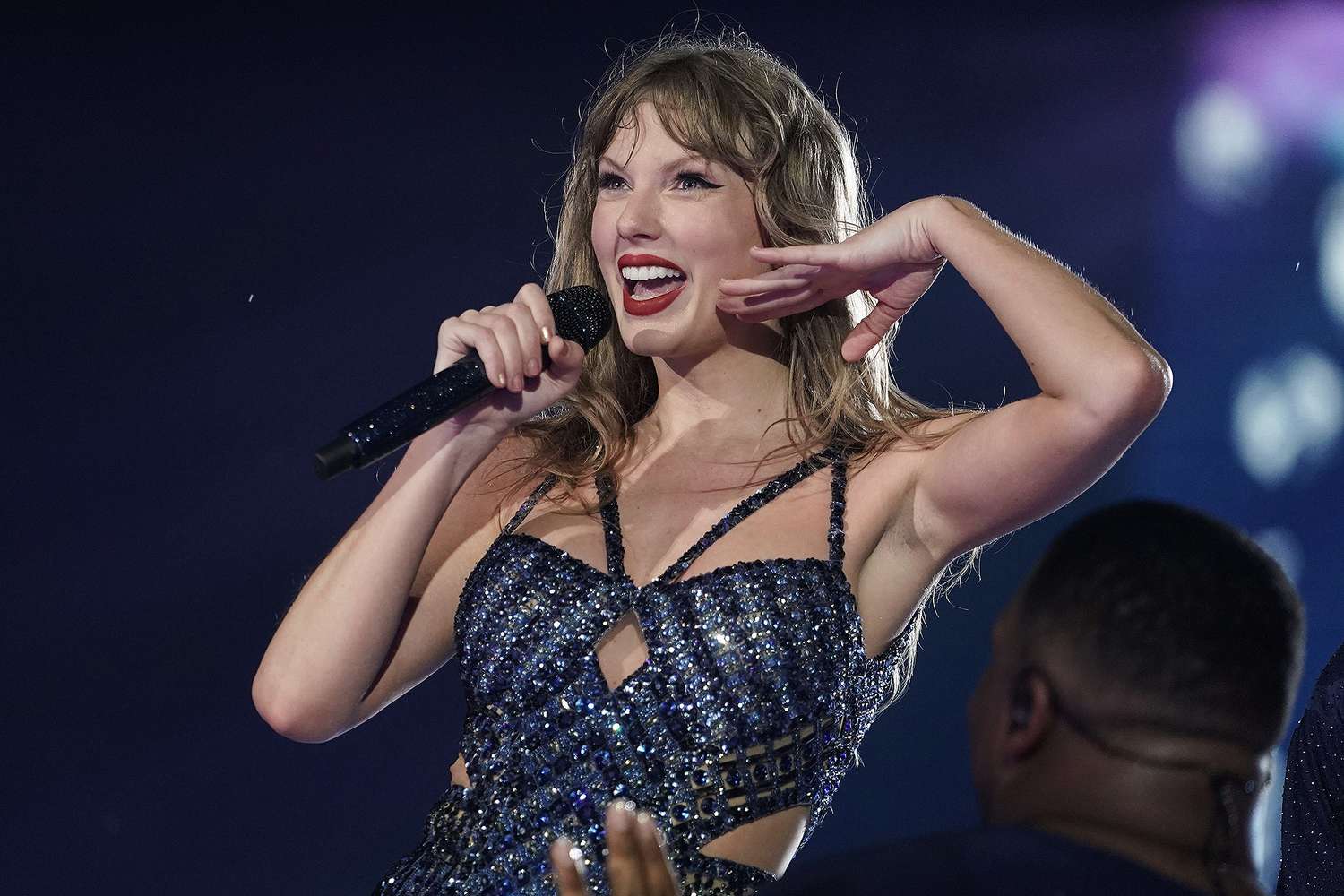
Taylor Swift’s $1.6 billion fortune is almost singular in music history: earned not by external ventures or fashion lines, but by music itself.
Swift is not just a performer—she is a CEO disguised as a poet, an economist cloaked in sequins.
Behind the spectacle is a woman of discernible kindness and pragmatism.
Her personality is a paradoxical blend: deeply human yet mythically untouchable.
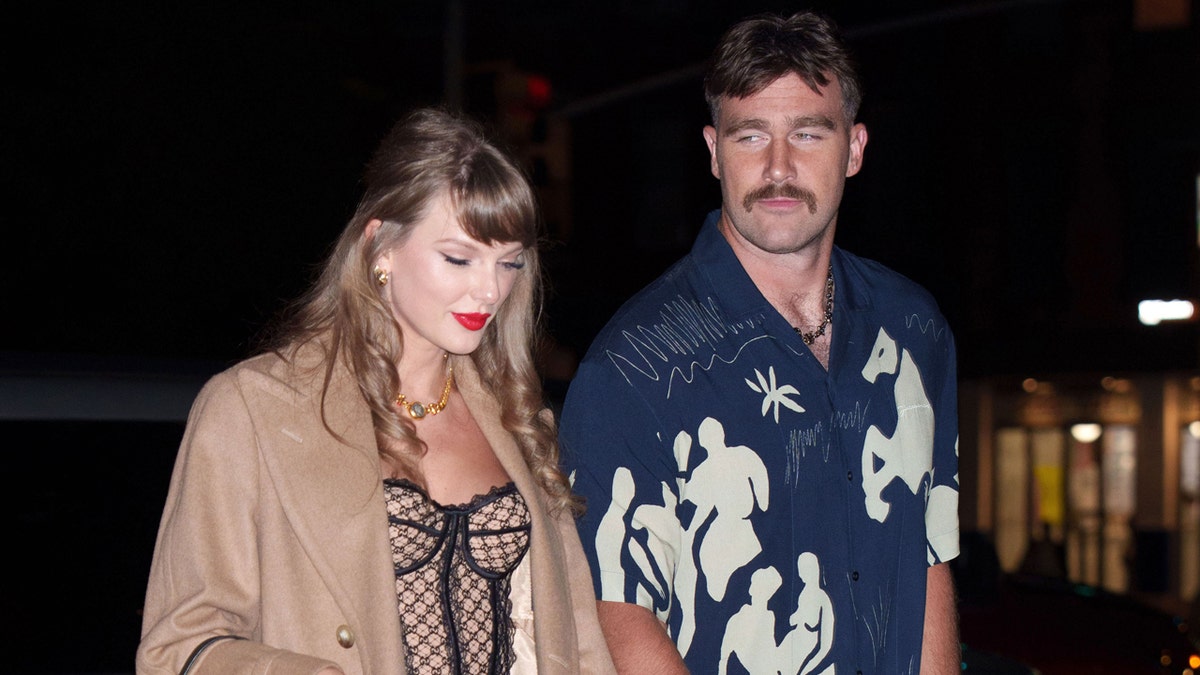
In 2025, Swift and NFL star Travis Kelce announced their engagement, merging the worlds of music and sport into a modern love epic.
Kelce proposed with a 10-carat diamond ring, reportedly valued at $1 million, in an intimate garden ceremony. Their union, though personal, sparked global media ripples: Ralph Lauren alone earned $6.8M in media value within 48 hours of their coordinated outfits during the announcement.
Their relationship embodies something rare in celebrity culture: authentic partnership over spectacle. Fans don’t just watch their love—they feel part of its unfolding myth.
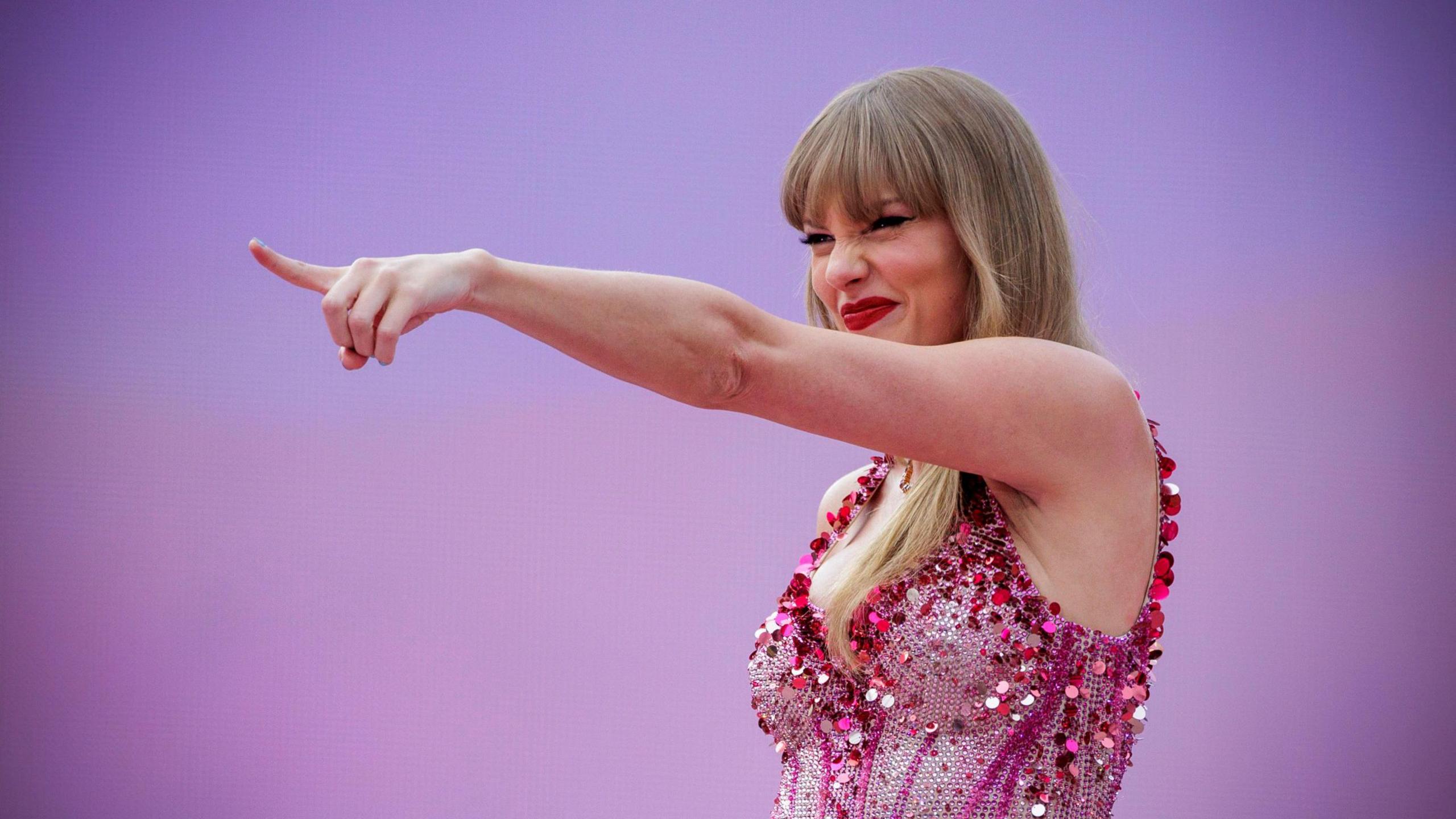
Taylor Swift matters because she is more than a singer. She is:
In an age of noise, Taylor Swift is a symphony.
In a marketplace of fleeting attention, she is trust embodied.
In a world asking “why?”, she answers simply: because it matters.
Why These Matter - WTM MEDIA is an independent editorial platform exploring the forces shaping our world—through people, culture, commerce, design, systems, and governance. Connecting the dots between today’s headlines and tomorrow’s realities.