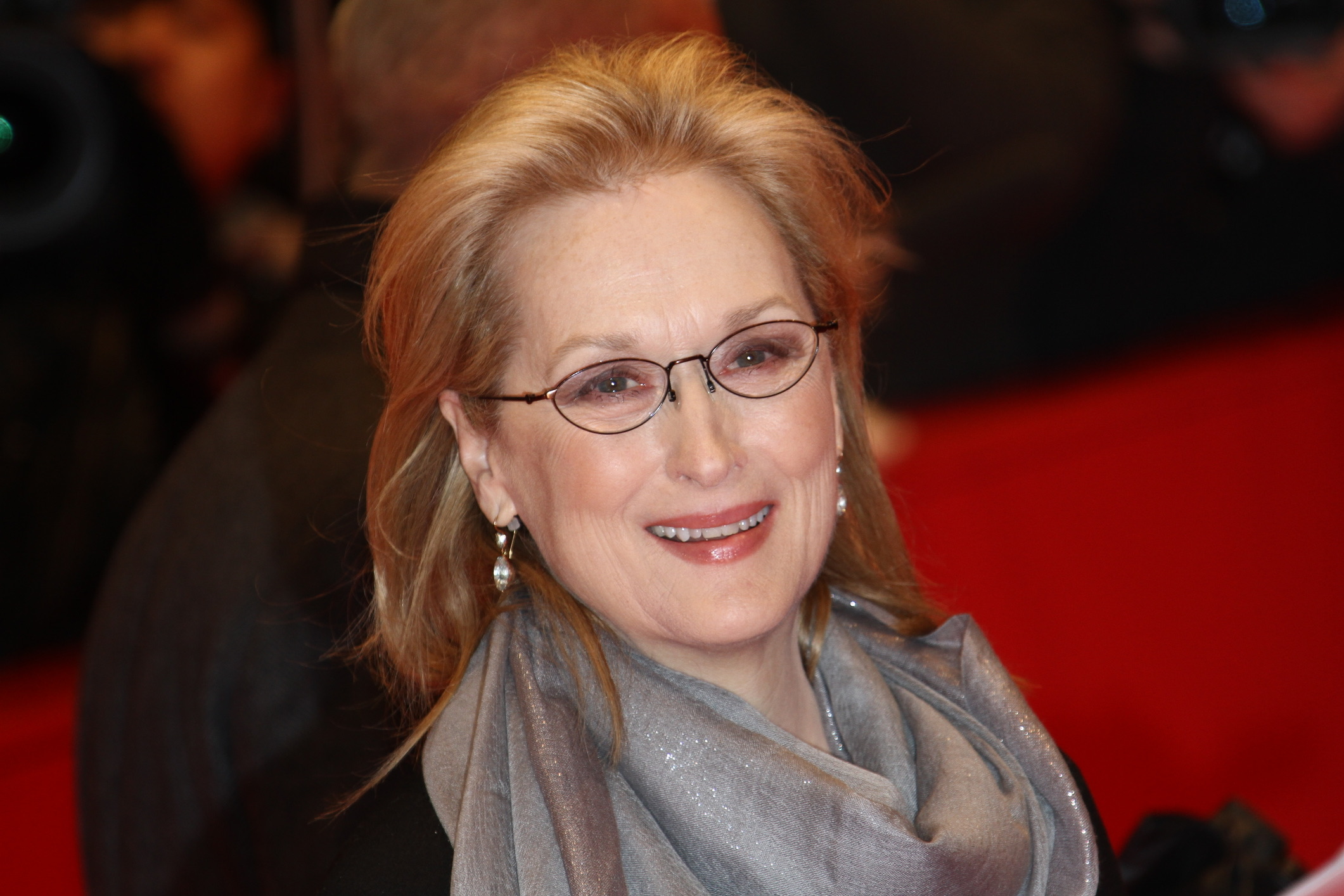
Meryl Streep being named the greatest actress of the 21st century is less surprising than what the announcement reveals about Hollywood itself. Streep represents a fading era of performance rooted in theatrical discipline, literary depth, emotional intelligence, and institutional seriousness. At a time when entertainment ecosystems increasingly prioritise franchise scalability, algorithmic engagement, and short-form attention extraction, her career stands as evidence of what cinema once demanded — and what modern systems may be quietly abandoning.
Streep’s dominance did not emerge from celebrity spectacle alone. It emerged from technical mastery. Her performances in films such as Sophie’s Choice, The Devil Wears Prada, Doubt, and The Iron Lady demonstrated unusual linguistic precision, emotional elasticity, and intellectual immersion. She approached acting less as performance branding and more as psychological architecture.
Her success also coincided with a period when Hollywood still invested heavily in mid-budget adult dramas — films designed not merely for box-office explosions but for cultural discourse. Studios once viewed serious storytelling as part of their institutional identity. Awards prestige mattered strategically because it reinforced legitimacy.
Today, streaming economics and franchise dependency have radically altered this ecosystem. Risk aversion increasingly dominates executive decision-making. Intellectual property adaptation often supersedes original screenwriting. Attention spans fragmented by social media have accelerated demand for spectacle over introspection.

Modern entertainment increasingly functions according to data optimisation. Streaming platforms analyse viewing completion rates, pause behaviour, engagement metrics, and algorithmic recommendation systems. The consequence is subtle but profound: storytelling itself begins adapting to machine-readable behavioural incentives.
Long-form emotional ambiguity becomes commercially riskier. Quiet scenes disappear. Character complexity is compressed. Narrative pacing accelerates to prevent audience abandonment. Cinema begins shifting from artistic exploration toward behavioural retention engineering.
Streep’s performances belong to a cinematic ecosystem where patience still existed — where audiences tolerated discomfort, ambiguity, silence, and layered psychology. In many ways, she represents the final apex of pre-algorithmic acting culture.

Civilisations preserve themselves through narrative memory. Actors like Streep become culturally important because they embody emotional archives of human complexity. Great acting allows societies to confront grief, moral contradiction, ambition, fear, class anxiety, gender politics, and psychological transformation.
When entertainment systems prioritise only virality or scalability, culture risks becoming emotionally shallow despite technological sophistication. Serious art acts as resistance against flattening human experience into consumable fragments.
Streep’s longevity reflects not only personal brilliance but institutional endurance. She survived because audiences once demanded intellectual seriousness from cinema. Whether future systems continue rewarding such depth remains uncertain.
The decline of serious cinema mirrors a larger societal trend: the replacement of reflection with stimulation. Meryl Streep’s career matters because it reminds us that culture is not merely entertainment. It is emotional infrastructure. The future of storytelling will help determine whether humanity becomes more psychologically literate — or merely more efficiently distracted.

Why These Matter - WTM MEDIA is an independent editorial platform exploring the forces shaping our world—through people, culture, commerce, design, systems, and governance. Connecting the dots between today’s headlines and tomorrow’s realities.