Buckingham Palace’s decision to strip a royal of titles is not a scandal — it is a system recalibrating itself in public view. What this moment teaches us about ethics, identity, and institutional evolution.
History rarely announces its transitions, yet occasionally the veil slips in real time.
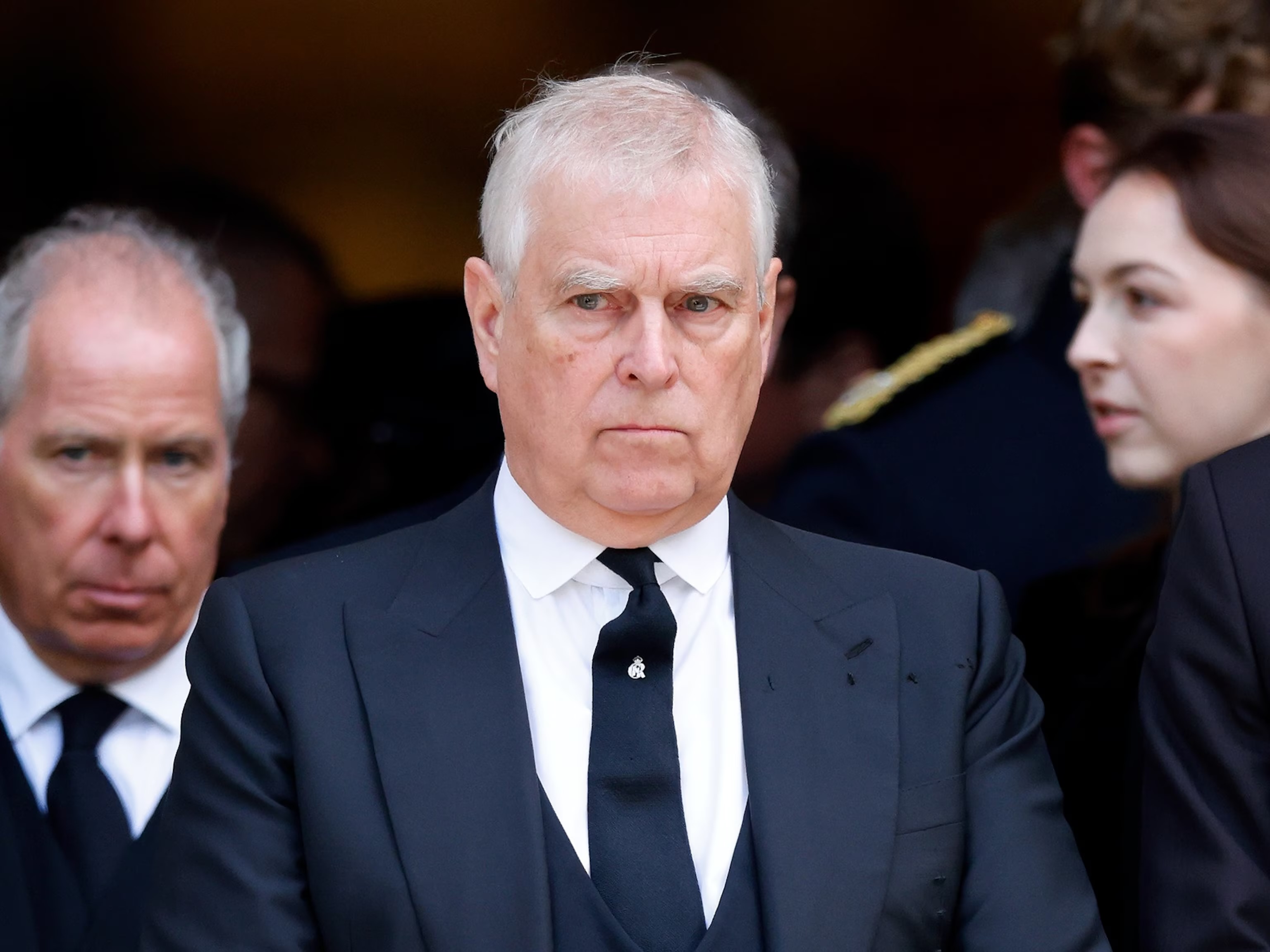
The image of a prince — once cocooned by centuries of deference — staring through rain-streaked glass is not simply a photojournalistic capture. It is a metaphor for monarchy itself: an institution peering at modernity from behind its own condensation.
The Palace’s formal statement marks an flection point in the psychology of power. No longer can birthright shield behaviour. The monarchy, long draped in divine narrative, has entered the age of accountability — not by choice, but by consequence.
This is not a story of punishment; it is one of design failure. When institutions over-optimise for preservation, they calcify. The Crown, like any legacy system, must now re-engineer its own moral architecture.
Titles were once symbols of divine order; now they are tags of ethical performance.
To remove a title is to remove a narrative layer — to publicly declare that reputation has decoupled from rank.
Yet the deeper issue is why such titles still exist as moral proxies. In design terms, they are outdated interfaces for power: ornamental UX masking broken code. When a title ceases to represent integrity, it becomes technical debt in the human operating system.
The Palace’s action signals a shift from hereditary branding to behavioural branding — a form of social debugging. And debugging, by definition, is messy, visible, and necessary.

To study monarchy today is to study the psychology of institutions trapped between myth and management.
Behind the ceremony lies a family navigating what every family now faces: reputational transparency, digital permanence, and moral visibility.
The Palace, once the architect of secrecy, now functions under the relentless design of exposure. The internet has become its new court — where public sentiment adjudicates faster than protocol can respond.
In this, the royals mirror every legacy organisation confronting digital modernity. Their challenge is no longer how to rule, but how to remain relevant when truth circulates faster than tradition.
Ethics, in the modern age, is not aesthetic — it is architectural.
An institution’s survival depends on its ability to integrate feedback loops, accept critique, and demonstrate empathy at scale.
By formalising internal consequences, the Crown has, perhaps inadvertently, modelled a new form of constitutional humility. It is an admission that power is sustainable only when it is corrigible.
This moment echoes broader global shifts: CEOs losing positions for moral missteps, politicians censured for private behaviour, influencers losing brands over breaches of trust. The monarchy, for centuries the pinnacle of brand protection, now learns the discipline of vulnerability.

It is tempting to frame this as the collapse of royalty. It is not.
Rebellion, paradoxically, is what keeps institutions alive. Systems stagnate without friction. Reform is rebellion made responsible.
What we are witnessing is not destruction but evolution — the monarchy behaving, for once, like the people it represents: flawed, emotional, human.
There is poetry in that symmetry.
The palace gates, once symbols of distance, now function as mirrors.
Power, like desire, tends to leak. It moves through corridors both literal and metaphorical, seeking validation.
When those entrusted with symbolic authority misuse it, the scandal is not the act — it is the arrogance that assumes impunity.
Promiscuity in this sense is not sexual; it is systemic carelessness — the belief that consequence can be curated away.
In the digital age, that belief collapses instantly. The image of the prince behind rain-dappled glass is a contemporary portrait of shame — not because of exposure, but because of the erosion of distance between self and scrutiny.

The British monarchy now faces its hardest design brief:
How does an ancient institution re-engineer itself for moral sustainability?
The answer will define not just the Crown, but every hierarchical system in an age of decentralised ethics.
If monarchy is to survive, it must move from spectacle to service, from mystique to meaning.
Its new legitimacy will not rest on lineage but on leadership — measured not by protocol, but by principle.
Because monarchy is a mirror of civilisation’s psyche.
It reveals how societies design, mythologise, and rehabilitate power.
Every royal scandal is a stress test on our collective ethics — a chance to decide whether we still value status over substance.
In stripping a prince of privilege, the Palace did not just protect reputation; it re-entered history as a participant rather than an observer.
This act — uncomfortable, symbolic, overdue — reminds us that even the oldest systems can still learn accountability.
From palaces to parliaments, from boardrooms to personal relationships, the lesson is universal:
Power must evolve faster than temptation, and ethics must design itself as infrastructure, not ornament.
That is why these matter.
Because this is not only about the future of royalty — it is about the architecture of responsibility itself.
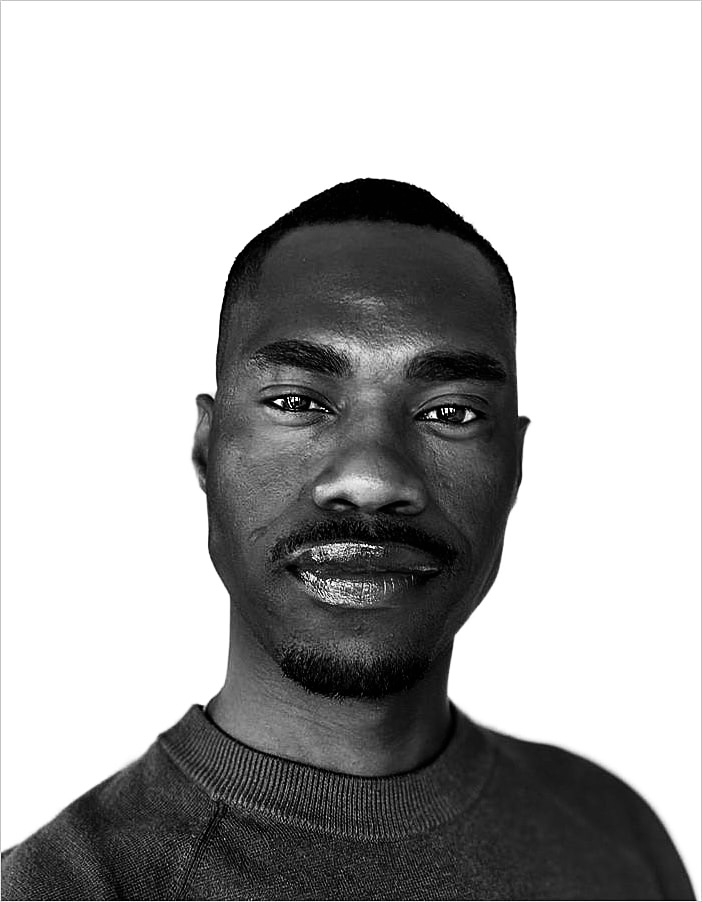
Kelly Dowd, MBA, MA, is a Systems Architect, Author of ‘The Power of HANDS’, and Editor-in-Chief of WTM MEDIA. Dowd examines the intersections of people, power, politics, and design—bringing clarity to the forces that shape democracy, influence culture, and determine the future of global society. Their work blends rigorous analysis with cultural insight, inviting readers to think critically about the world and its unfolding narratives.
Why These Matter - WTM MEDIA is an independent editorial platform exploring the forces shaping our world—through people, culture, commerce, design, systems, and governance. Connecting the dots between today’s headlines and tomorrow’s realities.