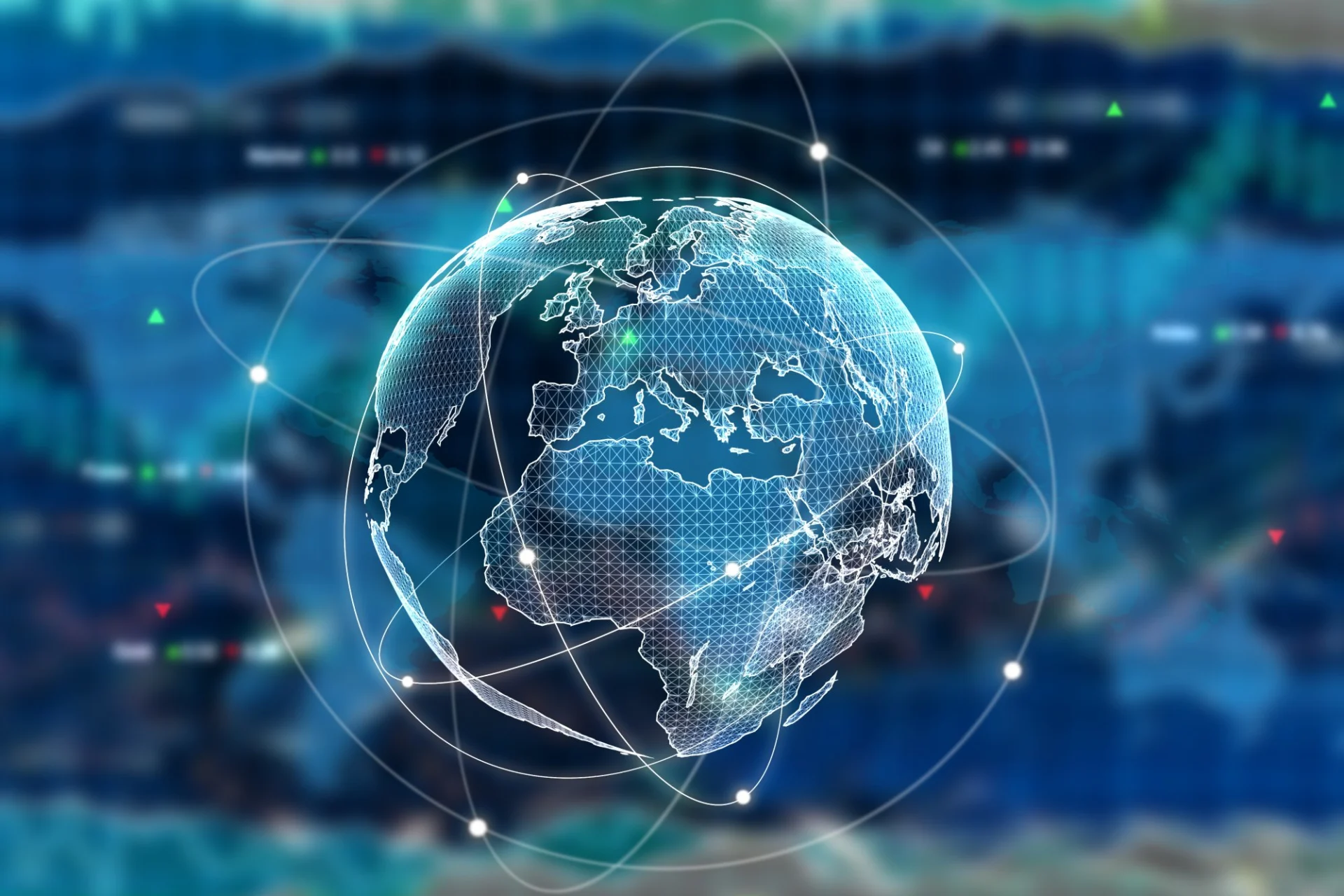
The global economy is changing fast. Courtroom ruling that reduced his killing to “just murder” may comfort statute books. But markets are not ruled by statute—they are ruled by sentiment. And sentiment is fragile.
When Luigi Mangione pulled the trigger, he didn’t just end a life. He sent ripples through a system. Brian Thompson wasn’t just a CEO—he was the public face of UnitedHealthcare, a corporation woven into the very fabric of American healthcare and global financial markets.
The courtroom ruling that reduced his killing to “just murder” may comfort statute books. But markets are not ruled by statute—they are ruled by sentiment. And sentiment is fragile. When CEOs become symbols of public anger, the economy trembles. Investors don’t just weigh quarterly earnings; they weigh stability.
• The assassination of a CEO signals systemic vulnerability.
• The failure to call it terrorism signals that the state does not recognize corporate leadership as a national security issue.
• The gap between law and perception becomes a fissure markets cannot price.
The Mangione case matters because it tells investors: the law will not classify corporate violence as systemic terror. Which means risk is borne not by courts but by markets.
The United States remains the reference point for global corporate law. When a New York judge rules that the killing of a CEO is not terrorism, it sets an international tone.
• In Europe, where populism rises and farmers blockade roads, corporate leaders may face similar threats.
• In Latin America, where cartels and corporations blur, violence against executives is already a shadow economy.
• In Asia, where conglomerates wield state-level power, leaders may find themselves more exposed than ever.
If America refuses to frame corporate-directed violence as terror, others may follow. The precedent travels faster than the ruling itself.
Layer artificial intelligence on top, and the threat compounds.
• Deepfakes can place CEOs in fabricated scandals.
• Algorithms can amplify calls for violence faster than states can respond.
• AI-generated manifestos can radicalize thousands in hours.
• Machine-driven targeting could identify not just CEOs but their families, their schedules, their vulnerabilities.
Without international legal frameworks, AI becomes the silent accelerant. What Mangione did alone with a handgun could, in the future, be multiplied by machine intelligence into coordinated, simultaneous acts.
Yet courts remain trapped in 20th-century categories. Terrorism requires groups, networks, manifestos. The lone man with AI? Invisible to statute.
The Mangione trial is not only about violence against corporations—it is about the future of rights.
• Speech rights will be tested when AI produces inflammatory content at scale.
• Privacy rights will vanish as corporations surveil to protect themselves.
• Labor rights may shrink as executives retreat behind walls, more accountable to shareholders than to employees.
• Consumer rights could erode as corporations argue that public anger justifies more control, not less.
We may enter a paradoxical era: the more corporations are targeted, the more rights ordinary people lose.

Courts lag. Markets lead. That is the brutal truth.
• Judges dismiss terrorism charges, bound by precedent.
• Markets slash valuations, bound by perception.
• Corporations build higher fortresses, bound by fear.
In the gap between the law’s slow definitions and the market’s instant reactions lies a new instability—one that could rattle not just companies, but nations.
The Mangione case matters because it is a trial in New York with consequences in Shanghai, Paris, São Paulo, and Lagos. It is not about one man or one CEO. It is about the architecture of rights and risks in a world where corporations are symbols, violence is politicized, and AI accelerates everything.
The global economy is already fragile. Trust is already thin. If law continues to lag, markets will decide. And when markets decide, rights often erode.
Because in the end, the question is not whether Mangione will be convicted. The question is whether our systems—legal, corporate, and global—can survive the next collision of rage, rights, and reality.
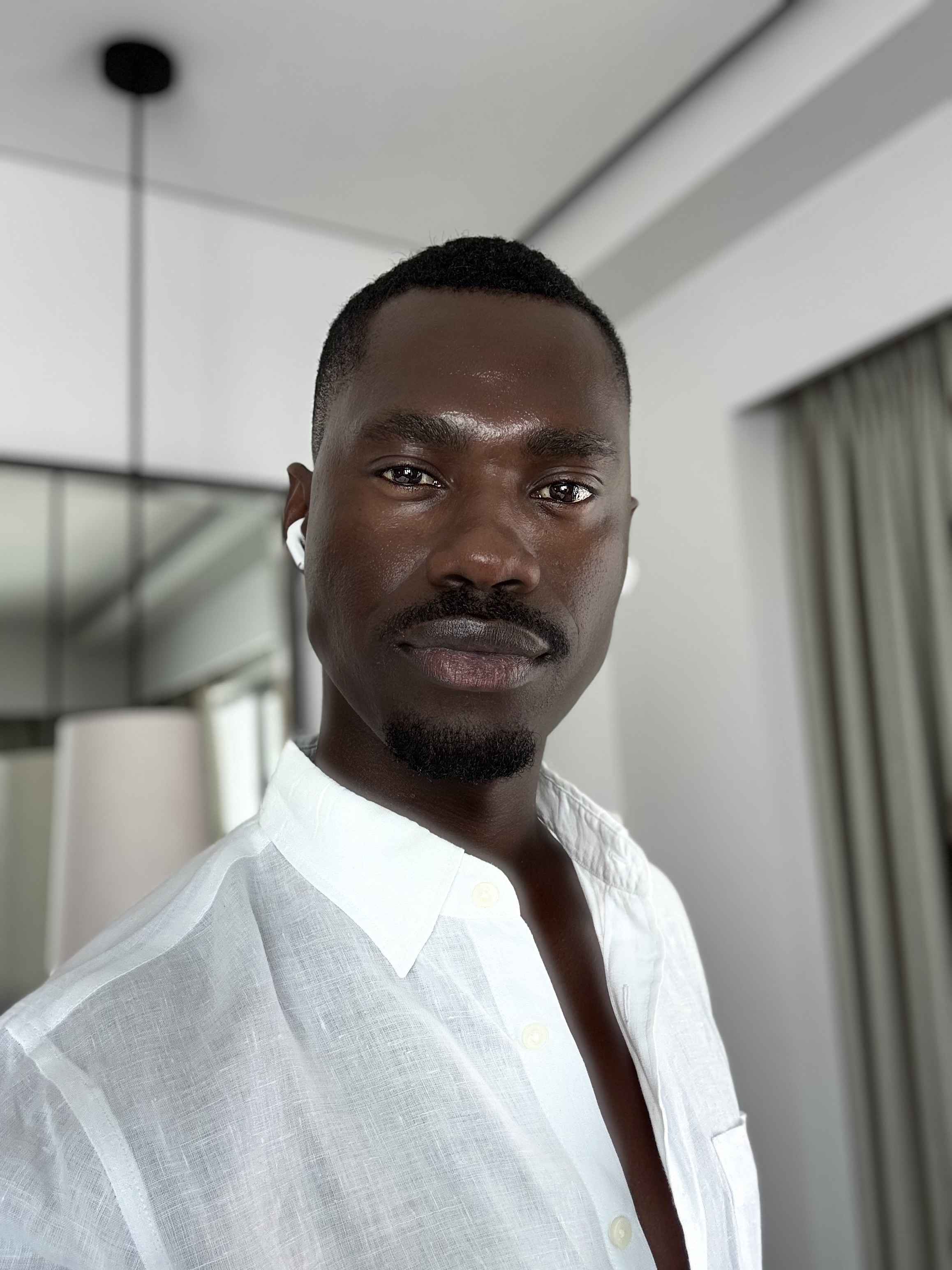
Kelly Dowd, MBA, MA is a Nigerian–American designer and systems architect, author of The Power of HANDS: Designing a Sustainable Future Through Integrative Collaboration, Editor-in-Chief of Why These Matter Media. Dowd's work unites design intelligence, ethics, and spirituality to shape the next age of human-centred technology and integrative civilisation. He created the HANDS Framework (Humanity, Adaptation, Nature, Design, Sustainability) and the Four Ps (People, Planet, Pragmatism, Profit), advancing a pragmatic ethics of innovation: Return on Integrity.
Why These Matter - WTM MEDIA is an independent editorial platform exploring the forces shaping our world—through people, culture, commerce, design, systems, and governance. Connecting the dots between today’s headlines and tomorrow’s realities.