

Archive edition. Read the retained primary edition for this editorial. The original URL is preserved for existing links.
Dakarai Larriett enters the national political conversation from an unconventional pathway. A businessman, entrepreneur, and former corporate executive, he has built his public profile outside the traditional political establishment that has historically dominated statewide elections across Alabama. His campaign arrives during a period when voters increasingly express dissatisfaction with career politicians and institutional gatekeepers, creating opportunities for outsider candidates capable of mobilising attention and grassroots support.
Born into circumstances far removed from the corridors of political power, Larriett has frequently framed his life story around resilience, economic mobility, and personal determination. His entrepreneurial ventures and corporate experience provide a narrative distinct from the legal, military, or political backgrounds often associated with Senate candidates. In an era where authenticity increasingly influences voter perception, campaigns built around lived experience can resonate with constituencies that feel disconnected from traditional political structures.
Alabama remains one of the most reliably Republican states in the United States. Republican candidates have consistently dominated statewide contests for more than a decade, creating a formidable electoral environment for any Democratic challenger. Yet political history repeatedly demonstrates that demographic change, economic pressure, and voter dissatisfaction can create openings where conventional wisdom assumes none exist.
Larriett’s candidacy also reflects broader shifts occurring within Democratic politics nationally. The party increasingly relies on coalitions built around younger voters, urban populations, minority communities, organised labour, and socially progressive constituencies. Candidates capable of speaking across these groups while simultaneously appealing to moderate voters face both extraordinary opportunities and significant challenges.
Political observers often underestimate the symbolic importance of candidacies that emerge outside traditional pathways. Elections determine officeholders, but campaigns frequently shape narratives, influence future candidates, and redefine what voters consider politically possible. Even unsuccessful campaigns can alter the strategic landscape for years afterwards.
The significance of Larriett’s campaign therefore extends beyond polling numbers. It represents a test of whether political coalitions often discussed in national media can be translated into electoral reality within one of America’s most conservative states.

Much of Larriett’s public profile has been shaped by his advocacy around civil rights and criminal justice issues. His legal dispute involving law enforcement became a visible part of his broader argument regarding accountability, institutional power, and equal treatment under the law. While courts ultimately dismissed elements of the litigation, the case elevated conversations surrounding qualified immunity and police accountability—issues that remain deeply contested across the United States.
The doctrine of qualified immunity has become one of the most debated legal concepts in contemporary America. Supporters argue it protects public officials from excessive litigation and allows effective performance of their duties. Critics contend it creates barriers to accountability when constitutional rights are violated. Larriett’s position places him within a growing national movement seeking reforms to the doctrine.
His candidacy also intersects with ongoing conversations regarding representation within American political institutions. The United States Senate has historically reflected limited demographic diversity relative to the nation’s population. Candidates from historically underrepresented communities continue to confront questions regarding electability, identity, and coalition building that other candidates often avoid.
Yet representation alone rarely determines electoral success. Voters ultimately evaluate candidates through multiple lenses simultaneously: economic concerns, cultural identity, trustworthiness, competence, leadership ability, and policy priorities. The most successful political campaigns connect representation to practical outcomes rather than symbolic achievement alone.
This challenge is particularly relevant in Alabama, where voters consistently prioritise economic conditions, public safety, healthcare access, infrastructure, and employment opportunities. Candidates seeking statewide office must demonstrate how their experiences translate into solutions for everyday concerns affecting families and businesses.
Larriett’s campaign therefore operates at the intersection of symbolism and pragmatism. It carries historical significance while simultaneously facing the practical realities of voter persuasion within a highly competitive political environment.
Whether voters view his candidacy primarily through identity, policy, leadership, or biography may ultimately determine its electoral viability.

The most important question surrounding Larriett’s campaign may not concern the outcome itself. It concerns what the campaign reveals about the evolving structure of American democracy.
Across the country, political parties increasingly compete within an environment characterised by demographic shifts, geographic realignment, declining institutional trust, and heightened ideological polarisation. States once considered safely aligned with one party are experiencing subtle but measurable changes in voter behaviour, particularly in metropolitan regions and among younger generations.
Alabama occupies a unique position within this transformation. It remains firmly conservative at the statewide level while simultaneously experiencing population growth, economic diversification, and generational change in key urban centres. These competing forces create a political environment more dynamic than national stereotypes often suggest.
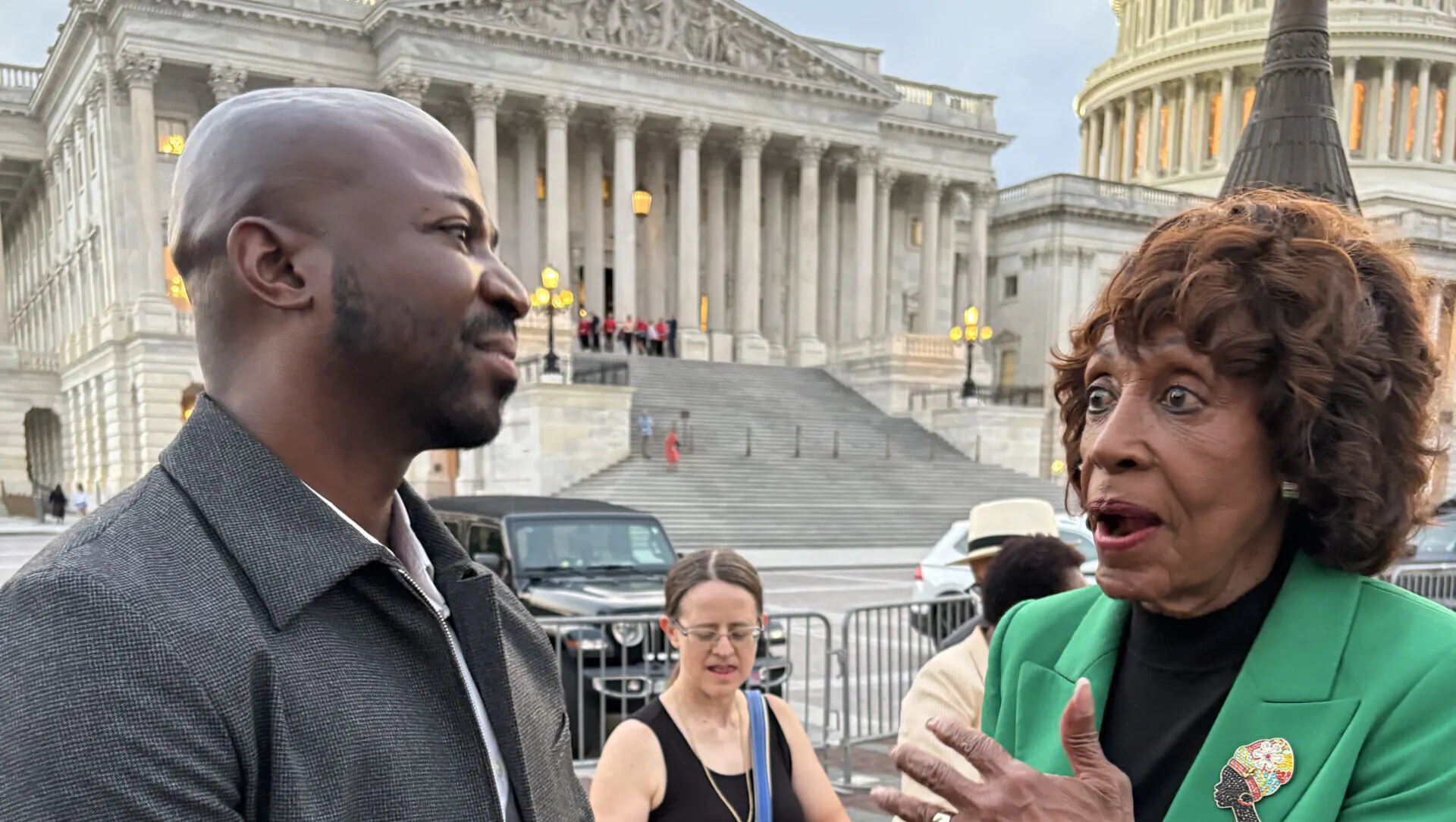
The emergence of candidates such as Larriett reflects a broader phenomenon visible throughout American politics: voters increasingly seek leaders whose experiences feel connected to contemporary realities rather than institutional traditions. Entrepreneurship, lived experience, advocacy, and outsider status now function as political credentials alongside traditional pathways into public office.
At the same time, electoral success remains governed by organisational strength, fundraising capacity, coalition building, voter turnout, and message discipline. Inspirational narratives alone rarely overcome structural political realities. Every campaign ultimately confronts the mathematics of elections.
For this reason, Larriett’s campaign should be viewed less as an isolated candidacy and more as a case study in the changing nature of American political competition. It highlights the tension between historical voting patterns and emerging demographic realities, between symbolic progress and practical governance, and between institutional power and grassroots mobilisation.
Whether or not the campaign ultimately succeeds, it contributes to an ongoing national conversation about representation, accountability, citizenship, and the evolving meaning of political participation in the United States.
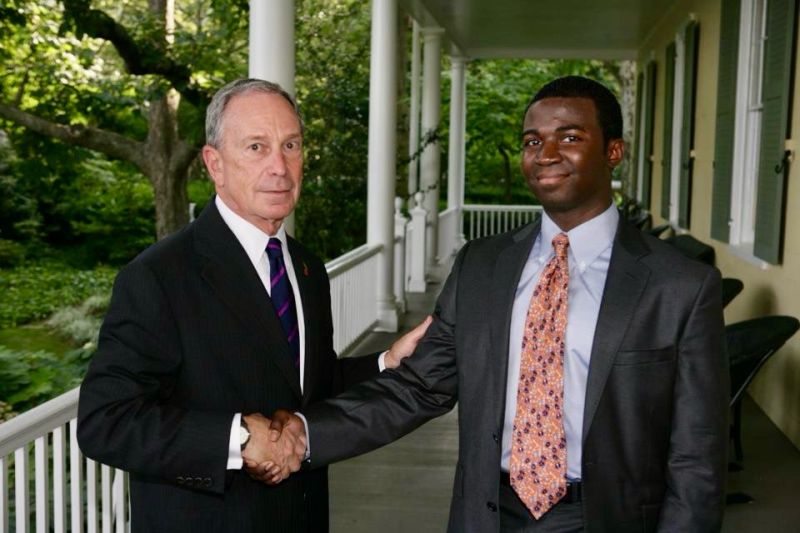
Democracy is often measured by who wins elections. More importantly, it is measured by who believes they have the right to compete in them.
Dakarai Larriett’s Senate campaign is significant not because it guarantees political transformation, but because it reflects a larger question confronting American democracy: who gets to participate, who gets to lead, and how societies respond when voices from outside traditional centres of power enter the national conversation.
The future of American politics will not be determined solely in Washington. It will be shaped in states like Alabama, where demographic change, economic uncertainty, institutional distrust, and competing visions of citizenship continue to redefine the boundaries of political possibility.
Why These Matter - WTM MEDIA is an independent editorial platform exploring the forces shaping our world—through people, culture, commerce, design, systems, and governance. Connecting the dots between today’s headlines and tomorrow’s realities.