Across the globe, nuclear energy provides nearly 10% of electricity. For nations lacking oil or gas, it is lifeline. For those seeking climate goals, it is low-carbon bridge. France relies on nuclear for stability. Japan, despite Fukushima, reopens reactors. Developing nations look to nuclear as promise of modernisation.
Nuclear power embodies humanity’s paradox. It can light cities—or incinerate them. It can sustain prosperity—or annihilate civilisation. Since the splitting of the atom, humanity has lived in this contradiction. In 2025, nuclear power is no longer merely technological. It is economic. Energy grids depend on reactors. Markets depend on stability. Geopolitics depends on arsenals. Survival itself depends on navigating this fragile intersection.
The economics of survival is no longer about growth or efficiency. It is about whether nuclear power is harnessed for life—or weaponised for death.
Across the globe, nuclear energy provides nearly 10% of electricity. For nations lacking oil or gas, it is lifeline. For those seeking climate goals, it is low-carbon bridge. France relies on nuclear for stability. Japan, despite Fukushima, reopens reactors. Developing nations look to nuclear as promise of modernisation.
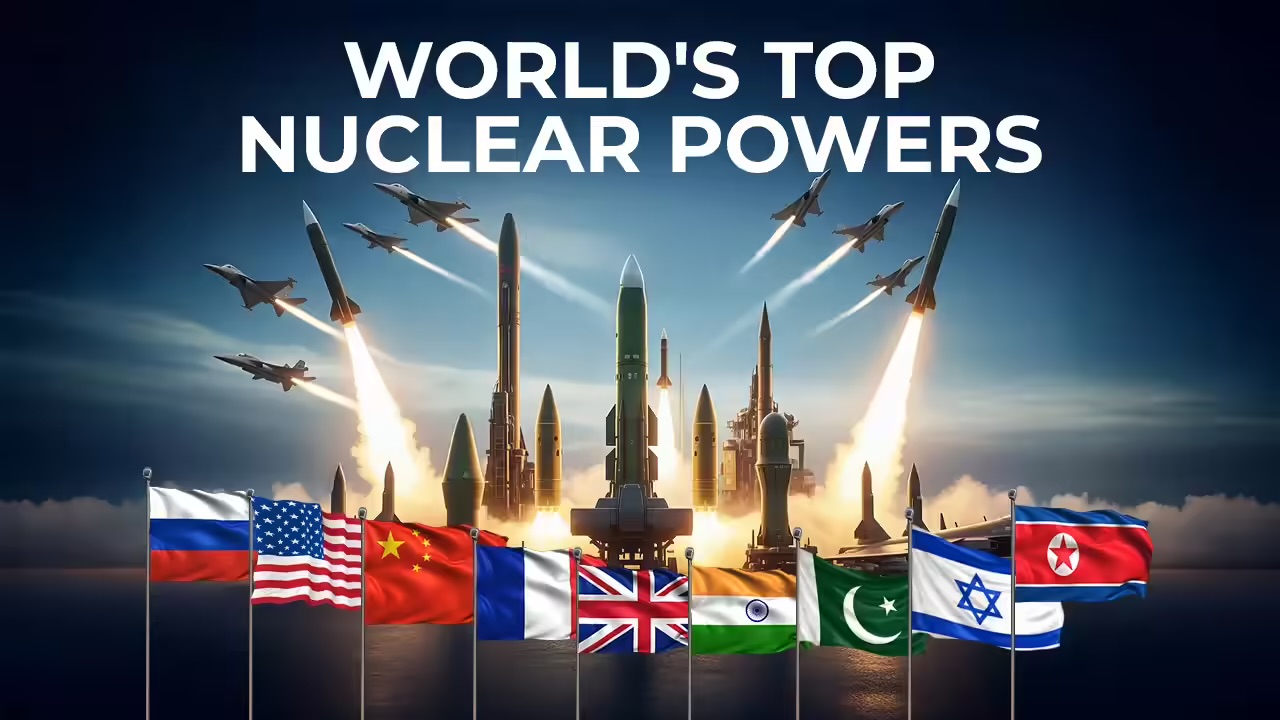
Yet the economics are complex. Reactors are costly to build, maintain, and decommission. Waste management remains unresolved. Accidents carry catastrophic costs. Nuclear energy is lifeline—but expensive, dangerous, fragile. Parallel to energy is arsenal. Nine nations hold nuclear weapons. Thousands of warheads remain active. Deterrence rests on their existence.
But arsenals are not free. They require trillions to maintain. They distort economies, diverting resources from welfare to weapons. They impose psychological costs—fear, suspicion, mistrust. The economics of deterrence is absurd: nations bankrupt themselves to maintain weapons they cannot use. Survival becomes paradox—protecting life by threatening annihilation.
Markets react to nuclear tension instantly. Threats raise oil prices. Tests destabilise currencies. Rumours rattle stocks. The atom shapes not only geopolitics but daily trading screens. Investors hedge against apocalypse as casually as against inflation. Fear becomes commodity. Futures markets price in survival. This commodification of catastrophe reveals fragility. An economy that normalises nuclear risk is an economy gambling with extinction.
The economics of nuclear power is also arithmetic of proliferation. Nations invest billions to join the club. Iran edges closer. North Korea flaunts. Others watch and consider. The cost-benefit is cynical: nuclear weapons deter invasion. Nations without them—Ukraine, Iraq, Libya—suffered intervention. Nations with them—North Korea, Pakistan—avoid regime change.
The arithmetic incentivises proliferation. Survival seems cheaper with warheads than without. The economics of deterrence becomes contagious. Modern civilisation is interconnected. Power grids, trade routes, financial systems—all fragile. A single nuclear strike would collapse markets, halt trade, paralyse systems.
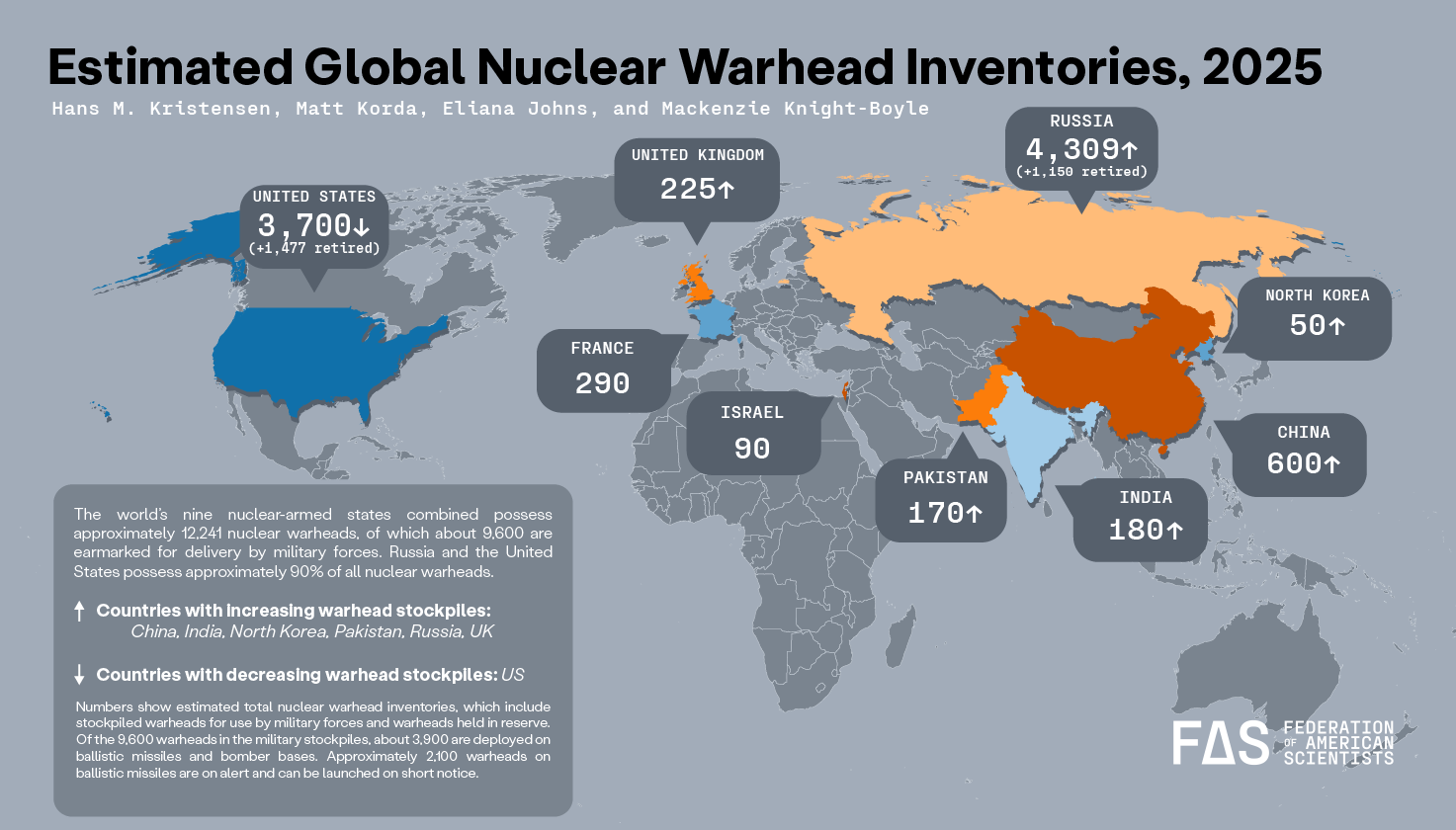
Economists model climate change over decades. Nuclear war would erase economies in hours. Supply chains vanish. Currencies evaporate. Insurance collapses. The economics of survival reveals fragility: prosperity rests on assumption of peace. Remove that assumption, and civilisation unravels instantly.
Nuclear power reveals moral bankruptcy in economics. Corporations profit from building reactors and weapons. Governments justify trillions in arsenals while neglecting healthcare, education, poverty. Markets treat survival as risk premium, not moral imperative.
The contradiction is brutal: the same atom that could decarbonise energy grids is trapped in logic of annihilation. Survival becomes subordinated to profit. Moral bankruptcy corrodes legitimacy. Citizens sense hypocrisy. Trust in institutions erodes.
For citizens, nuclear economics feels abstract. Yet its consequences are ultimate. Taxes fund arsenals. Energy bills fund reactors. Accidents scar generations. Wars threaten annihilation. Nuclear power sits at the intersection of energy, war, and economics. Its role in survival reveals the fragility of global finance, security, and civilisation itself.
Silence is costly. During the Cold War, peace movements demanded disarmament. Today, apathy prevails. Leaders gamble unchallenged. Citizens distract themselves with markets that collapse without warning.
Survival requires vigilance. Silence subsidises annihilation. Is a sustainable nuclear future possible? Perhaps—if energy is separated from arsenals, if reactors are secured, if waste is managed, if treaties revive, if proliferation halts.
The economics of survival requires investment in resilience, not in fear. It requires shifting trillions from arsenals to infrastructure, from bombs to grids, from destruction to design. Sustainability is not technical. It is political. It is moral. It is urgent.
Nuclear power and the economics of survival matter because they reveal civilisation’s contradictions. The atom sustains life yet threatens annihilation. Economies thrive on stability yet gamble on apocalypse. Leaders speak of security yet invest in annihilation.
This still matters because survival is fragile. The economics of annihilation cannot be sustained indefinitely. Humanity must choose: harness nuclear power for life, or continue to subsidise death.
The question is not whether nuclear power will shape survival. It already does. The question is whether humanity can align economics with existence before fragility becomes finality.
Kelly Dowd, MBA, MA, is an author, systems architect, and Editor-in-Chief of WTM MEDIA. Dowd examines the intersections of people, power, politics, and design—bringing clarity to the forces that shape democracy, influence culture, and determine the future of global society. Their work blends rigorous analysis with cultural insight, inviting readers to think critically about the world and its unfolding narratives.
Why These Matter - WTM MEDIA is an independent editorial platform exploring the forces shaping our world—through people, culture, commerce, design, systems, and governance. Connecting the dots between today’s headlines and tomorrow’s realities.