The FIFA World Cup presents itself as a sporting tournament. In reality, it is one of the largest systems experiments humanity conducts. The 2026 FIFA World Cup—hosted across Canada, Mexico, and the United States—will involve billions of viewers, millions of visitors, unprecedented infrastructure coordination, vast commercial investment, and intense geopolitical scrutiny. Football may attract the audience, but the tournament reveals something much larger: how modern civilisation functions under global attention.
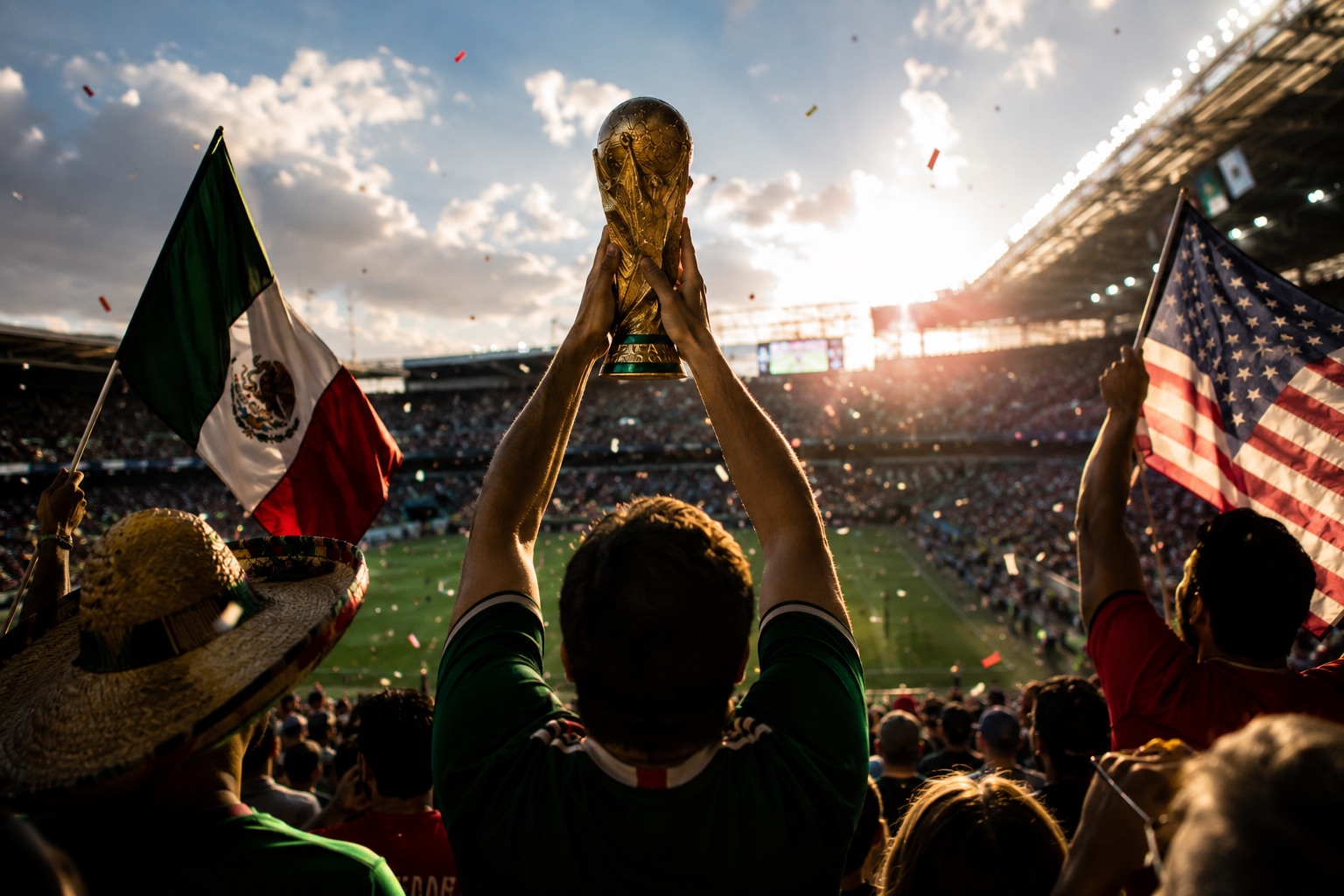
Sport is one of the few remaining institutions capable of commanding simultaneous global attention. In an era defined by fragmented media, algorithmic silos, and declining trust in institutions, the World Cup continues to operate as a rare shared experience. Billions of people who agree on little else still gather around ninety minutes of football.
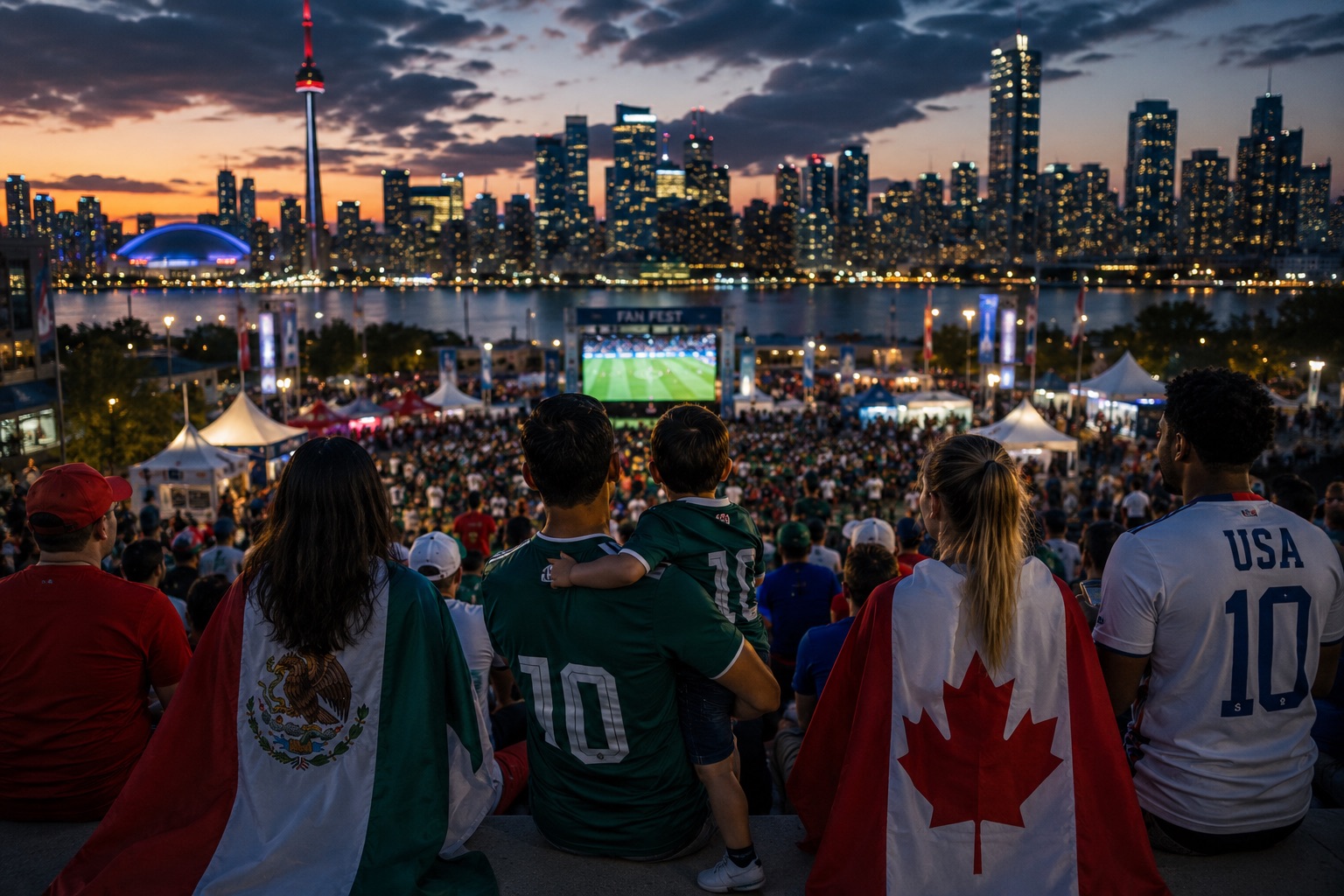
The scale is difficult to comprehend. The 2026 tournament expands from 32 to 48 participating nations and increases the number of matches from 64 to 104. More teams mean more supporters, more travel, more broadcasting demand, more security requirements, and more commercial activity. What appears to be a sporting expansion is also an expansion of economic and logistical complexity.
Historically, major civilisations have always organised around collective rituals. Ancient Rome had the Colosseum. Medieval societies had religious pilgrimages. Modern nations have elections and sporting events. The World Cup functions as a contemporary global ritual where identity, aspiration, rivalry, and belonging are publicly expressed.
Unlike conferences such as Davos or gatherings such as the G7, participation in the World Cup is not limited to political leaders or corporate elites. A factory worker in Lagos, a student in São Paulo, an entrepreneur in Toronto, and a family in Seoul can simultaneously participate in the same global conversation. Few institutions possess this degree of democratic visibility.
The tournament also demonstrates the power of attention as a modern currency. Broadcasting rights, sponsorship agreements, social media engagement, merchandise sales, tourism spending, and hospitality revenue collectively generate billions of dollars. Football is the visible product. Attention is the underlying asset.
Viewed through a systems lens, the World Cup is less a sporting competition than a temporary global operating system. For one month, human attention converges around a shared narrative. The event becomes a living laboratory for economics, culture, technology, infrastructure, and behaviour.
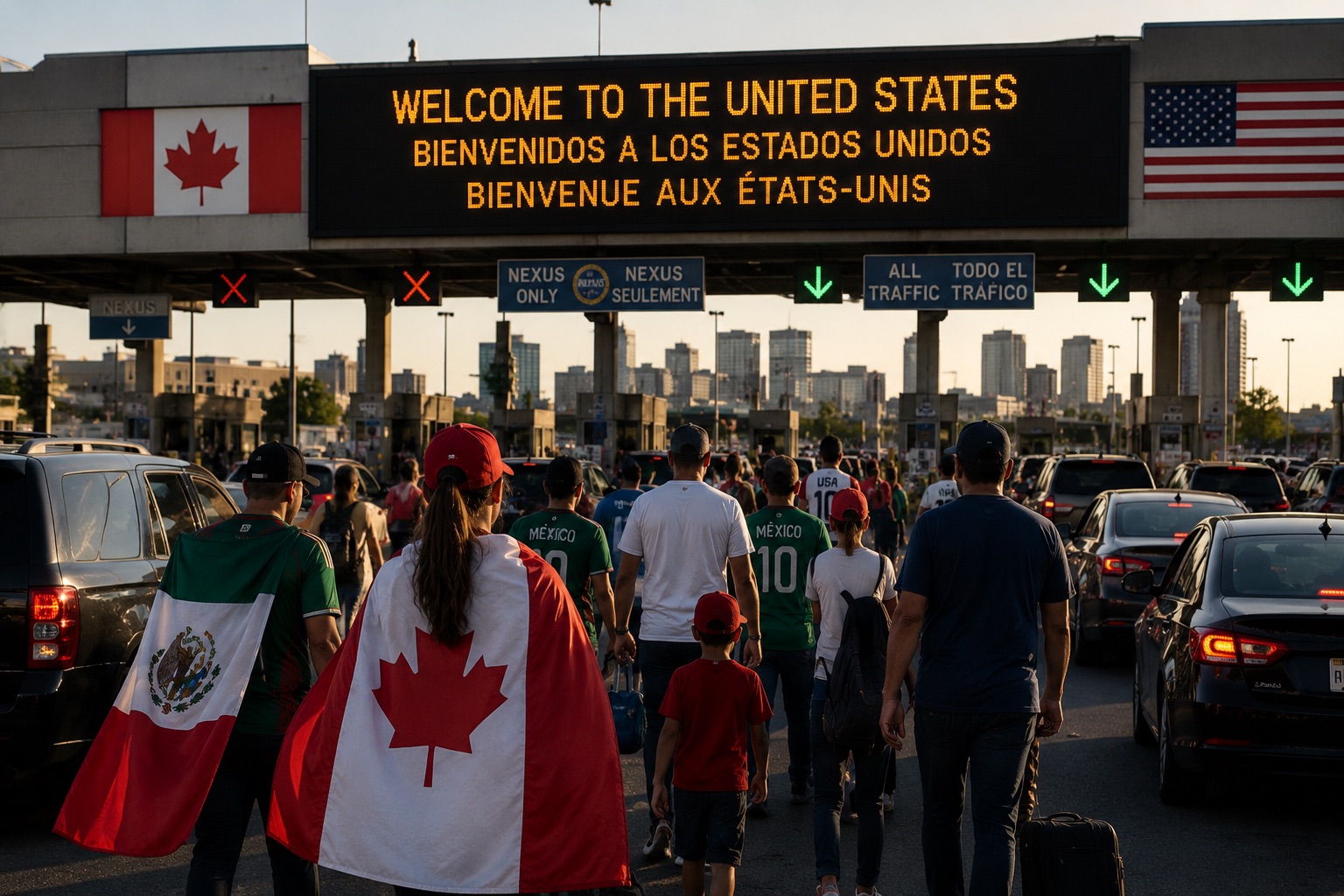
The 2026 World Cup marks the first time three countries jointly host the tournament. Canada, Mexico, and the United States represent distinct political systems, economic realities, demographic compositions, and cultural identities. Coordinating a tournament across three sovereign nations is itself an extraordinary organisational achievement.
Infrastructure becomes the first test. Airports, rail systems, public transportation networks, telecommunications systems, security operations, hospitality sectors, and emergency response capabilities must function seamlessly despite operating under different jurisdictions and regulatory frameworks.
The tournament also reveals the relationship between sport and geopolitics. Border crossings, visa approvals, immigration procedures, customs operations, and security protocols become critical components of the spectator experience. Football may occur inside stadiums, but the tournament begins at airports and border checkpoints.
The World Cup has also generated controversy. Reports regarding visa restrictions, ticket affordability, fan accessibility, and travel challenges illustrate the tension between global inclusion and national sovereignty. Such tensions are not anomalies. They are reflections of broader debates occurring across modern society.
Yet the collaboration itself remains significant. At a time when international cooperation often appears increasingly fragile, three nations have committed to delivering a single global event requiring unprecedented coordination. The logistical complexity rivals many large-scale governmental and commercial operations.
The result is a fascinating paradox. The tournament simultaneously highlights both humanity’s divisions and its capacity for cooperation. The same event that exposes disagreements over borders, policy, and economics also demonstrates the possibility of large-scale collaboration across those differences.
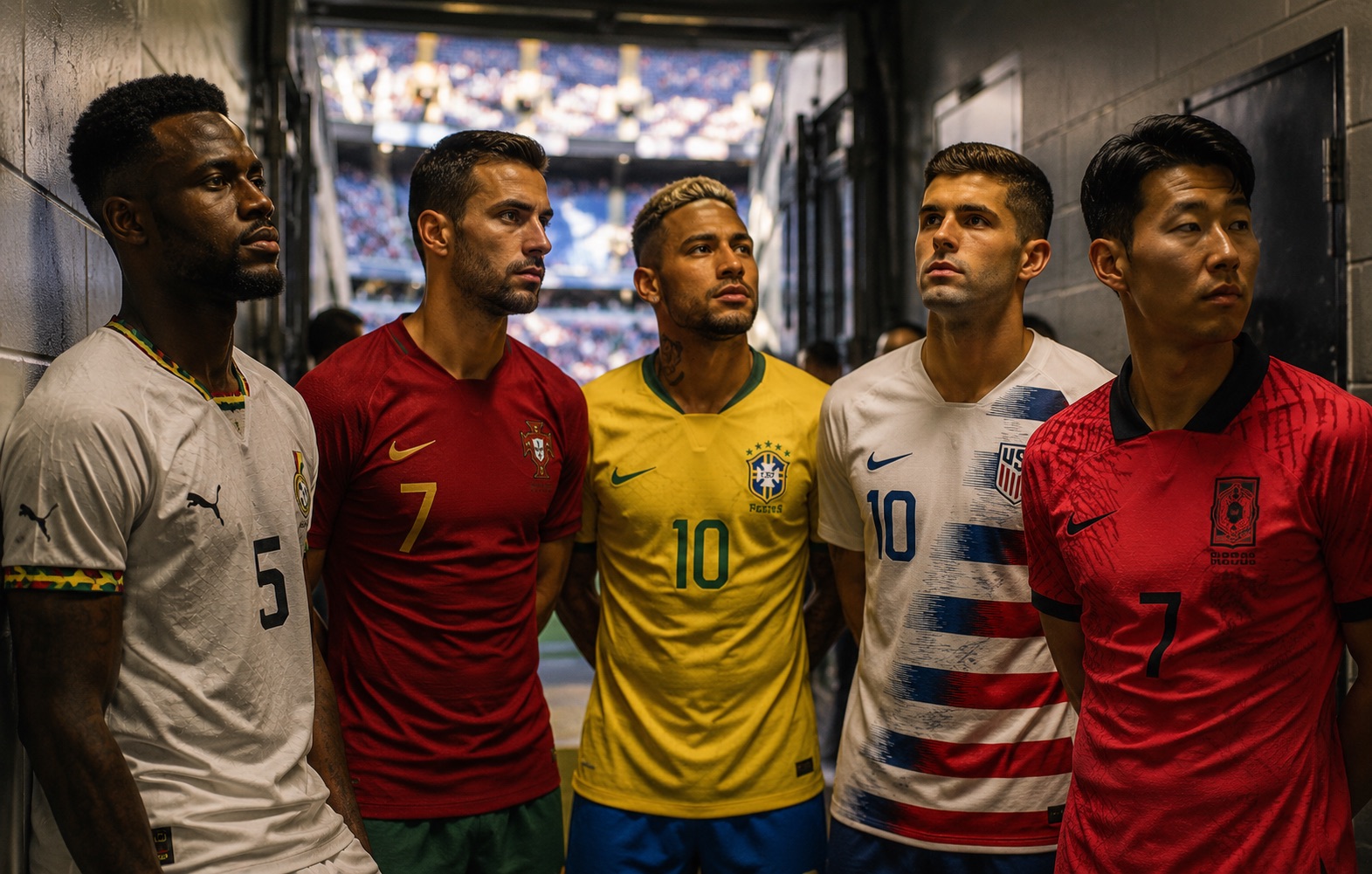
Football is often described as the world’s game. The phrase is accurate not because every nation plays equally well, but because every nation projects meaning onto it. Football acts as a mirror through which societies see themselves.
National teams become symbols of collective identity. Supporters celebrate victories as evidence of national capability and mourn defeats as collective disappointment. The emotional intensity surrounding international football reveals how deeply humans seek belonging to something larger than themselves.
Migration and diaspora further complicate the story. Modern national teams increasingly reflect global movement patterns. Players frequently possess multiple cultural identities, family histories spanning continents, and personal narratives that challenge simplistic definitions of nationality.
Nigeria offers a particularly powerful example. Despite failing to qualify for the 2026 tournament, Nigerian influence remains visible throughout the competition. Players of Nigerian heritage represent numerous nations, while Nigerian music, culture, fashion, entrepreneurship, and global diaspora networks continue to shape the broader tournament environment.
Representation extends beyond nationality. Questions surrounding race, gender, inclusion, economic access, and opportunity increasingly shape how sporting institutions are evaluated. Modern audiences no longer separate athletic competition from the broader social systems surrounding it.
Football therefore functions as a cultural microscope. The sport reveals patterns of migration, identity formation, economic inequality, social aspiration, technological change, and global interconnectedness. The ball may move across the pitch, but the deeper movement occurs within society itself.
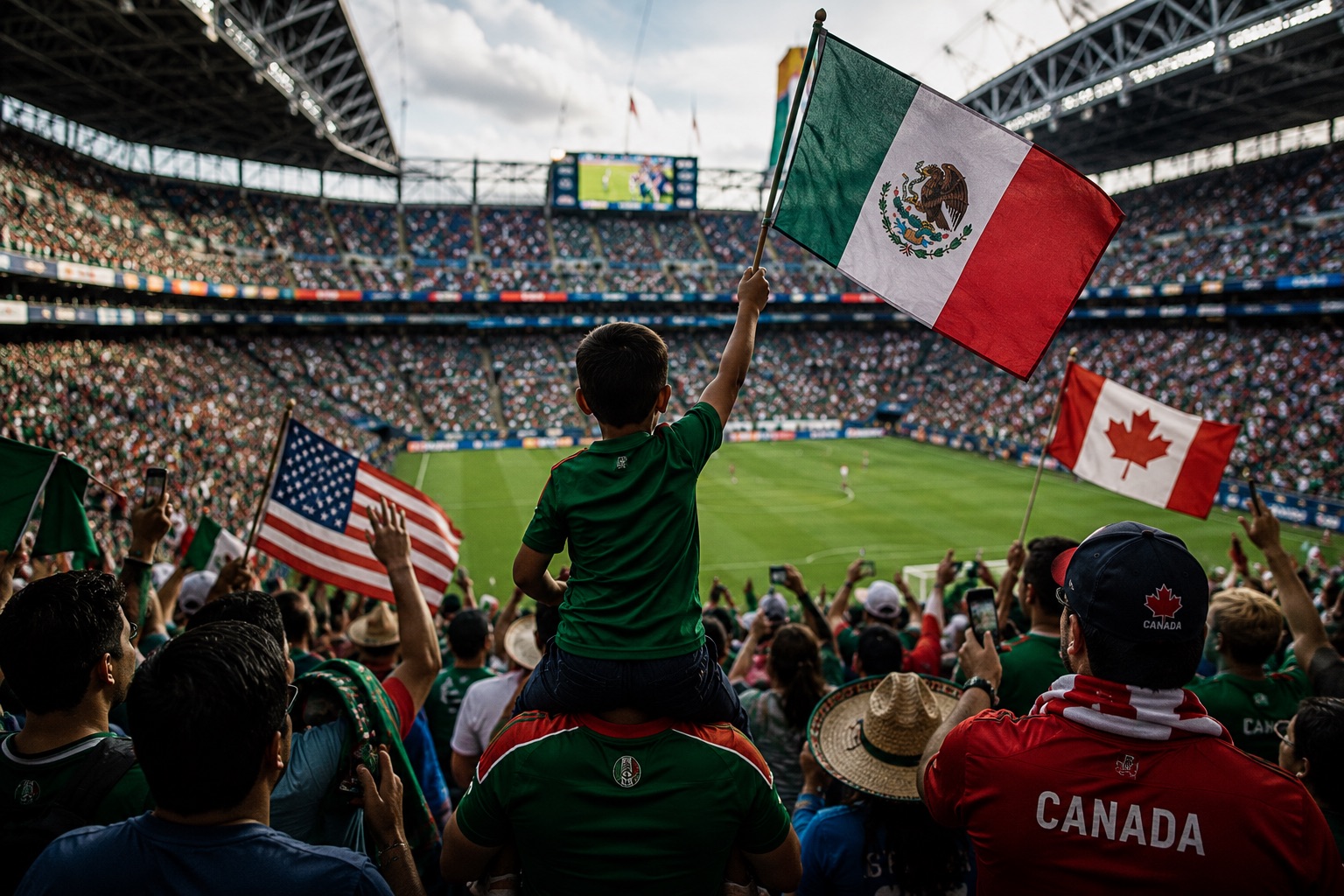
Many observers view sport as entertainment. That interpretation overlooks its strategic significance. Sport is one of the clearest windows available into how societies organise power, identity, resources, and attention.
The World Cup demonstrates how modern economies increasingly monetise experiences rather than products. The tournament generates extraordinary value not because it manufactures physical goods but because it captures human attention at planetary scale. Understanding that shift helps explain much of the twenty-first-century economy.
The tournament also illustrates the growing importance of infrastructure. Stadiums attract headlines, but transportation systems, communication networks, energy grids, digital platforms, and security frameworks determine whether the event succeeds. Civilisation ultimately depends on systems that most people never notice.
Equally important is the role of representation. Billions of people use the World Cup to see themselves reflected in the global story. Nations seek recognition. Communities seek visibility. Individuals seek belonging. These psychological dynamics often matter as much as the final score.
For Canada, Mexico, and the United States, the tournament becomes a test of continental cooperation. For participating nations, it becomes a test of competitive excellence. For global audiences, it becomes a test of shared attention in an increasingly fragmented world.
Football does not create civilisation. It reveals it. The 2026 FIFA World Cup offers a rare opportunity to observe how economics, politics, culture, technology, infrastructure, identity, and human aspiration interact simultaneously. The matches matter. The systems behind them matter even more.

Why These Matter - WTM MEDIA is an independent editorial platform exploring the forces shaping our world—through people, culture, commerce, design, systems, and governance. Connecting the dots between today’s headlines and tomorrow’s realities.