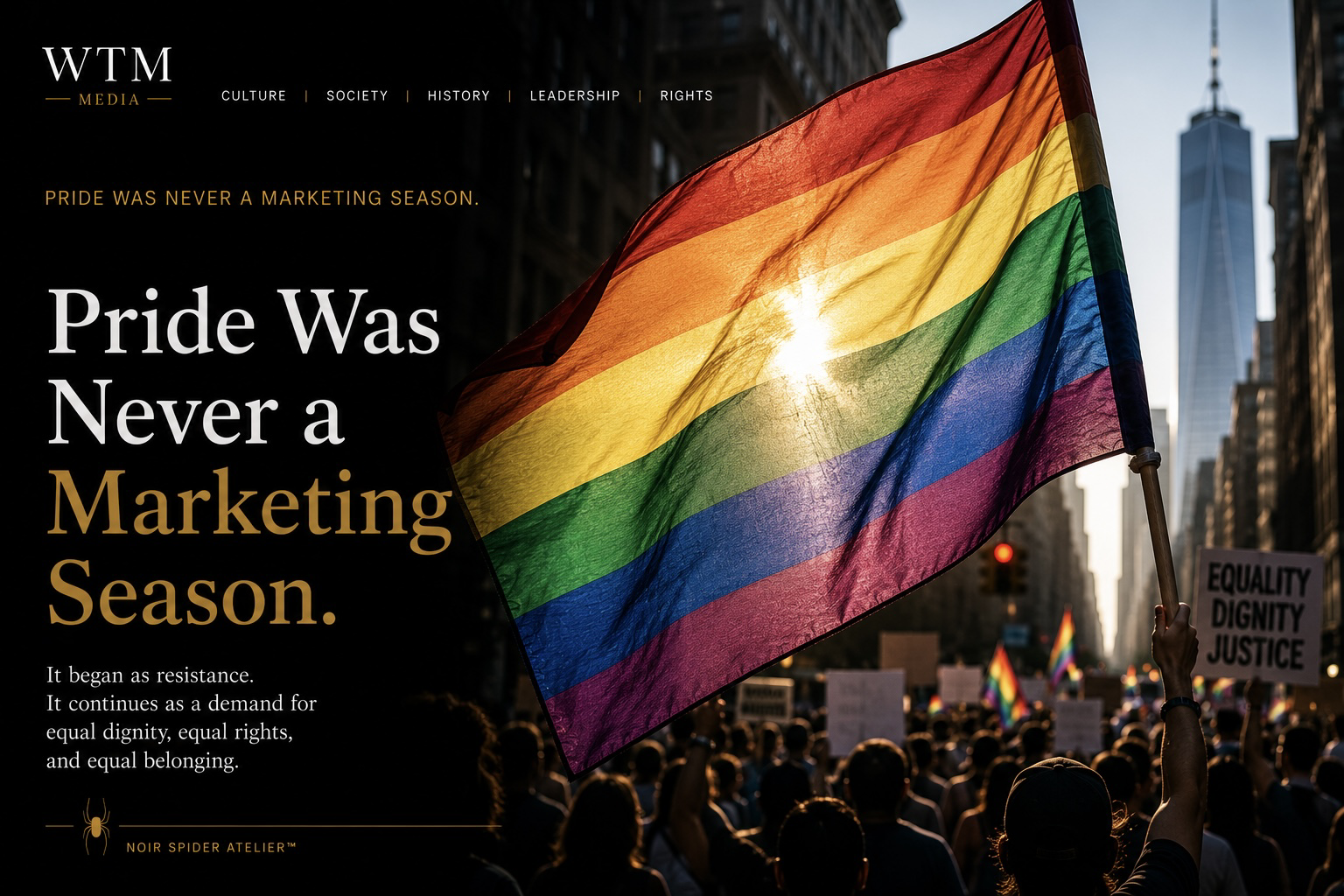
Every June, logos become rainbow-coloured, storefronts celebrate diversity, and companies compete to demonstrate solidarity with LGBTQ+ communities. Yet Pride did not begin as a marketing campaign, a branding exercise, or a seasonal corporate activation. It began as resistance. The Stonewall Uprising of June 1969 was not a celebration. It was the culmination of decades of discrimination, police raids, legal exclusion, and societal hostility towards people whose existence challenged prevailing norms. Pride emerged from that moment as an assertion of dignity, humanity, and equal citizenship. More than half a century later, Pride has become simultaneously more accepted and more contested. Some organisations have embraced LGBTQ+ inclusion as a genuine expression of institutional values. Others have reduced it to seasonal symbolism. Meanwhile, public debate has become increasingly polarised, often obscuring the deeper questions Pride originally sought to confront: Who belongs? Who decides? What does equality actually require? This editorial examines Pride not as a cultural event, but as an institutional case study in how societies negotiate visibility, rights, identity, commerce, and democratic values.
Stonewall occupies an unusual place in public memory because it was never intended to become symbolic. The patrons inside the Stonewall Inn in New York were not drafting manifestos or planning a movement. They were attempting to occupy one of the few public spaces where LGBTQ+ people could gather with relative safety during a period when many aspects of their existence remained criminalised, medicalised, or socially condemned.
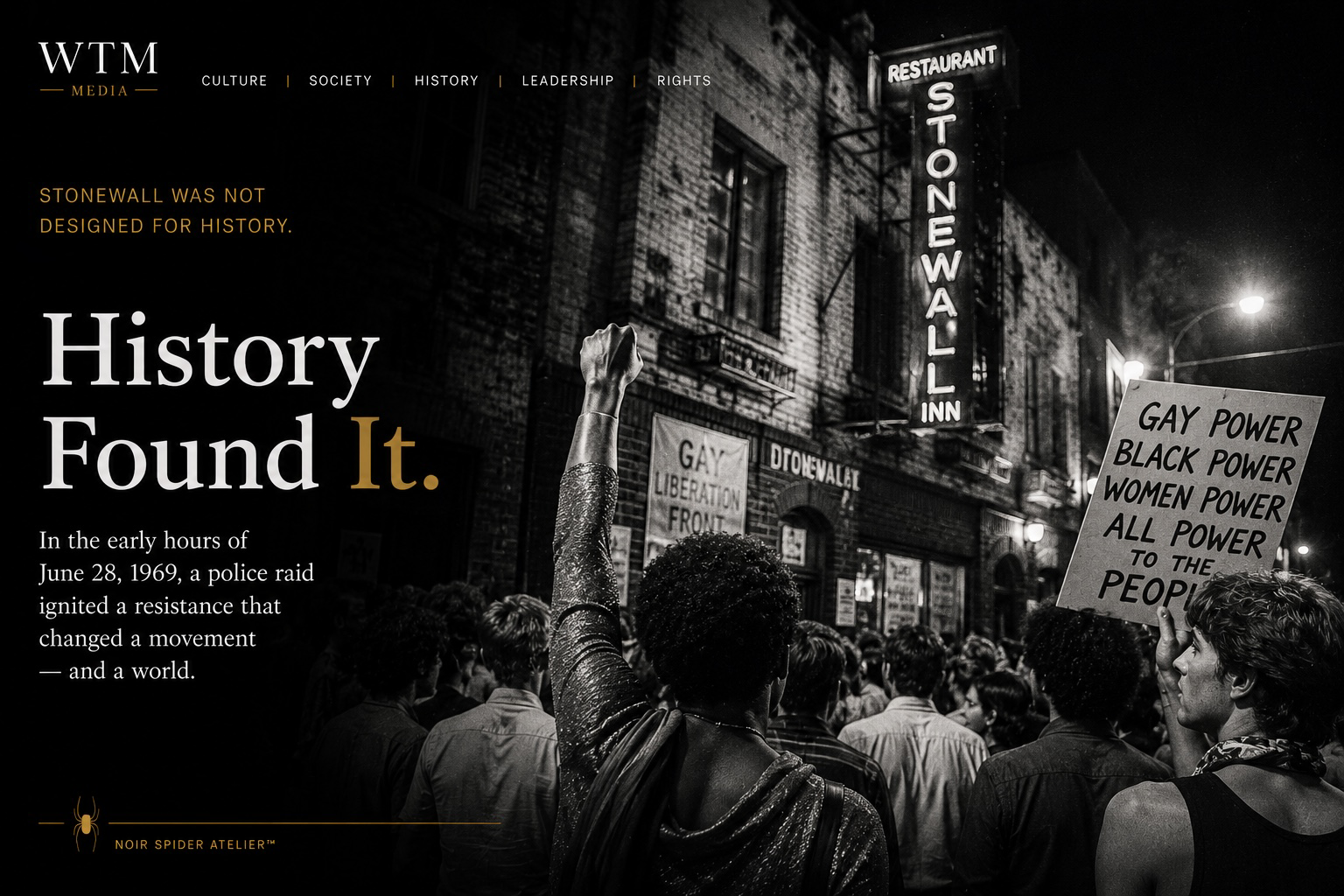
Police raids against gay establishments were routine. Arrests carried consequences extending far beyond a single evening. Careers ended. Families fractured. Newspapers often published names. Social exclusion became institutional rather than merely personal. Visibility itself represented risk. In that environment, privacy functioned as survival.
The uprising that followed the police raid in June 1969 was therefore remarkable not because it was perfectly organised, but because ordinary individuals collectively refused a pattern that had become normal. It represented an interruption of institutional expectations. Instead of dispersing, people remained. Instead of accepting humiliation, they resisted.
Historical movements rarely emerge from isolated events. Stonewall became significant because it crystallised frustrations accumulated across decades. Numerous activists, organisations, and legal campaigns had already laid intellectual foundations for reform. Stonewall accelerated public consciousness by transforming dispersed grievances into visible collective action.
Importantly, Stonewall should not be romanticised. It involved fear, uncertainty, confrontation, and genuine risk. Many participants had no certainty that public opinion would ever change. Their actions reflected courage without assurance of success.
That distinction matters because history often sanitises difficult moments after victory has already arrived. Remembering Stonewall accurately requires recognising not merely celebration, but uncertainty, vulnerability, and extraordinary personal sacrifice.
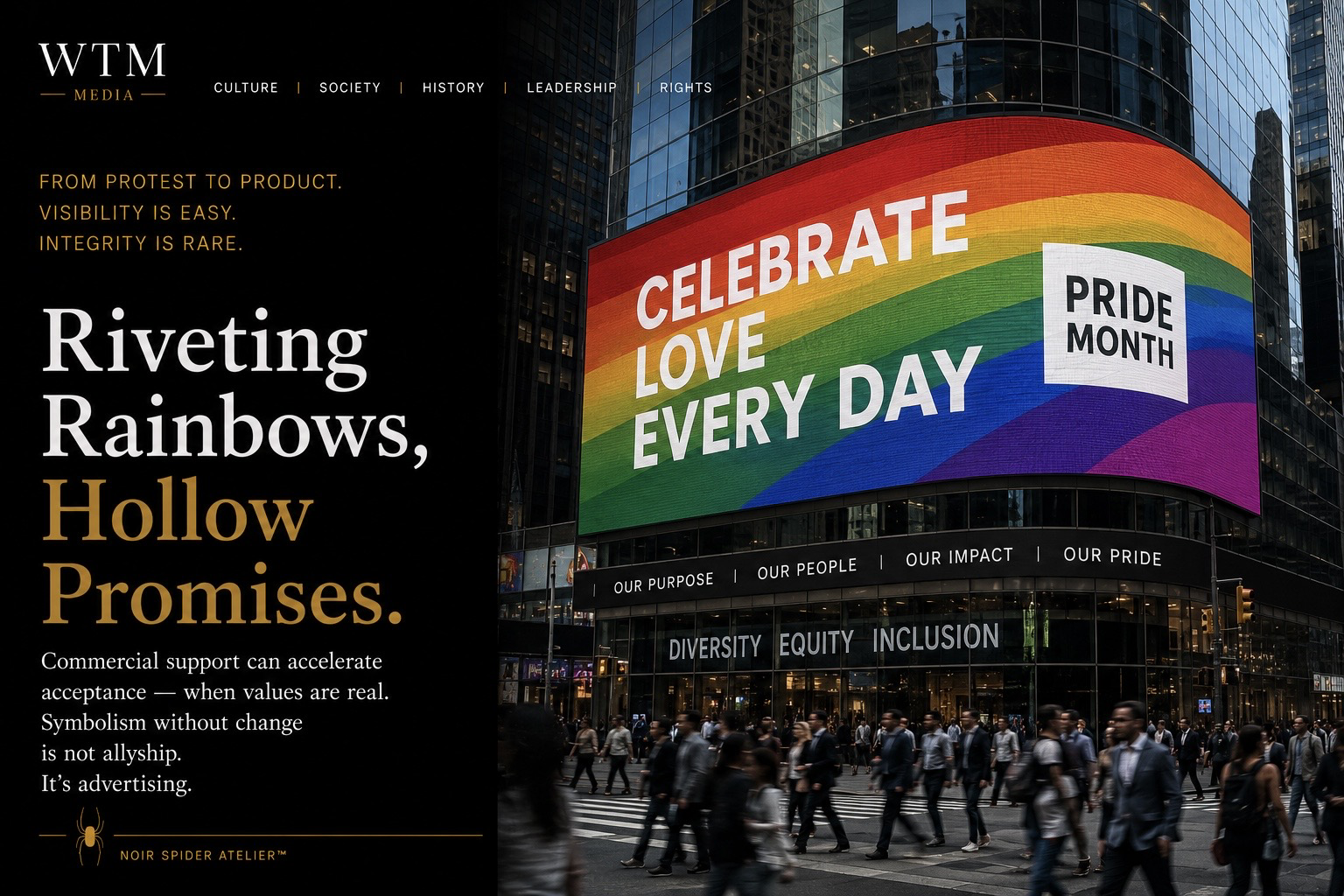
Modern Pride exists within a marketplace fundamentally different from the one activists confronted in 1969. Today, multinational corporations launch Pride campaigns, retailers produce seasonal collections, technology companies redesign logos, and global advertising agencies develop annual LGBTQ+ marketing strategies.
Some of these efforts reflect sincere institutional change. Many organisations have expanded employee protections, supported inclusive hiring practices, invested in healthcare benefits, funded community initiatives, and advocated for equality through public policy. Commercial visibility can reinforce social acceptance when accompanied by meaningful organisational commitments.
Yet commercial participation also introduces a structural tension. Markets naturally reward visibility, symbolism, and emotional resonance. Those incentives sometimes encourage companies to prioritise external messaging over internal transformation. Inclusion becomes performative when branding advances more quickly than governance.
Consumers have become increasingly sophisticated in recognising this distinction. Employees examine workplace policies. Investors evaluate governance practices. Journalists investigate political donations. Communities compare public campaigns with institutional behaviour. Symbolism alone no longer satisfies informed audiences.
The criticism frequently described as “rainbow-washing” reflects this growing expectation. It does not reject corporate participation altogether. Rather, it questions whether visible support corresponds with measurable institutional accountability throughout the year.
Ironically, the maturation of Pride has produced a higher standard rather than lower expectations. Visibility is now assumed. Credibility depends upon consistency.
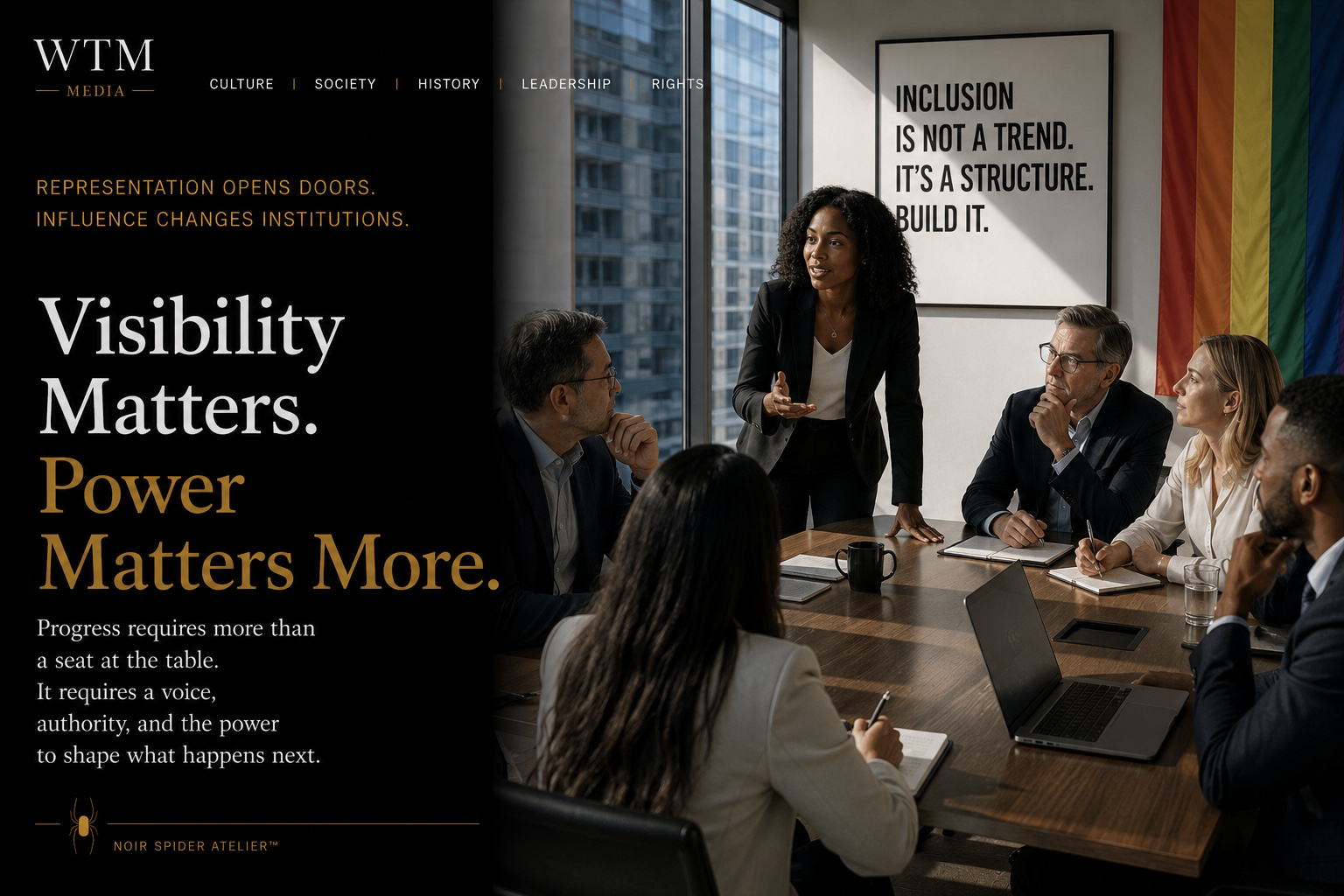
Representation carries enormous symbolic importance because institutions communicate values through the people they elevate, portray, employ, and celebrate. Seeing previously excluded communities represented within leadership, media, government, education, and business expands collective understanding of who belongs.
However, representation alone rarely resolves structural inequality. Diversity without authority becomes decoration. Visibility without influence produces symbolic inclusion rather than institutional participation. Genuine progress requires individuals not only to appear within organisations, but to shape decisions affecting organisational futures.
This distinction explains why debates surrounding Pride increasingly extend beyond representation towards governance. Questions now concern executive leadership, board composition, healthcare access, workplace culture, educational opportunity, legal protection, and public safety.
Institutional maturity requires balancing multiple realities simultaneously. Societies contain individuals with profoundly different cultural, religious, political, and philosophical perspectives. Democratic systems therefore require mechanisms allowing disagreement without denying equal dignity under law.
The strongest institutions distinguish between respecting diversity of opinion and permitting discrimination against people. Those principles are not identical. Democracies succeed when disagreement remains protected while equal citizenship remains secure.
Pride therefore continues evolving because institutions themselves continue evolving. Every generation inherits new questions requiring thoughtful negotiation rather than permanent certainty.
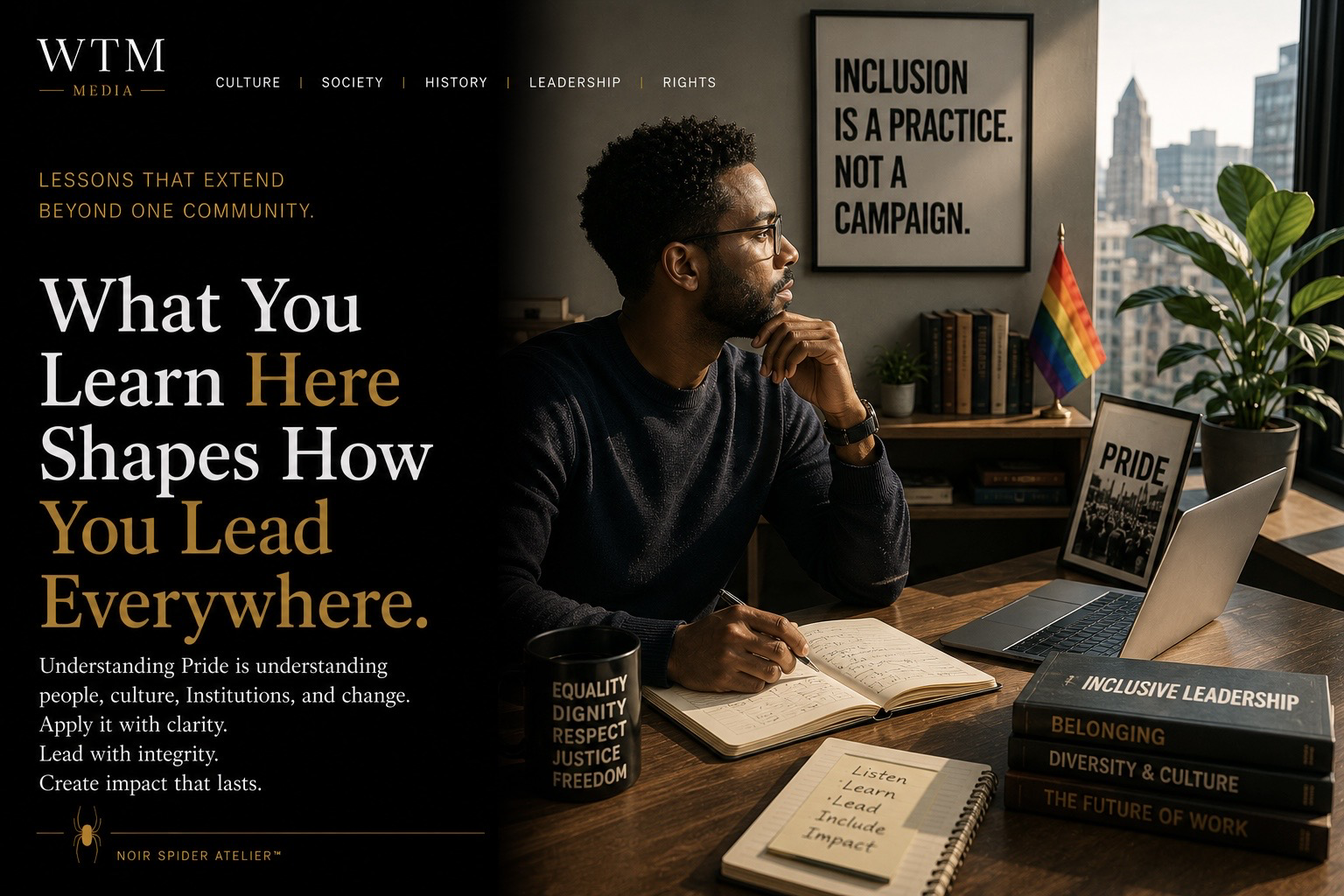
Whether or not you personally identify as LGBTQ+, Pride offers valuable lessons about leadership, institutional design, and social change. It demonstrates how marginal ideas can gradually reshape mainstream institutions through persistence rather than immediate victory.
For business leaders, the editorial illustrates the importance of organisational integrity. Employees increasingly evaluate whether institutional behaviour aligns with stated values. Trust compounds when leadership communicates consistently across policy, culture, recruitment, governance, and public engagement.
For educators, Pride reminds us that history becomes stronger through complexity rather than simplification. Understanding multiple perspectives encourages critical thinking rather than ideological conformity. Mature education explores context alongside conviction.
For professionals, the story reinforces that authentic leadership often requires navigating uncomfortable conversations with empathy, evidence, and intellectual humility. Institutions capable of sustaining disagreement without fragmentation become more resilient over time.
For citizens, Pride demonstrates how democratic societies continuously renegotiate relationships between individual liberty, collective responsibility, cultural tradition, and evolving social expectations. Those negotiations are permanent features of open societies rather than temporary political disputes.
Ultimately, the lesson extends far beyond one community. Every institution eventually faces moments requiring it to decide whether existing structures continue serving changing realities. Adaptation is rarely comfortable, but thoughtful adaptation often determines institutional longevity.
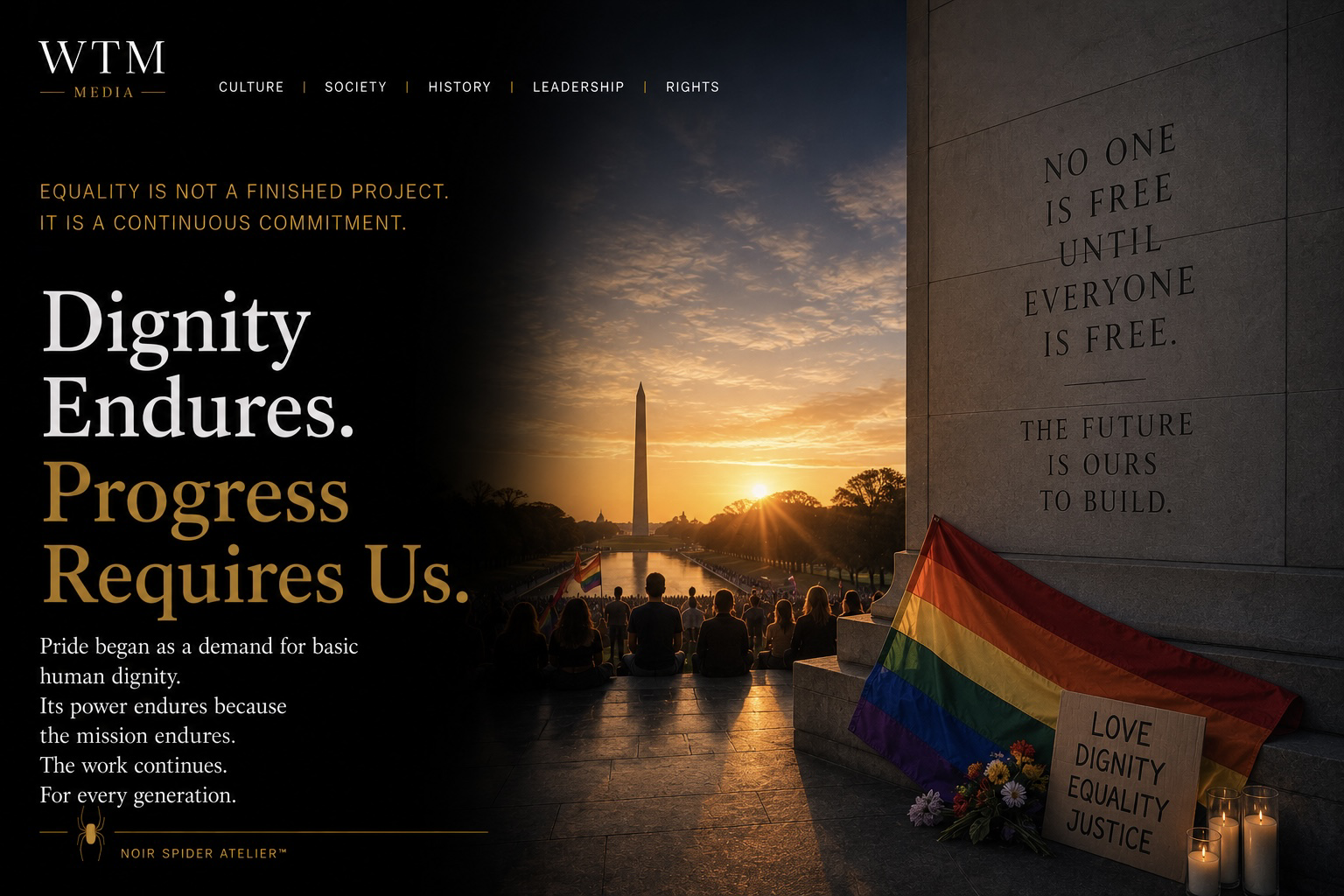
The history of Pride is not fundamentally about flags, parades, or seasonal campaigns. It is about how societies determine whose humanity receives institutional recognition, legal protection, and public legitimacy. Those questions extend far beyond any single movement.
Throughout history, institutions have repeatedly confronted demands to expand participation. Women sought voting rights. Workers demanded safer conditions. Racial minorities challenged segregation. People with disabilities advocated accessibility. LGBTQ+ communities sought equal citizenship. Each movement forced institutions to examine assumptions that once appeared permanent.
The specific issues differ, yet the institutional pattern remains remarkably consistent. Systems designed for one historical moment eventually encounter populations whose experiences reveal structural limitations. Progress emerges not through perfection, but through continuous institutional learning.
This does not require universal agreement on every cultural question. Democratic societies will always contain competing moral, religious, political, and philosophical perspectives. What sustains democratic legitimacy is the ability to manage those differences without abandoning equal dignity before the law.
For WTM Media, Pride represents an enduring lesson in Strategic Systems Intelligence. Institutions that survive across generations distinguish between temporary cultural cycles and permanent human principles. Trends fluctuate. Politics shifts. Markets evolve. Human dignity remains foundational.
The future will not belong to institutions that merely respond to social change when it becomes commercially convenient. It will belong to institutions capable of combining historical understanding, ethical leadership, intellectual honesty, and the courage to examine difficult questions without reducing them to slogans. That is how trust is built. That is how legitimacy endures.
Editorial Intelligence: WTM Culture Editor
Visual Intelligence: Noir Spider Atelier™ – A Division of WTM Media
Editorial Direction: Kelly Dowd, MBA, MA – Editor-in-chief
Copyright: © 2026 WTM Media. All rights reserved.

Why These Matter - WTM MEDIA is an independent editorial platform exploring the forces shaping our world—through people, culture, commerce, design, systems, and governance. Connecting the dots between today’s headlines and tomorrow’s realities.