
One hundred years after the birth of Marilyn Monroe, Hollywood is once again confronting a question larger than celebrity itself: why do certain individuals remain culturally alive long after death while others vanish despite greater contemporary visibility? At a centennial celebration hosted by The Hollywood Museum, a collection of personal artefacts, rare photographs, and historical memorabilia was assembled not merely to commemorate a film star, but to preserve one of the most enduring symbols of twentieth-century identity. The exhibition reveals a deeper system at work—how institutions curate collective memory, how icons become economic assets, and how culture itself functions as a form of infrastructure that shapes human aspiration across generations.
A century after her birth, Marilyn Monroe remains one of the most recognisable human beings on Earth. Few political leaders, industrialists, scientists, or artists command equivalent global recognition. Her image persists across continents, languages, and generations, reproduced endlessly on walls, screens, advertisements, clothing, and social media feeds. In a civilisation obsessed with novelty, Monroe represents an anomaly: permanence.
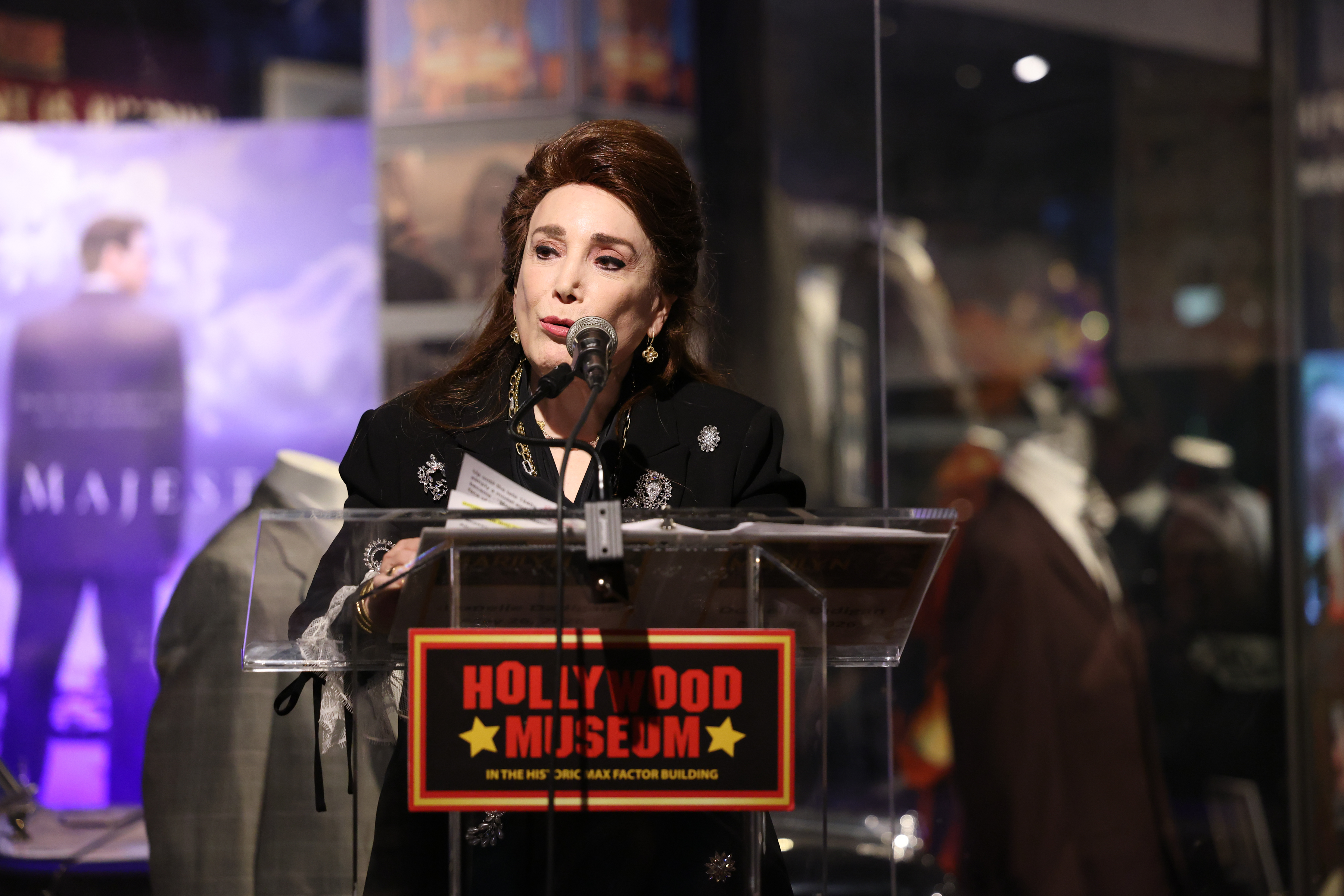
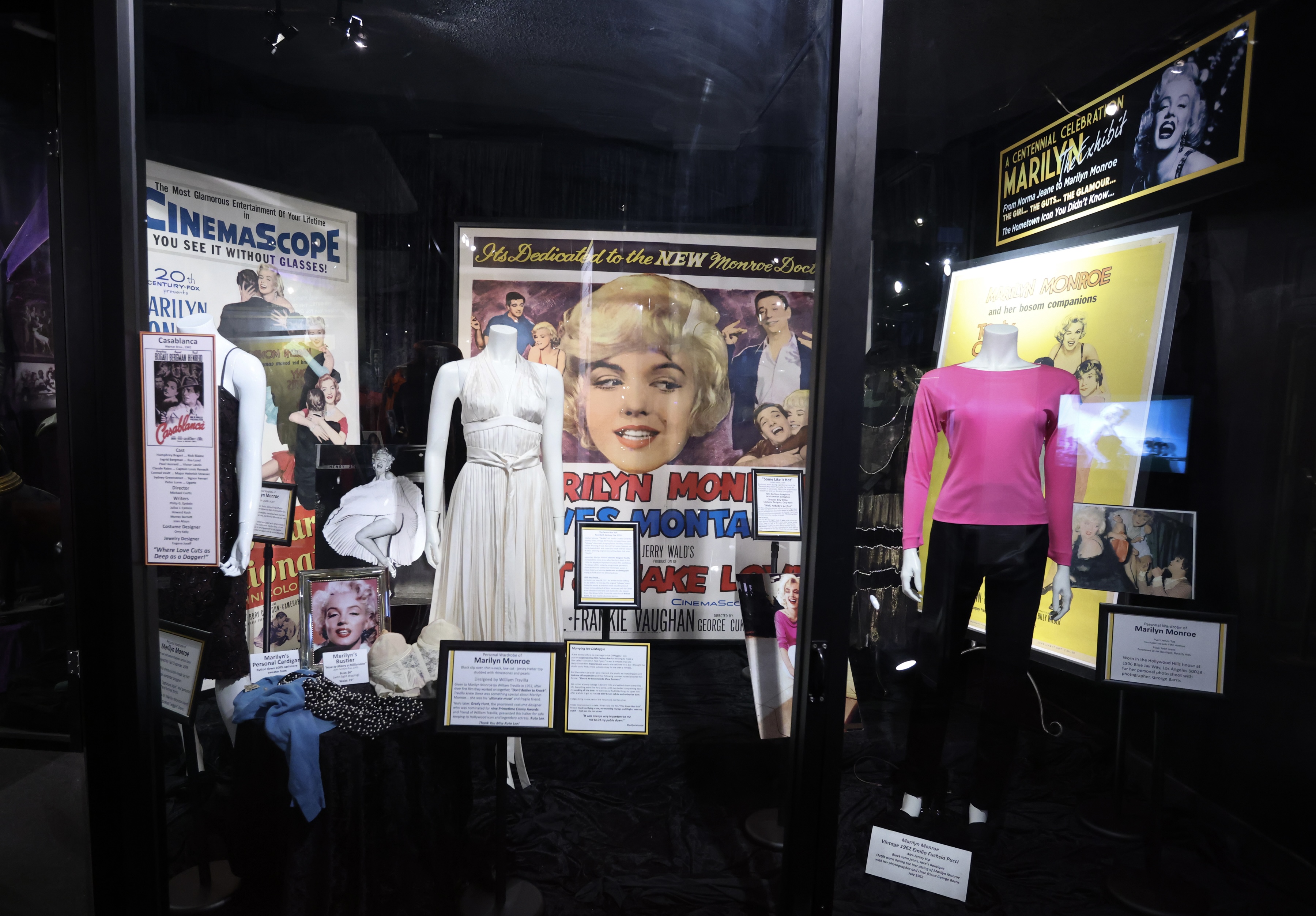
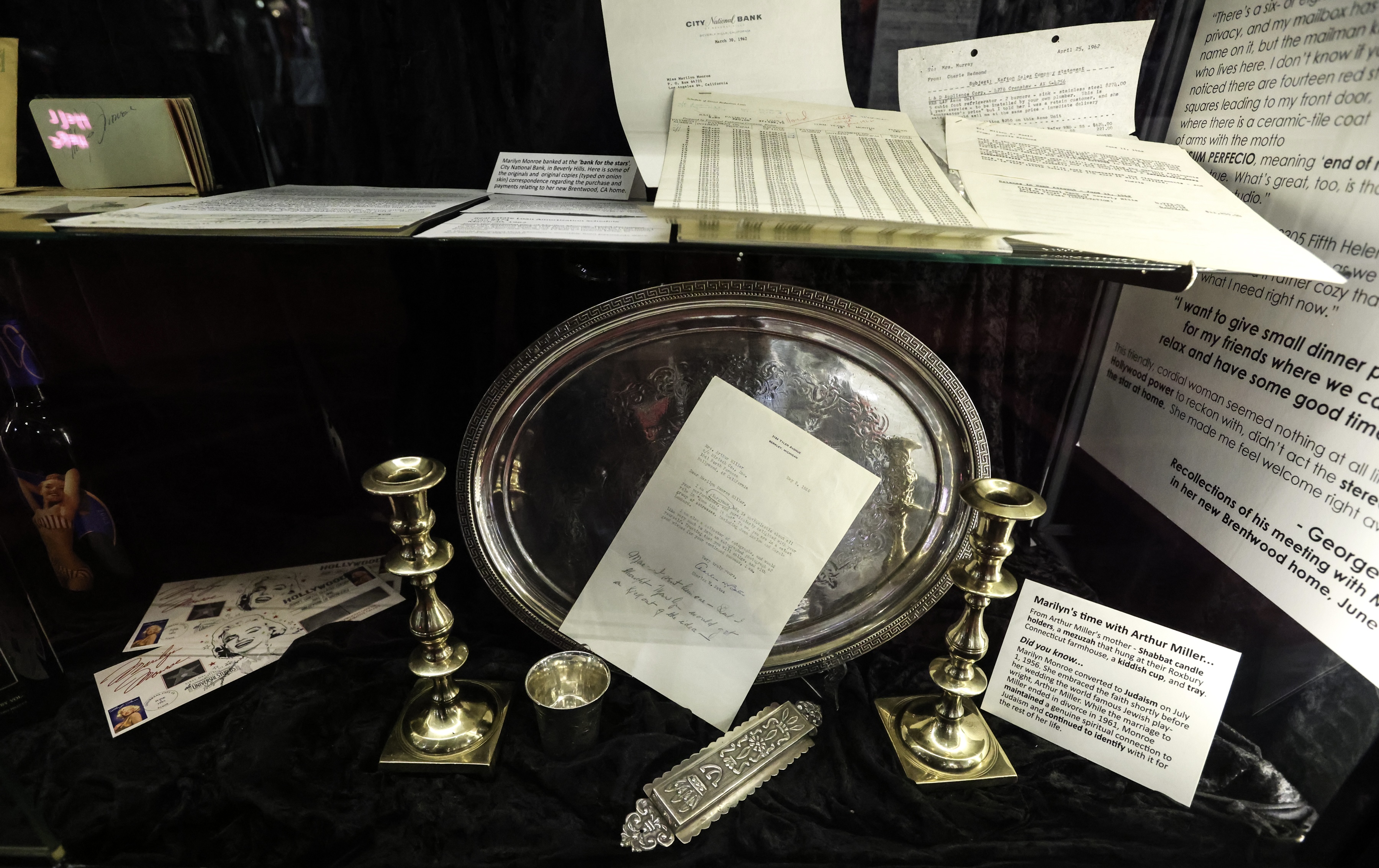
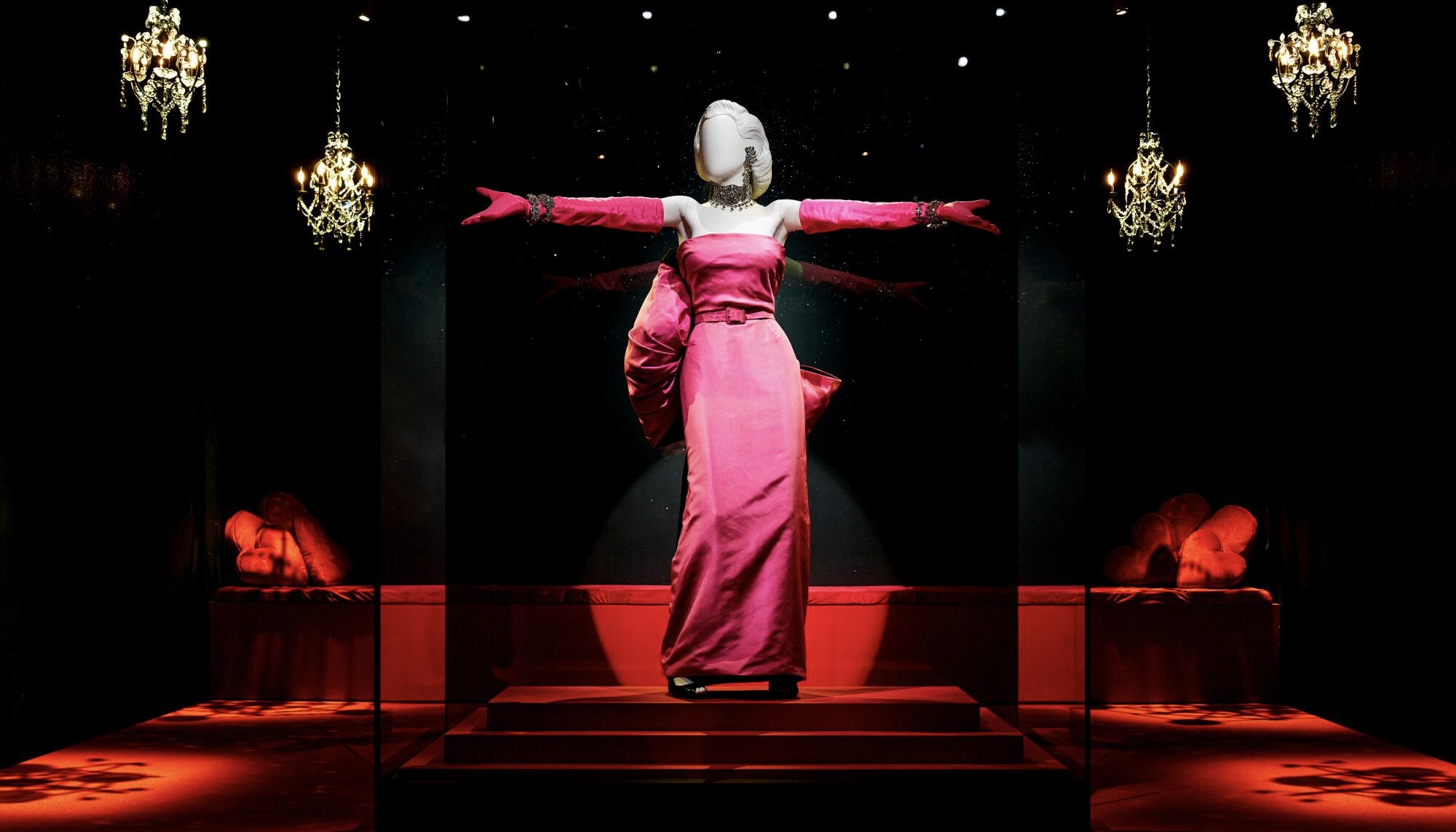
The centennial celebration hosted by The Hollywood Museum was therefore not merely an entertainment event. It was an exercise in cultural preservation. The museum re-dedicated its historic “Blondes Only Room,” displaying deeply personal artefacts ranging from Monroe’s clothing and jewellery to her makeup case, honeymoon dress, correspondence-linked possessions, and previously unseen photography.
The significance of these objects extends beyond their monetary value. Human beings are storytelling creatures. We build emotional attachment through narrative, symbolism, and physical artefacts. Museums exist because memory requires architecture. Without institutions dedicated to preservation, culture gradually dissolves into fragmented recollection and digital noise.
Hollywood itself understands this dynamic better than most industries. The entertainment business is fundamentally a memory business. Films, performances, and personalities become repositories for collective emotion. Monroe’s continued relevance demonstrates that audiences do not merely remember stories; they remember how those stories made them feel.
The irony is that Monroe emerged from a system designed to manufacture replaceable stars. The classic studio era treated performers as commercial assets, carefully managed and strategically positioned. Yet Monroe ultimately transcended the machinery that created her. Norma Jeane Mortenson became Marilyn Monroe, and Marilyn Monroe became something larger than both woman and brand: a cultural archetype.
Archetypes possess unusual durability because they operate beneath conscious thought. Monroe came to represent beauty, vulnerability, ambition, loneliness, glamour, desire, and the contradictions of modern womanhood simultaneously. Few public figures manage to embody multiple human tensions at once. That complexity explains why she continues to invite reinterpretation decades after her death.

The centennial exhibition also illuminates an often-overlooked truth: culture requires institutions willing to protect it. The Hollywood Museum, housed within the historic Max Factor Building, serves as a custodian of entertainment history, preserving more than 10,000 artefacts spanning a century of filmmaking and television.
In economic terms, museums occupy a curious position. They rarely generate the financial returns associated with technology firms, investment funds, or media conglomerates. Yet their societal value can be immense. They safeguard collective memory, provide educational context, and maintain continuity between generations. They function as civilisation’s archives.
The Monroe exhibit reinforces this role by combining public history with personal intimacy. Visitors encounter not merely the icon presented on cinema screens but traces of an individual life: possessions, photographs, clothing, and artefacts that reveal humanity beneath mythology. Such encounters matter because they resist the flattening effect of celebrity culture.
Particularly notable is the inclusion of rare imagery from the estate of photographer George Barris. According to the exhibition announcement, visitors can view previously unpublished material from Barris’s final photographic sessions with Monroe during the summer of 1962, only weeks before her death. The value of these images lies not only in rarity but in perspective. They offer a different lens through which to understand a figure already saturated with public interpretation.
The modern attention economy creates a paradox. Information has become abundant while context has become scarce. Images circulate instantly but often without historical grounding. Museums counter this phenomenon by slowing observation. They encourage audiences to engage with artefacts as evidence rather than content.
This institutional function becomes increasingly important as artificial intelligence, synthetic media, and algorithmic distribution reshape public understanding. Future generations may find it difficult to distinguish historical reality from digital reconstruction. In such an environment, authenticated archives and preserved artefacts become strategic assets for truth itself.
The gathering attracted an extensive list of actors, authors, television personalities, historians, and cultural figures who came together to mark Monroe’s centennial. Yet the celebrity attendance, while notable, is not the most interesting dimension of the story.
What deserves attention is why individuals continue to organise themselves around Monroe’s legacy at all. Human beings are naturally drawn toward symbols that help explain larger social realities. Monroe functions as one such symbol. She represents the promises and costs of fame, the intersection of beauty and power, and the tension between public adoration and private suffering.
Modern celebrity culture often appears transient. Viral fame emerges rapidly and disappears just as quickly. Social platforms reward visibility rather than significance. Against this backdrop, Monroe’s endurance offers a revealing contrast. Her influence survived technological revolutions, demographic shifts, and dramatic changes in media consumption.
Part of that endurance stems from scarcity. Monroe left behind a relatively contained body of work and a life story interrupted before its natural conclusion. In psychological terms, unresolved narratives possess unusual staying power. They invite continual reinterpretation because they never fully close.
Another factor is symbolic adaptability. Every generation discovers a different Monroe. To some she is a feminist figure navigating male-dominated institution. To others she is a cautionary tale about celebrity. To still others she represents entrepreneurial reinvention, transforming herself from obscurity into global recognition. Cultural icons survive because they remain useful.
The centennial celebration therefore becomes more than a retrospective. It becomes evidence of how societies manufacture continuity. The exhibition demonstrates that fame alone does not create immortality. Institutions preserve it. Audiences renew it. Historians contextualise it. And each generation decides whether the story remains relevant enough to carry forward.
Civilisations are defined not only by what they create, but by what they choose to remember.
The Marilyn Monroe centennial exhibition reveals the intricate relationship between memory, identity, institutions, and influence. It demonstrates how museums preserve more than artefacts; they preserve cultural reference points that help societies understand themselves. It highlights the role of archives in an era of accelerating information overload. It shows how a single individual can evolve into an enduring symbol capable of influencing fashion, entertainment, economics, psychology, and public imagination long after death.
For organisations, the lesson is equally profound. Brands, governments, media companies, and cultural institutions increasingly compete not merely for attention, but for permanence. Visibility is abundant. Meaning is scarce. Legacy remains difficult.
Marilyn Monroe’s enduring relevance suggests that the most powerful form of influence is neither fame nor wealth. It is narrative permanence—the rare ability to remain psychologically present within a culture long after one’s physical presence has disappeared.
The true measure of significance may not be whether history remembers us. It may be whether future generations continue finding themselves within the stories we leave behind.
For media interviews, feature stories, museum access, exhibition information, photography requests, and coverage opportunities related to A Centennial Celebration: From Norma Jeane to Marilyn Monroe, journalists and media organisations may contact:
Roger Neal
President, Neal Public Relations (NEAL PR)
Direct: +1 714-883-0231
Email: prstarus2000@yahoo.com
Publicity, celebrity relations, entertainment media, and event coordination.
Harlan Boll
BHBPR
Direct: +1 323-708-4172
Email: harlan@bhbpr.com
Media relations, interview coordination, talent access, and publicity inquiries.
Donelle Dadigan
Founder & President
The Hollywood Museum
Museum Information: (323) 464-7776
Official Website: The Hollywood Museum
The Hollywood Museum houses one of the world’s largest collections of Hollywood memorabilia and serves as custodian of the Marilyn Monroe Centennial Exhibition.
WTM Media believes the most compelling conversations extend beyond celebrity and into the preservation of cultural memory, institutional stewardship, and the enduring influence of iconic figures on society. Potential interview topics include:
For interview requests, media partnerships, or speaking opportunities, journalists are encouraged to contact Roger Neal or Harlan Boll directly.
Why These Matter - WTM MEDIA is an independent editorial platform exploring the forces shaping our world—through people, culture, commerce, design, systems, and governance. Connecting the dots between today’s headlines and tomorrow’s realities.