
AI is reshaping medicine from diagnostic tool to empathic collaborator — a transformation that redefines care, ethics, and the essence of healing itself.
Humorous it seems but medicine’s future is no longer about machines replacing doctors but machines augmenting them — transforming healthcare from reactive to predictive, from generalised to personalised. AI already reads scans, detects anomalies, predicts epidemics, and analyses genomes. But its deeper promise lies beyond efficiency: empathy at scale. When intelligence learns compassion, medicine becomes human again.
AI’s predictive power is ending the tyranny of late diagnosis. Models now identify diseases years before symptoms manifest. Genetic analysis can predict predisposition. Wearables monitor real-time biomarkers. The era of waiting for illness is ending.
Healthcare becomes proactive rather than reactive — designed for prevention, not repair.
The doctor once studied anatomy to understand the body. Today’s physician must understand data. AI integrates thousands of variables — genes, habits, environment — creating digital twins of patients.
Medicine becomes simulation science. Every decision becomes data-driven. Yet data without context risks dehumanisation. Healing requires narrative as much as numbers.
If algorithms decide who receives treatment or funding, medicine risks moral outsourcing. Bias in data becomes bias in diagnosis. Inequality in access becomes inequality in survival.
Ethical frameworks must evolve beyond Hippocratic Oaths to Algorithmic Covenants — ensuring AI upholds dignity, privacy, and fairness.
Empathy cannot be coded, but its consequences can be measured.

AI can outperform humans in precision, but humans outperform AI in perception. The future clinic will blend both — AI diagnosing patterns, humans interpreting pain. Machines will process, humans will comfort.
The synthesis defines the empathic machine — intelligence designed not only to cure but to care.
In developing nations, where doctors are scarce, AI may democratise healthcare. Smartphones could provide diagnostic triage. Cloud-based systems can deliver medical insight where infrastructure fails.
AI may yet close the care gap — if access is treated as right, not privilege.
Medicine is not only science; it is philosophy. When machines begin to extend life indefinitely, societies must redefine meaning. Healing without mortality risks hubris.
AI will force medicine to confront its oldest paradox: to save life is noble, but to define what life means is divine.
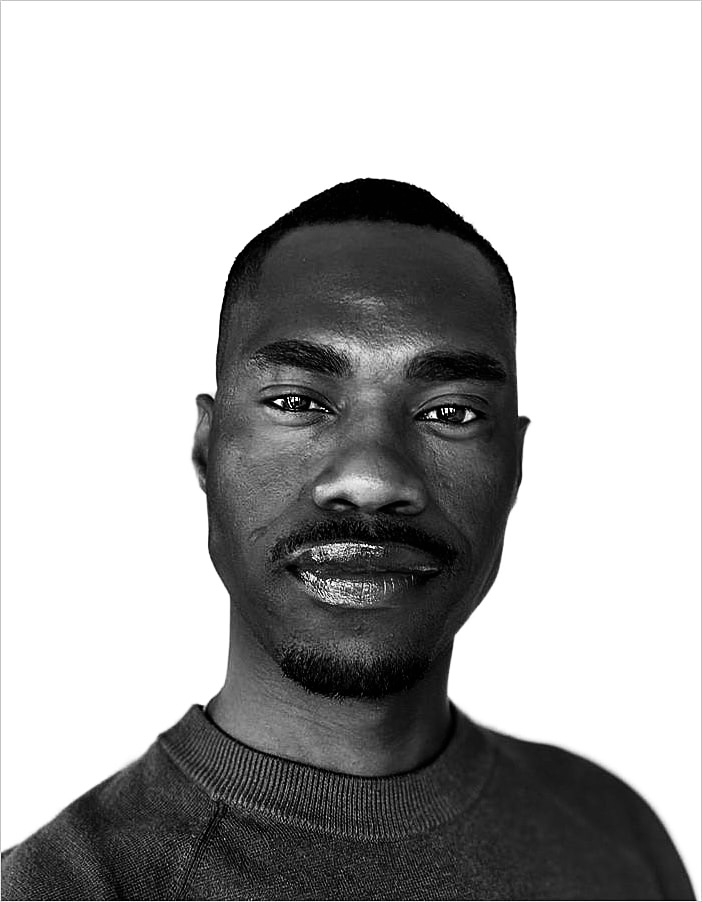
Kelly Dowd, MBA, MA, is a Systems Architect, Author of ‘The Power of HANDS’, and Editor-in-Chief of WTM MEDIA. Dowd examines the intersections of people, power, politics, and design—bringing clarity to the forces that shape democracy, influence culture, and determine the future of global society. Their work blends rigorous analysis with cultural insight, inviting readers to think critically about the world and its unfolding narratives.
Why These Matter - WTM MEDIA is an independent editorial platform exploring the forces shaping our world—through people, culture, commerce, design, systems, and governance. Connecting the dots between today’s headlines and tomorrow’s realities.