
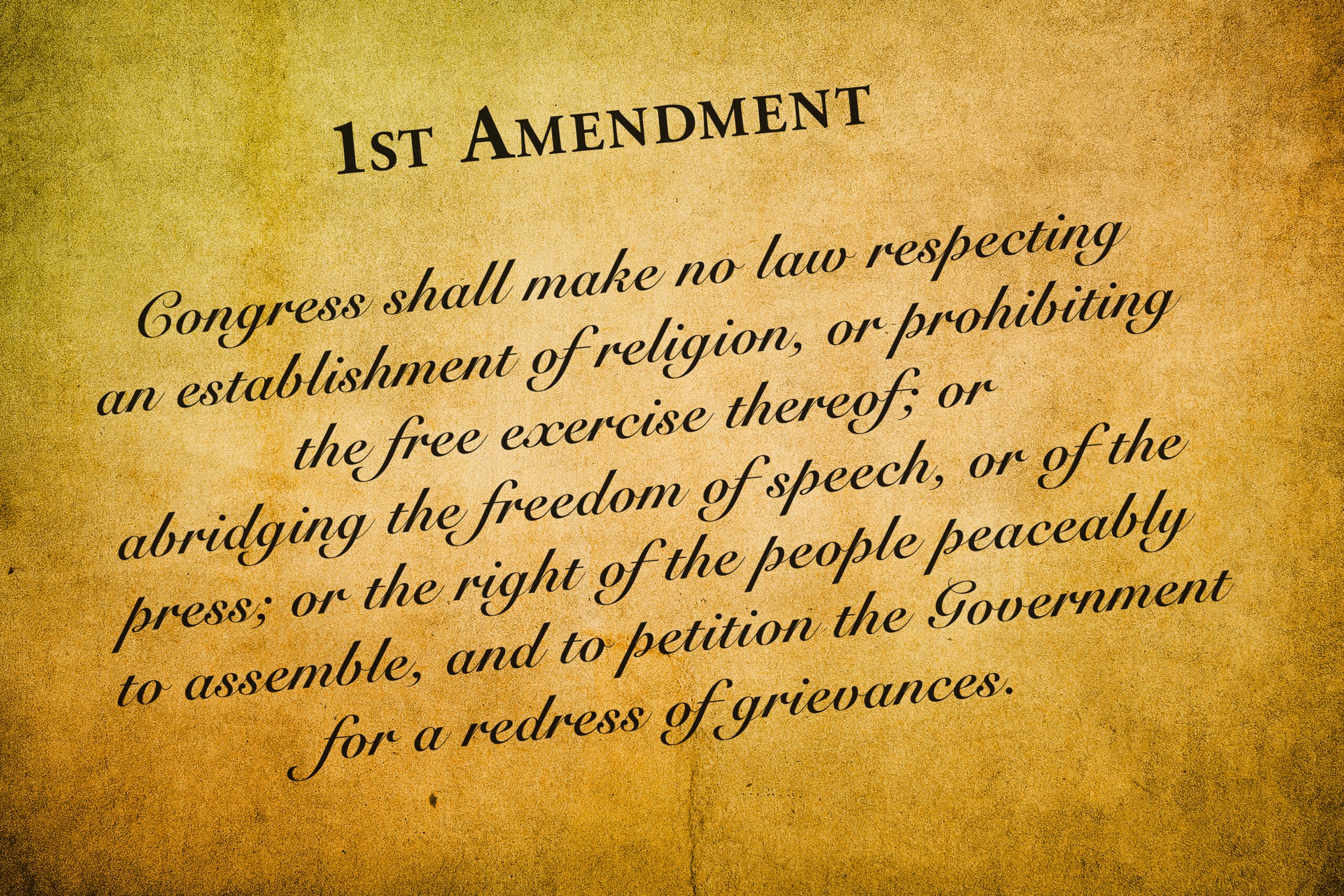
The United States is now in an stress-test phase. Institutions are probing where the edges are: who qualifies as a journalist, what constitutes reporting versus participation, and when observation becomes involvement. These questions are not new, but the stakes are higher than they have been in decades. This article examines how the First Amendment becomes vulnerable not through overt repeal, but through procedural drift—and why this moment matters for the future of democratic accountability.
The erosion of press freedom in the United States is not occurring through headline bans, mass shutdowns of newsrooms, or explicit censorship laws. It is happening through ambiguity—specifically, through the gradual blurring of boundaries between journalism, opinion, activism, and civic witnessing.
This distinction matters because the First Amendment does not protect all speech equally. It protects specific functions—most notably, the act of bearing witness, reporting facts, and informing the public interest. When those functions become legally or culturally unclear, enforcement power expands quietly. The result is not the disappearance of free speech, but the erosion of permission to exercise it safely.
The United States is now in a stress-test phase. Institutions are probing where the edges are: who qualifies as a journalist, what constitutes reporting versus participation, and when observation becomes involvement. These questions are not new, but the stakes are higher than they have been in decades.
This article examines how the First Amendment becomes vulnerable not through overt repeal, but through procedural drift—and why this moment matters for the future of democratic accountability.
The First Amendment was written for a slower world. It assumed delays, debate, editorial process, and physical distribution of information. Its protections evolved around friction: time to verify, time to reflect, time to respond.
Modern systems operate in reverse. Information moves instantly. Images circulate before context. Opinions are broadcast alongside facts. And platforms reward engagement, not accuracy.
This mismatch creates legal and cultural tension. When information moves faster than verification, authorities are incentivized to respond earlier—sometimes before facts are established. That is where enforcement risk increases.
Historically, press protections were strongest when journalism was clearly distinguishable from participation. A reporter observed events. An activist shaped them. A commentator interpreted them. Today, those roles often collapse into a single individual with a phone, a platform, and an audience.
The law has not caught up—but enforcement has.
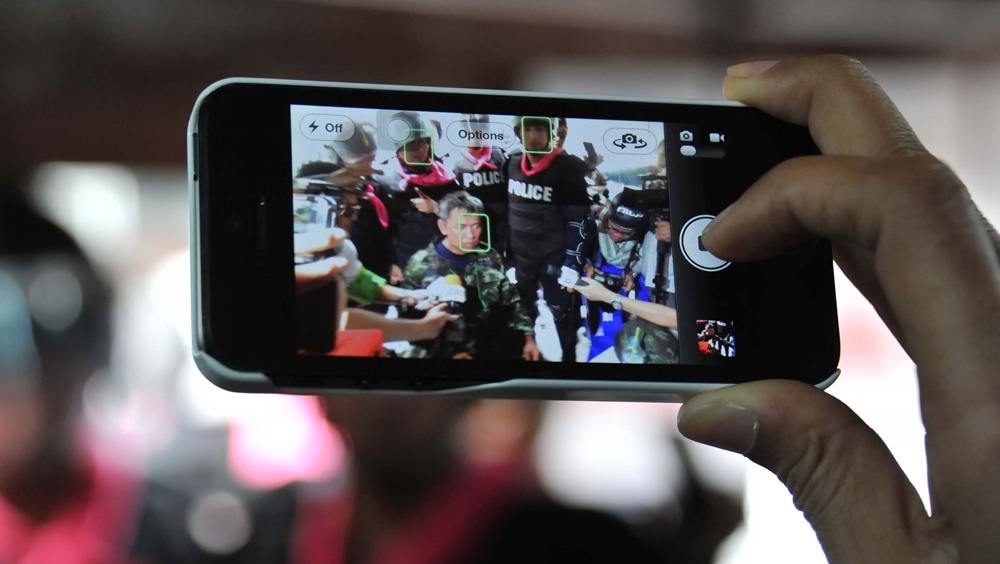
One of the most important—and least understood—shifts underway is the legal ambiguity surrounding witnessing.
Witnessing is not advocacy. It is the act of being present, observing, recording, and documenting events as they unfold. Historically, courts have recognized witnessing as a core journalistic function, even when it involves proximity to controversial or disruptive events.
However, modern enforcement increasingly treats proximity as participation.
This is not always intentional. It is often procedural. Law enforcement frameworks are designed to manage crowds, not constitutional nuance. When systems are stressed, they default to simplification: present equals involved; recording equals interfering; publishing equals influencing.
Once those assumptions enter enforcement logic, journalists and observers become vulnerable—even without committing any crime.
This creates a chilling effect. Not because speech is banned, but because risk becomes unpredictable.
Opinion Is Not the Enemy—Ambiguity Is
Contrary to popular belief, opinion itself is not the primary threat to press freedom. The First Amendment explicitly protects opinion, even unpopular or controversial opinion.
The problem arises when opinion is conflated with intent.
Modern enforcement increasingly relies on inferred motivation rather than observable action. Social media history, past statements, or perceived alignment can be used—formally or informally—to assess credibility or threat.
This represents a significant shift. Traditionally, press protections focused on what a journalist did, not what they believed. The move toward intent-based scrutiny introduces subjectivity into enforcement decisions, which weakens constitutional safeguards.
When opinion becomes evidence of involvement, neutrality becomes a liability rather than a protection.
The United States has faced similar moments before.
In each case, the pattern was the same:
What distinguishes the current moment is scale and speed. Digital platforms amplify both speech and enforcement reaction. A single post can trigger national attention—and institutional response—within hours.
The system has less time to correct itself.
It is important to state clearly: not all enforcement actions represent malicious intent or authoritarian design. Many occur within existing legal frameworks, driven by risk aversion, public pressure, or institutional inertia.
But systems do not require malice to produce harm. They require only misaligned incentives.
When agencies are rewarded for control, speed, and deterrence, and not for constitutional restraint, outcomes shift predictably. When ambiguity exists, enforcement expands into it.
This is why First Amendment erosion is often invisible until it is entrenched.
Another emerging risk is the development of a two-tier information environment.
The First Amendment does not distinguish between these tiers. In practice, however, enforcement risk does.
Independent journalists lack institutional insulation. They are more exposed to discretionary enforcement, more vulnerable to misclassification, and less able to absorb legal consequences.
This creates a filtering effect. The public does not lose access to information entirely—but it loses access to uncomfortable information produced outside institutional boundaries.
The result is not censorship, but selection.
It is tempting to frame this issue as partisan. That would be a mistake.
Every administration inherits enforcement tools from its predecessors. Once ambiguity is normalized, it can be used by anyone in power. History shows that powers expanded under one administration are rarely surrendered by the next.
This is why press freedom must be defended structurally, not politically.
The real risk is not who is in office today, but what mechanisms remain in place tomorrow.
If current trends persist, several outcomes are likely:
Journalists avoid proximity to events that carry enforcement risk.
Fewer independent observers are present at critical moments.
Information flows through fewer institutional channels.
The public senses incompleteness, even if it cannot name it.
This creates a paradox: enforcement intended to maintain order ultimately undermines legitimacy.
The First Amendment survives not through slogans, but through discipline.
Most importantly, it requires recognition that press freedom is not about liking what is reported. It is about tolerating exposure to inconvenient truths.
The First Amendment does not fail loudly. It fails quietly, through accumulated exceptions, unchallenged assumptions, and procedural shortcuts.
The United States is not losing free speech. It is testing how much ambiguity it can tolerate before protections become conditional.
That test is ongoing.
And the outcome will determine not just how journalists operate—but how power is held accountable in the decades ahead.
Sources & Further Reading

Why These Matter - WTM MEDIA is an independent editorial platform exploring the forces shaping our world—through people, culture, commerce, design, systems, and governance. Connecting the dots between today’s headlines and tomorrow’s realities.