Gavin Newsom and Donald Trump’s clash is not just a political rivalry but a mockery war—revealing how spectacle, satire, and strategy shape democracy’s future.
Every democracy invents its own theatre. In ancient Athens, politics and performance were inseparable. In Rome, gladiatorial contests doubled as political propaganda. In modern America, the stage has shifted to television studios, social media feeds, and, increasingly, to the satirical battlefield where politics and mockery are indistinguishable.
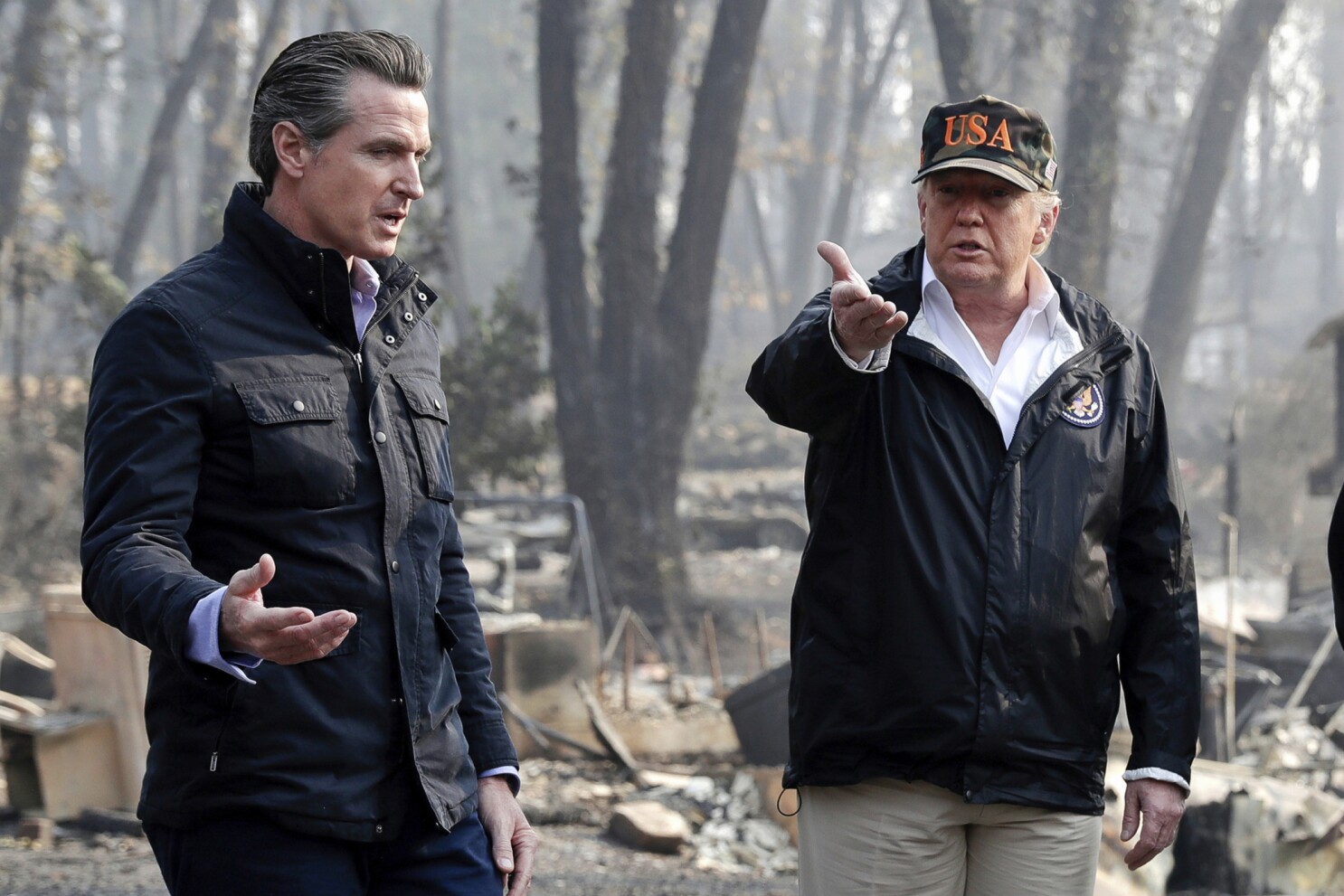
Enter Gavin Newsom and Donald Trump. Two men, both masters of image, both fluent in the language of spectacle, now caught in a duel that is as much about ridicule as it is about policy. This is not merely a clash of ideologies. It is a mockery war. And in a nation where entertainment and governance are so entwined, mockery is not incidental. It is strategy.
Trump has long wielded insult as a weapon. “Crooked Hillary.” “Sleepy Joe.” “Little Marco.” His nicknames are not just jokes; they are linguistic branding. They reduce opponents to caricatures that stick in the public consciousness. Newsom, by contrast, has refined a more elegant form of mockery—polished, sardonic, laced with Californian confidence. Where Trump shouts, Newsom smirks. Where Trump bludgeons, Newsom parries.
The duel between them tells us more about the state of American democracy than any policy paper. It shows that power in 2025 is won not merely in debates or legislatures, but in the arena of derision.
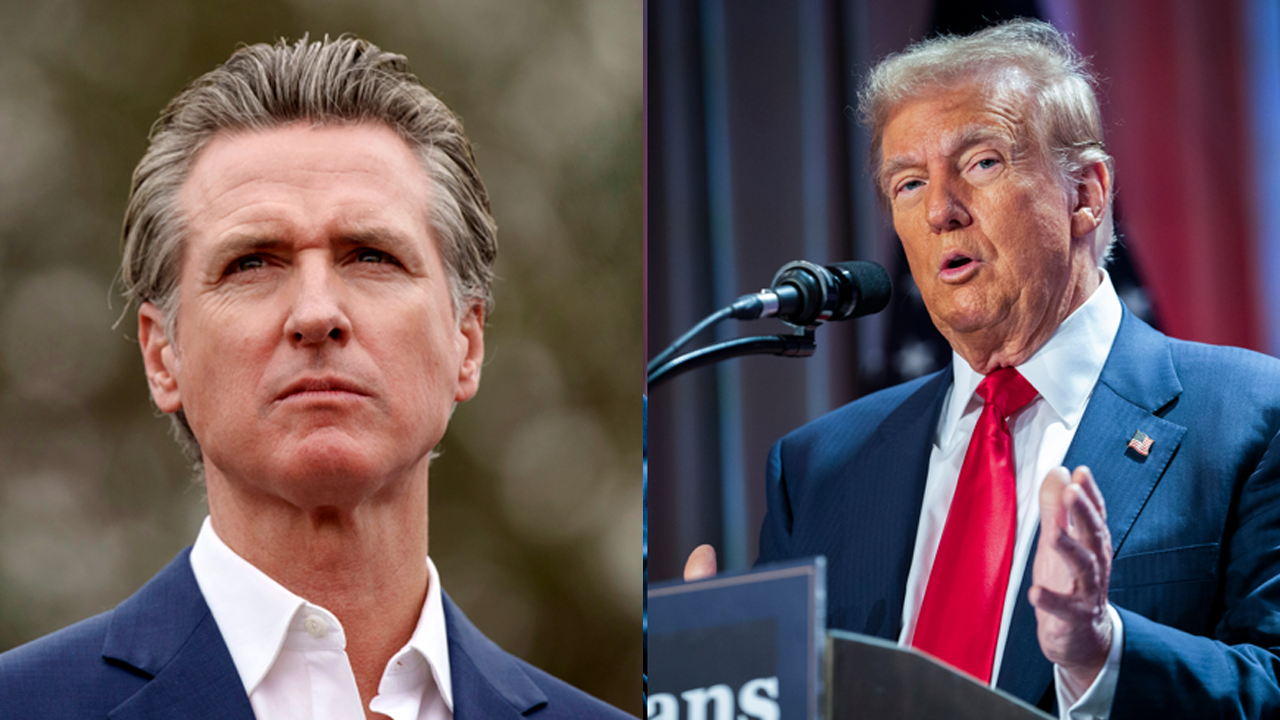
Donald Trump’s political rise was inseparable from mockery. His 2016 rallies were carnivals of insult, where complex issues were boiled down to jeers. His presidency thrived on the spectacle of denigration—of enemies, of allies, even of his own appointees.
Mockery was not a by-product. It was a deliberate tactic. In psychological terms, humiliation destabilises. It strips opponents of gravitas. In media terms, it generates clips, memes, and endless amplification. Trump instinctively understood that in an age of fragmented attention, the sharpest insult outperforms the most reasoned argument.
But mockery has a price. It corrodes civic trust, normalises cruelty, and reduces politics to theatre without substance. What began as branding evolved into a governing style, leaving institutions weakened and citizens jaded.
Gavin Newsom represents a different model. Groomed in the image-conscious politics of California, he deploys mockery with finesse. His jabs are subtler, often cloaked in policy rebuttals or moral appeals. He presents himself as the adult in the room, yet relishes the opportunity to land a well-timed quip.
In debates, Newsom’s mockery is performative but controlled. His strategy is to project competence while puncturing Trump’s bluster. Where Trump relies on raw derision, Newsom weaponises irony. His smirk is as calculated as Trump’s sneer.
Newsom’s strength is that he appeals to audiences weary of chaos yet unwilling to forgo spectacle. He does not reject the theatre of politics—he refashions it. In the mockery war, he is not the comedian but the satirist.
Neither Trump nor Newsom fights this war alone. The media amplifies every jab, every insult, every viral moment. Cable networks dissect quips as though they were policy announcements. Social media algorithms reward derision with virality.
Mockery thrives in this environment because it is shareable. A joke fits in a tweet; a policy brief does not. A meme travels faster than a manifesto. Trump and Newsom understand this instinctively. Both play not only to voters but to the echo chambers where mockery becomes identity.
Yet the media is not merely a mirror. It is a participant. By amplifying mockery, it reinforces the very dynamics it critiques. The mockery war is therefore not only between Trump and Newsom, but between spectacle and substance in the American psyche.
Mockery in politics is not new. Winston Churchill wielded it with devastating wit. Margaret Thatcher disarmed opponents with biting sarcasm. Ronald Reagan turned criticism into humour with genial ease.
But the difference in 2025 is the scale. Social media ensures that every insult, every smirk, every mocking video is instantaneously global. The speed of circulation means that mockery can shape narratives before facts are even verified.
This accelerates polarisation. Supporters see mockery as strength; opponents see it as cruelty. In the process, politics itself becomes parody.
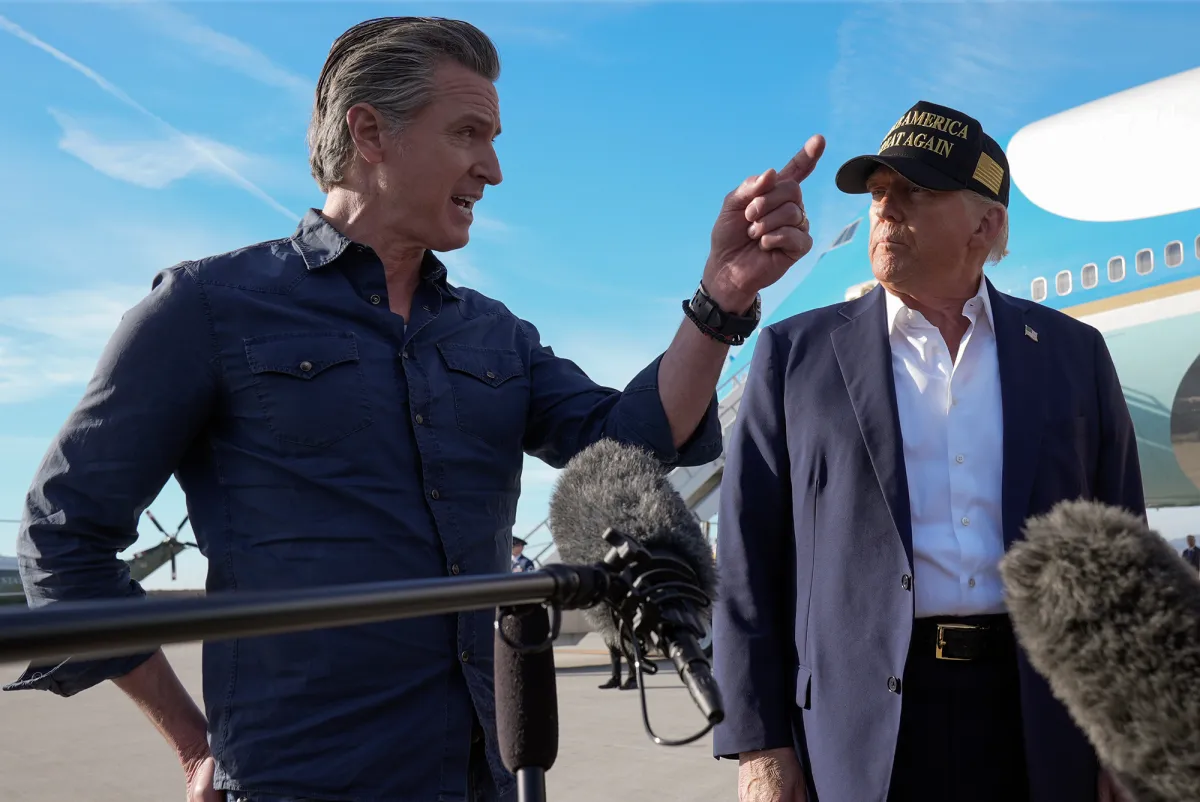
It is tempting to dismiss mockery as mere entertainment. But that would be a mistake. Mockery is strategic. It frames opponents, defines debates, and determines who controls the narrative.
For Trump, mockery creates loyalty. His supporters see his insults as authenticity, a willingness to “say what others won’t.” For Newsom, mockery creates contrast. His jabs reassure his base that competence can coexist with confidence.
In a fractured media ecosystem, both strategies work. Mockery is not a distraction from politics. It is politics.
Yet there are dangers. The first is the erosion of seriousness. When politics becomes theatre, citizens may stop believing that governance matters. Cynicism thrives where mockery dominates.
The second is escalation. Mockery breeds counter-mockery, pushing discourse ever further into cruelty. What begins as parody risks becoming poison.
The third is vulnerability. Authoritarian regimes abroad exploit America’s mockery war as evidence of dysfunction. To Beijing or Moscow, the sight of leaders trading insults is propaganda gold, proof that democracy is unserious.
Ultimately, the mockery war only works if voters reward it. The question is whether citizens will continue to prioritise spectacle over substance. Will they share the meme or read the policy? Will they laugh at the insult or interrogate the plan?
Democracy survives not by the quality of mockery but by the quality of judgement. If voters treat politics as comedy, governance becomes tragedy.
The duel between Newsom and Trump is not simply a rivalry between two men. It is a reflection of what American politics has become: a theatre of mockery where image often overwhelms substance.
This matters because mockery, once peripheral, is now central to power. It defines campaigns, erodes trust, and shapes the global perception of democracy. The question is not whether mockery will persist—it will. The question is whether America can balance spectacle with seriousness, satire with strategy, humour with humanity.
The mockery war is not entertainment. It is the battleground on which the future of American democracy is being fought.
Anonymous is a private guest contributor of WTM Media. Through Why These Matter, they examines the intersections of ethics, geo-politics, and government leadership—bringing clarity to issues that shape people, influence culture, and determine the future of global society.
Why These Matter - WTM MEDIA is an independent editorial platform exploring the forces shaping our world—through people, culture, commerce, design, systems, and governance. Connecting the dots between today’s headlines and tomorrow’s realities.