FluorSpar sits at the base of critical supply chains powering semiconductors, electric vehicles, and nuclear energy. China controls over 60% of global production, while the highest-purity deposits are concentrated in geopolitically constrained regions such as Iran. This concentration creates structural vulnerabilities across advanced industries. As nations attempt to rebalance supply, the challenge is no longer access alone, but the misalignment between resource control and industrial dependency — a gap that is increasingly shaping global power.

Modern power begins upstream. The devices, systems, and infrastructures that define contemporary life are built on materials most people never see. Smartphones, electric vehicles, semiconductor chips, and nuclear reactors depend on mineral inputs extracted and processed through supply chains that remain largely invisible. These inputs rarely feature in public discourse, yet they determine what can be produced, at what cost, and under whose control. FluorSpar is one of those inputs.
The mineral form of calcium fluoride, FluorSpar exists in two primary commercial grades. AcidSpar, at 97% purity or higher, is used to produce hydrofluoric acid — a critical input for lithium-ion batteries, semiconductor fabrication, uranium enrichment, and fluoropolymers found in both consumer and industrial applications. MetSpar, with lower purity, supports metallurgical processes, improving efficiency in steel and aluminium production by reducing impurities and lowering smelting temperatures.
Its importance lies not in scale alone, but in placement. FluorSpar sits at the very beginning of supply chains that define advanced manufacturing, energy storage, computing infrastructure, and nuclear systems. Its absence would not slow these industries. It would halt them.
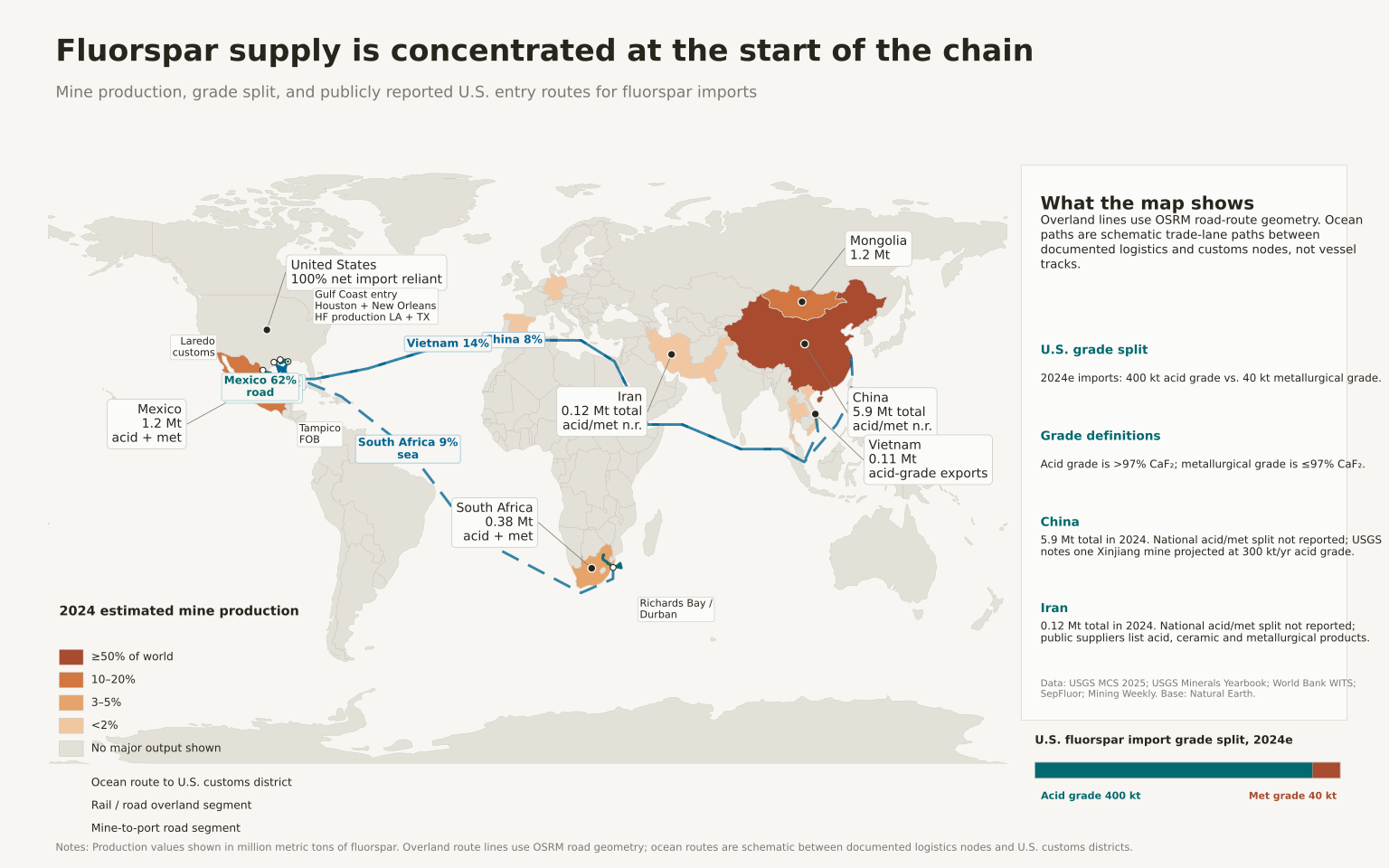
Estimates suggest China controls more than 60% of global FluorSpar production. Output is concentrated across provinces including Fujian, Henan, Zhejiang, Jiangxi, Hunan, and Inner Mongolia. Over the past decade, this position has strengthened, not only through mining capacity but through downstream processing — a distinction that is often underestimated. Raw material extraction can, over time, be diversified. Processing infrastructure is significantly harder to replicate and slower to relocate.
The control of this material is not a technical detail. It is a structural advantage. The scale differential is consequential. Large producers such as China Kings Resources Group operate at volumes comparable to entire segments of non-Chinese supply. When the United States added FluorSpar to its Critical Minerals List in 2022, it formalised what had already been established: a structural concentration of supply.
This concentration extends influence far beyond the mineral itself. FluorSpar feeds directly into the production of batteries, semiconductors, and nuclear fuel — industries that anchor both economic growth and national security. Control at this level enables pricing influence, supply prioritisation during shortages, and leverage across interconnected systems.
Efforts to respond are underway. Allied companies including British Fluorspar, Orbia, and Ares Strategic Mining have expanded production, with combined output reaching into the tens of billions of kilograms annually. Yet these efforts remain constrained by structure. A persistent scale gap remains, with individual Chinese firms capable of matching or exceeding the output of multiple allied producers combined. New mining projects require extended timelines, often seven to ten years to reach full capacity. Even where upstream supply is diversified, refining capacity remains heavily concentrated, limiting the effectiveness of geographic shifts. The result is incremental progress against a systemic imbalance.
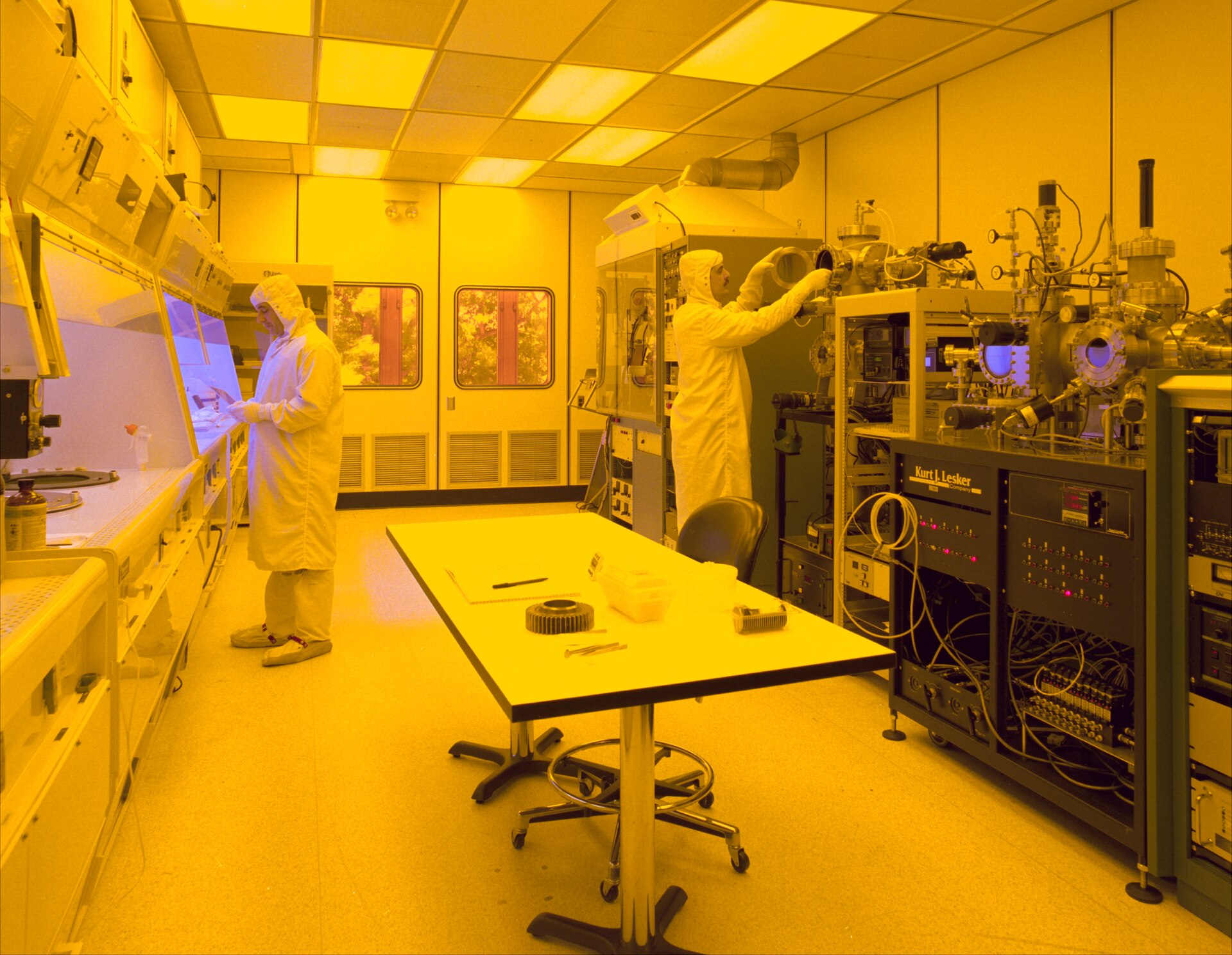
While China dominates overall production, high-purity FluorSpar deposits are more limited geographically. Industry estimates indicate that some of the highest-grade material — exceeding 99% purity — is in Iran. This level of quality is essential for semiconductor-grade hydrofluoric acid, advanced chemical processing, and nuclear fuel conversion, including uranium hexafluoride. Volume, however, is only one dimension of control. Quality is the second.
This introduces a second constraint layered on top of the first. Iran’s position combines high-grade resource control with geopolitical isolation. Sanctions limit integration into Western supply chains, export pathways remain restricted, and access to high-purity material becomes both scarce and politically contingent. The highest-quality inputs required for advanced industrial processes are not fully aligned with existing alliance structures.
Even as production expands elsewhere, this misalignment creates persistent friction across industries that depend on consistency, precision, and reliability.
FluorSpar’s importance is therefore not isolated. It is systemic.
It sits within lithium-ion batteries through electrolyte processing, within semiconductors through hydrofluoric acid used for etching and cleaning, and within nuclear systems through uranium conversion and enrichment. Its role is not visible at the consumer level, but it is embedded at the foundation of technologies that define modern economic and strategic capability.
Treating it as a minor industrial mineral understates its function. In practice, it operates as a connective node across high-value supply chains. Its availability, and the distribution of its control, shapes outcomes across industries simultaneously.
Current strategies — expanding domestic mining, securing alternative imports, and supporting allied production — address part of the challenge, but not the whole. The constraint is not simply access to raw material. It is the structure of the supply chain itself, from extraction through processing to integration.
FluorSpar illustrates a broader pattern. Systems built under assumptions of open markets, stable supply, and price-driven allocation have created dependencies that are now being tested under geopolitical pressure. Where resource control and industrial dependency diverge, vulnerability emerges. That divergence is no longer theoretical. It is operational.
FluorSpar will not appear in headlines, earnings calls, or public debate. Yet the systems it feeds — semiconductors, electric vehicles, nuclear energy — sit at the centre of the next industrial era.
If access to this material tightens, the consequences will not remain contained at the level of raw inputs. Semiconductor production slows. Electric vehicle supply chains compress. Nuclear fuel cycles face disruption. Costs rise, timelines extend, and system stability weakens. The issue is not the mineral itself. It is what its control enables — and what its absence constrains.
Modern economies are not limited by what they can design, but by what they can reliably source. FluorSpar exposes how narrow that margin has become. The question is no longer whether these dependencies exist. It is whether they are understood early enough to be corrected — before constraint becomes disruption.

Why These Matter - WTM MEDIA is an independent editorial platform exploring the forces shaping our world—through people, culture, commerce, design, systems, and governance. Connecting the dots between today’s headlines and tomorrow’s realities.