
58 Years Inside the System. One Story That Reframes Power, Trust, and the Future of News. From the birth of 24-hour news at CNN to decades on the front lines of Los Angeles broadcasting, Eisner did not merely report the story—he stood inside it, shaping how millions understood crisis, celebrity, justice, and truth.
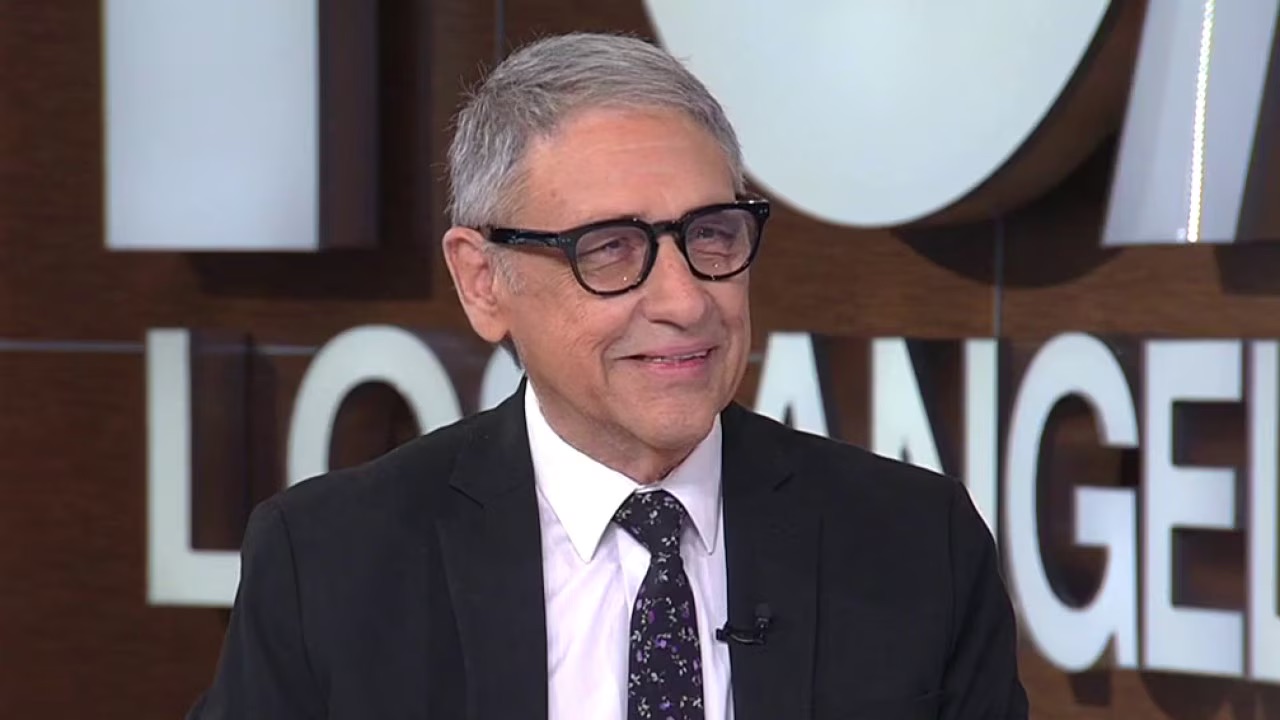
LOS ANGELES, CA — At a time when trust in media is fracturing and the architecture of information is under global scrutiny, award-winning journalist Hal Eisner releases An Accidental Career: My 58-Year Adventure as a Broadcast News Reporter—a memoir that does more than recount history; it reveals the infrastructure of modern storytelling itself.
This is not nostalgia. This is strategic memory at scale. From the birth of 24-hour news at CNN to decades on the front lines of Los Angeles broadcasting, Eisner did not merely report the story—he stood inside it, shaping how millions understood crisis, celebrity, justice, and truth.

Hal Eisner is THE history of media coverage in LA. His memoir “An Accidental Career: My 58-Year Adventure as a Broadcast News Reporter” by Hal Eisner tells the story of Eisner’s multiple award-winning life and career in broadcasting – first in radio and then, for more than 43 years, in television as a fixture on the Los Angeles news airwaves. It charts his extraordinary life, beginning with his upbringing in Pittsburgh and Dallas through more than a decade in radio throughout Texas. Then, beginning in the 1980s, he was a TV news reporter, first at CNN in the early days of the 24-hour news network and then at local stations KTTV/FOX 11 and KCOP/Channel 13. Along the way, he covered many of the most consequential stories of the past four decades plus, including the trials of O.J. Simpson and Michael Jackson, as well as fires, earthquakes, and school shootings. He also interviewed hundreds of celebrities both in their homes and on red carpets.
From Near Death to Relentless Return: The Human Cost of Truth
Hal's journey was not without its trials. In 2021, while covering a story in Hollywood, he was severely injured in a crash caused by a drunk driver. This life-altering event tested his resolve and determination. Despite the challenges of recovery, Eisner's unwavering spirit propelled him back to the airwaves just months later, demonstrating his dedication to journalism and the communities he served.
Through candid reflections and engaging anecdotes, Eisner provides readers with an insider's view of the broadcast industry, revealing the intricacies of news reporting and the ethical dilemmas faced by journalists. His story is not just about personal achievement; it is a testament to the power of resilience and the importance of accuracy and getting the story right no matter the obstacles. An Accidental Career is an inspiring narrative that will resonate with anyone who appreciates the art of storytelling and the impact of news on society

This release arrives at a precise inflection point:
Eisner’s story becomes a bridge between analogue authority and digital chaos. Access to legacy credibility at this level is finite. Eisner represents a closing chapter of analogue trust and a gateway into future narrative systems.
Topics of interest Include:

An Accidental Career: My 58-Year Adventure as a Broadcast News Reporter chronicles Eisner’s journey from radio in Texas to becoming a defining voice in Los Angeles television news, covering some of the most consequential stories in modern American history.
Now retired, Hal Eisner is a multiple award-winning broadcast journalist who covered the news for fifty-eight years, the first fifteen in radio in Texas and Louisiana and the last forty-three on television in Los Angeles. He worked as a reporter on TV primarily for FOX 11 and KCOP (Channel 13) and CNN. Eisner also hosted the popular public affairs series FOX 11 News In Depth from 2017 to 2025 and hosted the FOX 11 podcast “What the Hal?”.
A mentor, storyteller, survivor, and civic champion, Eisner is known for his calm demeanor, compassionate reporting style, and community-focused journalism. He has received numerous journalism awards over the years including Emmys, Golden Mikes, and AP Awards as well as honors from the Los Angeles Press Club, the Society of Professional Journalists (SPJ), and the Associated Press[RR1] . Among his AP honors, Hal received a Lifetime Achievement Award known as the Stan Chambers Award for Extraordinary Achievement as well as a Lifetime Achievement award from the Radio and Television News Association of Southern California (RTNA).
In 2000, Eisner created the nationally recognized mentoring program Camp News, originally known as APTRA Academy. Through more than a quarter-century, it annually (including in 2025) draws aspiring reporters and anchors to Malibu for an immersive journalism weekend boot camp.
Eisner is on the National Board of SAG-AFTRA and has been active in the union for many years. He was also on the Board of Governors of the Academy of Television Arts & Sciences and served as a Vice Chair for ATAS. Visit haleisner.com.
Media, Sponsorship & Partnership Inquiries

BHBPR
Harlan Boll
+1 323-708-4172
www.bhbpr.com
Contact Harlan Boll's office to request any additional materials or and interview with Hal Eisner.

Why These Matter - WTM MEDIA is an independent editorial platform exploring the forces shaping our world—through people, culture, commerce, design, systems, and governance. Connecting the dots between today’s headlines and tomorrow’s realities.