
As Arctic ice retreats, Greenland has shifted from geographic periphery to strategic center. Climate change is exposing new shipping routes, military corridors, and critical mineral reserves—placing Greenland at the intersection of great-power competition, environmental collapse, and unresolved questions of sovereignty and self-determination.
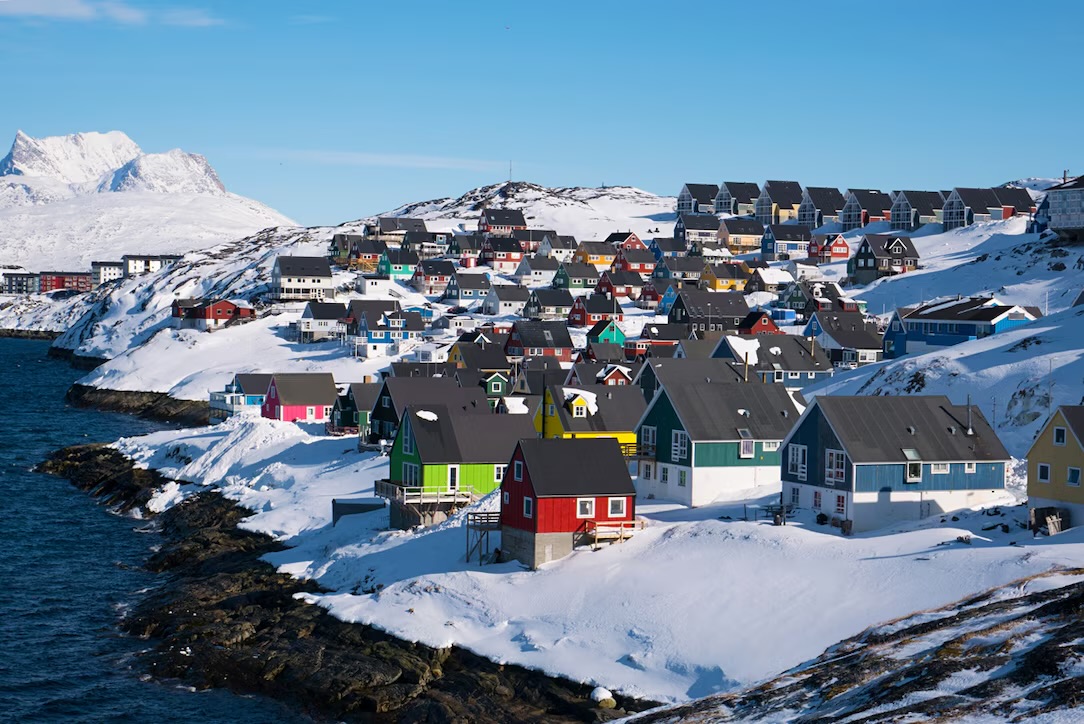
For much of modern history, Greenland existed in the geopolitical imagination as distant, frozen, and strategically marginal. That assumption no longer holds.
Rapid Arctic warming has transformed Greenland into one of the most consequential territories of the 21st century. As ice melts, physical access increases. As access increases, strategic interest follows. Climate change is not merely an environmental phenomenon—it is a geopolitical accelerator.
Greenland now sits at the crossroads of military strategy, resource competition, global trade routes, and indigenous political rights. The stakes are high, and the timeline is compressed.
The Arctic is warming nearly four times faster than the global average, according to the National Oceanic and Atmospheric Administration (NOAA). This rate of change is not gradual. It is disruptive.
Source: NOAA Arctic Report Card
https://www.arctic.noaa.gov
As ice retreats:
These changes are occurring faster than international governance frameworks were designed to handle.
Greenland occupies a critical position between North America and Europe. It sits astride the GIUK gap (Greenland–Iceland–United Kingdom), a strategic naval corridor long monitored during the Cold War to track Soviet submarines.
That geography never stopped mattering. What changed is accessibility.
Melting ice has made Greenland’s coastline, airspace, and seabed easier to exploit and easier to traverse. In strategic terms, Greenland is no longer a buffer—it is a gateway.
The United States has maintained a military presence in Greenland since World War II, most notably at Pituffik Space Base (formerly Thule Air Base). The base plays a key role in missile early warning, space surveillance, and Arctic defense.
Source: U.S. Department of Defense – Arctic Strategy
In recent years, U.S. interest in Greenland has intensified. This is driven by:
The U.S. approach frames Greenland primarily as a security asset. Climate change is treated as a force multiplier for competition rather than a humanitarian or environmental emergency.
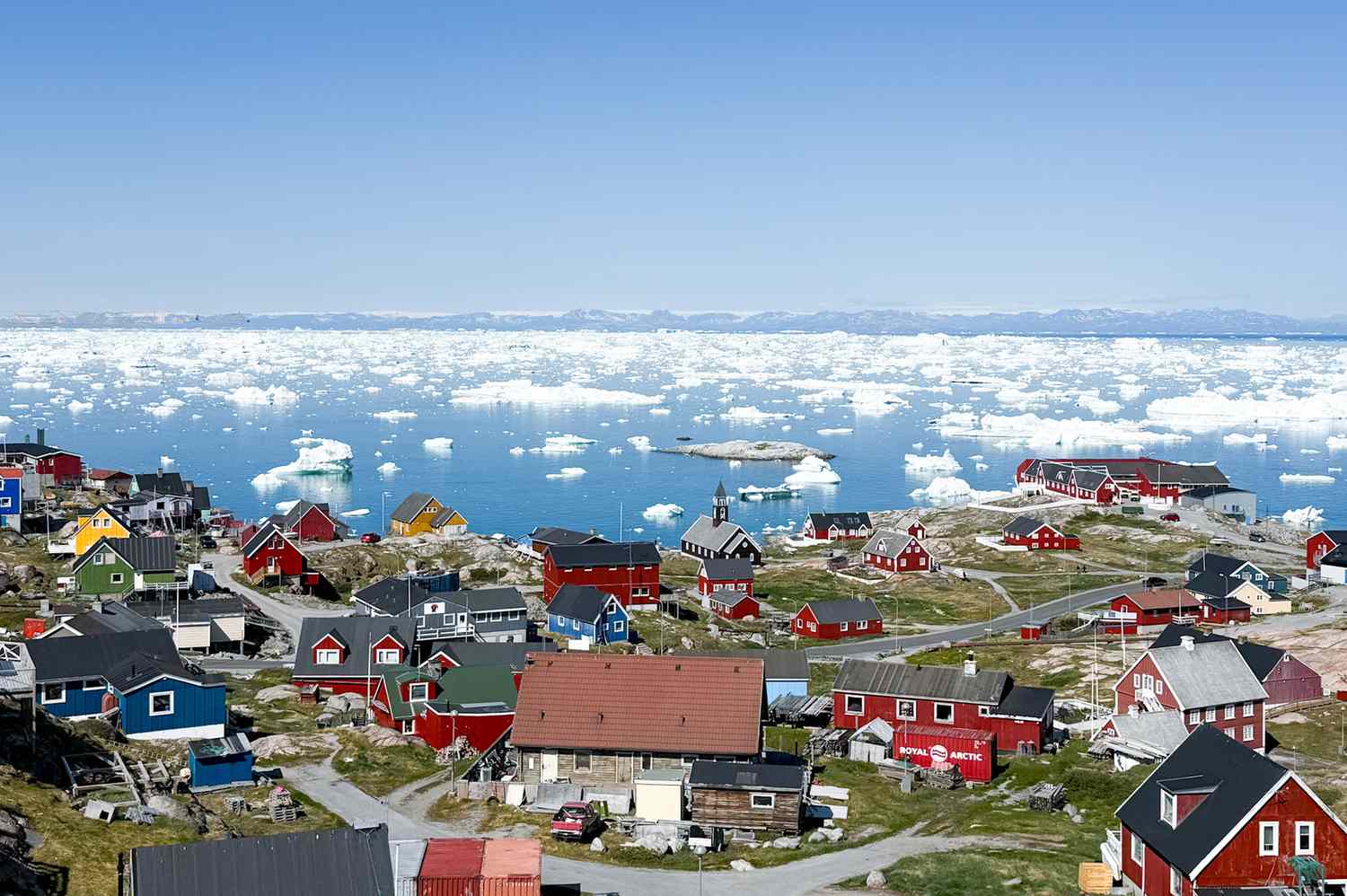
China has no Arctic coastline, yet it has declared itself a “near-Arctic state.” This designation has no legal standing, but it signals intent.
China’s strategy in Greenland has focused on:
Source: China’s Arctic Policy White Paper
Rare earth minerals are central to this strategy. Greenland holds significant deposits critical for renewable energy technologies, electronics, and defense systems.
Source: U.S. Geological Survey – Rare Earth Elements
China’s approach is long-term and commercially framed, but Western governments increasingly view it as a precursor to strategic leverage.
Russia controls the largest Arctic coastline and has moved aggressively to militarize the region. This includes:
Source: Stockholm International Peace Research Institute (SIPRI)
Russia sees the Arctic as both an economic lifeline and a defensive frontier. As ice melts, Russia’s Arctic ambitions become easier to realize—and harder to counter.
Greenland factors into this equation as a key observation and control point across the North Atlantic.
The retreat of Arctic ice has made transpolar shipping routes increasingly viable during parts of the year. These routes can significantly shorten travel times between major markets.
Key routes include:
Source: International Maritime Organization (IMO)
Greenland’s ports, airfields, and support infrastructure could become critical nodes in this emerging logistics network.
Greenland is an autonomous territory within the Kingdom of Denmark, with its own parliament and control over most domestic affairs. However, Denmark retains authority over foreign policy, defense, and monetary policy.
This arrangement is increasingly strained.
As global powers express interest in Greenland’s resources and location, questions arise:
Source: Government of Greenland – Self-Government Act
Many Greenlanders support eventual independence, but economic dependence on Denmark complicates the path forward.
Kalaallit Inuit communities have lived in Greenland for millennia. Climate change threatens traditional livelihoods such as fishing and hunting, while resource extraction introduces new environmental and social risks.
Mining projects raise concerns about:
Source: United Nations Permanent Forum on Indigenous Issues
Geopolitical competition often sidelines these concerns. Yet sustainable governance in Greenland depends on integrating indigenous rights into decision-making processes.
What happens in Greenland does not stay in Greenland.
Greenland’s ice sheet contains enough frozen water to raise global sea levels by more than seven meters if fully melted. Even partial melting has global consequences.
Source: Intergovernmental Panel on Climate Change (IPCC)
Additionally:
Geopolitical decisions in Greenland therefore carry planetary consequences.
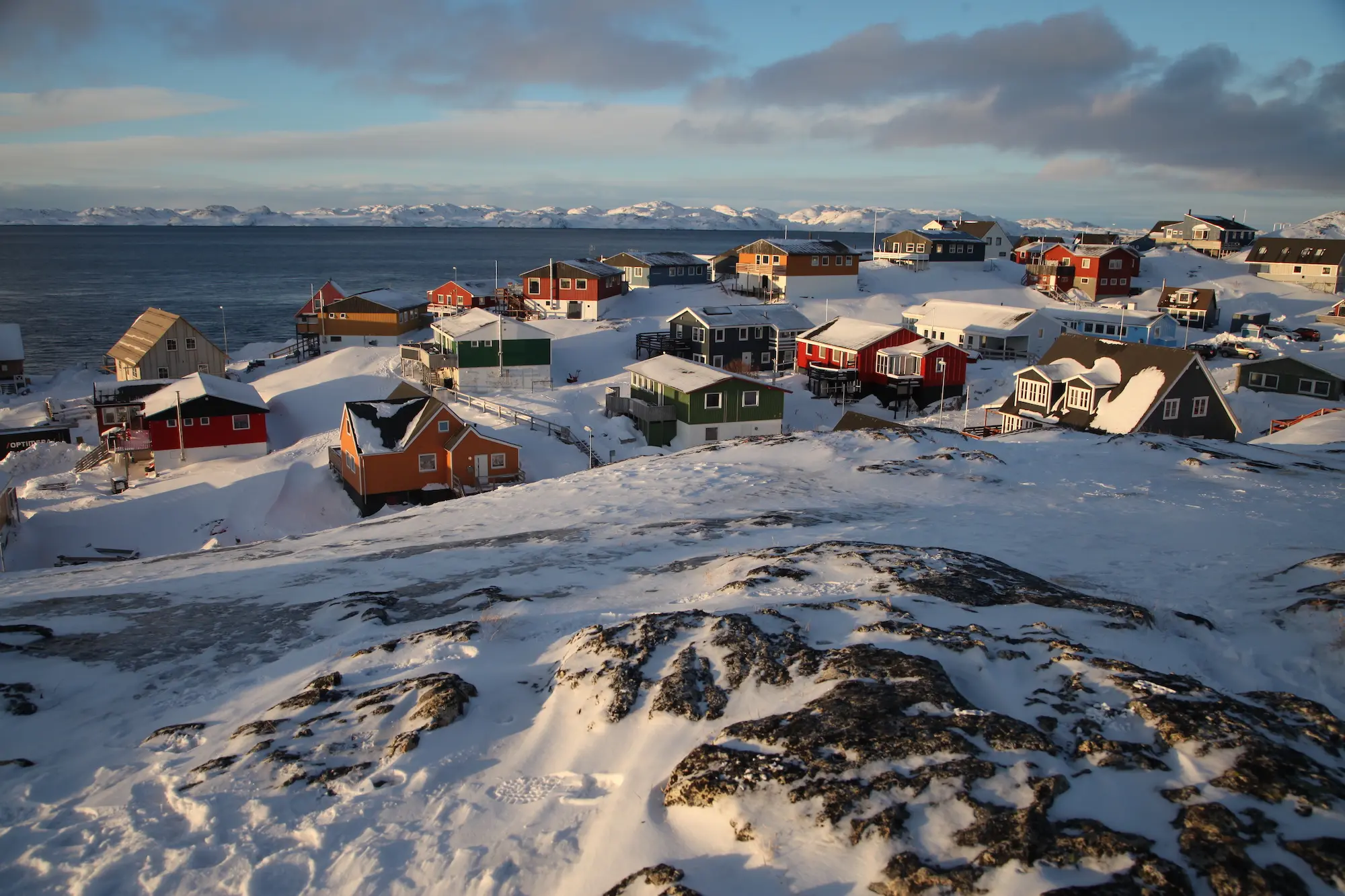
International law struggles to keep pace with Arctic transformation. Existing frameworks such as the United Nations Convention on the Law of the Sea (UNCLOS) were not designed for rapid environmental change.
Key challenges include:
Source: United Nations – Law of the Sea
The Arctic Council provides a forum for cooperation but lacks enforcement authority and excludes military security from its mandate.
Source: Arctic Council
Historically, geography was fixed and politics adapted. Climate change reverses that relationship.
Melting ice alters:
Greenland illustrates how environmental change can destabilize existing political arrangements and create new arenas for competition.
Greenland’s transformation is not hypothetical. It is happening in real time.
Decisions made in the next decade will determine:
The pace of environmental change leaves little room for delay.
Stability in Greenland will require:
Absent these measures, Greenland risks becoming a case study in how climate change intensifies global inequality and conflict.
Greenland’s strategic importance is not new, but its accessibility is. Climate change has accelerated geopolitical interest while exposing weaknesses in existing governance systems.
This is not simply a story about melting ice. It is a story about how power responds when geography changes faster than institutions.
Greenland forces the world to confront an uncomfortable truth: climate change is not only an environmental crisis. It is a sovereignty crisis, a security crisis, and a test of whether global systems can adapt without resorting to domination.

Why These Matter - WTM MEDIA is an independent editorial platform exploring the forces shaping our world—through people, culture, commerce, design, systems, and governance. Connecting the dots between today’s headlines and tomorrow’s realities.