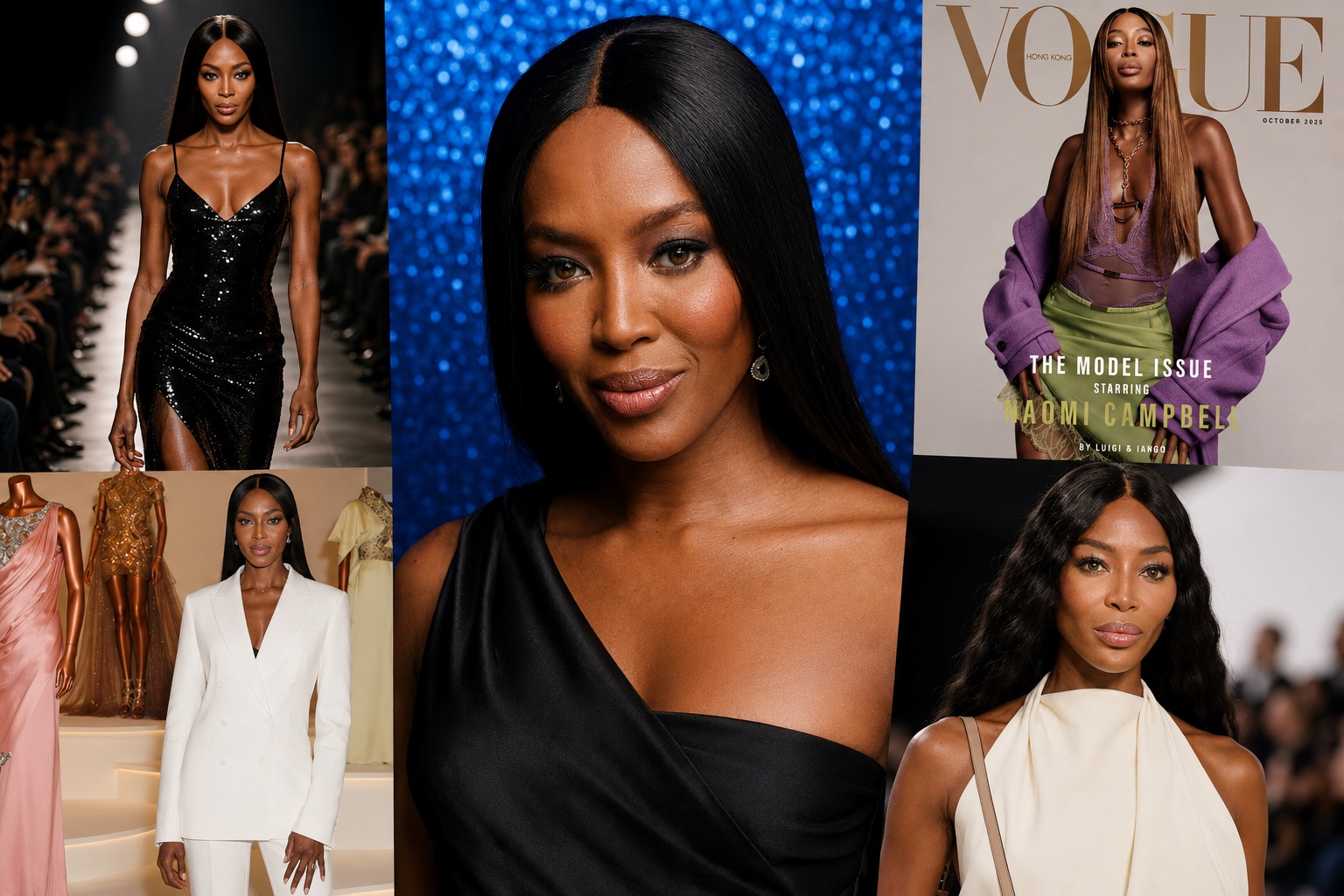
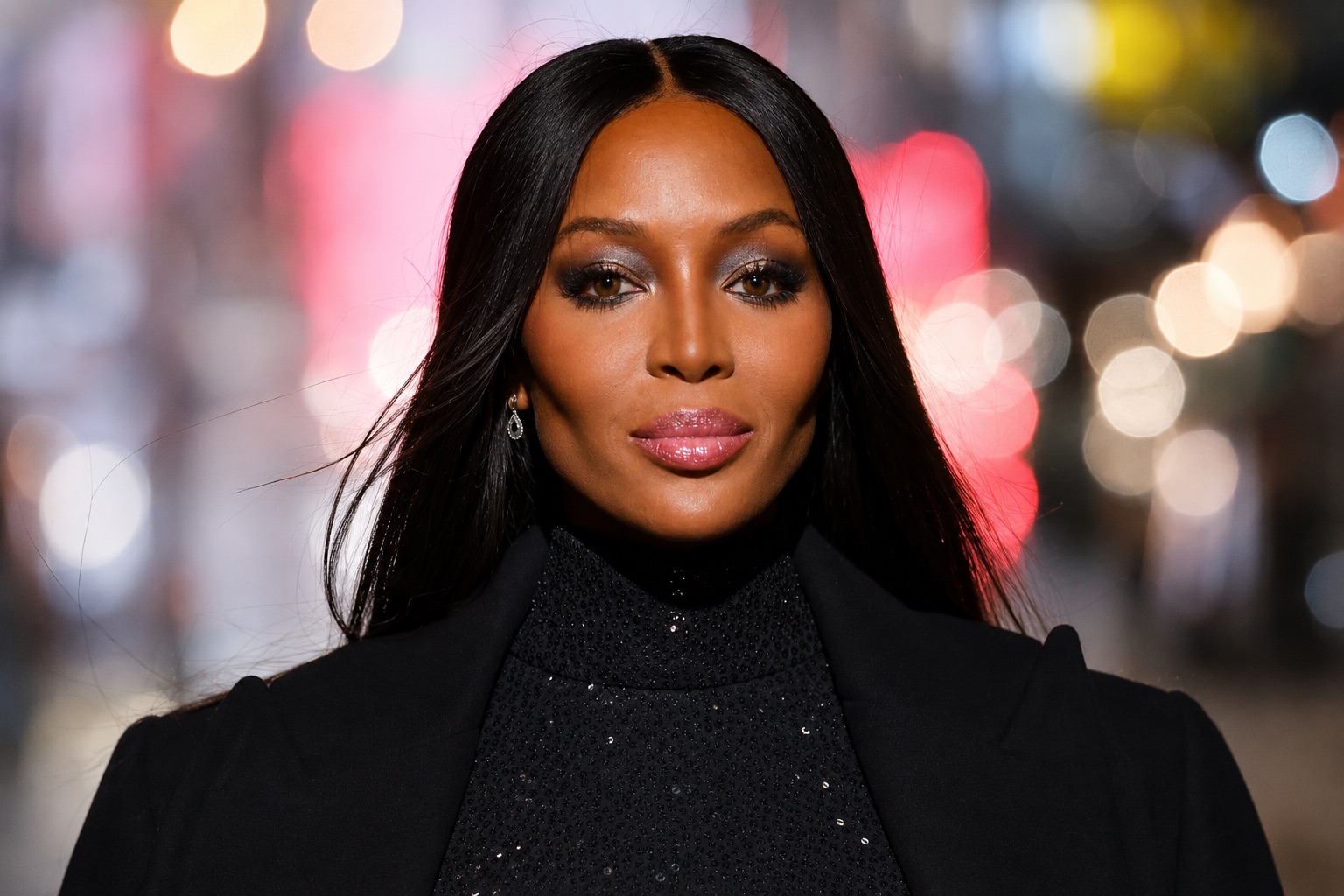
For more than four decades, Naomi Campbell has been described as a supermodel. The term is accurate but incomplete. Campbell’s significance extends far beyond fashion photography, magazine covers, or runway appearances. She emerged during a period when the global fashion industry systematically restricted access for Black models, concentrated power within a small group of gatekeepers, and exported narrow definitions of beauty to the world. Her success challenged not only aesthetic conventions but also economic structures determining who could be seen, valued, and monetised. Long before diversity became a corporate strategy, Naomi Campbell was forcing institutions to confront their own exclusions. Her career reveals that representation is never merely cultural. It is economic. It influences hiring, marketing, investment, media visibility, consumer behaviour, and ultimately power itself. Naomi Campbell was never simply a model. She became infrastructure within a larger transformation of the global fashion system.
Fashion presents itself as a creative industry. In reality, it functions as a complex system of economic and cultural power. Luxury brands determine aspiration. Magazines determine visibility. Designers influence trends. Retailers shape consumption. Together they create an ecosystem capable of influencing how societies define beauty, status, identity, and belonging. For decades, access to this ecosystem was highly restricted.
When Naomi Campbell entered the industry in the 1980s, fashion remained overwhelmingly controlled by European and American institutions that rarely reflected the diversity of the consumers purchasing their products. Black models existed, but opportunities remained limited. Editorial covers, luxury campaigns, and high-fashion runways were dominated by narrow aesthetic standards rooted primarily in white European ideals of beauty. Diversity was treated as an exception rather than an expectation.
Campbell’s rise disrupted this system. Discovered as a teenager and quickly recognised for her extraordinary runway presence, she became one of the few Black models capable of consistently commanding global attention within elite fashion circles. Yet her success was not solely the result of talent. It required overcoming barriers many of her contemporaries never faced. Several designers and publications openly resisted featuring Black models. Industry leaders often assumed luxury consumers would respond negatively to diverse representation.
One of the most significant moments in Campbell’s career occurred in 1988 when she became the first Black woman to appear on the cover of the French edition of Vogue. The achievement was not simply symbolic. It exposed how deeply exclusion had been embedded within fashion’s most influential institutions. Reports at the time suggested intervention from influential designer Yves Saint Laurent, who threatened to withdraw advertising support unless the publication featured Campbell. The incident revealed an uncomfortable truth: access was often governed by power rather than merit.
Fashion historians frequently discuss this period as a breakthrough for representation. Economically, however, it represented something larger. Visibility influences value. Consumers buy products associated with aspiration. Brands invest in faces capable of generating demand. Representation therefore affects who participates in the economic rewards generated by cultural industries. The runway was not merely a stage. It was a marketplace.
Campbell’s success exposed the gap between the industry’s global ambitions and its limited understanding of beauty. Luxury brands wanted international consumers while presenting increasingly narrow visual narratives. The contradiction was unsustainable. Naomi Campbell forced the industry to confront it.

Modern discussions about beauty often focus on identity, self-expression, and representation. These dimensions matter. Yet beauty standards also function as economic systems. They influence advertising budgets, media investment, product development, casting decisions, and consumer spending patterns worth billions of dollars annually. The question of who is considered beautiful has always carried financial consequences.
For much of the twentieth century, luxury fashion exported highly specific ideals of attractiveness to global audiences. These standards were often presented as universal despite reflecting relatively narrow cultural assumptions. Consumers across Africa, Asia, Latin America, and the Middle East purchased products marketed through imagery that frequently excluded people who resembled them. The industry sold aspiration while limiting representation.
Naomi Campbell challenged this dynamic not through activism alone but through undeniable commercial success. She became one of the most recognisable faces in fashion history. Brands discovered that Black excellence could generate global demand. Consumers responded positively. Campaigns performed. Editorial influence expanded. Economic reality began undermining long-standing assumptions regarding market preferences.
The significance of this shift extended beyond fashion. Media industries operate through signalling systems. Visibility creates legitimacy. Legitimacy attracts investment. Investment creates opportunity. When one institution expands representation, pressure often spreads across adjacent industries. Fashion influences advertising. Advertising influences entertainment. Entertainment influences consumer culture. A single breakthrough can generate cascading effects throughout broader systems.
Yet progress remained uneven. Studies conducted over multiple decades reveal recurring cycles of advancement followed by stagnation. Diversity often increased during moments of public pressure only to decline when institutional attention shifted elsewhere. This pattern suggests that representation cannot depend solely upon goodwill. It requires structural integration within business models, hiring practices, and decision-making systems.
Campbell’s career therefore illustrates a critical distinction. Representation is frequently discussed as a moral issue. It is also an economic one. The ability to participate in markets, influence narratives, attract investment, and shape aspiration determines who benefits from cultural production. Beauty standards are never neutral. They distribute opportunity.
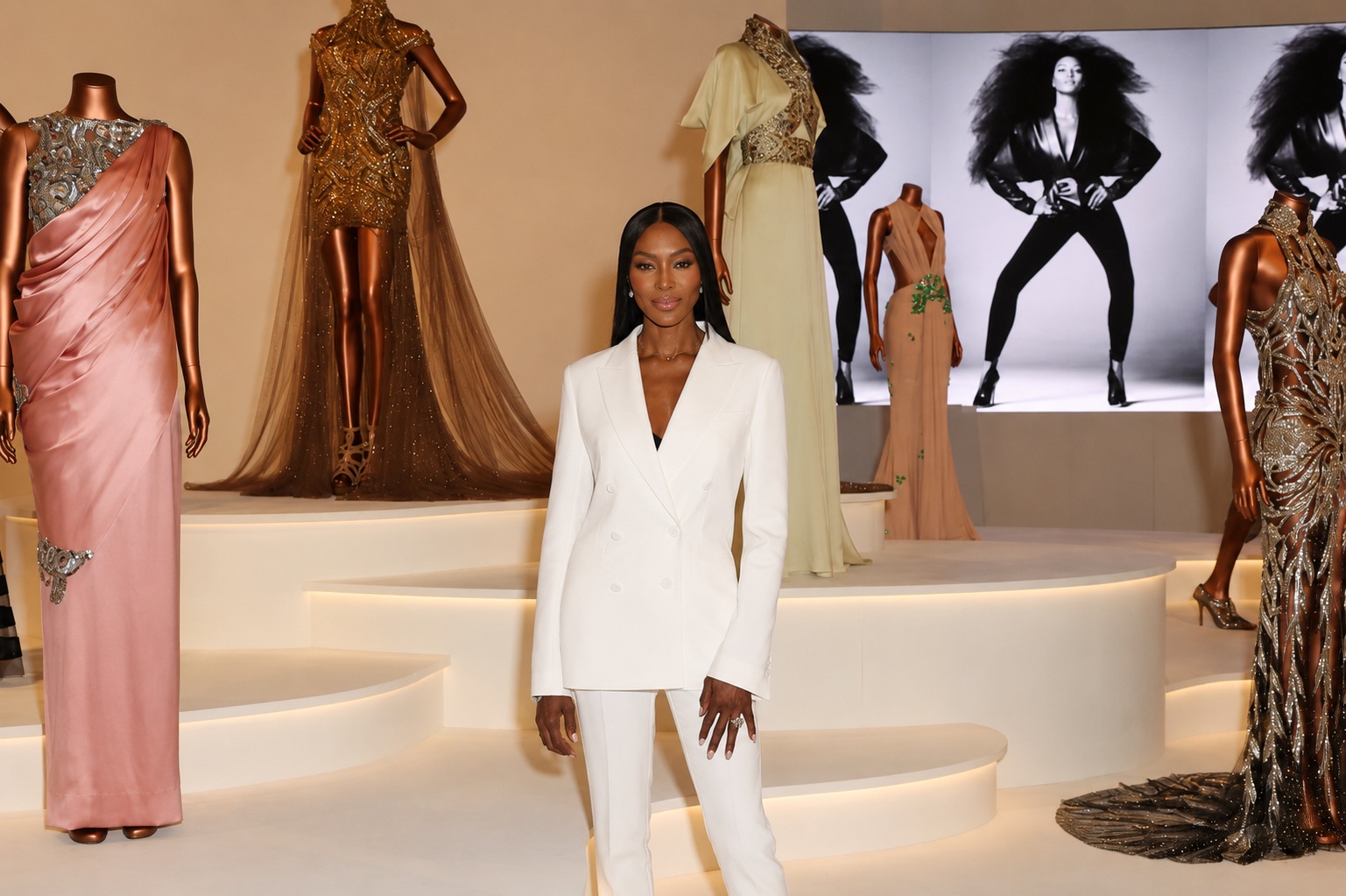
The fashion industry often celebrates individuals while ignoring the systems surrounding them. Campbell’s career resists this simplification. Her influence cannot be understood solely through magazine covers, runway appearances, or celebrity status. It must be understood through the institutional changes her success helped accelerate.
The rise of the supermodel era transformed models from anonymous participants into global brands. Campbell, alongside figures such as Cindy Crawford, Linda Evangelista, and Christy Turlington, helped redefine the economic relationship between talent and visibility. Models became cultural assets capable of influencing consumer behaviour across industries. Their value extended beyond fashion into entertainment, media, and business.
For Black models specifically, Campbell’s success altered perceptions regarding what was commercially possible. Designers, editors, photographers, and agencies could no longer plausibly claim that diversity lacked market demand. Her achievements expanded the realm of possibility for subsequent generations including Tyra Banks, Iman, Jourdan Dunn, Adut Akech, and countless others who entered industries shaped partly by the doors she helped open.
The luxury industry itself benefited from this evolution. As fashion globalised, brands increasingly depended upon consumers from regions far beyond their traditional European and North American markets. Greater representation aligned not only with social progress but also with economic reality. The future customer base was global. The visual language of luxury eventually needed to become global as well.
Yet Campbell’s legacy extends beyond race or fashion. Her career demonstrates how institutions change. They rarely transform because systems suddenly become enlightened. More often, change occurs when individuals expose contradictions institutions can no longer ignore. Naomi Campbell revealed a contradiction at the heart of global fashion: an industry profiting from diversity while often refusing to reflect it.
Today, diversity appears regularly in advertising campaigns, luxury marketing, and runway shows. The industry has undoubtedly evolved. Yet those gains did not emerge automatically. They emerged because individuals challenged assumptions, absorbed resistance, and altered expectations through persistence and performance.
Naomi Campbell was one of those individuals. Not simply a model. Not simply a celebrity. A systemic event within one of the world’s most influential cultural industries.
Fashion is often dismissed as superficial because it concerns clothing, appearance, and aesthetics. This misunderstands its role entirely. Fashion functions as a global system of influence shaping identity, aspiration, economics, and cultural legitimacy. It affects who is seen, who is valued, and who participates in the rewards generated by visibility.
Naomi Campbell’s career matters because it demonstrates how systemic change frequently begins. Institutions rarely surrender power voluntarily. They evolve when individuals make exclusion economically, culturally, and strategically unsustainable. Campbell did not merely succeed within fashion. She helped alter the architecture through which fashion distributes opportunity.
The deeper lesson extends far beyond the runway. Every system contains gatekeepers. Every gatekeeper shapes access. And every generation eventually produces individuals capable of forcing gates open. The people history remembers are often not those who walked through the door. They are the ones who widened it for everyone else.

Why These Matter - WTM MEDIA is an independent editorial platform exploring the forces shaping our world—through people, culture, commerce, design, systems, and governance. Connecting the dots between today’s headlines and tomorrow’s realities.