
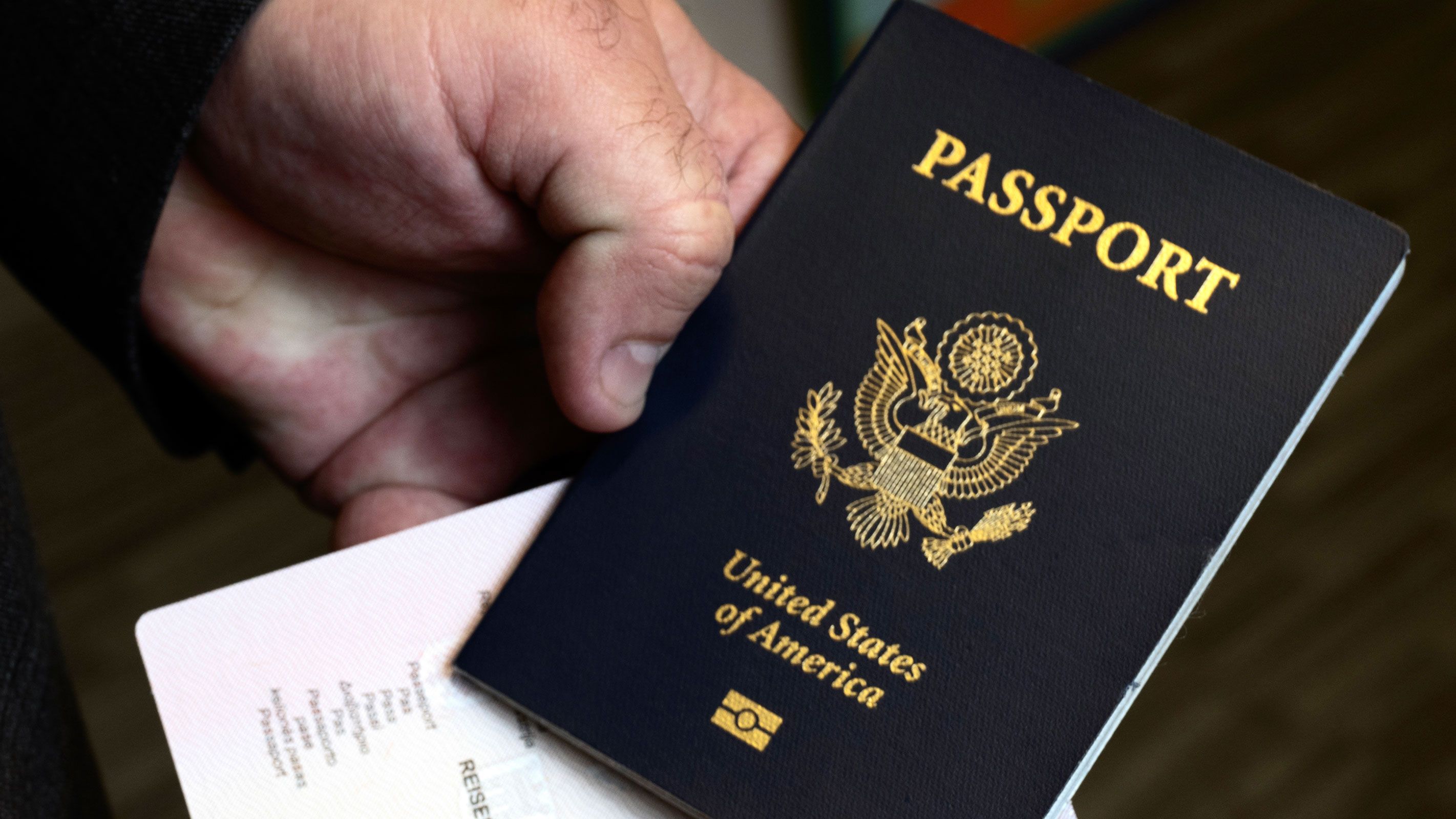
The U.S. Supreme Court’s reinstatement of restrictions on gender-inclusive passports has reignited a quiet crisis of belonging. It is not simply about travel. It is about who decides the architecture of identity—and whether selfhood must pass through permission.
When the U.S. Supreme Court upheld the federal government’s suspension of “X” gender-marker options on U.S. passports, the decision appeared technical. Yet behind the legal language lies a moral regression: a state reclaiming authority over self-definition.
According to Reuters, the ruling followed an appeal by conservative advocacy groups arguing that gender inclusivity “complicates border security.” For millions of non-binary and transgender citizens, that rationale was more than administrative—it was existential. Travel, once a symbol of freedom, became an act of forced translation. To move through the world, one must first misname oneself.
Identity, like architecture, is constructed—and maintained. When policy denies recognition, it erases the scaffolding of belonging. As Human Rights Campaign noted, this ruling effectively transforms paperwork into policy violence.
The United States had been among a growing coalition—alongside Canada, Germany, and Australia—that recognised gender diversity through official documentation. With the rollback, America retreats into a binary bureaucracy that misaligns with biological and social reality.
To design governance for the twenty-first century is to design for complexity. Anything less is nostalgia masquerading as order.
Lawmakers defending the ban cite “security verification.” Yet the claim collapses under scrutiny. The International Civil Aviation Organization already accommodates gender-neutral documentation under global travel standards.
This is not about verification; it is about validation.
Every time a citizen is forced to choose between “M” and “F,” the system demands performance over truth. Bureaucracy becomes a closet—one stamped, signed, and federally sealed. When states legislate identity, they reduce citizenship to compliance.
The decision echoes historical patterns—race classifications, colonial passports, marriage restrictions—where bureaucracy became a moral stage for power to act upon the body.
Ironically, this regression unfolds in an age when technology is expanding selfhood’s vocabulary. Social-media platforms, healthcare systems, and academic institutions increasingly accept spectrum-based identity. The U.S. government’s refusal to update its data infrastructure exposes a mismatch between civic code and cultural software.
As Brookings Institution argues, data equity is now a human-rights issue. The refusal to digitise inclusivity embeds discrimination into the national database.
This is not simply symbolic harm; it is logistical. A trans or non-binary traveller risks detention, denial of boarding, or loss of medical coverage when documents contradict identity.
The state’s servers, in effect, misgender its citizens.
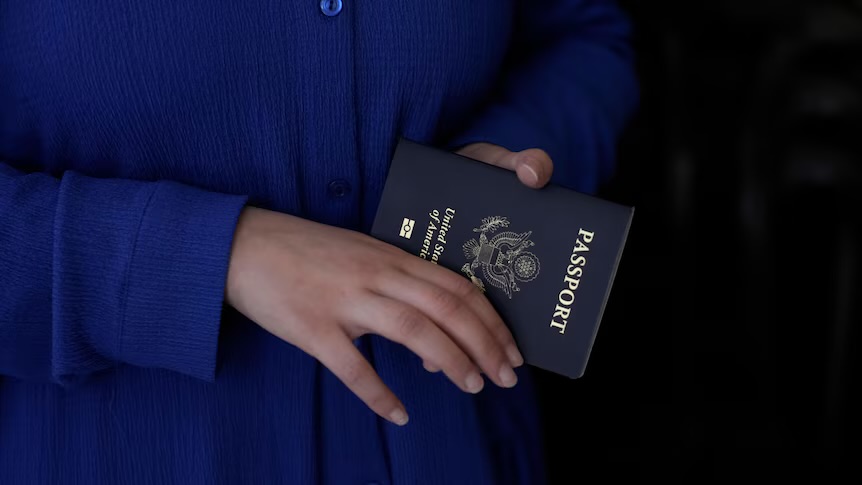
While the United States retreats, much of the world moves forward. New Zealand, Nepal, and Iceland now issue gender-inclusive passports without controversy.
These nations demonstrate what design theorists call policy empathy—the ability to anticipate diversity rather than react to it.
Their approach recognises that inclusion is not ideological; it is infrastructural. It makes the system more accurate, not more political.
The United States’ regression thus carries geopolitical symbolism: a democracy preaching freedom while codifying confinement. Beyond policy, the emotional arithmetic is brutal.
According to Trevor Project research, 47 percent of transgender and non-binary youth have considered suicide in the past year, often citing institutional invalidation. The passport reversal compounds that invisibility.
To be misidentified is to be misplaced in your own country.
The cost is not measured in stamps or visas, but in psychological attrition—the slow erosion of legitimacy in everyday life.
Because identity should be authenticated by experience, not authorised by administration.
Because a society that fears complexity fears itself.
Because progress is not the expansion of control but the expansion of compassion.
The passport is more than a document. It is the state’s handshake with its citizens.
When that handshake refuses to recognise your name, it is not security—it is shame printed in ink.
Makaila Frost — An American legal theorist and cultural designer writing for Why These Matter Media. Her work explores how law, technology, and human identity converge to shape the ethics of modern citizenship.

Why These Matter - WTM MEDIA is an independent editorial platform exploring the forces shaping our world—through people, culture, commerce, design, systems, and governance. Connecting the dots between today’s headlines and tomorrow’s realities.