Energy has evolved beyond its traditional role as a traded commodity into a strategic instrument of geopolitical influence, where pricing, routing, and financial structuring function as tools of power rather than neutral market mechanisms. Iran’s continued oil exports to China under Western sanctions, coupled with escalating tensions involving the United States, reveal a form of undeclared conflict that operates through supply chains and financial systems rather than direct confrontation. What emerges is not a breakdown of global order, but a quiet restructuring of it—where sanctions are bypassed, alliances are recalibrated, and energy flows become channels of leverage. This editorial reframes sustainability not as an environmental ideal alone, but as a question of systemic resilience: in a world where energy is weaponised, true sustainability demands independence from fragile, politically charged infrastructures that can be disrupted, redirected, or controlled at will.
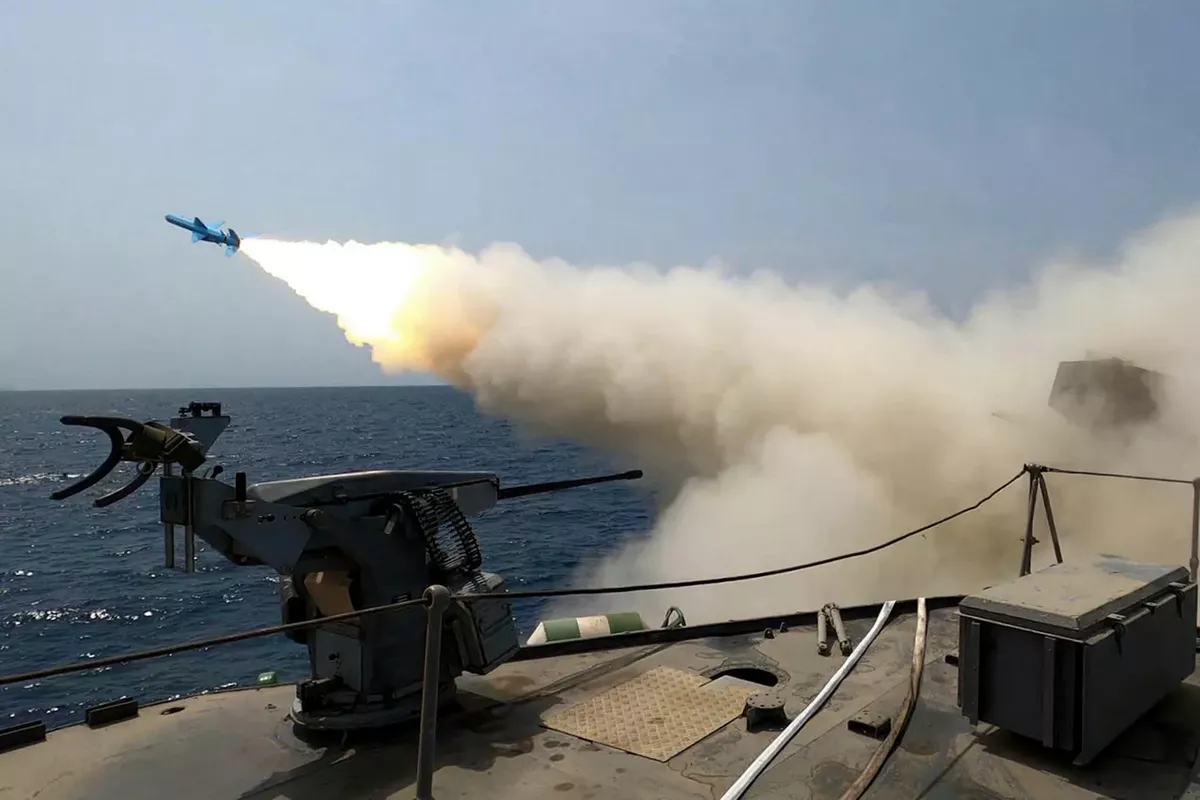
War, in its traditional form, was declared, documented, and geographically defined, allowing both participants and observers to recognise when conflict had begun and where it was being fought. In the contemporary global system, conflict has not disappeared, but it has changed form, migrating from physical battlefields into economic networks where it is embedded within pricing structures, supply chains, and financial transactions. Energy, as the most universally required commodity, has become the primary medium through which this transformation is expressed, enabling states to exert influence without crossing the threshold into open confrontation.
The modern energy landscape operates within a framework where control is less about ownership of resources and more about the ability to influence their flow, pricing, and accessibility. Iran’s position within this framework illustrates how a state can maintain relevance and leverage despite formal restrictions, as its continued oil exports under sanctions demonstrate the limits of conventional enforcement mechanisms. These exports do not occur within the visible structures of the global market, but through adaptive networks that rely on intermediary actors, reclassified shipments, and financial arrangements designed to obscure origin and destination.
China’s role within this dynamic is equally significant, as its willingness to engage with Iranian oil represents a strategic calculation that extends beyond immediate economic benefit. By purchasing crude at discounted rates, China secures a stable supply while simultaneously reinforcing its position within an alternative trade network that operates partially outside Western oversight. This arrangement is not formalised as an alliance, but it functions as a convergence of interests in which both parties derive value from the existence of a system that is less dependent on established financial and regulatory frameworks.
The United States, in contrast, continues to operate as both a central architect and enforcer of the existing global order, relying on its influence over financial systems, particularly the dollar, to implement sanctions and shape behaviour. This position provides substantial leverage, but it also introduces constraints, as the effectiveness of such tools depends on the degree to which other actors remain dependent on the systems being controlled. As alternative pathways emerge, the exclusivity of these control mechanisms is gradually reduced, creating a more fragmented environment in which influence is distributed rather than centralised.
This fragmentation is not the result of a single coordinated effort, but rather the cumulative effect of individual decisions made by states seeking to maximise their strategic autonomy. Energy transactions conducted outside traditional frameworks, whether through alternative currencies, bilateral agreements, or layered financial mechanisms, represent incremental shifts that collectively reshape the system. Each transaction may appear insignificant in isolation, but together they contribute to a gradual reconfiguration of global economic relationships.
The concept of the petrodollar, which has historically underpinned global energy trade, is central to this discussion, as it reflects the extent to which financial and energy systems have been intertwined. While the dollar remains dominant, its position is no longer unchallenged, as increasing volumes of trade are conducted in other currencies or through arrangements that reduce reliance on centralised financial institutions. This shift does not represent an immediate displacement of the existing system, but it does indicate a diversification of pathways that diminishes singular control.
Energy, in this context, functions as both commodity and instrument, where the act of buying, selling, and transporting oil becomes a means of signalling intent and shaping relationships. Pricing reflects not only supply and demand, but also geopolitical alignment, risk tolerance, and strategic positioning, creating a market environment in which economic activity and political influence are deeply interconnected. The distinction between commercial transaction and strategic action becomes increasingly blurred, as each influences the other in ways that are difficult to disentangle.
Historical parallels, particularly those associated with Cold War oil diplomacy, provide some insight into these dynamics, yet the contemporary system differs in its speed, complexity, and scale. Information flows more rapidly, transactions are more layered, and the number of actors involved has increased, creating a networked environment in which influence is exercised through multiple channels simultaneously. This complexity reduces the likelihood of clear escalation points, replacing them with continuous adjustment processes that unfold over extended periods.
Strategic ambiguity becomes a defining characteristic of this environment, as states seek to maintain flexibility while signalling strength, avoiding actions that would trigger direct confrontation while still asserting influence. This ambiguity allows for a range of interpretations, enabling different audiences—markets, allies, and adversaries—to derive meaning based on their own perspectives and interests. However, it also introduces the risk of misinterpretation, where signals intended as deterrence may be perceived as provocation, or vice versa.
Markets play a critical role in this process, as they act as both observers and participants, translating geopolitical developments into pricing and behaviour. Energy markets, in particular, are highly sensitive to signals, responding not only to actual changes in supply but to expectations of future conditions. This sensitivity amplifies the impact of diplomatic statements, military movements, and speculative narratives, embedding geopolitical tension into economic outcomes.
The absence of formal declarations does not diminish the significance of these interactions; rather, it reflects a strategic preference for operating within a space that allows for influence without escalation. Energy wars without declaration are not defined by decisive victories or clear endpoints, but by the gradual reshaping of systems, relationships, and incentives. They are conducted through negotiation, adaptation, and positioning, with outcomes that are often only visible over extended timeframes.
The shift from declared conflict to embedded economic competition has profound implications for how global power is understood and exercised, as it challenges traditional frameworks that separate economic activity from geopolitical strategy. In a system where energy flows serve as both resource and instrument, the ability to navigate these dynamics becomes a critical determinant of influence, requiring not only access to resources but an understanding of how those resources are integrated into broader networks.
For policymakers, this necessitates a reassessment of tools and strategies, as mechanisms designed for a more centralised and predictable system must now operate within an environment characterised by fragmentation and adaptability. For businesses, it introduces a layer of complexity that extends beyond market analysis into geopolitical awareness, as supply chains and financial arrangements are increasingly shaped by strategic considerations. For individuals, it underscores the interconnectedness of global systems, where decisions made at the level of statecraft have tangible effects on economic conditions and opportunities.
The absence of formal declarations does not indicate the absence of conflict, but rather its transformation into a form that is less visible yet equally consequential. Recognising this transformation is essential for understanding the current state of global affairs, as it reveals a system in which power is exercised not only through force, but through the continuous management of flows that sustain the modern world.
Why These Matter - WTM MEDIA is an independent editorial platform exploring the forces shaping our world—through people, culture, commerce, design, systems, and governance. Connecting the dots between today’s headlines and tomorrow’s realities.