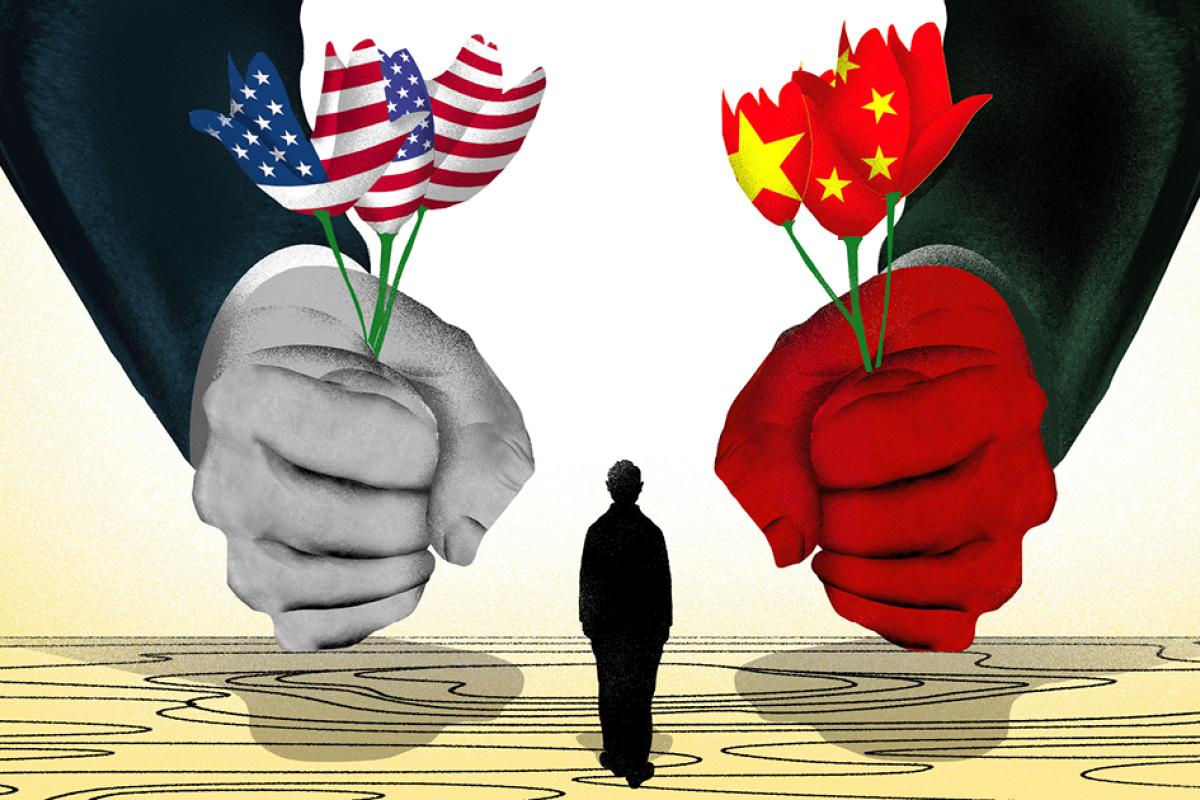
In a multipolar world, power and influence are no longer separate. Their interdependence defines global politics—reshaping alliances, narratives, and the logic of survival.
For decades, international relations scholars distinguished between hard power—military force, economic strength—and soft power—persuasion, culture, legitimacy. Nations were ranked by arsenals and GDP, or by universities and films. Power was material; influence was intangible.
In 2025, this neat division collapses. Power and influence are no longer separable. Influence amplifies power; power without influence corrodes. Militaries require narratives. Economies require trust. Culture requires platforms. Narratives require reach. The interdependence of power and influence defines global politics. Nations that master the fusion rise. Nations that cling to old distinctions decline.
Russia exemplifies power without influence. Its arsenal is vast, its resources immense. Yet its narratives ring hollow. Its propaganda persuades few beyond those already aligned. Its alliances are transactional, brittle. Power without influence breeds isolation. Bombs frighten but do not inspire. Tanks invade but do not legitimise. Without influence, power is feared but unsustainable.
The twenty-first century punishes those who wield power without narrative. Europe often exemplifies influence without power. Its culture is admired. Its regulatory models are emulated. Its diplomacy is respected. Yet its hard power is limited. Militaries lag. Dependence on energy imports exposes fragility.
Influence without power risks irrelevance. Norms inspire, but without capacity to enforce, they wither. Values persuade, but without deterrence, they invite challenge. Influence alone cannot defend survival. It must be anchored in power.
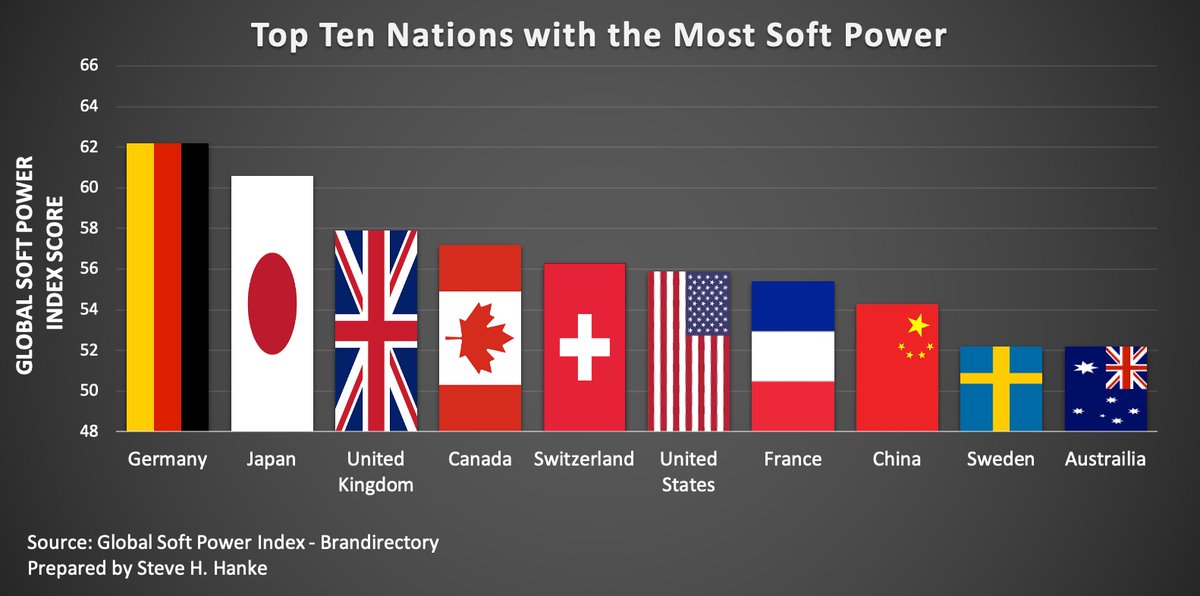
The United States still demonstrates the fusion of both. Its military is unmatched. Its economy remains vast. Its culture dominates globally through film, music, technology. Its narratives—though contested—still resonate. Yet America’s challenge is internal. Polarisation erodes legitimacy. Influence declines when democracy falters. Power declines when alliances doubt credibility.
The U.S. remains strongest when power and influence are aligned. When they diverge, decline accelerates. China seeks to fuse power and influence deliberately. Its Belt and Road Initiative expands economic reach. Its Confucius Institutes project culture. Its digital platforms extend narratives. Its military modernises steadily.
Yet influence remains contested. Trust is limited. Narratives of prosperity are undermined by censorship, repression, and debt traps. China demonstrates that interdependence is strategic, not automatic. Influence must be credible. Power must be restrained. Otherwise, interdependence becomes coercion.

In the twenty-first century, narratives are weapons. Disinformation campaigns shape elections. Memes influence protests. Hashtags mobilise movements.
Influence is no longer passive—it is weaponised. Power without narratives cannot compete. Influence without power cannot survive counterattacks. Interdependence is battlefield. Russia weaponises lies. China weaponises platforms. Democracies weaponise exposure. The struggle is less about territory than attention.
Alliances today depend on interdependence of power and influence. NATO’s strength is not only its arsenal but its narrative of collective defence. The EU’s influence rests not only on regulations but on promise of shared prosperity. When narratives falter, alliances weaken. When arsenals lack legitimacy, alliances fracture.
Interdependence is glue. Without it, allies drift. Influence requires citizens. Power is projected not only by governments but by people. Students abroad, entrepreneurs, artists, athletes—all extend influence. Citizens amplify narratives. Citizens embody legitimacy.
Authoritarian regimes suppress citizens, weakening influence. Democracies empower citizens, strengthening credibility. Yet democracies also risk chaos when misinformation divides. Citizens are force multipliers—but also vulnerabilities. Interdependence depends on their trust.
At its core, the interdependence of power and influence raises moral questions. Is it ethical to manipulate narratives for strategic gain? Is persuasion without transparency legitimate? Nations that ignore morality risk hollow influence. Nations that abuse power erode trust. The strongest are those who align morality with strategy—whose power defends values, whose influence reflects authenticity. Without morality, interdependence corrodes into coercion.
The interdependence of power and influence in global politics matters because it defines survival in the twenty-first century. Nations rise or fall not on power alone, not on influence alone, but on their fusion.
This still matters because alliances, citizens, and legitimacy depend on interdependence. Power without influence isolates. Influence without power evaporates. Together, they define not only strategy but civilisation’s future.
The question is not whether nations possess power or influence. The question is whether they can sustain both—interdependent, credible, moral—before fragmentation makes survival itself uncertain.
Anonymous is a private guest contributor of WTM MEDIA. Through Why These Matter, they examines the intersections of ethics, geo-politics, and government leadership—bringing clarity to issues that shape people, influence culture, and determine the future of global society.
Why These Matter - WTM MEDIA is an independent editorial platform exploring the forces shaping our world—through people, culture, commerce, design, systems, and governance. Connecting the dots between today’s headlines and tomorrow’s realities.