
Human beings have never been safer, wealthier, more connected, or more technologically advanced. Yet rates of burnout, anxiety, loneliness, chronic stress, metabolic dysfunction, sleep disorders, and inflammatory disease continue to rise across developed societies. The question is no longer whether modern life affects human health. The question is whether many of the symptoms society treats as personal failures are actually intelligent biological responses to environments humans were never designed to inhabit.

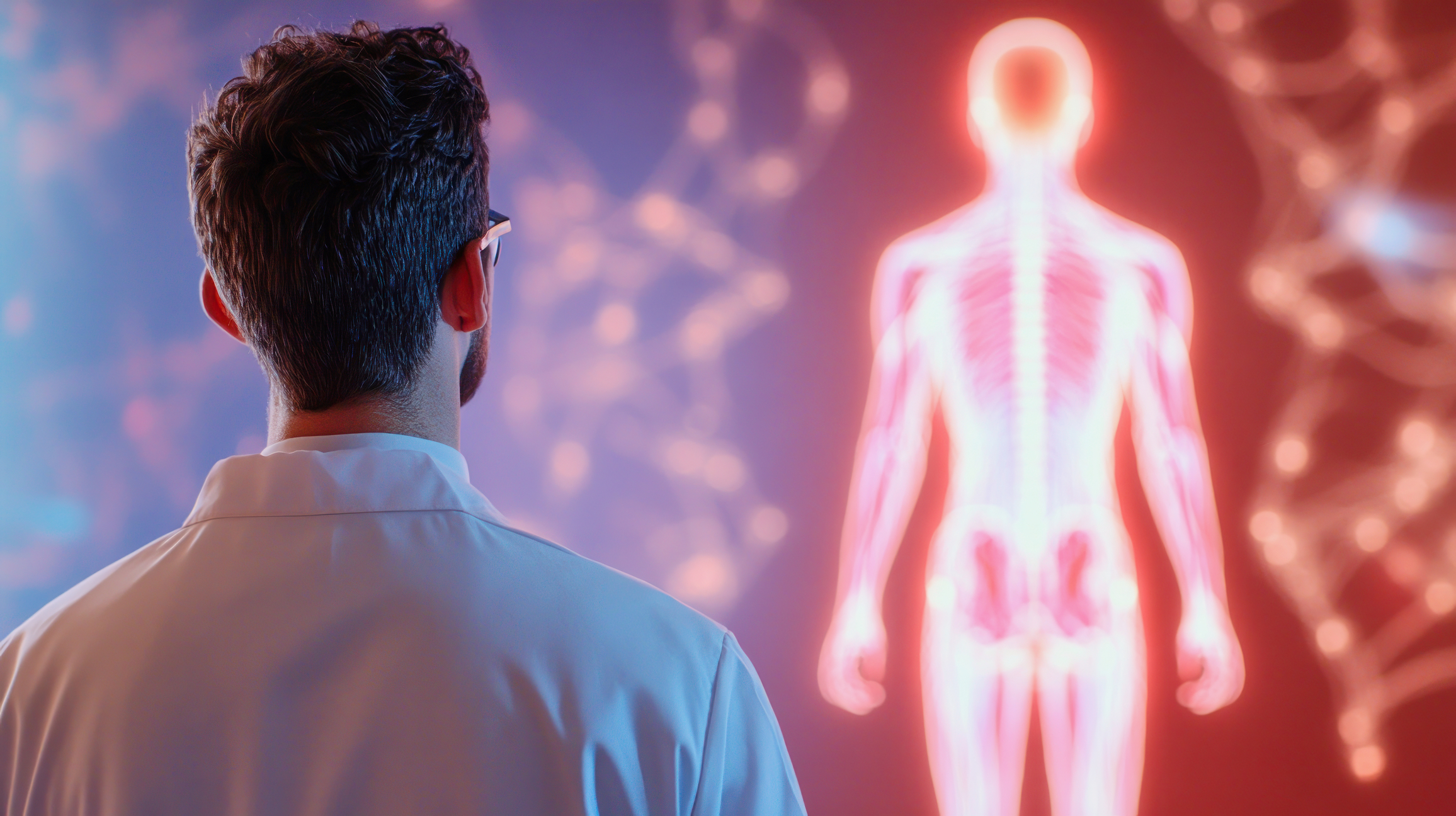
A successful executive wakes at 2:13 every morning.
His bloodwork is normal.
His heart is healthy.
His physician finds no major abnormalities.
Yet his jaw remains clenched. His sleep is fragmented. His thoughts race before sunrise. By every traditional measure he appears successful. His body disagrees.
Across the developed world, millions of people are experiencing some version of the same paradox. They live in societies that have largely conquered many of the threats that plagued previous generations. Life expectancy has increased. Medical capabilities have expanded. Information is available instantly. Yet exhaustion has become normal. Anxiety has become common. Burnout has become expected. Entire populations are becoming increasingly uncomfortable within environments designed to improve their lives.
For generations, medicine searched for disease within the body itself. Increasingly, science suggests many modern health challenges may originate beyond the body. Chronic stress alters immune function. Loneliness affects cardiovascular health. Sleep deprivation disrupts metabolism. Trauma reshapes neural architecture. Social isolation influences inflammation. The body continuously translates experience into biology. What begins as environment eventually becomes physiology.
This insight changes the question. Rather than asking why so many people appear to be breaking down, society may need to ask whether human biology is responding exactly as it was designed to. Anxiety often emerges from perceived uncertainty. Chronic stress emerges from prolonged demand. Fatigue emerges when recovery becomes insufficient. Symptoms frequently contain information. They reveal conditions rather than merely failures.
Human beings evolved within environments characterised by movement, sunlight, social connection, challenge, and periodic recovery. Modern environments increasingly provide the opposite. People spend much of their lives seated indoors, exposed to artificial light, consuming fragmented information streams while navigating continuous psychological demands. Biology has not evolved at the pace of civilisation.
Perhaps the most overlooked truth in modern health is that the body is not merely reacting to life. It is auditing it. Every symptom, adaptation, and physiological response contains clues about the environments we have created and the consequences of living within them.

Human civilisation has always pursued convenience. Faster transportation, instant communication, endless entertainment, automated services, and frictionless consumption have transformed daily life. These achievements are remarkable. Yet every solution alters the conditions under which human beings adapt.
Muscles strengthen through resistance. Cardiovascular systems improve through exertion. Cognitive capacity develops through challenge. Resilience emerges through repeated adaptation. Remove all friction and something unexpected occurs. The systems designed to grow through engagement receive fewer opportunities to develop.
The modern environment increasingly removes demands that once shaped human capability. Navigation systems replace spatial memory. Search engines replace information retention. Streaming platforms eliminate effort in discovery. Food arrives without preparation. Social interaction occurs without physical presence. Convenience solves countless problems while simultaneously reshaping behaviour.
The consequences often remain invisible because they accumulate gradually. No single innovation weakens society. Rather, thousands of small conveniences collectively alter how people think, move, relate, and adapt. The modern human experiences a level of comfort unprecedented in history while simultaneously reporting record levels of dissatisfaction, anxiety, and disconnection.
Healthcare reveals the same tension. Medical interventions save lives and remain indispensable. Yet many of the most persistent public health challenges are not caused by pathogens. They emerge from interactions between lifestyle, environment, behaviour, and stress. Medication frequently manages symptoms effectively. Long-term resilience often requires redesigning the conditions that produced those symptoms in the first place.
The deeper challenge is not technology itself. Technology is a tool. The question is whether society is using technology to enhance human capability or replace it. There is a profound difference between augmentation and dependency. One strengthens adaptation. The other quietly erodes it.
The future will belong to societies capable of creating technologies that make people not merely more efficient, but more capable, more connected, and more resilient. Progress should not simply make life easier. It should make human beings stronger.

One of the greatest achievements of modern medicine was specialisation. By isolating organs, diseases, and systems, researchers unlocked extraordinary discoveries. Yet many of the most significant health challenges of the twenty-first century refuse to remain confined within neat categories.
Emerging fields such as psychoneuroimmunology, systems biology, behavioural medicine, and precision health increasingly reveal a different reality. Sleep influences metabolism. Metabolism affects cognition. Cognition shapes behaviour. Behaviour influences relationships. Relationships alter stress responses. Stress changes immune function. The body behaves less like a machine composed of independent parts and more like an ecosystem governed by relationships.
Nature offers a useful comparison. Healthy forests do not depend upon a single tree. They emerge from networks of relationships connecting soil, water, microorganisms, plants, animals, and climate. Remove one element and the effects ripple across the system. Human health operates similarly. Biological, psychological, social, and environmental systems continuously influence one another.
This perspective transforms how health itself is understood. Increasingly, chronic disease appears less like a singular event and more like a systems failure. Inflammation influences mood. Mood affects behaviour. Behaviour alters sleep. Sleep impacts immunity. Immunity shapes inflammation. Feedback loops replace simple explanations.
Technology is helping illuminate these relationships. Wearable devices monitor stress responses, sleep quality, heart-rate variability, glucose patterns, and recovery cycles in real time. Artificial intelligence identifies correlations too complex for human observation alone. Yet the most important shift is not technological. It is philosophical. The future of medicine may depend less on studying isolated components and more on understanding the relationships connecting them.
This insight extends far beyond healthcare. Schools, corporations, governments, and cities increasingly face challenges that resemble ecosystems rather than machines. Burnout cannot be solved solely through productivity metrics. Educational outcomes cannot be separated from sleep, nutrition, safety, and social stability. Human performance emerges from systems, not silos.
The future belongs to institutions capable of understanding relationships. Human beings have always functioned this way. Modern science is only beginning to catch up.

The greatest health challenge of the twenty-first century may not be a single disease. It may be the widening mismatch between human biology and modern environments. Humanity continues designing systems for efficiency, convenience, and productivity while often neglecting the biological realities of the people expected to operate within them.
This insight extends far beyond healthcare. Schools are confronting unprecedented levels of anxiety among students. Organisations struggle with burnout despite productivity gains. Communities face loneliness despite constant connectivity. Cities battle chronic disease despite access to advanced infrastructure. These problems appear separate. Increasingly, evidence suggests they are connected.
Around the world, signs of a new philosophy are emerging. Urban planners are redesigning cities around walkability, proximity, and human-scale experiences rather than vehicle throughput alone. Forward-thinking organisations are rethinking workplace architecture, recovery periods, natural light, and digital boundaries. Educational systems are experimenting with movement, outdoor learning, and active engagement rather than prolonged sedentary instruction. These are not merely design decisions. They are health interventions.
The common thread is simple. Human beings do not exist separately from their environments. Every building, policy, workplace, technology, neighbourhood, and social norm becomes part of the biological conditions shaping health. Society often treats wellbeing as an individual responsibility while ignoring the systems that continuously influence it.
The body may be delivering one of the most important messages of our time. Rising rates of stress, burnout, loneliness, metabolic dysfunction, and chronic illness are not merely medical statistics. They are feedback loops. They reveal where the systems surrounding us have drifted out of alignment with the biology within us.
For generations, societies assumed progress meant making life faster, easier, and more efficient. The next chapter may require a different definition. The future belongs to societies capable of designing environments that make human beings healthier, wiser, more connected, and more resilient. The body is not merely reacting to modern life. It is auditing it.

Why These Matter - WTM MEDIA is an independent editorial platform exploring the forces shaping our world—through people, culture, commerce, design, systems, and governance. Connecting the dots between today’s headlines and tomorrow’s realities.