
Wellington is a capital city that resists spectacle in favour of substance. From the civic intelligence embedded in Te Papa to the unselfconscious creativity of Cuba Street, from restrained fine dining to the disciplined wines of Martinborough, the city reveals a culture built on coherence, ethics, and lived design. This editorial captures Wellington as it is experienced—not consumed—through architecture, food, landscape, and quiet power.
Compressed between hills and harbour, it feels less like a capital and more like a thinking room—ideas moving at the same speed as the wind that sculpts its streets. From the first morning, the city makes its terms clear: walk, look up, listen.
This is not a city that dazzles on arrival. It reveals itself through attention.
Long before it became the political centre of New Zealand, Wellington was a harbour. Known to Māori as Te Whanganui-a-Tara—the great harbour of Tara—it was valued for shelter, sustenance, and strategic passage. The city’s identity has always been shaped by water, movement, and protection, not conquest. Even now, Wellington feels oriented toward flow rather than force.
That orientation is not metaphorical. The city sits at the meeting point of tectonic plates and trade winds. Earthquakes in 1848 and 1855 reshaped the shoreline, lifting land from the sea and permanently altering its geography. Where fear might have followed, Wellington chose ingenuity. Today it is globally respected for seismic engineering and adaptive urban planning—quietly exporting resilience to other cities that live with uncertainty beneath their feet.
The wind, famously relentless, is not treated as an inconvenience. The Cook Strait funnels weather with precision, keeping the air clean, the light sharp, the thinking honest. Nothing stagnant survives long here—socially, structurally, or intellectually.
At the heart of the city stands Museum of New Zealand Te Papa Tongarewa, where architecture becomes ethics. The building is open, democratic, and grounded—less monument than invitation. Māori and Pacific artefacts are not presented as relics but positioned as living intelligence. The curation is calm, assured, unapologetically local. This is how a country tells the truth about itself—without spectacle, without apology.
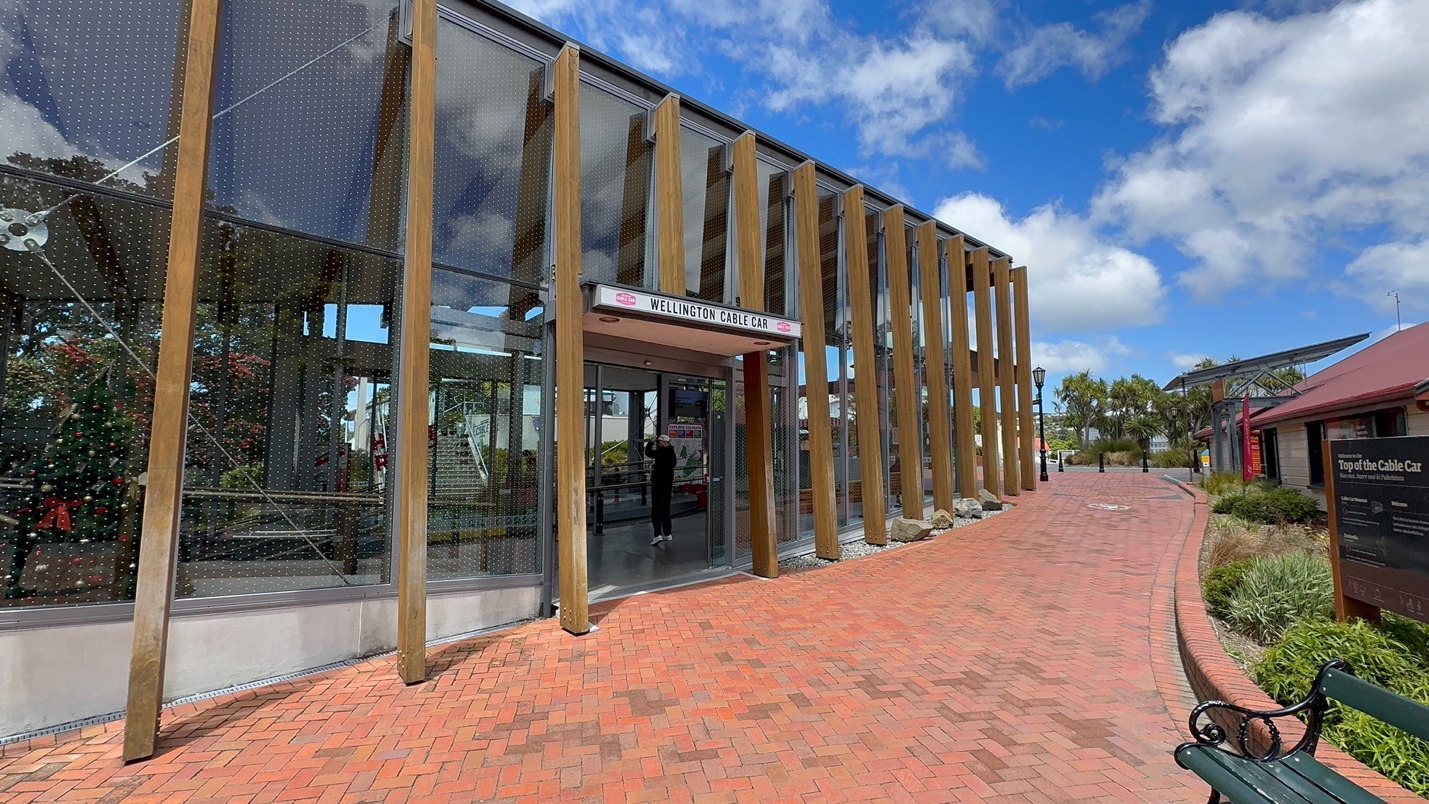
From there, the Wellington Cable Car lifts you gently into perspective. At the summit, the Wellington Botanic Garden unfolds as a lesson in restraint: native flora, thoughtful paths, no excess drama. Wellington does not decorate nature; it respects it.
Then comes Mount Victoria. From its summit, the harbour stretches out in quiet confidence—impossibly blue water, hills layered with homes that feel earned rather than imposed. The airport runway skims the edge of the sea, a reminder of how closely power, people, and nature coexist here. It is not a view that overwhelms; it clarifies. You understand why this city produces writers, filmmakers, editors, and policy thinkers. It trains the eye to hold complexity without panic.
Wellington Harbour functions as the city’s living room. Calm, deep, and improbably accessible, it anchors daily life—walks, ferries, pauses, reflections. Unlike harbours that privilege commerce over citizens, this one remains visible and democratic. The waterfront stitches together museums, cafés, offices, and public art with no hierarchy—an urban lesson in shared ownership.
From the water, the city reads as layered restraint: low-rise density, hills folded with housing, government buildings that resist imperial arrogance. Power here does not loom; it participates.
Business, Work, and the Shape of the City
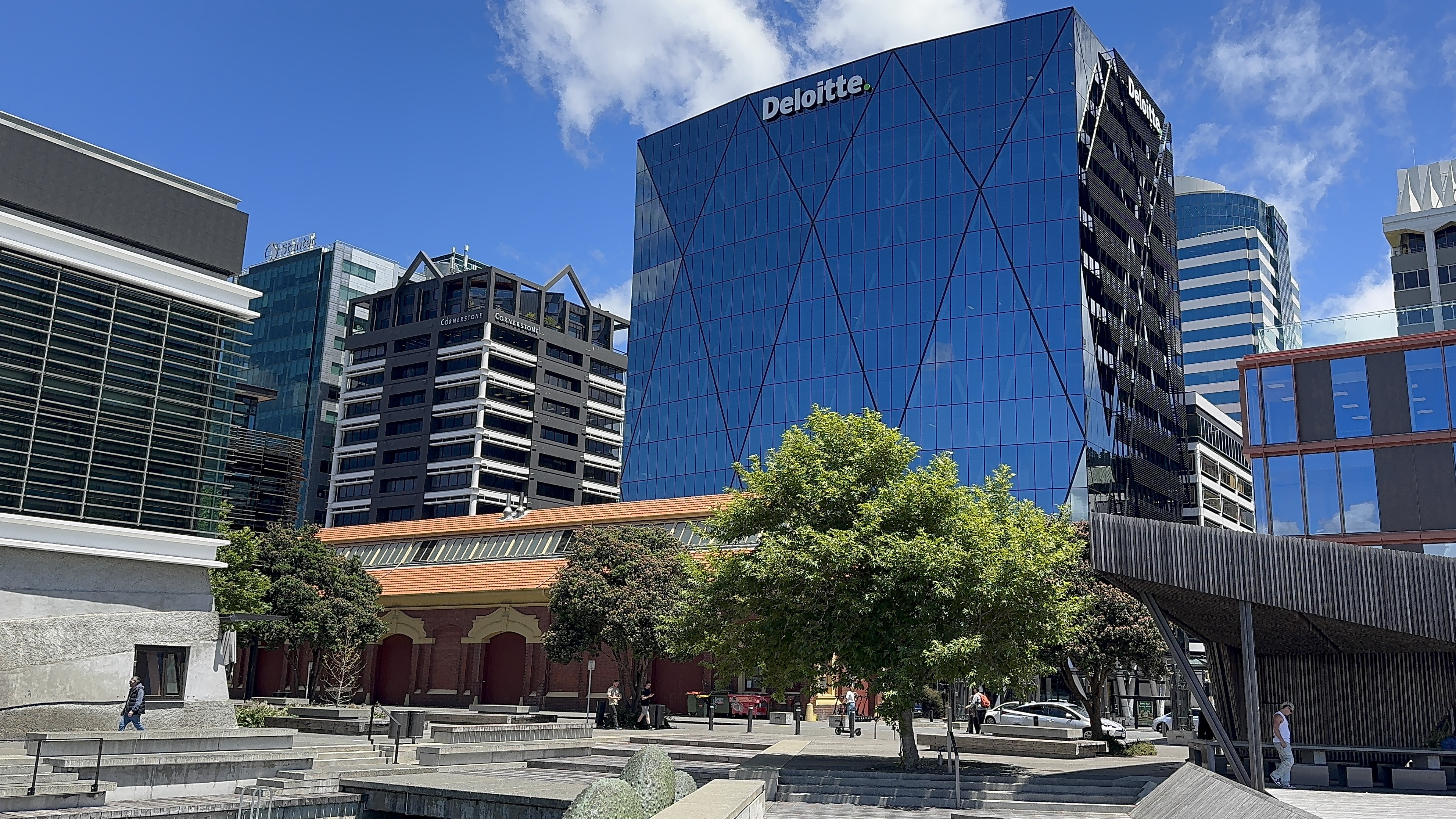
Wellington’s economy favours knowledge over volume. Policy, law, education, film, creative industries, and technology define its professional landscape. Scale is less prized than sustainability of thought. Independent bookstores, cafés, studios, and wine bars dominate the streetscape. Chains exist, but they do not define the city.
The result is a commercial ecosystem that feels human-sized, resilient, and locally accountable—an economy that mirrors the city’s broader temperament.
If the harbour is the spine, Cuba Street is the nervous system. This is where Wellington loosens its tie. Hip, queer, bohemian, and refreshingly unfiltered, the street hums with murals, indie cafés, and conversations that feel mid-thought rather than rehearsed. Nothing here is curated for tourists. It exists for locals first. That, precisely, is its power.
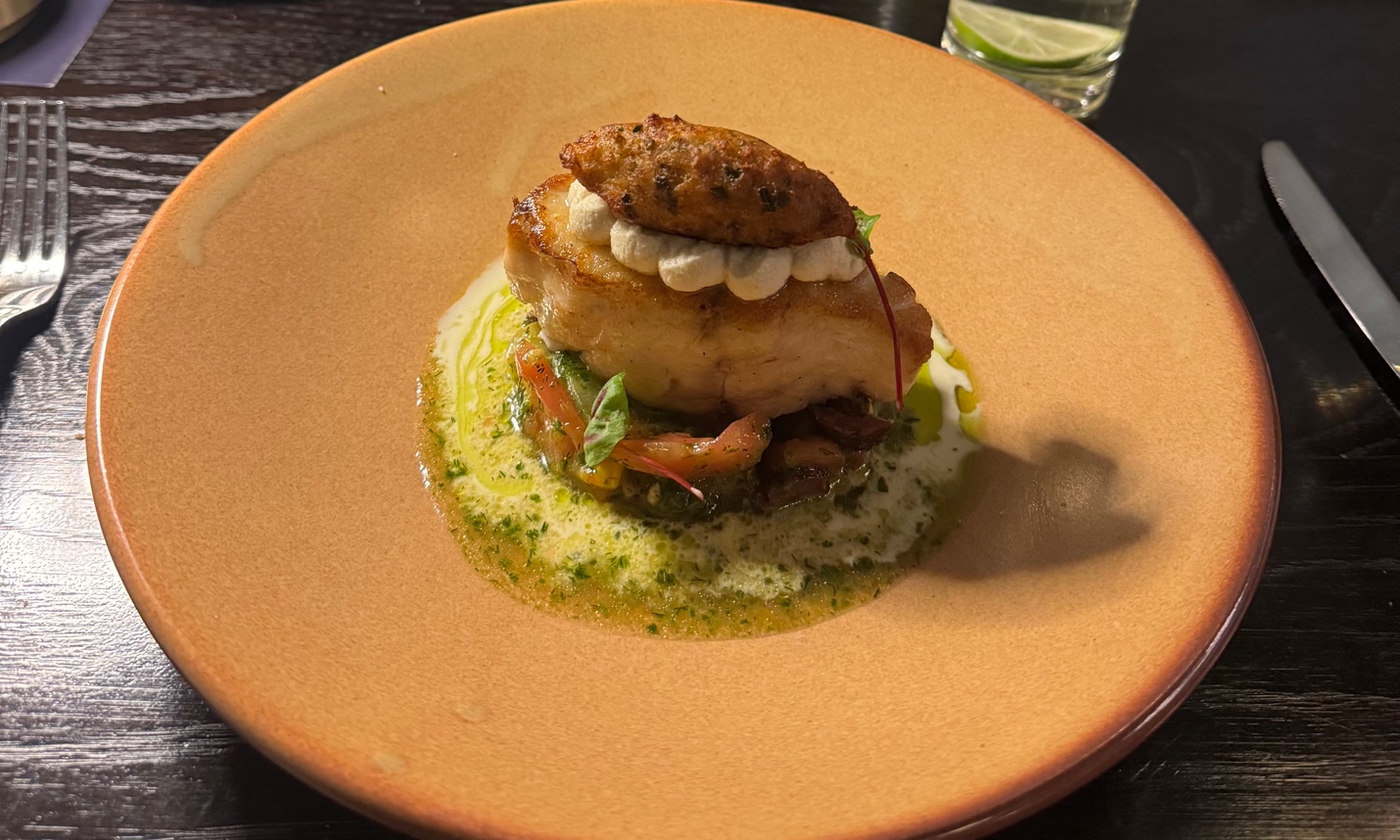
Dinner at Logan Brown confirms the city’s culinary ethos: technique without ego. The room is restrained, almost reverent. The plate—precise, seasonal, quietly confident. This is fine dining that understands proportion, not performance. Even elegance here refuses to shout.
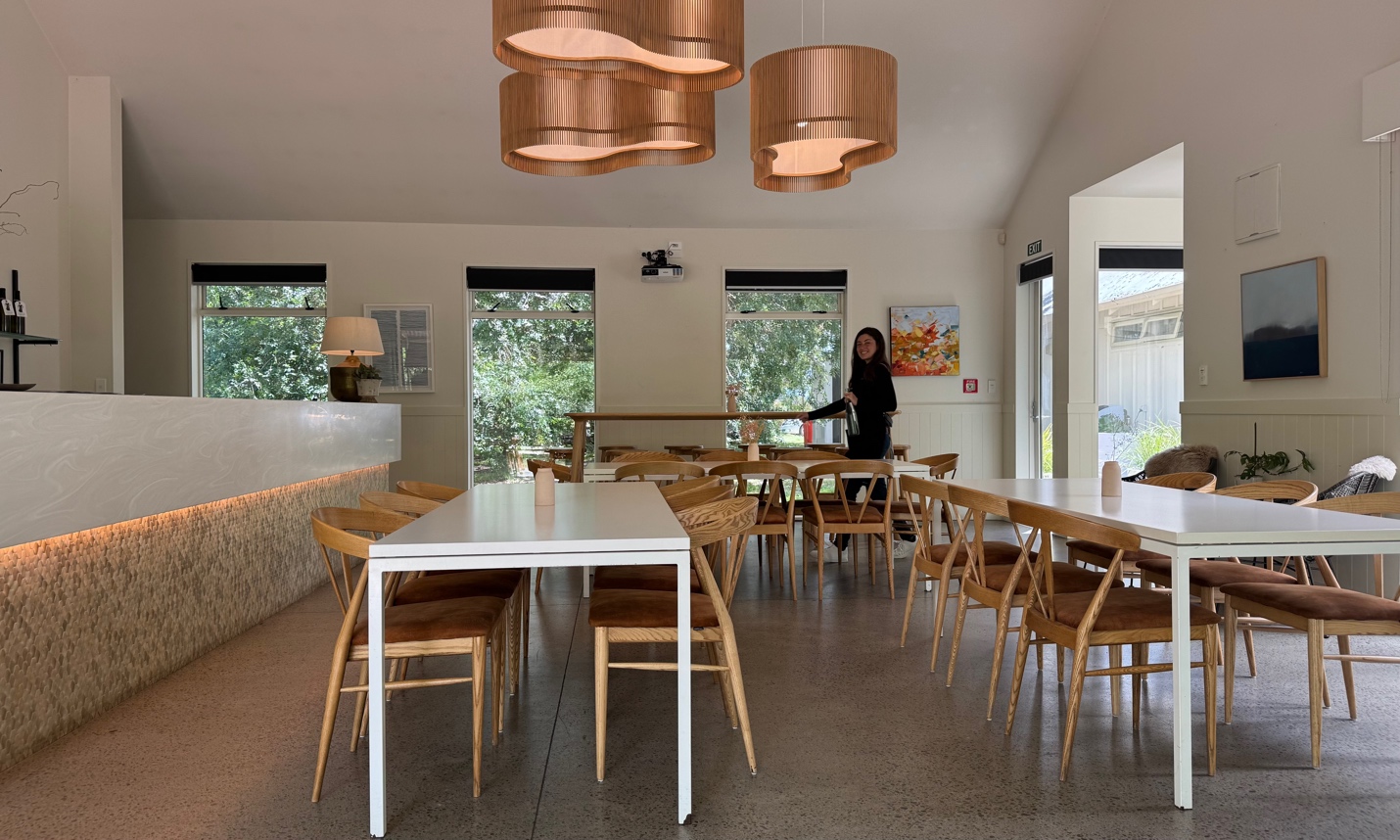
An hour away, Martinborough shifts the rhythm. Flat land, big sky, and vineyards that feel studied rather than showy.
At Poppies Martinborough, hospitality is generous but disciplined—food designed to elevate the wine, not compete with it. Palliser Estate delivers structure and clarity, while Moy Hall leans into intimacy and craft. Together, they reflect New Zealand’s wine philosophy: less mythology, more method.
Wellington’s climate is temperate and maritime. Summers are mild, typically 18–25°C (64–77°F). Winters are cool but rarely extreme, averaging 6–12°C (43–54°F). Snow is virtually unknown. Rain arrives decisively and leaves quickly. The weather keeps the city alert, never overwhelmed.
The people reflect this balance. Wellingtonians are alert, opinionated, and unpretentious. Conversations slide easily from politics to poetry to climate anxiety without apology. Diversity is present but not announced. Māori culture is foundational—visible in language, public art, and civic process, not relegated to performance. Queer communities, creatives, academics, and public servants coexist without friction.
Hospitality follows the same logic. Hotels do not overpromise. Restaurants do not posture. Service is competent, warm, and efficient—rooted in respect rather than performance. Even luxury carries a sense of proportion.
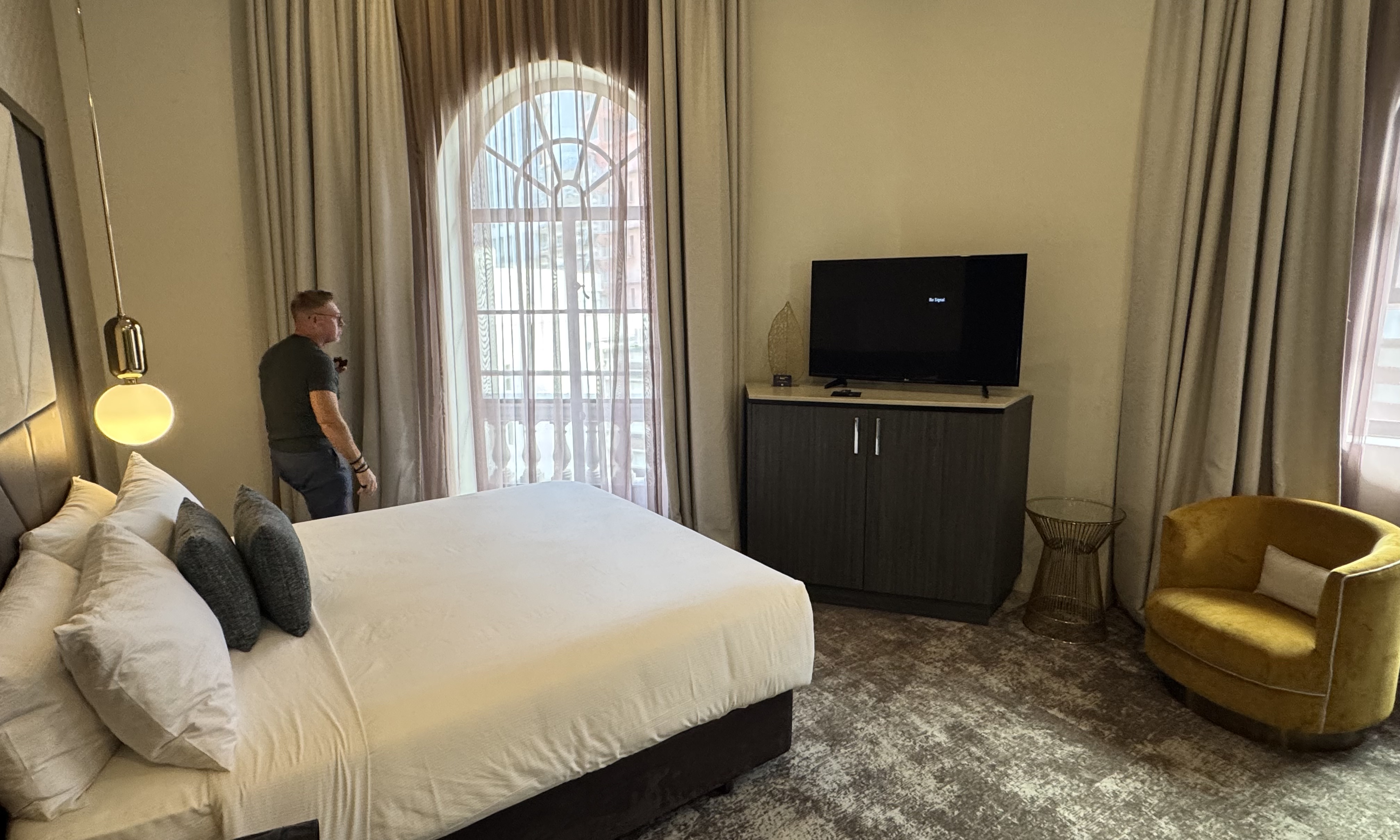
The DoubleTree by Hilton Wellington exemplifies this sensibility. Central, efficient, and comfortable, it understands its role as a basecamp, not the headline. Contemporary interiors lean warm rather than theatrical. A welcome bottle from Palliser Estate waiting in the room feels less like marketing and more like good manners.
Wellington is not loud, but it is deliberate. It is a city that values thought over spectacle, culture over scale, precision over excess. Governance, art, food, business, and landscape operate in quiet alignment here. In a world addicted to amplification, Wellington chooses coherence.
That choice—rare, disciplined, and deeply contemporary—is what makes the city matter now. Wellington does not try to impress the world.
It assumes the world will catch up.
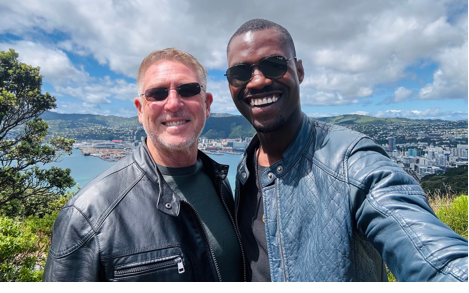
Kelly Dowd, MBA, MA is a designer, author of The Power of HANDS, and systems architect working at the intersection of travel, culture, architecture, and intelligence. He is Editor-in-Chief of Why These Matter Media, where he examines places not as destinations, but as systems of meaning. His work blends poetic observation with strategic clarity, informed by global travel, a neurodivergent lens, and a commitment to dignity-driven, human-centred design.
Why These Matter - WTM MEDIA is an independent editorial platform exploring the forces shaping our world—through people, culture, commerce, design, systems, and governance. Connecting the dots between today’s headlines and tomorrow’s realities.