
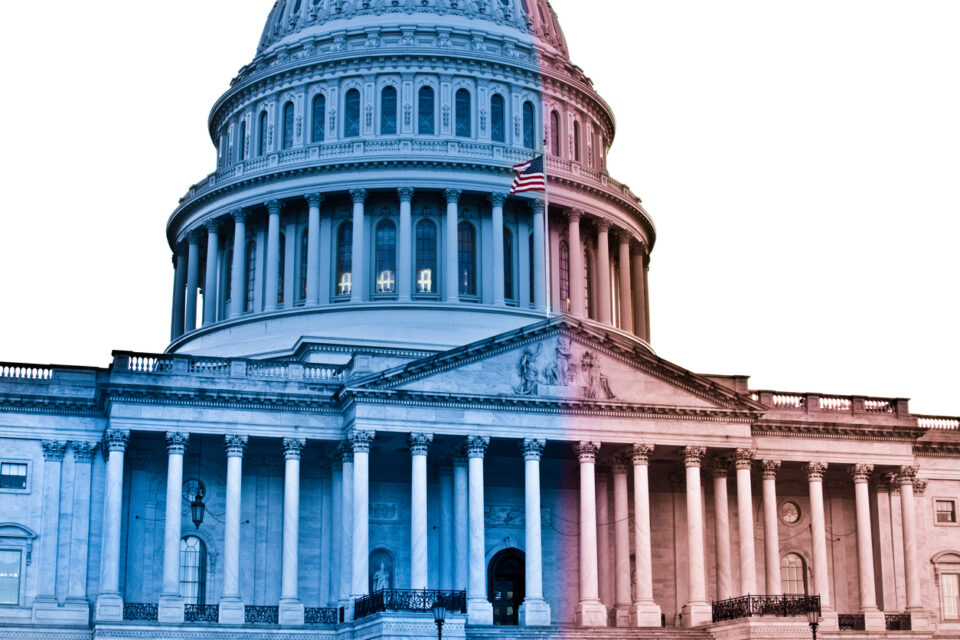
From unborn children to the aged in nursing homes, every generation is bearing the cost of political underperformance. It’s time citizens reclaim accountability and demand results.
The United States stands at a precipice. Citizens sense it in their bones—even when the evening news tries to soothe them with distractions. Our two-party system has hardened into a theatre of underperformance, a duopoly addicted to power, not progress.
Every election cycle, we’re told to choose “the lesser of two evils,” as if destiny must forever be tethered to lawmakers and enforcement officers who promise reform with one hand and preserve the status quo with the other. Meanwhile, we—the stakeholders—fund salaries, pensions, and privileges while our schools age, our healthcare groans, and trust erodes.
When lawmakers underperform, the cost isn’t theoretical—it is generational.
Every generation feels the strain. Underperformance is not abstract—it is visible in empty grocery carts, delayed prescriptions, unpaved streets, and rising suicide rates.
Great nations have fallen not by invasion, but by rot within. Rome’s Senate ignored the cries of its people. France’s aristocracy danced while bread riots spread. More recently, the Soviet Union collapsed under the weight of inefficiency and denial. America should not delude itself—it is not immune to the laws of history.
Every unkept promise, every shrug at corruption, every partisan stalemate pushes the country closer to the brink where cynicism replaces civic faith. And once citizens no longer believe their vote matters, democracy itself begins to decay.
Accountability is not a spectator sport. Here are practical actions Americans can take:
If citizens do nothing, the impacts compound:
Inaction is not neutral. It is a choice with devastating consequences.
But despair is not the only option. Renewal is possible if citizens apply pressure consistently. Look at examples:
The formula is timeless: persistent civic action + accountability = renewal.
Power is not in the halls of Congress. It is in our hands—if we remember to use it.
Is this anti-party?
No. It’s anti-underperformance. Any party that delivers measurable results earns votes; those who don’t, don’t.
What does “fire” mean here?
Lawful accountability: voting out incumbents, backing challengers, supporting recalls where legal, and escalating oversight.
How do I assess performance quickly?
Use a simple scorecard: 3–5 priorities, baseline metrics, and quarter-over-quarter change. Reward doers, not talkers.
The author requested anonymity to focus attention on ideas rather than identity.
Why These Matter - WTM MEDIA is an independent editorial platform exploring the forces shaping our world—through people, culture, commerce, design, systems, and governance. Connecting the dots between today’s headlines and tomorrow’s realities.