
Dakarai Larriett, a gay Black entrepreneur and Senate candidate in Alabama, shares a story of resilience, lawsuits against systemic racism, solidarity with unions and the trans community, and a fight for justice. A perspective on brotherhood, identity, and change. .
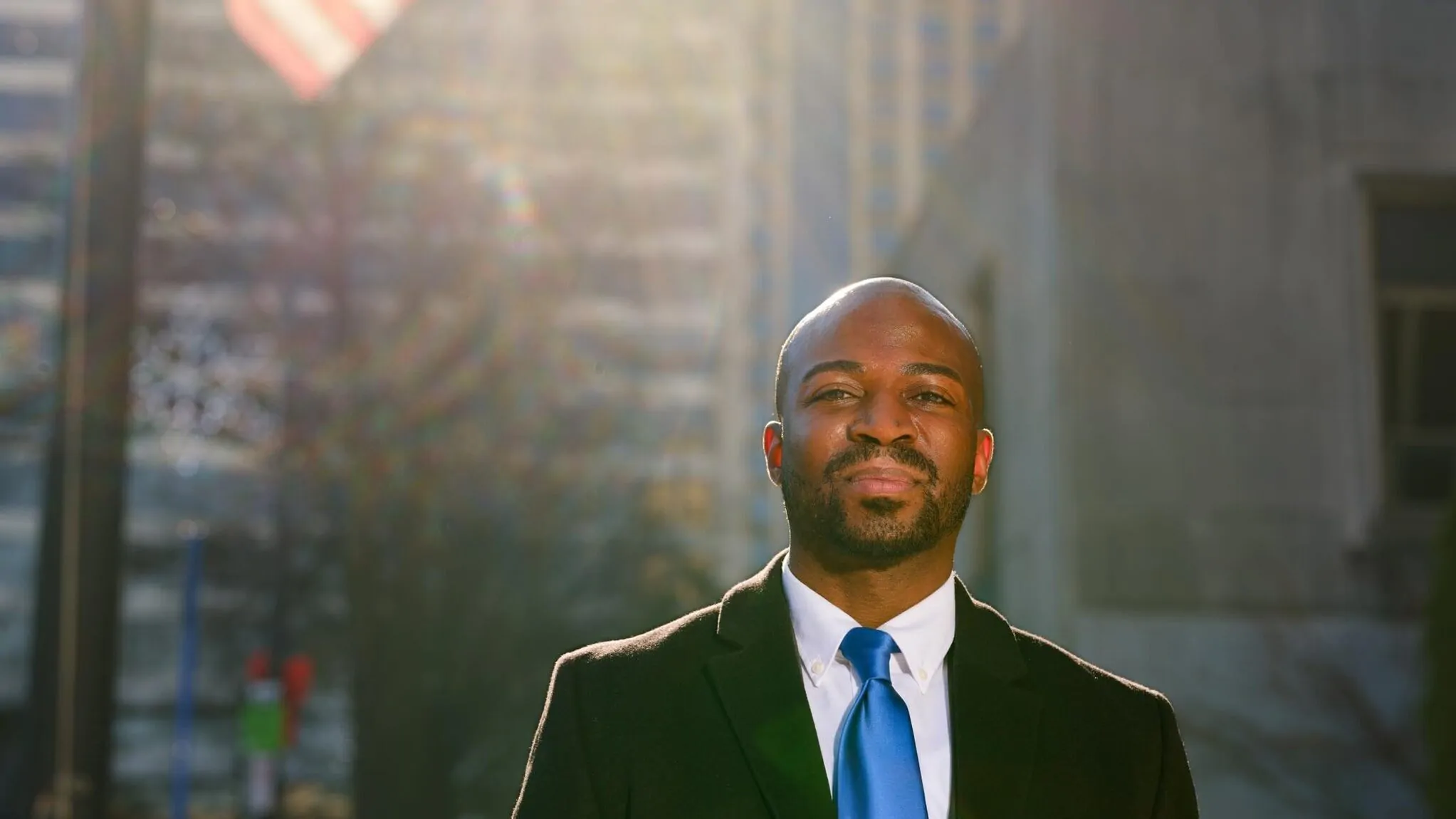
Dakarai Larriett is running for U.S. Senate in Alabama — a gay Black man, born in struggle, rising by conviction. His campaign is more than political ambition. It is personal. It is communal. It is about justice. It is about courage.
For me, knowing Dakarai is knowing someone who stands when the world tries to silence you. Someone who has had to fight not just for rights, but for dignity. It’s knowing that when you sue your own employer, or when you challenge the government itself, you’re not just fighting for yourself — you’re fighting for every person who has been told they are less than.
“We aren’t suing just for one of us — we are suing to expose systems that permit dehumanization under the guise of law.”
This is his story. And ours.
Dakarai Larriett, age 43, lives in Birmingham, Alabama. He is a former Whirlpool executive and entrepreneur, having built his own aromatherapy pet care line before stepping into politics. His career also touches the global stage — time spent in corporate life around LVMH, the fashion industry giant, gave him an understanding of how culture, commerce, and identity intersect.
He is confident — not because his path has been easy, but because he has known what it means to be undere stimated, targeted, and fought against. His campaign is self-funded, organised, and fuelled by conviction.

Our bond deepened during his federal lawsuit against the Michigan Department of State Police. Stopped and arrested while sober, Dakarai was mocked by officers — for his name, for the “fruity” smell of his car, for being both Black and gay.
He sued for racial and sexual orientation discrimination. Though dismissed under the legal shield of qualified immunity, the case exposed the structural rot of American justice: a doctrine that excuses authority even when harm is clear.
I understood this personally. I too sued employers and systems that treated my identity as disposable. In that moment, Dakarai and I were not just friends — we were brothers-in-arms.

Our bond deepened during his federal lawsuit against the Michigan Department of State Police. Stopped and arrested while sober, Dakarai was mocked by officers — for his name, for the “fruity” smell of his car, for being both Black and gay.
He sued for racial and sexual orientation discrimination. Though dismissed under the legal shield of qualified immunity, the case exposed the structural rot of American justice: a doctrine that excuses authority even when harm is clear.
I understood this personally. I too sued employers and systems that treated my identity as disposable. In that moment, Dakarai and I were not just friends — we were brothers-in-arms.
“Brotherhood is not abstract. It is forged in confrontation with lies. It is built on necessity.”
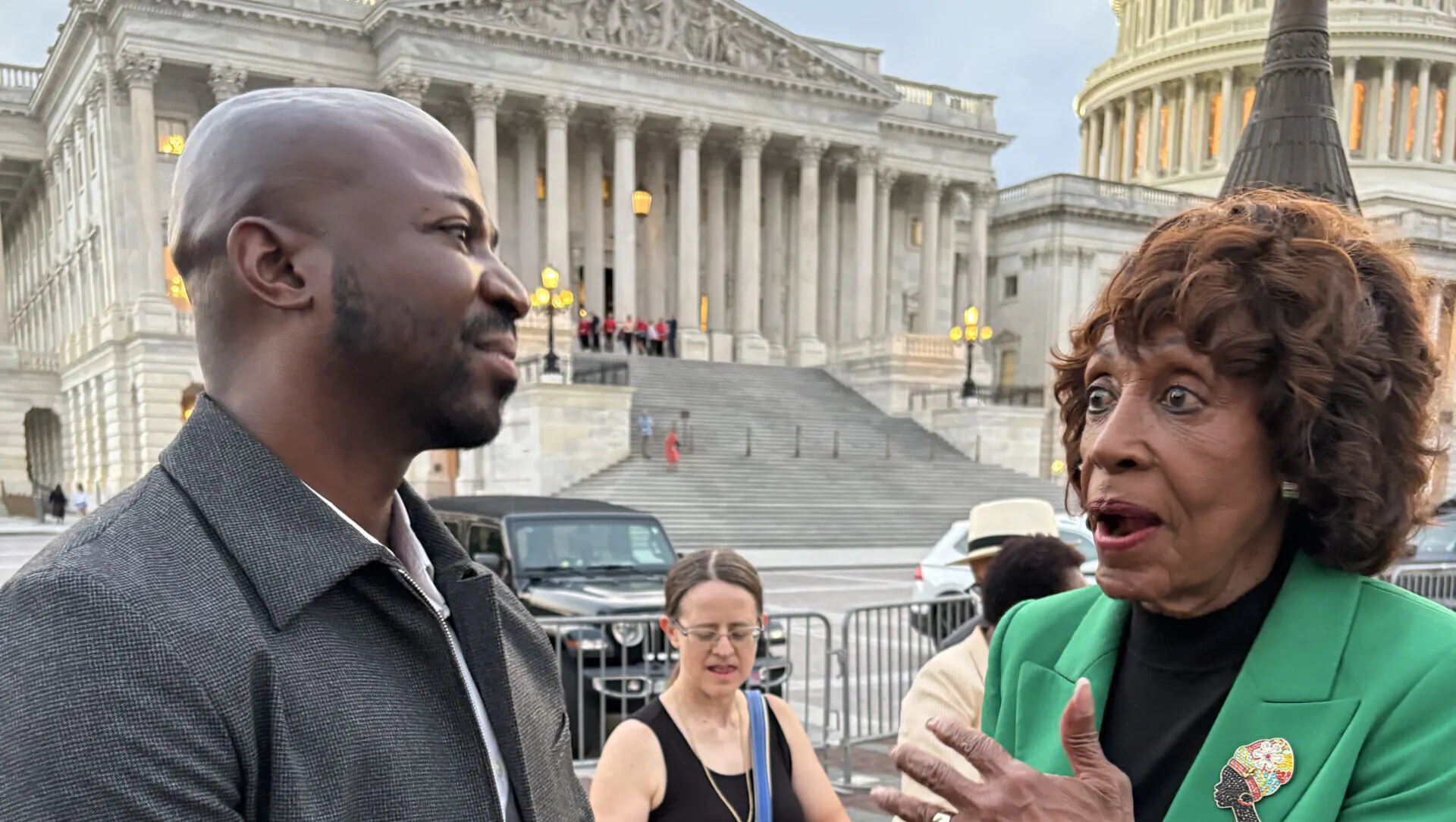
Why His Fight Matters — The Mission
• Representation: If elected, Dakarai would be the first out Black male U.S. Senator. That alone shifts history.
• Justice Reform: He champions a motorists’ bill of rights and ending qualified immunity. Survival policies, not slogans.
• Economic Dignity: From safe housing to equitable opportunity, his platform reflects lived experience, not elite abstraction.
• Union Commitment: He has supported the labor and union community, standing beside those whose voices are often silenced in corporate battles.
• Trans Community Solidarity: Dakarai has embraced the LGBTQ+ spectrum fully, standing with trans communities and fighting against policies that strip away their humanity.
• The Margin of Change: In a deeply red Alabama, his candidacy reminds us that margins are where history cracks open.
• Law should protect, not humiliate.
• Identity is never liability.
• Standing up, even when you may lose, changes the world.
This is what his campaign means. This is what our bond affirms.
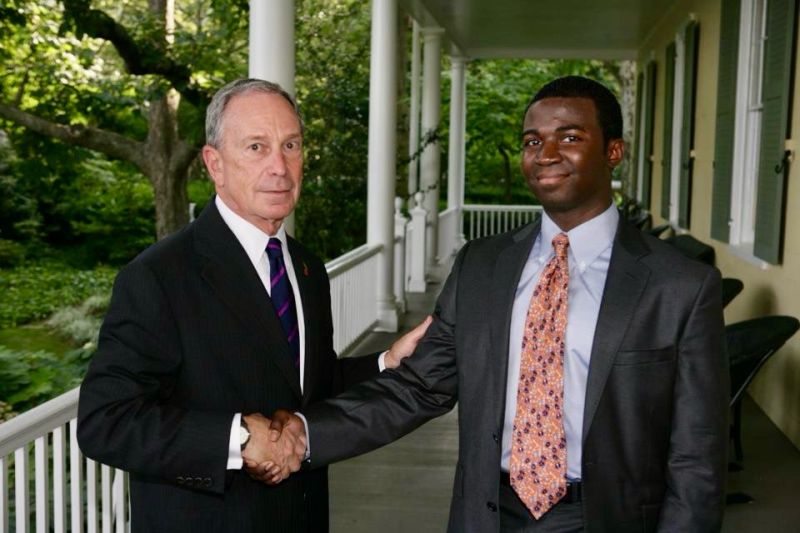
Beyond politics, Dakarai is deeply human. He is a pet lover — his dog, Dada, is never far from his side. He is vulnerable, funny, relatable, and open about the struggles and joys of identity. This isn’t a polished façade; it’s lived reality.
To witness Dakarai’s campaign is to witness resistance made visible. Don’t just watch. Stand with him. Amplify him. Because his Senate run is not only about Alabama — it’s about every lawsuit filed in silence, every life diminished by prejudice, every voice cut off mid-sentence.
Dakarai Larriett is not just running for office. He is running for all of us who have been denied, diminished, dismissed. And together — through systems, through courage, through brotherhood — we are rewriting what justice looks like.
Support Dakarai Larriett’s Campaign and Federal Election Commission
Read More Why These Matter Articles

Why These Matter - WTM MEDIA is an independent editorial platform exploring the forces shaping our world—through people, culture, commerce, design, systems, and governance. Connecting the dots between today’s headlines and tomorrow’s realities.