Archive edition. Read the retained primary edition for this editorial. The original URL is preserved for existing links.
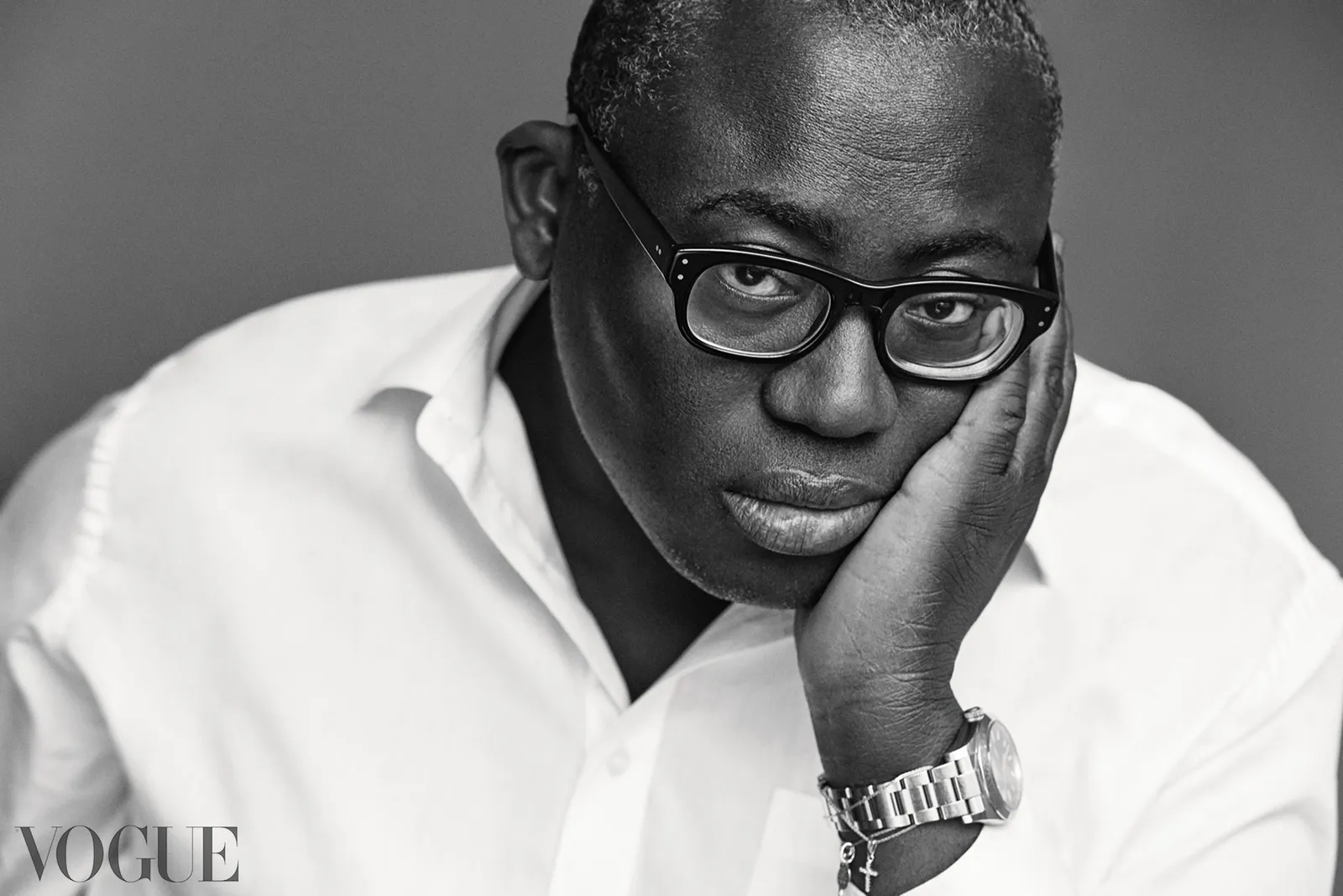
When Edward Enninful became the editor‑in‑chief of British Vogue in 2017, he promised to broaden the magazine’s lens beyond its traditionally narrow focus. Over six years he delivered on that pledge, putting women of colour, activists, disabled models and plus‑sized bodies on covers that once celebrated a singular ideal of beauty. In July 2023 he announced plans to step down; last winter he confirmed that the March 2024 issue would be his final as editor . Rather than leaving Condé Nast, he will take on a newly created role as Vogue’s global creative and cultural adviser .
Enninful transformed British Vogue from an establishment title into a platform for diverse voices. He featured a hijab‑wearing model on the cover, devoted an issue to disabled talent and curated guest editors ranging from educators to politicians. The commercial success of these issues proved that inclusive representation can be profitable. In this sense, his tenure changed both perceptions and business models across publishing.
As global creative adviser, Enninful is charged with shaping Vogue’s worldwide vision while retaining an advisory position at British Vogue . The role is intentionally broad; he will scout emerging photographers, help design events and consult on brand extensions. By moving from day‑to‑day production to strategic guidance, he gains freedom to work across multiple titles and experiment with new formats. It also signals Condé Nast’s recognition that fashion magazines must operate as global brands rather than national franchises.

Fashion is both an art form and a cultural bellwether. Editors wield power over which designers, models and movements receive mainstream exposure. Enninful’s ascent in 2017 was a milestone for Black leadership in an industry that remains overwhelmingly white. His new post means that this perspective will influence global decision‑making—not just British pages. Moreover, his willingness to step aside hints at a shifting landscape in which legacy publications embrace collaborative leadership and decentralised creative control.
Vogue’s next UK editor has not been announced, but industry insiders hope that Enninful’s emphasis on diversity will continue. Meanwhile, his global remit could foster cross‑edition collaborations, amplify regional trends and support young creatives from under‑represented backgrounds. As fashion grapples with sustainability, inclusivity and digital experimentation, having a visionary who has championed social justice at the helm may accelerate change.
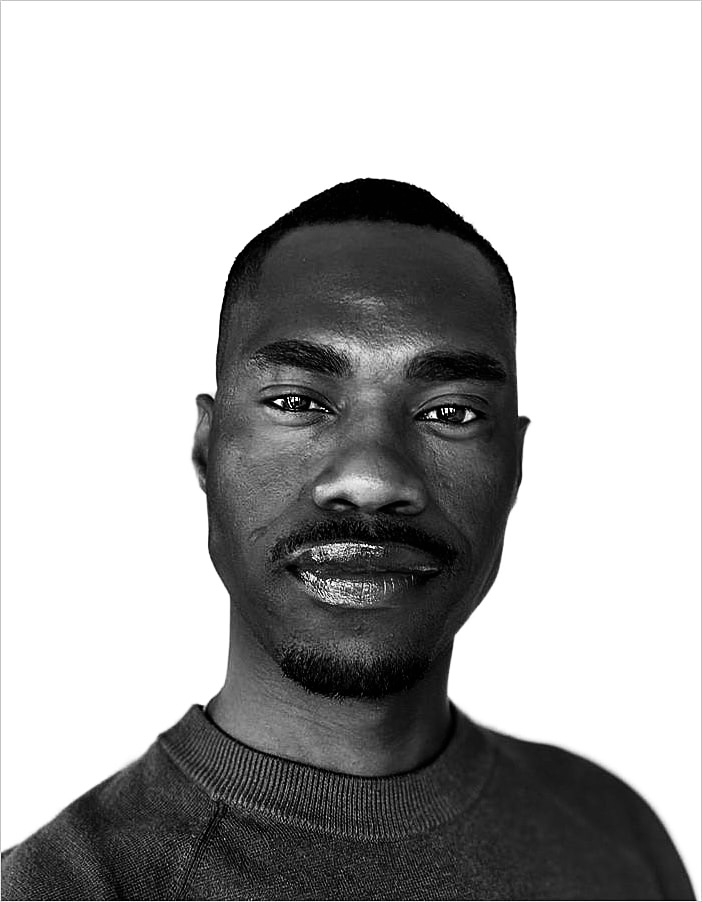
Kelly Dowd, MBA, MA, is an author, systems architect, and Editor-in-Chief of WTM MEDIA. Dowd examines the intersections of people, power, politics, and design—bringing clarity to the forces that shape democracy, influence culture, and determine the future of global society. Their work blends rigorous analysis with cultural insight, inviting readers to think critically about the world and its unfolding narratives.
Why These Matter - WTM MEDIA is an independent editorial platform exploring the forces shaping our world—through people, culture, commerce, design, systems, and governance. Connecting the dots between today’s headlines and tomorrow’s realities.