
Sanctions are designed to constrain behaviour, yet in practice they often reconfigure it. From Iran’s shadow oil networks to Russia’s rerouted exports, modern sanctions have not halted trade but redirected it into alternative systems that operate with reduced transparency. This editorial examines how enforcement limitations, adaptive logistics, and financial innovation are transforming sanctions from instruments of control into catalysts for fragmentation.
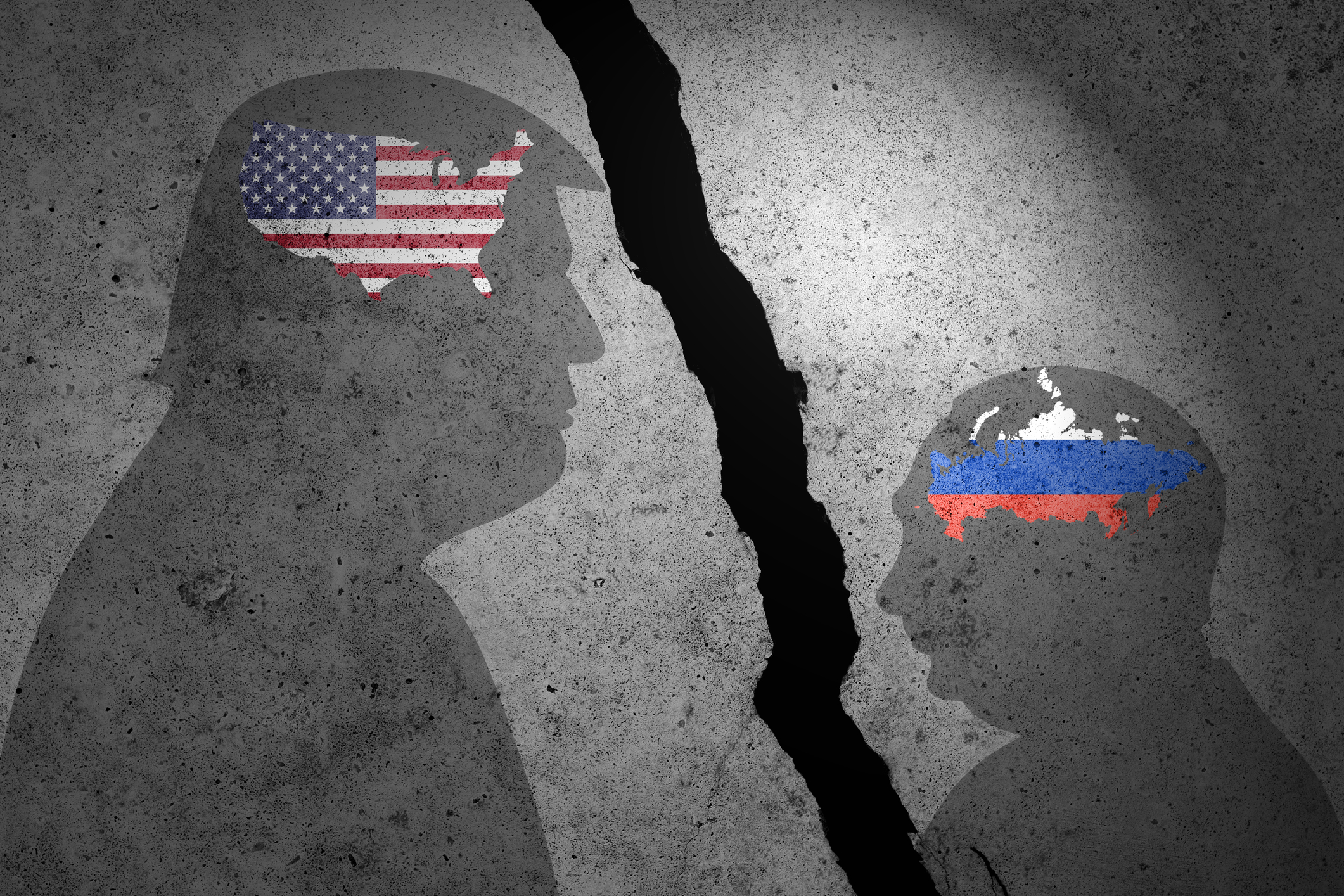
Sanctions are built on a premise of control, the assumption that access to markets, financial systems, and trade networks can be restricted in ways that compel behavioural change. This premise was historically valid within a more centralised global system, where key economic pathways were concentrated and dependencies were clearly defined. In the contemporary environment, however, this assumption is increasingly misaligned with reality, as the global economy has evolved into a distributed network capable of adapting to constraints rather than being halted by them.
The effectiveness of sanctions depends fundamentally on the existence of enforceable control points, which historically included dominant currencies, centralised banking systems, and established trade routes that could be monitored and regulated with relative precision. The influence of the United States over the global financial system, particularly through the dollar, has long provided a mechanism for imposing such controls, enabling policymakers to restrict access to capital and thereby exert pressure on targeted states. This framework assumes that participation in these systems is essential and that exclusion carries sufficient cost to influence decision-making.
As the global economy has diversified, the exclusivity of these control points has diminished, not through deliberate dismantling but through the gradual emergence of alternative pathways that allow actors to operate outside traditional frameworks. Iran’s response to sustained sanctions illustrates this evolution, as it has developed a sophisticated network of logistical and financial mechanisms designed to maintain the flow of oil despite formal restrictions. These mechanisms include ship-to-ship transfers conducted in international waters, the use of intermediary entities to obscure ownership and origin, and the reclassification of cargo to facilitate entry into markets that would otherwise be inaccessible.
These adaptations are not isolated or temporary measures but have become institutionalised practices that form the basis of a parallel economic system, one that mirrors the official market while operating under different rules and levels of transparency. The existence of this system demonstrates that sanctions do not eliminate economic activity but instead alter its structure, redirecting flows into channels that are more complex and less visible. This redirection introduces inefficiencies, including higher transaction costs and increased logistical complexity, yet these costs are absorbed within the system as long as underlying demand remains strong.
Russia’s experience further reinforces this pattern, as sanctions imposed in response to geopolitical conflict have not resulted in a cessation of exports but rather in a reorientation toward markets willing to engage under alternative conditions. By redirecting oil flows to countries such as China and India, Russia has maintained its revenue streams while simultaneously reducing its reliance on Western markets. This reconfiguration is facilitated by the same types of mechanisms observed in Iran’s case, including adjusted payment systems, intermediary trading arrangements, and logistical adaptations that enable continued participation in global trade.
The persistence of these flows highlights the limitations of enforcement, which is inherently constrained by the complexity and scale of the global system. Monitoring and regulating every transaction, shipment, and financial exchange is not feasible, particularly when actors are incentivised to develop increasingly sophisticated methods of circumvention. Each new layer of restriction generates a corresponding layer of adaptation, creating a dynamic in which enforcement and evasion evolve in parallel without reaching a definitive resolution.
Currency diversification represents a critical component of this adaptation, as transactions conducted outside the dollar system reduce the effectiveness of sanctions that rely on financial exclusion as a primary tool. Bilateral agreements, the use of alternative currencies, and the development of new payment mechanisms all contribute to a gradual reduction in dependency on centralised financial infrastructure. While these alternatives do not yet match the scale and efficiency of established systems, their continued expansion reflects a broader trend toward fragmentation, where multiple pathways coexist rather than a single dominant framework.
The redistribution of cost within sanctioned environments is another factor that complicates the intended impact of these measures, as economic pressure is often diffused across populations rather than concentrated on decision-makers. Consumers experience higher prices, businesses encounter disruptions, and workers face reduced opportunities, while political leadership may be insulated from these effects through internal mechanisms or alternative revenue streams. This diffusion of impact can weaken the direct link between economic pressure and political change, reducing the likelihood that sanctions will achieve their stated objectives.
In some cases, external pressure may even reinforce internal cohesion, as sanctions are framed as unjust or politically motivated, thereby strengthening narratives of resistance and sovereignty. This dynamic illustrates the importance of perception in determining the effectiveness of policy tools, as the interpretation of sanctions can influence whether they produce compliance or defiance. The variability of outcomes across different contexts underscores the complexity of applying uniform measures to diverse political and economic systems.
The cumulative effect of these dynamics is the gradual transformation of the global economy into a more fragmented and less transparent network, where parallel systems operate alongside official ones and where control is distributed rather than centralised. This transformation does not occur through a single event but through a series of incremental adjustments that collectively reshape the architecture of trade and finance. Each adaptation, while individually limited in scope, contributes to a broader shift that reduces the effectiveness of traditional policy tools.
Sanctions, within this context, function less as instruments of control and more as catalysts for innovation, prompting the development of new systems that operate outside established frameworks. This unintended consequence highlights the importance of aligning policy tools with the structure of the system in which they are applied, as measures designed for a centralised environment may produce different outcomes in a distributed one.
The illusion of sanctions lies not in their complete ineffectiveness but in the discrepancy between their intended purpose and their actual impact, as they often produce structural changes that extend beyond their immediate objectives. Understanding this discrepancy is essential for developing more effective approaches to economic policy, as it requires recognising the adaptive capacity of global systems and the limitations of control-based mechanisms within a fragmented environment.
For policymakers, this means re-evaluating the role of sanctions within a broader strategy that incorporates alternative tools capable of influencing behaviour in more nuanced ways. For businesses, it highlights the importance of navigating a landscape where regulatory environments are increasingly complex and where supply chains must be resilient to both formal restrictions and informal adaptations. For the global economy, it underscores the transition toward a system characterised by multiple overlapping networks, each with its own rules and dynamics.
The persistence of trade under sanction conditions demonstrates that economic systems are not easily halted, but rather reconfigured, and that efforts to impose control must account for this capacity for transformation. Recognising the limitations of sanctions does not imply abandoning them, but it does require a more sophisticated understanding of how they interact with the systems they are intended to influence.

Why These Matter - WTM MEDIA is an independent editorial platform exploring the forces shaping our world—through culture, commerce, design, and governance. We connect the dots between today’s headlines and tomorrow’s realities.

