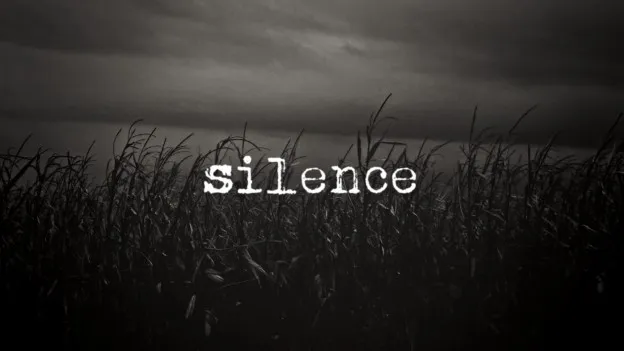
Silence has become the rarest sound in civilisation. In cities designed for velocity and screens designed for noise, stillness is treated as failure. Yet silence, when consciously designed, becomes the highest form of intelligence — the architecture of alignment between thought, body, and being. “Silence is not the absence of sound — it is the presence of understanding.”— Kelly Dowd, The Power of HANDS (2025)
Noise is the new oxygen. From the hum of data centres to the choreography of notifications, our civilisation vibrates in constant acceleration.
The average person now receives 121 digital notifications a day, according to Nielsen Global Attention Report 2025. The human nervous system, however, was designed for rhythm, not relentlessness.
In the 21st century, silence has become a design problem. It is not simply what we hear — it is what we cannot reach. As Kelly Dowd writes in The Power of HANDS, “In a culture that rewards performance, quiet becomes an act of rebellion.”
Neuroscience now validates what mystics intuited for centuries: silence reorganises the brain. Studies from Harvard Medical School and the University of Helsinki show that even two minutes of uninterrupted quiet activates the hippocampus — the region responsible for memory consolidation and emotional regulation.
The absence of noise is not emptiness; it is restoration. When the brain is silent, it is not idle. It is repairing. This is why meditation, slow breathing, or mindful pauses enhance creativity — they allow the neural architecture to reset its coherence map. Dowd captures it elegantly:
“Silence is the sound of the mind designing itself.”
In architecture, silence manifests through proportion, light, and material restraint. A quiet building — like Tadao Ando’s Church of the Light or John Pawson’s Nový Dvůr Monastery — does not impose emotion; it reveals it.
These spaces operate on what Dowd calls “the empathy of emptiness” — the idea that form can hold feeling without words. In an overstimulated society, minimalism is not an aesthetic; it is a survival strategy.
Designers, planners, and technologists are now rediscovering how to build for stillness: acoustically balanced walls, tactile materials, biophilic geometry, and air that moves like breath.
These are not luxuries — they are neurological necessities.

The greatest frontier for silence is not physical but digital. The noise of information has become internalised — every ping a fragment of our attention, every scroll an incision in our focus.
A Stanford HCI Lab study found that task-switching online reduces cognitive empathy by 40%. To reclaim the mind, we must treat silence as a user interface.
Dowd’s philosophy of Human-Centred Intelligence proposes that technology should not amplify attention, but stabilise it. Interfaces designed for depth — not dopamine — are the next frontier of humane innovation.
“Design is not about adding more; it is about knowing where to stop.” — Kelly Dowd, MBA, MA The Power of HANDS
True silence extends beyond the individual. Societies need pauses — civic rituals of reflection that temper the velocity of public life.
Ancient cultures understood this: Shabbat in Judaism, Jumu’ah in Islam, Sabbath rest in Christianity, and mindfulness practice in Buddhism all represent systemic design for stillness.
Modern governance, by contrast, has no built-in pause. The economy runs 24 hours a day. The algorithm never sleeps. Even grief has been industrialised into “bereavement leave.”
Dowd’s Four Ps Framework (People, Planet, Pragmatism, Profit) argues that sustainable systems require temporal ethics — cycles of pause built into policy.
He writes:
“Without collective silence, civilisation becomes a machine without memory.”

Noise is not neutral — it is moral. In overexposed societies, silence becomes a privilege reserved for those who can afford isolation. From open-plan offices to megacities, those with wealth buy quiet; those without are condemned to chaos.
As The World Health Organization reports, noise pollution now ranks as the second-largest environmental cause of health damage after air pollution. This inequality of silence reveals a deeper injustice: rest has become classed.
A sustainable civilisation must democratise stillness. Quiet should not be a luxury good; it should be public infrastructure. Across spiritual traditions, silence has always been the medium of revelation.
In the Quran, the Prophet retreats into a cave for revelation — isolation as initiation. In the Bible, Elijah hears God not in the wind or fire, but in “a still small voice.” In Zen, silence is the syllable that holds all others.
Dowd interprets these metaphors through design language:
“Silence is geometry. It arranges chaos into coherence.”
In this framing, meditation, prayer, and stillness become technologies of consciousness — natural interfaces between awareness and design.
The most profound question of our century is not “How fast can we build?” but “What does our building teach us about being human?”
From hospitals that heal through quiet corridors to cities designed with acoustic sanctuaries, we are witnessing a new ethic of space: Architecture as Empathy. Dowd calls this “designing for dignity” — crafting environments that listen before they speak.
In this design approach, he integrates sound mapping, biophilic textures, and neuroaesthetic lighting to balance human energy fields and spatial flow. It is architecture not as monument, but as mindfulness.
To live sustainably is to live rhythmically. Silence, like breath, restores ratio — the sacred proportion between doing and being.
When leaders, designers, and citizens embrace pause as practice, they restore moral velocity to innovation. As Dowd writes in The Power of HANDS,
“If empathy is the soul of intelligence, silence is its breath.” Without it, systems hyperventilate — producing more output but less meaning.
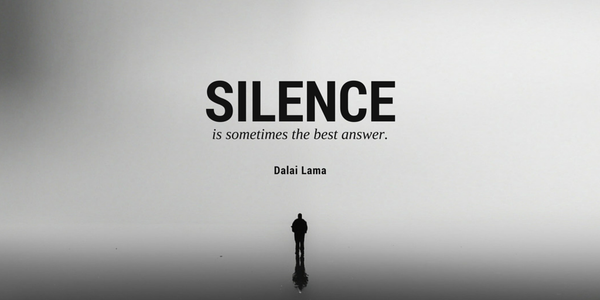
Because noise is the entropy of the modern mind.
Because in losing silence, we lose synthesis — the capacity to connect ideas, hearts, and histories.
Because the future will not belong to the loudest, but to the most lucid.
The architecture of silence is the next great frontier of civilisation.
It is how we will design coherence in an age of collapse — not by building more, but by remembering what space was always for: listening.
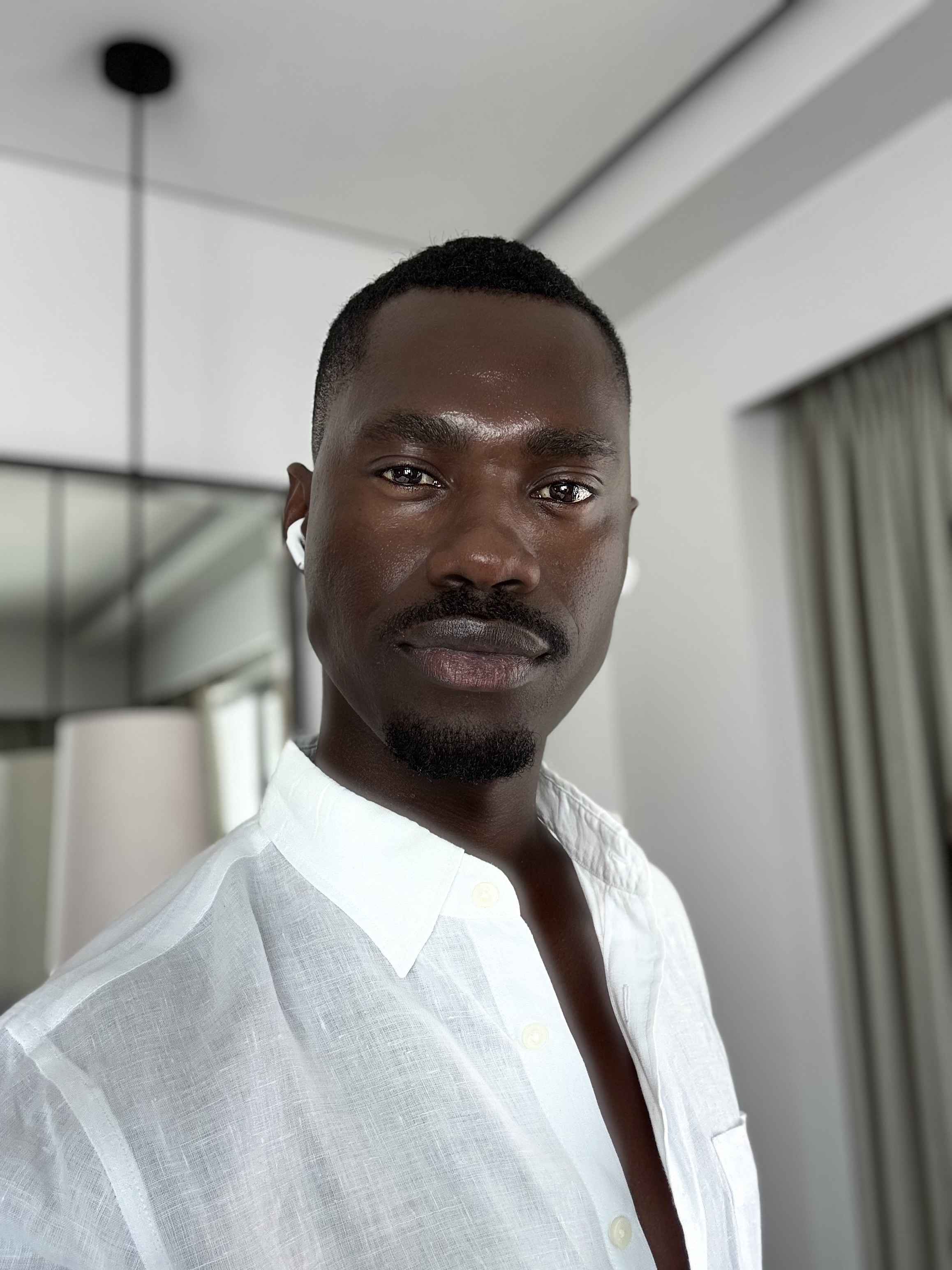
Kelly Dowd, MBA, MA — Bestselling author of The Power of HANDS: Designing a Sustainable Future Through Integrative Collaboration, Editor-in-Chief of Why These Matter Media. Dowd is a systems architect and philosopher whose work unites design intelligence, ethics, and spirituality to shape the next age of human-centred technology and integrative civilisation.
Why These Matter - WTM MEDIA is an independent editorial platform exploring the forces shaping our world—through people, culture, commerce, design, systems, and governance. Connecting the dots between today’s headlines and tomorrow’s realities.