
Apple just fused silicon, sensors, and software into a tighter ecosystem. Phones get thinner yet tougher, watches detect hidden health risks, and earbuds double as discreet fitness instruments.
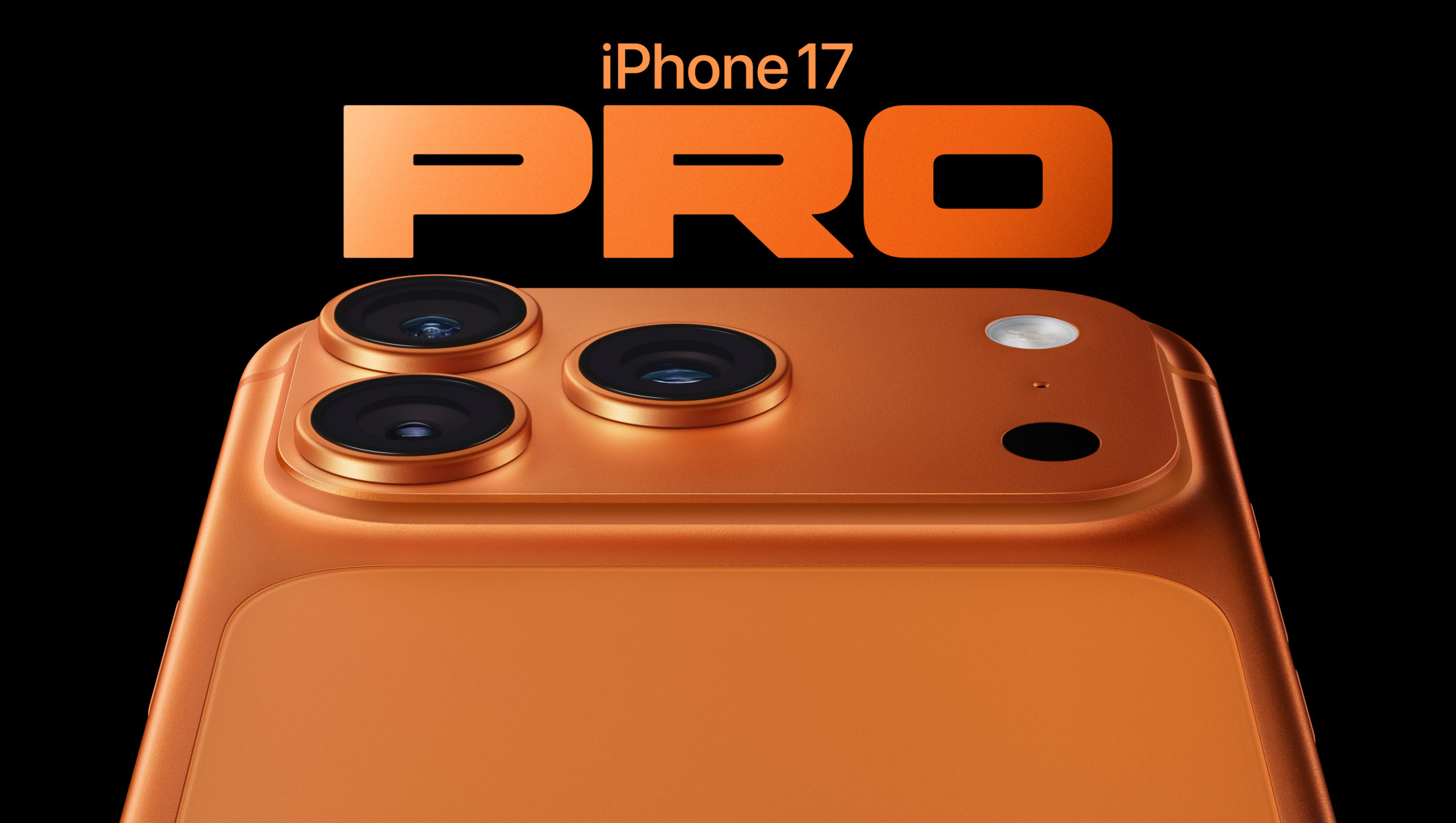
• iPhone 17 & Pro/Max: new vapor chamber, triple 48MP cameras, 8× optical-quality zoom, Center Stage front camera.
• iPhone Air: 5.6 mm titanium, ultrathin, powerful A19 Pro, ProMotion display.
• Apple Watch Series 11: hypertension notifications, sleep score, 24-hour battery. Ultra 3 adds satellite SOS & messaging, 72-hour endurance. SE 3 gets Always-On.
• AirPods Pro 3: re-engineered acoustics, 2× ANC, heart-rate sensing, longer battery life.
• OS refresh: iOS 26 & watchOS 26 introduce Liquid Glass visuals and on-device Apple Intelligence.
Apple just fused silicon, sensors, and software into a tighter ecosystem. Phones get thinner yet tougher, watches detect hidden health risks, and earbuds double as discreet fitness instruments.
This isn’t just about shiny new toys—it’s a deliberate shift toward wearable, body-aware intelligence.
Highlights:
• A19 / A19 Pro with vapor chamber cooling (no more sweaty throttling).
• Triple 48MP Fusion cameras; Pro model with 8× telephoto (200mm equivalent).
• New 18MP Center Stage selfie cam.
• 3000-nit display brightness, Ceramic Shield 2 front and back.
• Wi-Fi 7, Bluetooth 6, and eSIM expansion.
Who it’s for:
• Creators (ProRes RAW + genlock = broadcast-level phone).
• Gamers (thermal headroom + raw power).
• Upgraders from iPhone 14 or earlier (camera + battery leap).
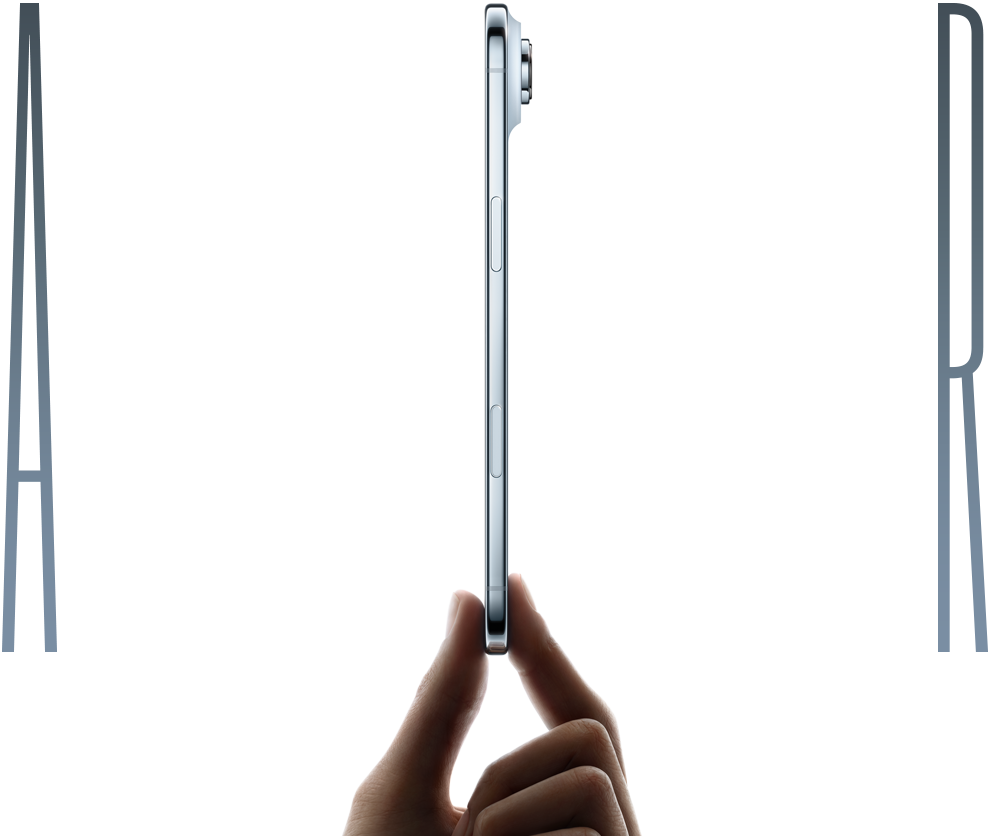
At 5.6 mm, the iPhone Air is the thinnest iPhone ever. Titanium body, 6.5” Super Retina XDR, ProMotion, Ceramic Shield front/back, A19 Pro under the hood.
Who it’s for:
• Design purists.
• Frequent travelers craving less bulk without losing performance.
Starting at $999.
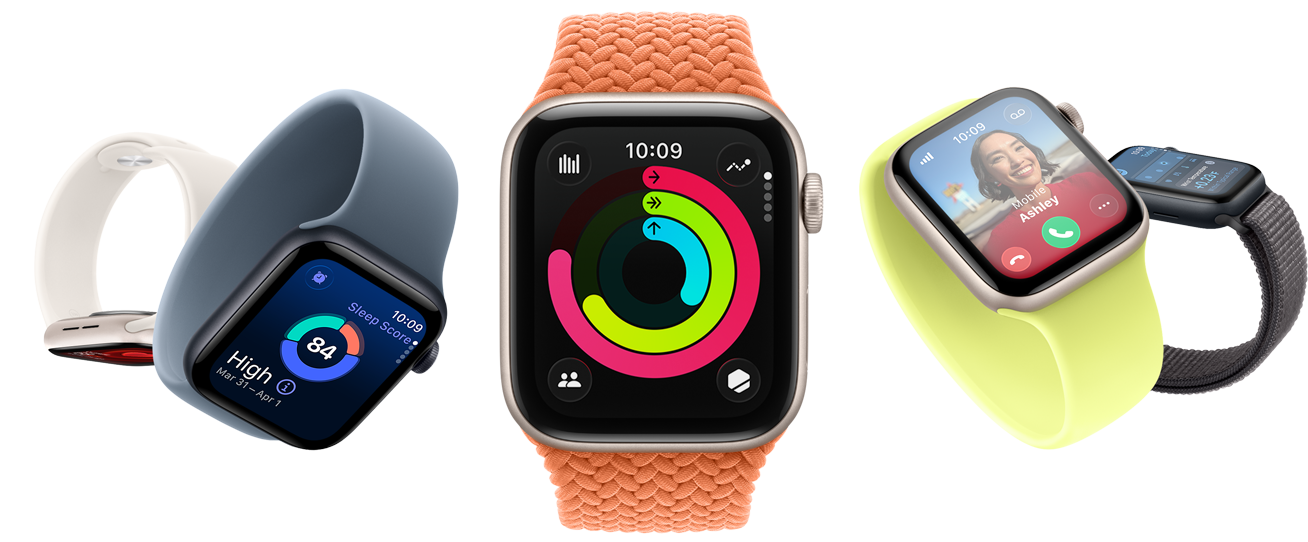
Series 11
• Hypertension alerts
• Sleep score tracking
• 5G support
• Up to 24 hours battery
• From $399
Ultra 3
• Two-way satellite SOS & messaging
• 42-hour standard / 72-hour Low Power
• From $799
SE 3
• Now with Always-On display
• Fast charging
• From $249
Strategic play: Watches are no longer just lifestyle jewelry—they’re preventive health tools and emergency beacons.
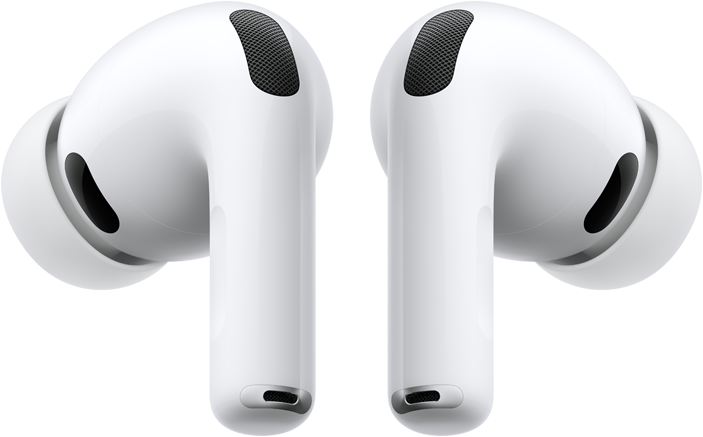
• Re-engineered acoustic system = richer sound.
• 2× stronger ANC (vs. gen-2).
• Heart-rate sensor via ear canal.
• 8 hours battery with ANC.
They’re less “just earbuds” and more bio-companions.
Apple’s new Liquid Glass UI introduces fluid visuals. Apple Intelligence expands with on-device AI—translation, visual intelligence, smarter workflows—all while guarding privacy.
• iPhone 17 & Air: pre-order Sept 12, in stores Sept 19.
• Watches (11, Ultra 3, SE 3): pre-order now, in stores Sept 19.
• AirPods Pro 3: announced Sept 9, shipping soon.
• Filmmakers / creators → iPhone 17 Pro/Max
• Minimalists / travelers → iPhone Air
• Adventurers → Apple Watch Ultra 3
• Health-first users → Series 11 or SE 3
• Fitness junkies → AirPods Pro 3
Apple’s 2025 lineup isn’t incremental—it’s integrative. A daily tech stack that listens, senses, and anticipates. Less gadgetry, more gear. Less hype, more human pragmatism.
Why These Matter - WTM MEDIA is an independent editorial platform exploring the forces shaping our world—through people, culture, commerce, design, systems, and governance. Connecting the dots between today’s headlines and tomorrow’s realities.