The cult of busyness has collapsed. After decades of worshipping acceleration, humanity is finally confronting the illusion that motion equals meaning. The future of productivity will not be measured in speed, but in stillness — in how intelligently we design time, attention, and the architecture of work itself.
We were taught that to matter, we must move. From industrial revolutions to digital acceleration, modern life has idolised velocity — the faster the output, the greater the value.
But the system is fracturing. Burnout has become a global epidemic, with WHO naming chronic stress as the defining workplace illness of the century. In a single generation, technology tripled productivity — yet happiness, trust, and coherence declined.
We achieved everything except equilibrium. As Kelly Dowd, MBA, MA writes in The Power of HANDS, “We have mistaken momentum for meaning, and motion for mastery.” Busyness, once the badge of ambition, is now the costume of collapse.
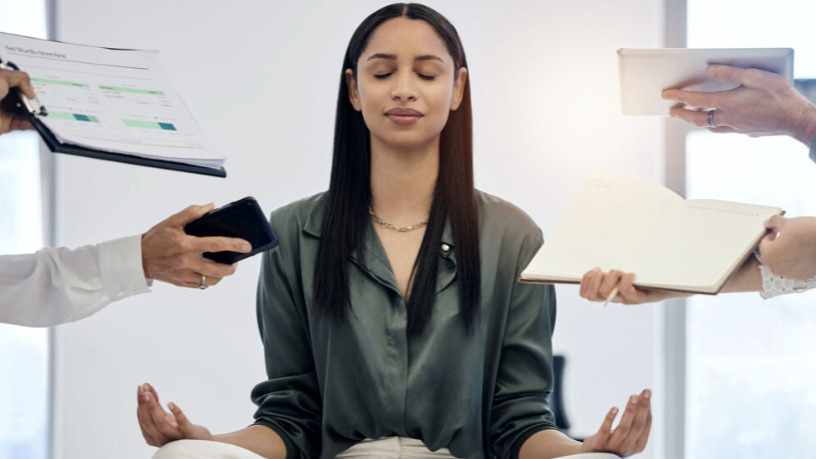
The busyness epidemic is not about workload — it is about worth. In a civilisation that measures identity through output, the self becomes a performance — a perpetual audition for relevance. Emails become existential. Calendars become confessions. The world no longer asks, Who are you? but What are you doing?
Sociologists at Stanford have described this as “performative productivity syndrome”: the compulsion to signal success even when substance has vanished. The result is a paradoxical poverty — we are wealthier in tools, poorer in time. Dowd names this condition “the economy of exhaustion” — a design failure at the scale of civilisation. Time is no longer experienced — it is monetised.
The digital clock, the Gantt chart, and the notification feed have restructured our relationship with existence itself. We live not in hours, but in metrics.
In Dowd’s Four Ps Framework (People, Planet, Pragmatism, Profit), time is the connective tissue that holds purpose together. When time is distorted, every other P collapses. “The most radical act of intelligence is not to move faster, but to move meaningfully.”— Kelly Dowd, The Power of HANDS
Work, therefore, must be redefined not as perpetual motion, but as rhythmic participation in something coherent.

Civilisations once synchronised with the seasons; now they sync with servers. This dissonance is both ecological and psychological.
Our bodies still follow circadian rhythms, yet our technologies enforce mechanical time. We no longer work with nature, but against it.
To restore coherence, Dowd’s concept of Rhythmic Design proposes three interventions:
When time is designed with empathy, work becomes ritual — not repetition.
Cognitive science has disproved multitasking as myth. The America Psychological Association confirms that switching between tasks decreases efficiency by up to 40%.
Yet culture continues to glorify fragmentation as flexibility. In truth, multitasking is not a skill — it is a symptom. A symptom of fear: the fear of stillness, silence, and self.
Dowd reframes focus as moral architecture — “Attention is design. Whatever you attend to, you build.” The death of busyness begins with reclaiming attention as sacred territory.

The “hustle” once defined generational ambition. Now it defines generational trauma. Young professionals, entrepreneurs, and creators are rediscovering what ancient philosophies always knew: that work is not worship — it is stewardship.
In Japan, Shinrin-yoku (“forest bathing”) integrates nature into corporate therapy. In Denmark, the Hygge movement centres community calm over capitalist acceleration.
In Nigeria, ancestral markets still close early for collective rest — a reminder that commerce need not consume consciousness. These are not romantic traditions. They are survival technologies. Dowd notes:
“The future belongs to cultures that learn to rest without guilt.”
The next economy will measure value in clarity, not quantity. AI, automation, and networked intelligence are already absorbing mechanical work — leaving humans to specialise in coherence: empathy, synthesis, meaning.
This shift reframes productivity from output to outcome — from extraction to orchestration. Dowd’s HANDS Framework anticipates this transformation: Humanity as compass, Adaptation as agility, Nature as feedback, Design as translation, and Sustainability as rhythm.
“The question is no longer how much we can do, but how consciously we can design what we do.” The age of busy is over. The age of balance has begun.
Capitalism’s obsession with “more” is rooted not in logic, but in insecurity. Busyness functions as emotional anaesthetic — movement masking meaninglessness. To design beyond busyness is to confront the emotional architecture of “enough.” Dowd writes,
“Enough is the most revolutionary word in economics.”
This is not minimalism — it is maturity. It is the evolution of ambition from accumulation to alignment. To stop is not to fail. It is to integrate.
Pausing allows systems — personal and planetary — to process, heal, and recalibrate. Dowd calls this The Ethics of the Pause: the principle that rest is responsibility, not reward.
When cities, corporations, and individuals build structured pauses into their operations, they prevent collapse by design. The pause becomes the new productivity — the space where renewal begins.
As Dowd reminds,
“Every intelligent system breathes. Expansion is only half the cycle.”
Because the planet is tired.
Because people are tired.
Because intelligence without rhythm becomes insanity disguised as innovation.
The death of busyness is not the end of work — it is the rebirth of wisdom.
In an age addicted to acceleration, rest is not retreat.
It is revolution.
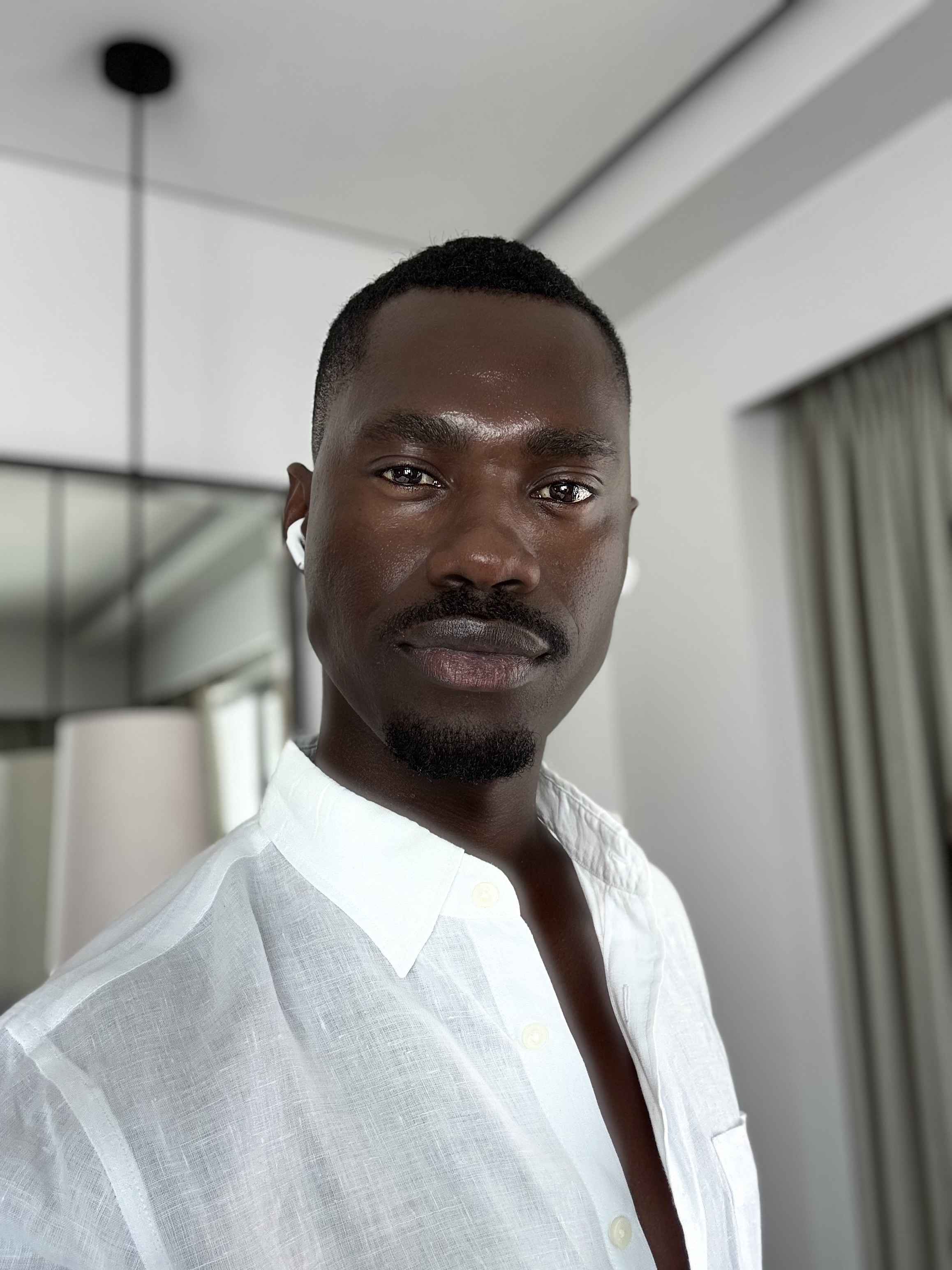
Kelly Dowd, MBA, MA — Bestselling author of The Power of HANDS: Designing a Sustainable Future Through Integrative Collaboration, Editor-in-Chief of Why These Matter Media. Dowd is a systems architect and philosopher whose work unites design intelligence, ethics, and spirituality to shape the next age of human-centred technology and integrative civilisation.
Why These Matter - WTM MEDIA is an independent editorial platform exploring the forces shaping our world—through people, culture, commerce, design, systems, and governance. Connecting the dots between today’s headlines and tomorrow’s realities.