The modern monarchy is not dying — it is rebranding. From Britain to the Middle East, royal families are no longer the relics of divine right but the architects of soft power, balancing scandal and strategy in equal measure. Behind every gilded portrait lies a quiet rebellion against irrelevance.
The monarchy has always been a design project — an illusion of permanence maintained through performance.
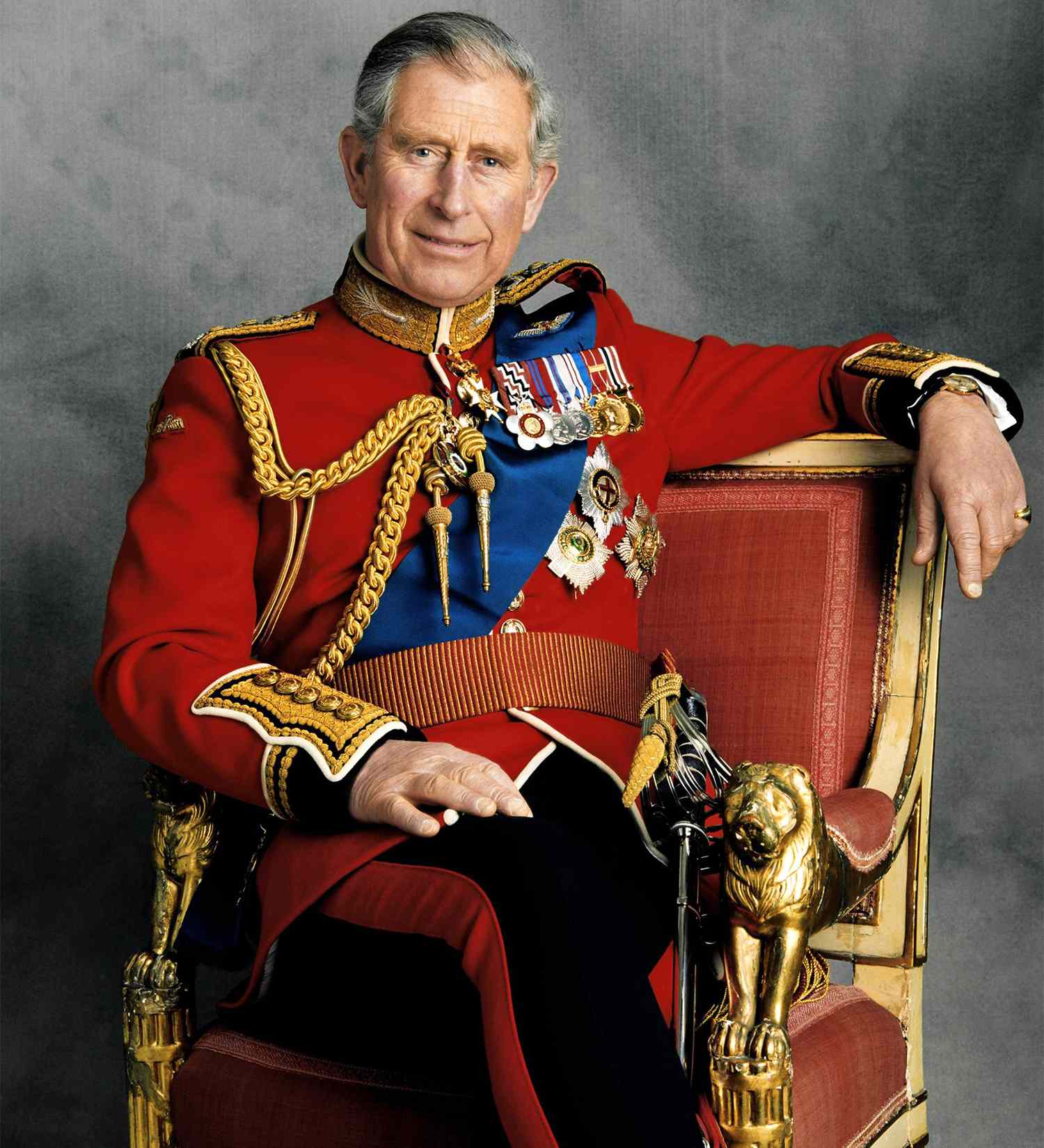
In Britain, King Charles III presides over a fragile ecosystem of nostalgia, diplomacy, and institutional fatigue.
His reign inherits the paradox of modern royalty: how to embody history while surviving it.
Across the Commonwealth, the question has turned existential. Jamaica, Canada, and Australia are openly debating republican transitions. Yet paradoxically, royal symbolism — weddings, funerals, scandals — continues to dominate global media. The reason? Power, like art, survives through adaptation.
The post-Elizabethan era marks a profound redesign of monarchy’s operating system. Once grounded in theology, it now runs on public relations.
Buckingham Palace functions less as a seat of government and more as a content engine — where image management, crisis choreography, and symbolic diplomacy replace divine ordination.
As The Financial Times observed, royal institutions now operate as hybrid brands, balancing heritage tourism with social influence economics.
In this reimagining, scandal becomes strategy — controversy as currency in the attention economy.
When Prince Harry and Meghan Markle severed ties with royal duties, their departure didn’t dissolve monarchy’s mystique; it expanded its market share.
In an age of algorithmic news, monarchy thrives not despite scandal but because of it.
The Netflix phenomenon of The Crown illustrated how dramatized dysfunction humanises institutions once deemed untouchable.
What would once have been treasonous gossip has become brand equity.
Even the monarchy’s critics, through relentless coverage, sustain its relevance.
As the Guardian’s analysis revealed, younger generations’ interest in the royals correlates not with admiration but fascination — a psychological engagement model driven by curiosity, not loyalty.
The crown has become less an emblem of virtue and more a theatre of contradiction.
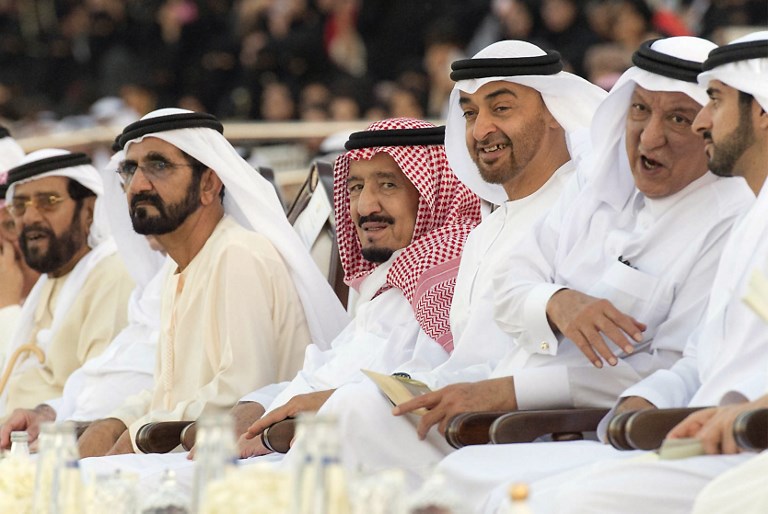
Beyond Britain, royal systems are mutating into new forms of governance-by-spectacle.
In the Middle East, monarchies such as Saudi Arabia and Qatar deploy royal prestige as geopolitical brand-building, converting heritage into hospitality.
Mega-projects like NEOM and The Line fuse monarchy with futurism — kingship as capitalism, heritage as UX design.
In Thailand, the monarchy’s legal sanctity coexists with youth protests demanding reform, revealing a generation’s rejection of inherited obedience.
And in Africa, traditional kingships persist as local moral authorities, now hybridised with democratic participation — cultural software still capable of evolving.
Royalty, it seems, adapts faster than republics.
The monarchy endures because it satisfies deep psychological needs — narrative, continuity, and ritual.
Humans crave archetypes, and monarchs embody the fantasy of coherence in a chaotic world.
They are living myths in an age of metadata.
Yet this desire comes at a cost.
By romanticising monarchy, societies outsource moral responsibility to symbolism.
As WTM’s HANDS Framework would note, monarchy sustains People through identity, Planet through heritage tourism, Pragmatism through soft power, and Profit through commerce — but it often neglects sustainability of integrity.
When image becomes institution, democracy becomes décor.
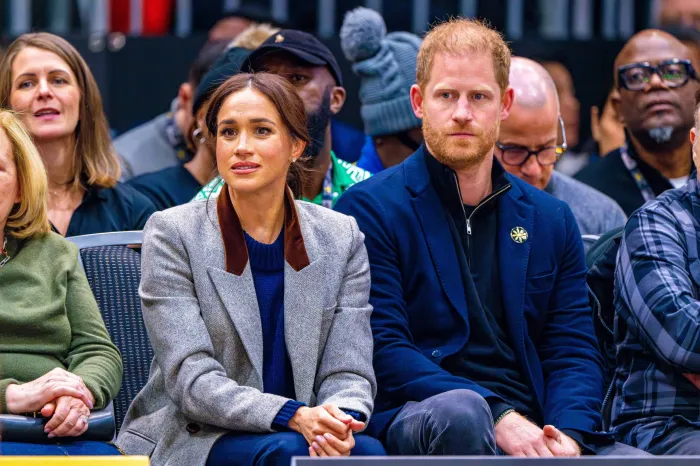
The most radical challenge to monarchy now comes from within its own bloodlines.
Younger royals, from Prince William to Princess Amalia of the Netherlands, navigate an impossible duality: human authenticity versus institutional expectation.
Every gesture is parsed, every silence politicised.
And yet, within those micro-gestures, rebellion flickers.
When Prince Harry spoke of “breaking cycles of pain,” he was not defaming his family — he was naming the architecture of control.
When Queen Rania of Jordan speaks about ethical leadership, she does not reject monarchy; she redesigns it for legitimacy in a moral age.
The new rebellion is not abdication — it is reinvention.
The monarchy’s survival is now algorithmic.
Royal institutions depend on digital ecosystems to curate perception and suppress dissent.
As The New York Times reported, palace teams monitor social sentiment as rigorously as diplomats once tracked espionage.
But algorithms reward polarisation, not balance.
Thus, monarchy finds itself trapped in its own mirror — sustained by attention but distorted by it.
In the economy of spectacle, even silence must be optimised for clicks.
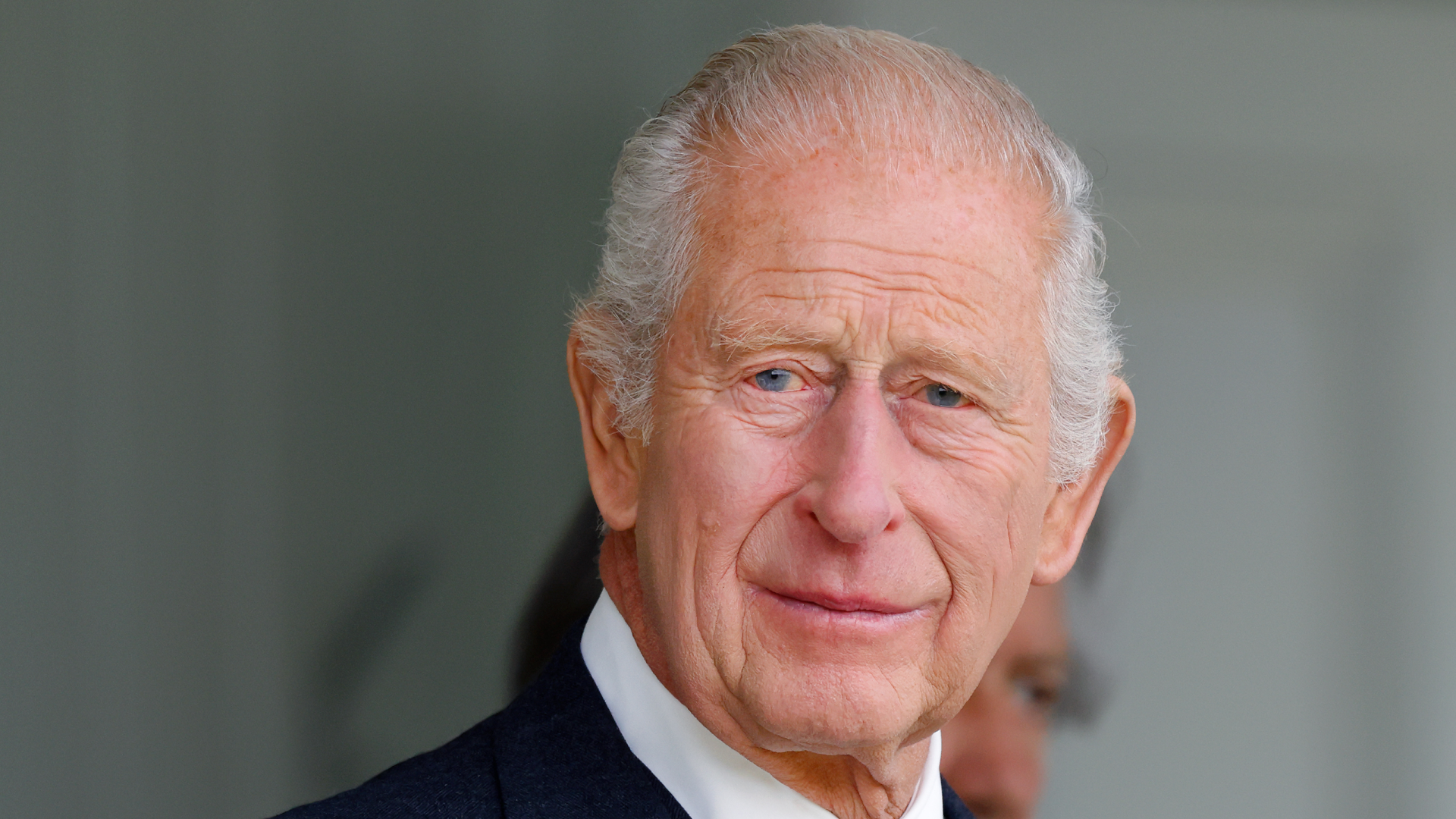
Because monarchy, for all its gilded heritage, remains a living lesson in power’s adaptability.
Because the future of governance — from politics to corporations — now operates by royal logic: charisma packaged as competence, spectacle mistaken for stability.
Because every society, even the most democratic, needs to ask itself: what crowns are we still serving?
If monarchy is to endure, it must evolve from theatre into transparency, from entitlement into ethics.
Otherwise, the rebellion of the royals will not be symbolic — it will be systemic.
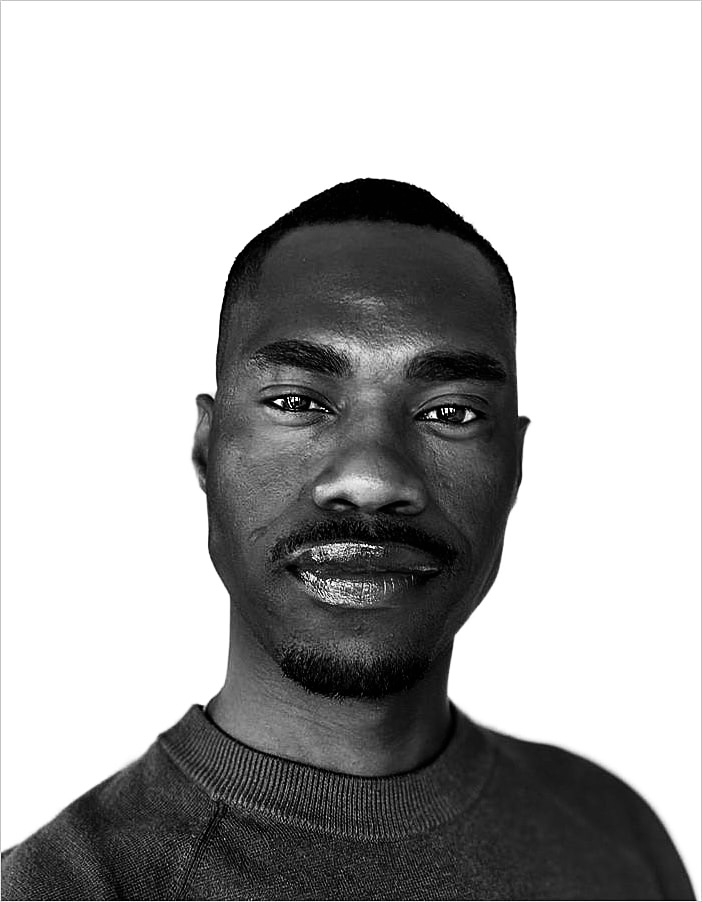
Kelly Dowd, MBA, MA, is a Systems Architect, Author of ‘The Power of HANDS’, and Editor-in-Chief of WTM MEDIA. Dowd examines the intersections of people, power, politics, and design—bringing clarity to the forces that shape democracy, influence culture, and determine the future of global society. Their work blends rigorous analysis with cultural insight, inviting readers to think critically about the world and its unfolding narratives.
Why These Matter - WTM MEDIA is an independent editorial platform exploring the forces shaping our world—through people, culture, commerce, design, systems, and governance. Connecting the dots between today’s headlines and tomorrow’s realities.