
The risk of World War III threatens not only geopolitics but the collapse of global markets. Survival, prosperity, and civilisation itself hang in the balance.
Markets are not neutral. They breathe politics. They mirror conflict. They amplify fear. Every rumour of escalation, every missile test, every failed negotiation echoes instantly on trading floors.
In 2025, the phrase World War III is no longer distant nightmare. It is whispered in summits, modelled in think-tanks, priced into markets. For investors, the question is not whether conflict will affect assets, but whether conflict will erase markets altogether.
The risk of World War III is not abstract. It is economic as much as military. The collapse of global markets is not scenario for fiction—it is plausible trajectory of escalation.
Markets reflect perception, not only fundamentals. During crises, perception becomes panic. Stocks plunge. Bonds wobble. Currencies collapse.
When whispers of global war circulate, markets do not wait for confirmation. They anticipate catastrophe. Hedge funds bet on volatility. Traders dump risk. Safe havens—gold, dollars, weapons manufacturers—surge.
Markets mirror fear, but fear is fragile foundation. When panic dominates, collapse accelerates.
History shows the economic cost of war. The First World War shattered the gold standard. The Second reshaped global finance through Bretton Woods. The Cold War drained trillions into arsenals.
Yet today’s economy is more fragile. Supply chains are global. Trade is intertwined. Finance is digital. A single disruption ripples instantly worldwide.
World War III would not resemble past conflicts. Its economic collapse would be swifter, deeper, more total.
Energy is economy’s lifeblood. War weaponises it. Russia’s invasion of Ukraine spiked oil and gas prices, triggering inflation worldwide. Imagine escalation across multiple theatres: the Strait of Hormuz blocked, the South China Sea closed, pipelines bombed.
Markets would not adjust—they would collapse. Energy scarcity cripples production, transport, agriculture. Inflation spirals. Poverty spreads.
Survival itself becomes priced at the pump.
War in the twenty-first century is digital. Cyberattacks target banks, payment systems, stock exchanges. A single virus can freeze trillions. A single breach can erase records.
Financial annihilation requires no bombs. It requires code. SWIFT disabled. Wall Street paralysed. Central banks hacked.
Markets collapse not gradually but instantly. World War III may begin with missiles—but it may cripple economies with malware.
Trade sustains prosperity. Chokepoints sustain trade. The Suez Canal, Strait of Hormuz, South China Sea—each is lifeline. In war, each is target.
Blockades, strikes, or sabotage would paralyse supply chains. Containers would idle. Ships would anchor. Food, medicine, and essentials would vanish.
Globalisation promised interdependence. War reveals dependence as vulnerability. The collapse of trade collapses markets.
Markets are abstractions, but collapse is human. Jobs vanish. Savings evaporate. Prices soar. Scarcity spreads.
World War III would not only kill in combat. It would kill through hunger, poverty, disease. Markets collapsing mean lives collapsing.
The human cost is not measured in Dow Jones points. It is measured in dignity lost, families displaced, futures destroyed.
Institutions meant to prevent collapse—U.N., IMF, World Bank, WTO—appear paralysed. Disunity corrodes. Distrust paralyzes. Rules fracture.
In war, these institutions may vanish altogether. Bailouts cannot stabilise annihilation. Loans cannot revive bombed economies. Treaties cannot function when trust evaporates.
Markets collapse faster when institutions fail.
Markets also reveal moral bankruptcy. Traders profit from volatility. Arms stocks surge in crises. Investors hedge against apocalypse as though it were inflation.
This commodification of catastrophe corrodes civilisation. When profit thrives on war, incentives align with escalation.
The moral crisis is stark: survival becomes arbitrage, peace becomes inconvenience. Markets collapse not only structurally but ethically.
The risk of World War III and the collapse of global markets matters because civilisation’s prosperity is built on fragile assumptions of peace. Remove peace, and prosperity disintegrates.
This still matters because markets cannot hedge against annihilation. They can hedge against inflation, against risk, against uncertainty—but not against extinction.
The question is not whether markets will collapse in World War III. They will. The question is whether leaders act to prevent war before collapse makes prevention irrelevant.
Markets hear the drums of war. The question is whether leaders hear them too—before silence replaces trading screens forever.
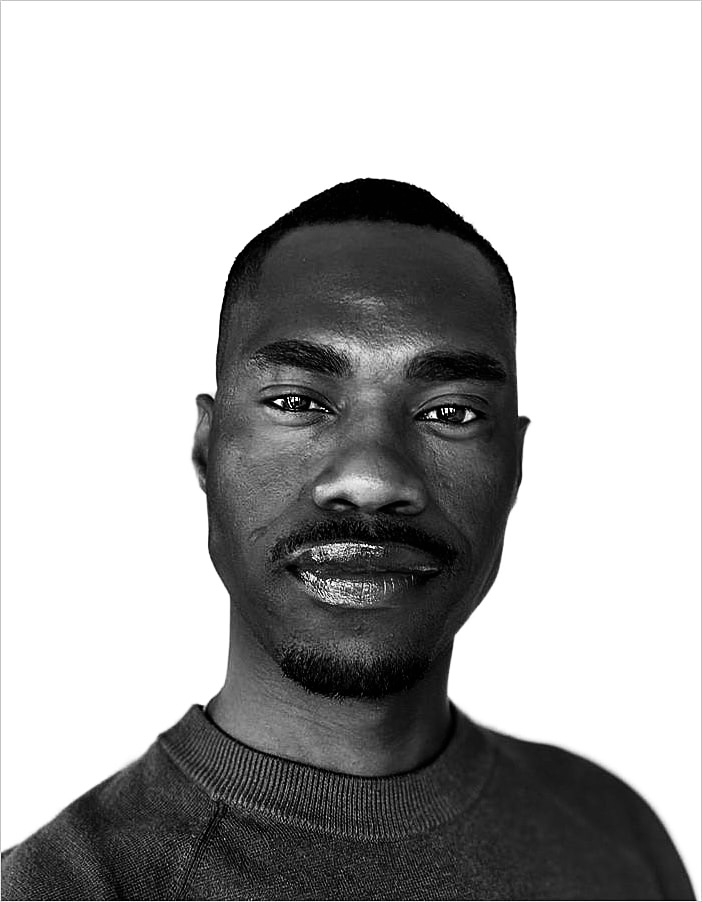
Kelly Dowd, MBA, MA, is an author, systems architect, and Editor-in-Chief of WTM MEDIA. Dowd examines the intersections of people, power, politics, and design—bringing clarity to the forces that shape democracy, influence culture, and determine the future of global society. Their work blends rigorous analysis with cultural insight, inviting readers to think critically about the world and its unfolding narratives.
Why These Matter - WTM MEDIA is an independent editorial platform exploring the forces shaping our world—through people, culture, commerce, design, systems, and governance. Connecting the dots between today’s headlines and tomorrow’s realities.