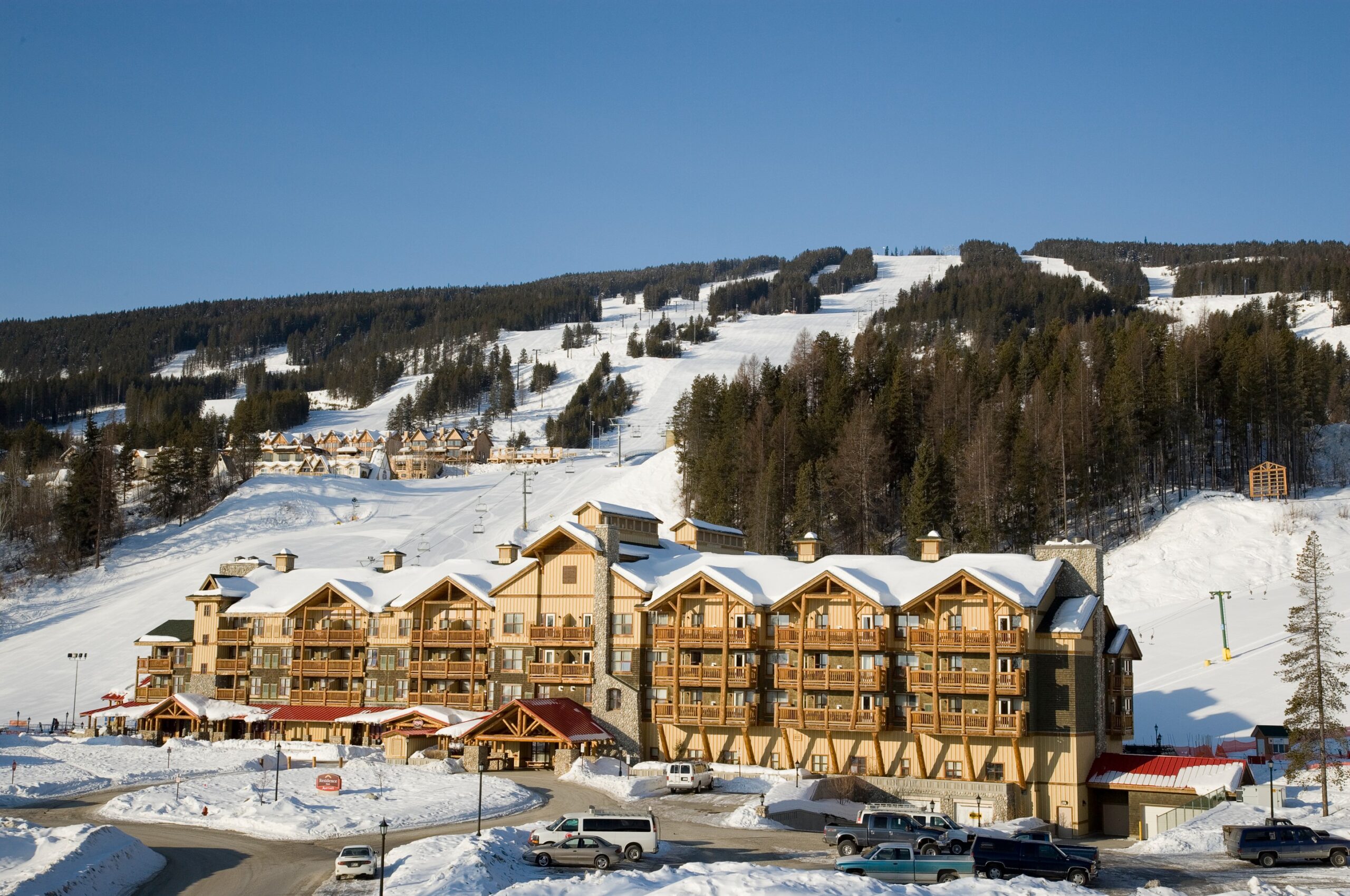
Kimberley, BC is one of the best ski resort in North America—an all-season destination for skiing, weddings, meditation retreats, and cultural experiences. Discover why this mountain town matters.
On September 14th, I walked, hiked, and climbed 2.41 miles on Kimberley’s slopes — over 2,000 feet of elevation gain, 4 hours and 26 minutes of movement, a pace slow enough to feel the earth breathe. My trail tracker shows a winding pattern: up the Ski Hill Climb, looping switchbacks, moments of pause.

“Nature whispers design lessons if you walk slowly enough to listen.”
1. The natural beauty is unparalleled — trees breathing mist, the ground echoing history, the air filling body, mind, and spirit.
2. The design problem is clear — trails without signage, routes without flow, opportunities ignored.
Kimberley, British Columbia isn’t just a ski resort. It is a living masterpiece—where the Rockies open like a cathedral, where forests breathe silence into your lungs, and where slopes aren’t just for skiers but for dreamers, lovers, and creators.
While Whistler sells scale and Aspen sells status, Kimberley offers something rare: soul, space, and possibility.
“This is not just the best ski resort in North America—it may well be the best in the world.”

From the summit of Northstar Mountain, the horizon stretches in unbroken blue. Eagles ride the thermals, ridges roll into valleys, and every trail feels like a dialogue with nature.
Kimberley isn’t crowded chaos. It’s quiet magnificence—a place where skiing feels less like a product and more like a relationship with the mountain.

Kimberley welcomes all:
• Families who need wide, forgiving groomers.
• Adventurers chasing steep runs like Moe’s and Dreadnaught.
• Seekers of silence, who disappear into the glades.
This balance—between adrenaline and serenity—is Kimberley’s genius. It’s a mountain that adapts to you, not the other way around.
Kimberley transcends the winter calendar. It’s a year-round sanctuary:
• Summer: alpine hiking, biking, wildflower photography.
• Fall: golden larch forests, wine tastings, artist retreats.
• Spring: book signings, cultural festivals, community gatherings.
• All Year: weddings atop ridgelines, corporate retreats in timber lodges, and meditation retreats immersed in nature’s silence.
At the Kootenay Haus, a yoga class at sunrise feels as natural as a ski race at sunset. This duality—action and stillness—is Kimberley’s untapped superpower.

Resorts of the Canadian Rockies (RCR) manages Kimberley. Yet too often, investment and vision drift elsewhere.
The irony? Kimberley has everything it needs to be legendary:
• Infrastructure: lifts, lodges, trails, cabins.
• Beauty: alpine ridges and panoramic views.
• Community: vibrant, creative, entrepreneurial.
What’s missing? Bold storytelling, sharper positioning, and a global invitation. Kimberley isn’t just a local mountain; it is a world-class stage waiting to be sponsored, elevated, and celebrated.
“RCR must wake up—Kimberley is a crown jewel waiting to shine.”
When fully embraced, Kimberley is more than a resort—it is an economic and cultural engine:
• A wedding destination rivaling Banff and Lake Como.
• A ski resort with Aspen-level prestige but Kimberley-level authenticity.
• A wellness hub for meditation, yoga, and nature therapy retreats.
• A cultural beacon hosting author signings, design summits, and art residencies.
• A sustainability leader, perfectly positioned for eco-conscious tourism.
“Every ridge and cabin whispers the same truth: This could be more.”

Kimberley is not just about skiing. It is about belonging, renewal, and possibility. It is about building a global destination where people come not just to ski, but to connect, create, and transform.
This is why Kimberley matters. This is why it is already the best ski resort in North America—and why, with vision and sponsorship, it could be the best in the world.
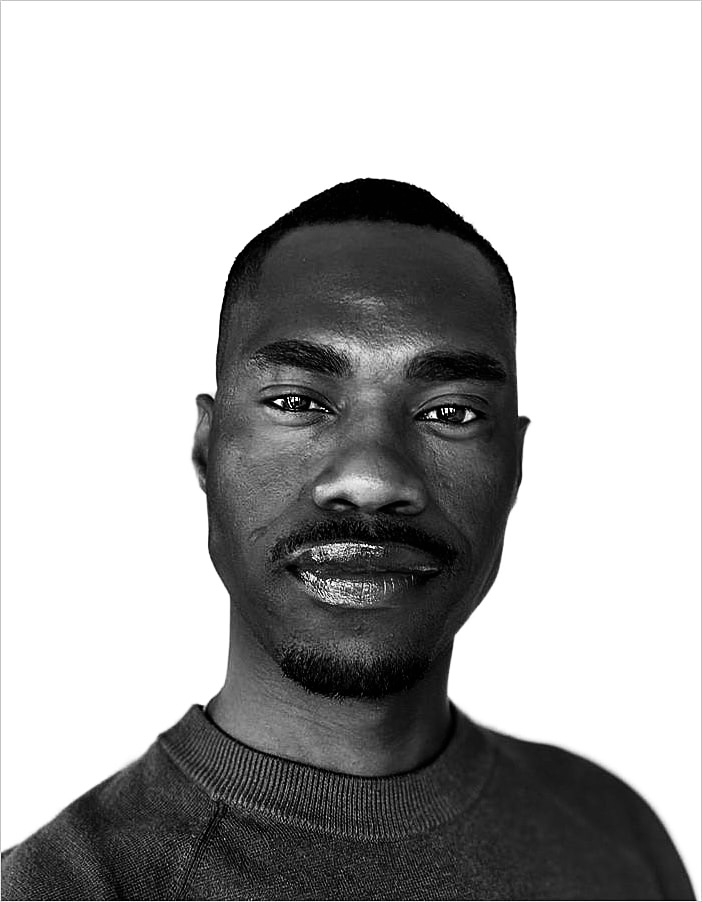
Kelly Dowd, MBA, MA, is an author, systems architect, and Editor-in-Chief of WTM MEDIA. Dowd examines the intersections of people, power, politics, and design—bringing clarity to the forces that shape democracy, influence culture, and determine the future of global society. Their work blends rigorous analysis with cultural insight, inviting readers to think critically about the world and its unfolding narratives.
Why These Matter - WTM MEDIA is an independent editorial platform exploring the forces shaping our world—through people, culture, commerce, design, systems, and governance. Connecting the dots between today’s headlines and tomorrow’s realities.