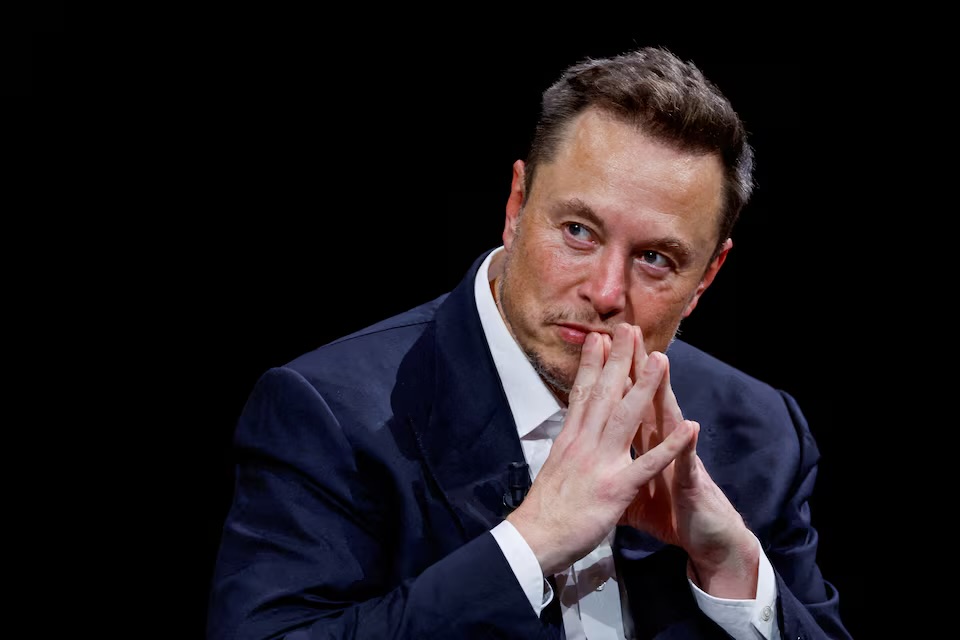
Elon Musk’s $56 billion pay package, restored by Tesla shareholders after court challenges, made global headlines. But beneath the spectacle lies a deeper design flaw: the hero economy. In worshipping visionaries, capitalism has built cathedrals without conscience.
In 2025, Tesla shareholders voted to reapprove Elon Musk’s record-breaking compensation plan—once invalidated by a Delaware judge—valued at more than $56 billion. The decision was heralded by fans as proof of Musk’s indispensability and by critics as proof of capitalism’s moral collapse.
It is the latest episode in a broader phenomenon: the mythic CEO, a modern blend of prophet, engineer, and celebrity. In this narrative, innovation ceases to be collective progress and becomes personal prophecy.
The danger is not in Musk’s ambition—it is in society’s addiction to singularity.
For two decades, Tesla has symbolised the convergence of technology and transcendence: electric cars as salvation, rockets as resurrection, AI as intelligence incarnate. Yet the company’s internal crises—labour lawsuits, data privacy violations, and autonomous-driving fatalities—suggest a widening gap between narrative and reality.
According to CNN, Tesla faces multiple discrimination claims from Black employees alleging “systemic hostility.” Meanwhile, NHTSA investigations into Autopilot malfunctions have intensified.
Still, the cult endures. Investors cheer, consumers queue, and the market rewards story over substance.
This is not capitalism—it is choreography.
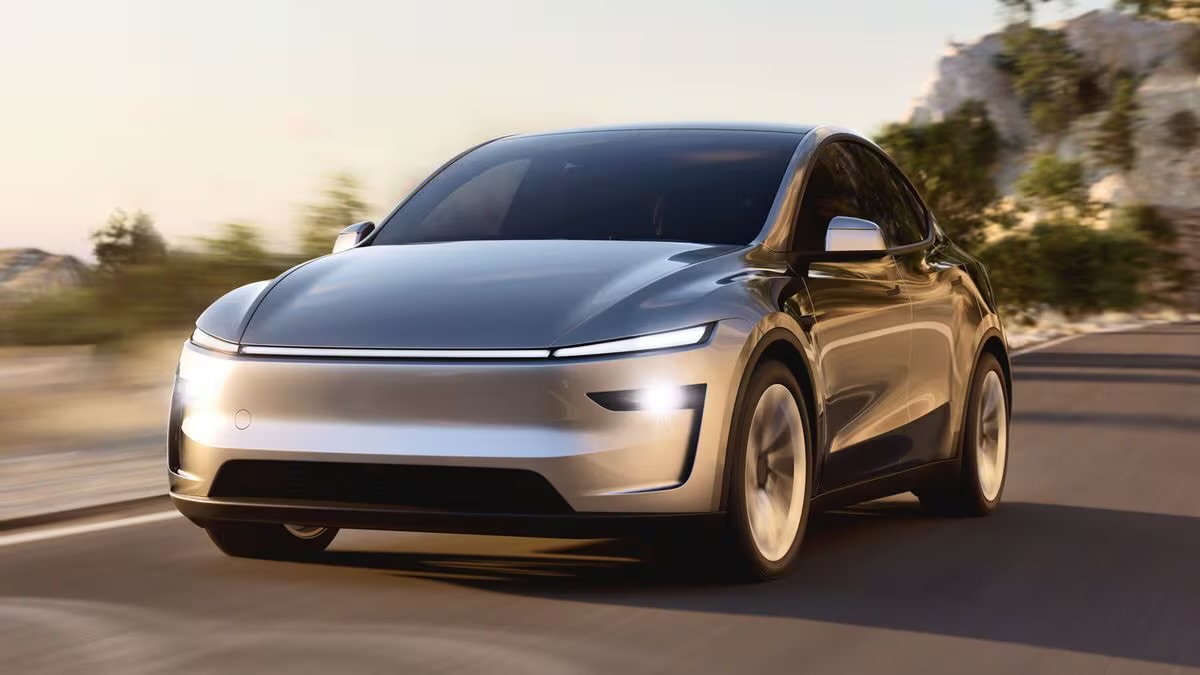
Tesla’s valuation—hovering near $900 billion in early 2025—rests not on manufacturing output but on narrative capital: belief monetised.
As Bloomberg notes, Musk’s compensation package is larger than the GDP of 130 countries.
This is a design problem disguised as success.
By linking compensation to stock performance alone, corporations codify speculation as morality.
The message to future innovators is clear: genius absolves governance.
But innovation without ethics is regression with good lighting.
While Musk collects billions, Tesla factory workers continue to contest unsafe conditions and wage disparities. A 2025 report by Business Insider found that some employees earn less than $25 per hour—well below industry averages.
This imbalance exposes capitalism’s cruel irony: the very workers who materialise innovation remain invisible in its mythology. They build the dream but own none of its dividends.
This is not a critique of Musk alone—it is a mirror held up to a civilisation that rewards spectacle over stewardship.
Tesla’s role in the AI arms race further complicates its legacy. Its new self-driving system, trained on real-time driver data, raises unprecedented ethical and legal questions. As MIT Technology Review observed, the company’s opacity in algorithmic accountability mirrors broader industry trends: AI as proprietary mystery rather than public good.
By treating code as gospel, tech firms transform transparency into trade secret.
The result: machines inherit the moral ambiguities of their makers.
Capitalism’s obsession with exponential growth mirrors human insecurity.
The trillionaire class exists because “enough” has no algorithm.
Musk’s empire—spanning Tesla, SpaceX, Neuralink, and X (formerly Twitter)—embodies the psychological paradox of accumulation: endless conquest masked as contribution.
Philosophers from Aristotle to Arendt warned of this loop. In The Human Condition, Arendt cautioned that labour, when divorced from purpose, breeds perpetual motion without meaning. Tesla, in many ways, has become that perpetual motion machine—a monument to progress that forgot its destination.
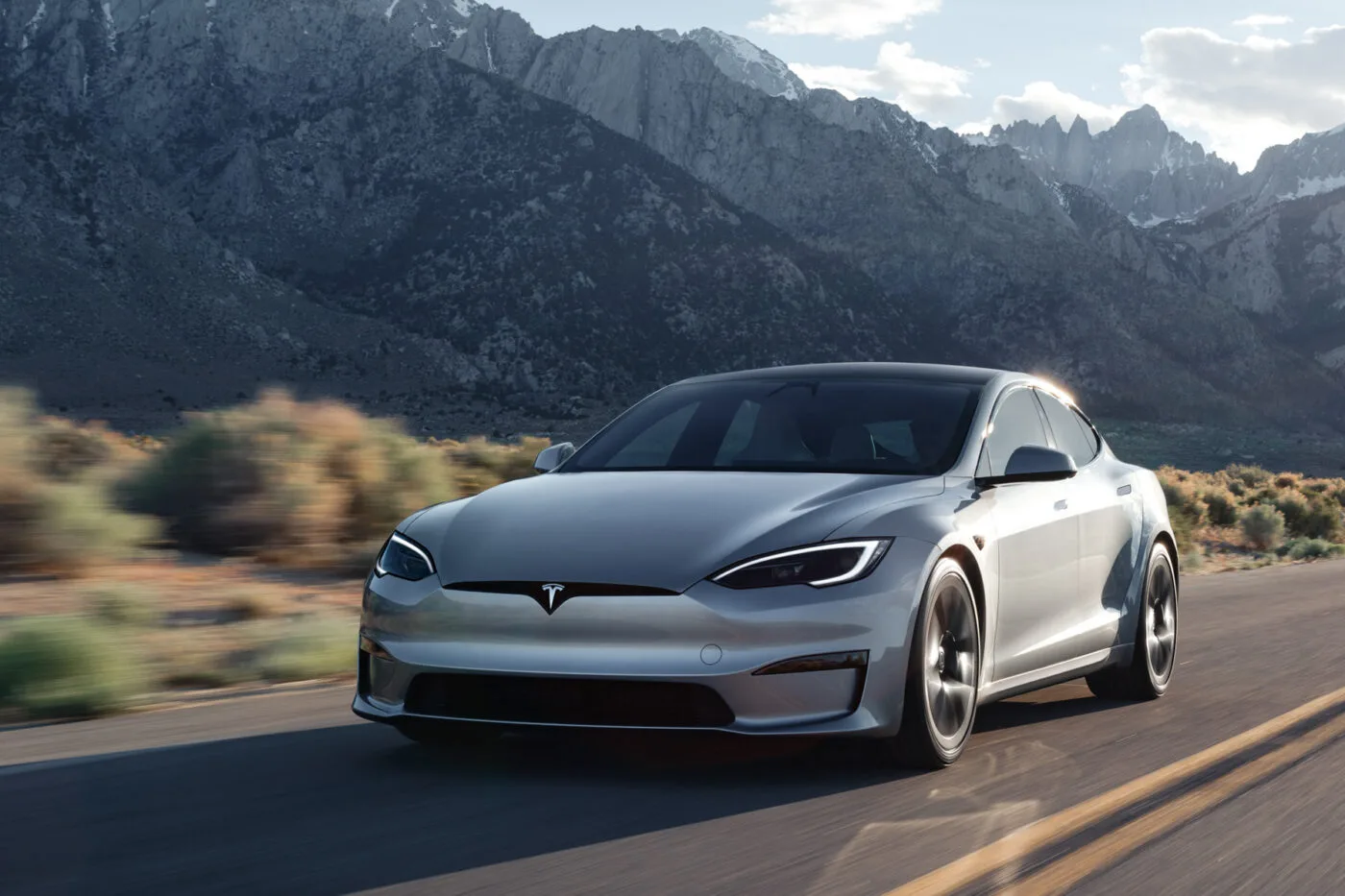
The Tesla case should not inspire condemnation of ambition but calibration of reward.
Imagine an economic model where executive compensation is tied not only to profit but to planetary health, worker wellbeing, and ethical AI metrics.
This is not utopian. B Corporation frameworks already measure social impact; ESG indices already track sustainability.
It is time for a Return on Integrity standard—a measure where value equals coherence between purpose and practice.
The cult of visionaries must evolve into a culture of accountability.
— Because innovation without ethics is extraction.
— Because progress without proportion becomes pathology.
— Because the future deserves engineers, not idols.
Tesla’s trillion-dollar myth should be remembered not as a triumph, but as a test—of capitalism’s capacity for conscience.
Kelly Dowd — A systems thinker and technology ethicist writing for Why These Matter Media. Kelly analyses the intersection of innovation, finance, and moral design, exploring how technological ambition must evolve toward integrity-driven capitalism.
Why These Matter - WTM MEDIA is an independent editorial platform exploring the forces shaping our world—through people, culture, commerce, design, systems, and governance. Connecting the dots between today’s headlines and tomorrow’s realities.