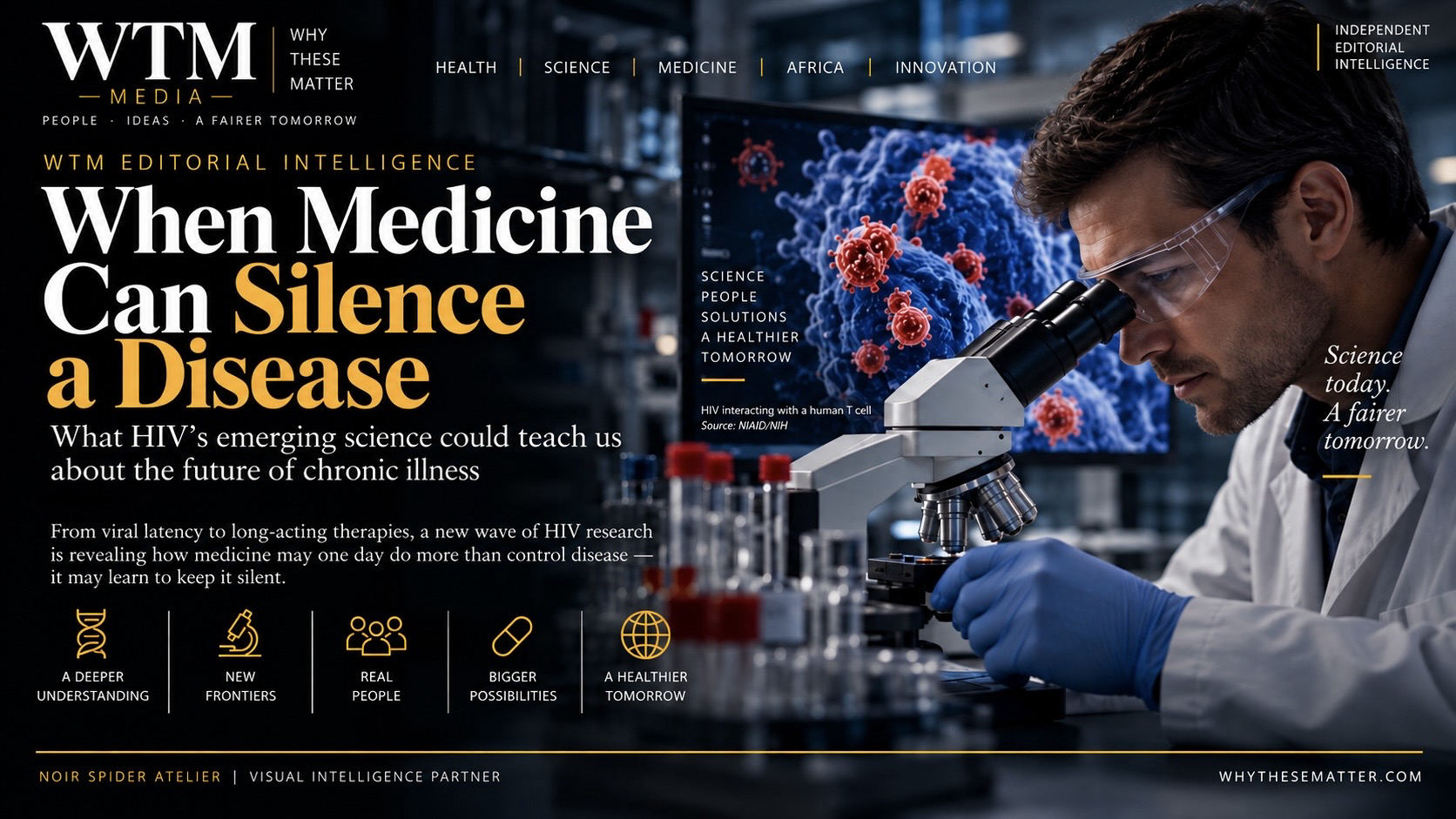
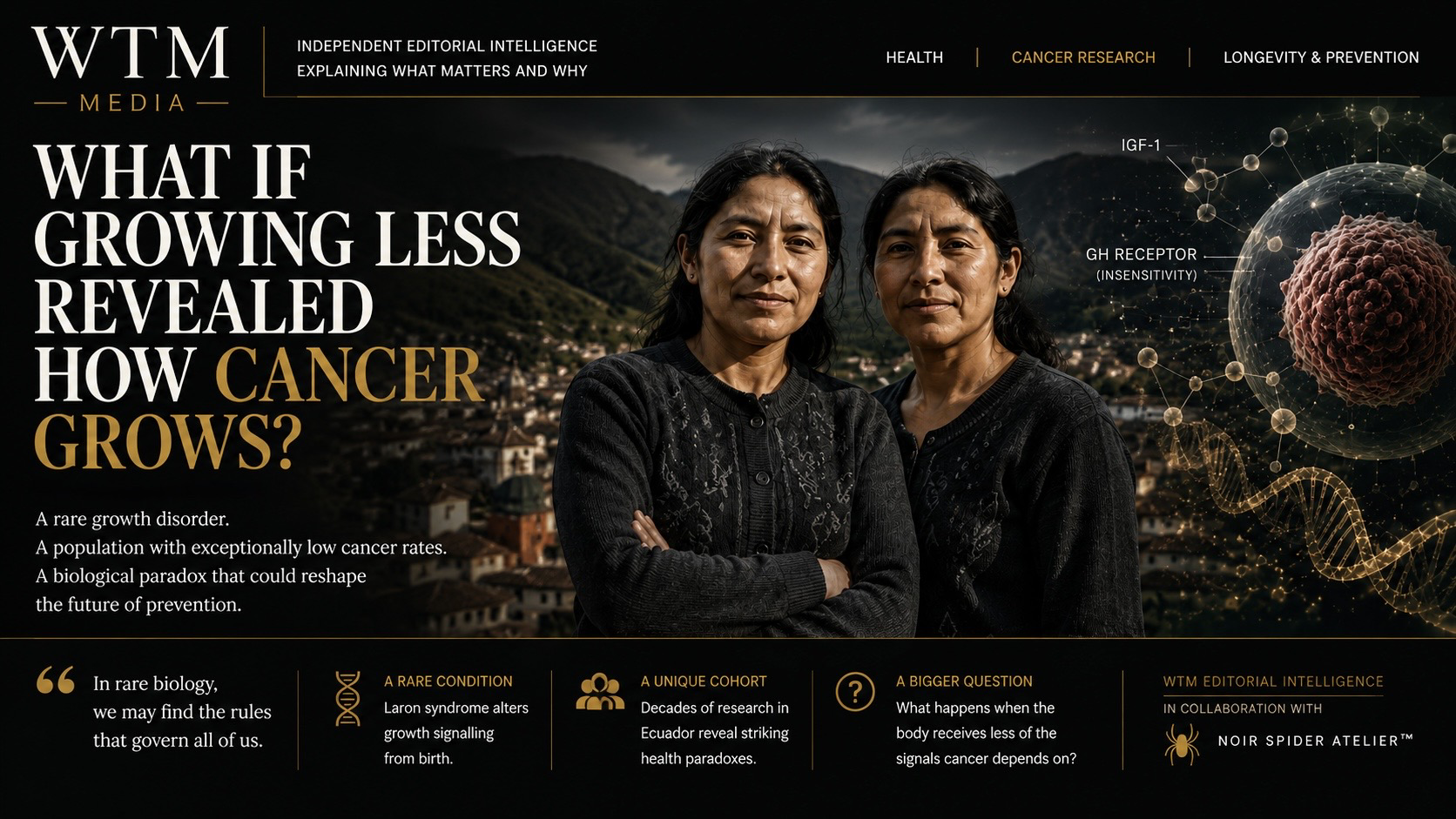
Two sisters living with an exceptionally rare growth disorder have become part of a much larger scientific question: what if one of the most useful ways to understand cancer is to study human bodies in which some of the biological conditions cancer exploits have been altered from birth? The condition is Laron syndrome, a form of growth-hormone insensitivity caused by dysfunction of the growth-hormone receptor. The resulting biology includes extremely low levels of insulin-like growth factor 1, or IGF-1, an important regulator of growth, metabolism, and cellular activity. Researchers studying people with Laron syndrome, particularly a distinctive cohort in Ecuador, have repeatedly reported unusually low incidences of cancer and diabetes compared with relatives and wider populations. The finding has attracted scientific attention for decades. But “The Cancer Twins” must resist the temptation that makes the story irresistible online. Laron syndrome does not establish human immunity from cancer. Cancer has occurred within the Ecuadorian population, and the evidence concerns substantially diminished incidence, not biological invulnerability. A 2023 review of the Ecuadorian cohort explicitly documented cancer cases while maintaining the larger finding of unusually low cancer incidence. The more consequential proposition lies underneath the headline. Cancer requires more than mutations. Malignant cells must obtain signals, energy, metabolic support, opportunities to proliferate, and mechanisms for avoiding destruction. By studying people whose growth-signalling architecture differs markedly from the norm, researchers may gain an unusual natural experiment into the conditions that make malignant growth easier — or harder. The twins, then, are not scientific curiosities. Nor are they miracle patients. They represent something more intellectually valuable: a human biological exception capable of revealing the rules governing the rest of us.
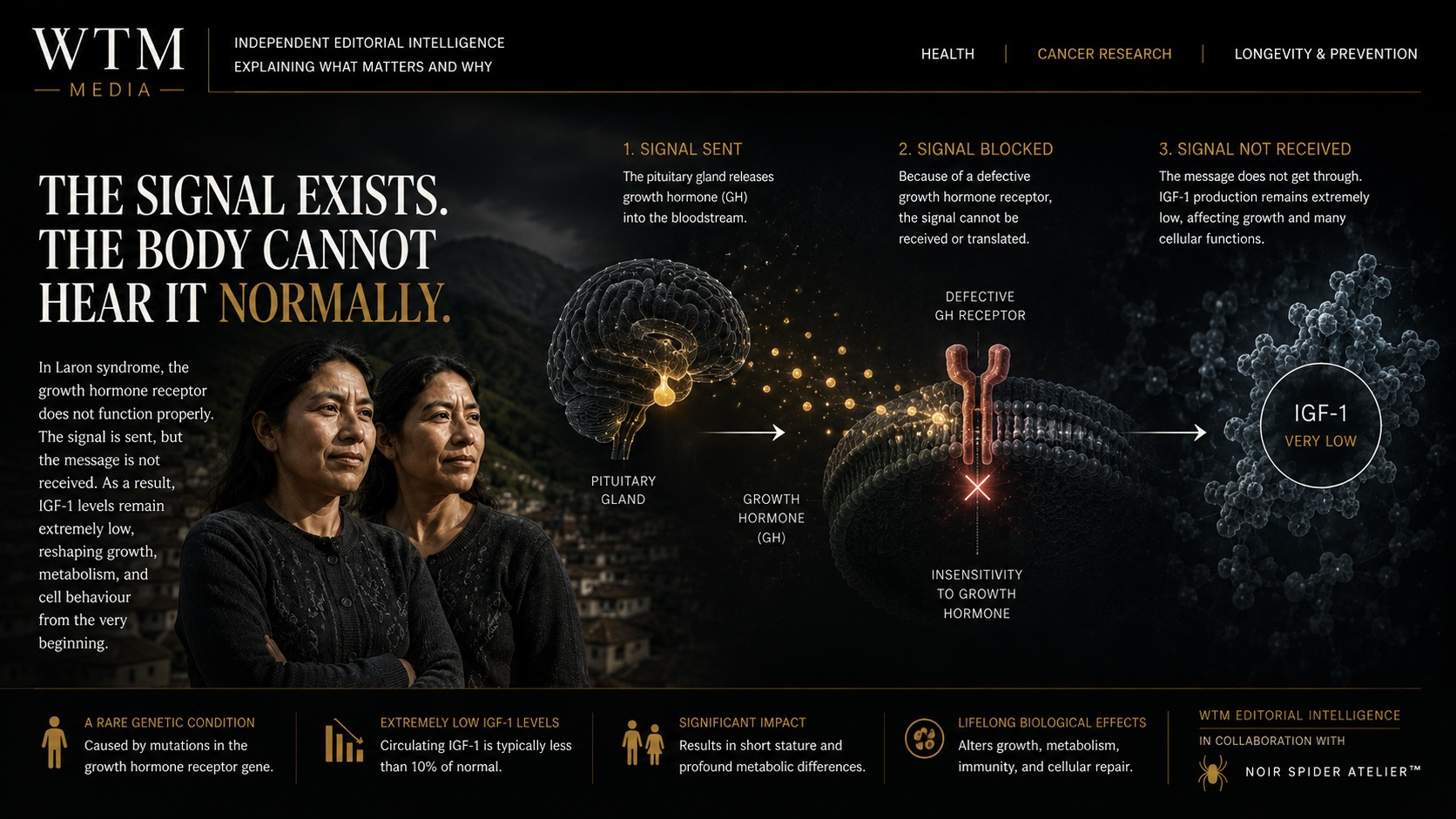
Growth hormone sounds straightforward because its name describes its most visible function. The underlying system is considerably more intricate. Growth hormone is released by the pituitary gland and interacts with receptors throughout the body, stimulating processes that include production of IGF-1. Together, growth hormone and IGF-1 participate in growth, metabolism, cellular proliferation, tissue maintenance, and other physiological processes. Laron syndrome disrupts this architecture because the growth-hormone receptor does not function normally.
The distinction matters. People with Laron syndrome are not necessarily unable to produce growth hormone; their bodies are substantially insensitive to it. The signal exists, but the receptor responsible for translating that signal is defective. Consequently, circulating IGF-1 becomes extremely low. The most immediately visible outcome is severe short stature, but the metabolic consequences extend much further than height.
This is where the condition becomes scientifically extraordinary. For decades, researchers led by endocrinologist Jaime Guevara-Aguirre have studied a large, relatively genetically homogeneous population with Laron syndrome in southern Ecuador. Historical isolation and inheritance patterns helped concentrate the growth-hormone receptor mutation in communities in the provinces of Loja and El Oro, creating an unusually valuable population for longitudinal investigation. Research on this cohort dates to the late 1980s.
The observations eventually produced a paradox. Many members of the Ecuadorian cohort have elevated body fat, something ordinarily associated with metabolic disease. Yet studies found markedly increased insulin sensitivity and a strikingly low incidence of diabetes. Research has also consistently reported diminished cancer incidence compared with unaffected relatives. The expected relationship between adiposity, metabolic dysfunction, and disease appeared altered.
That paradox is precisely what makes rare conditions so scientifically useful. Medicine normally studies disease by asking what has gone wrong. Genetic exceptions allow researchers to reverse the question: what is different in the people in whom something expected does not happen? The absence, reduction, or delay of disease can become data.
Laron syndrome therefore provides more than an explanation for unusual growth. It offers a window into a biological system that every human carries. The affected population is rare; the growth-hormone–IGF-1 pathway is not. That distinction transforms the research from the study of an uncommon disorder into an investigation of a fundamental human mechanism.
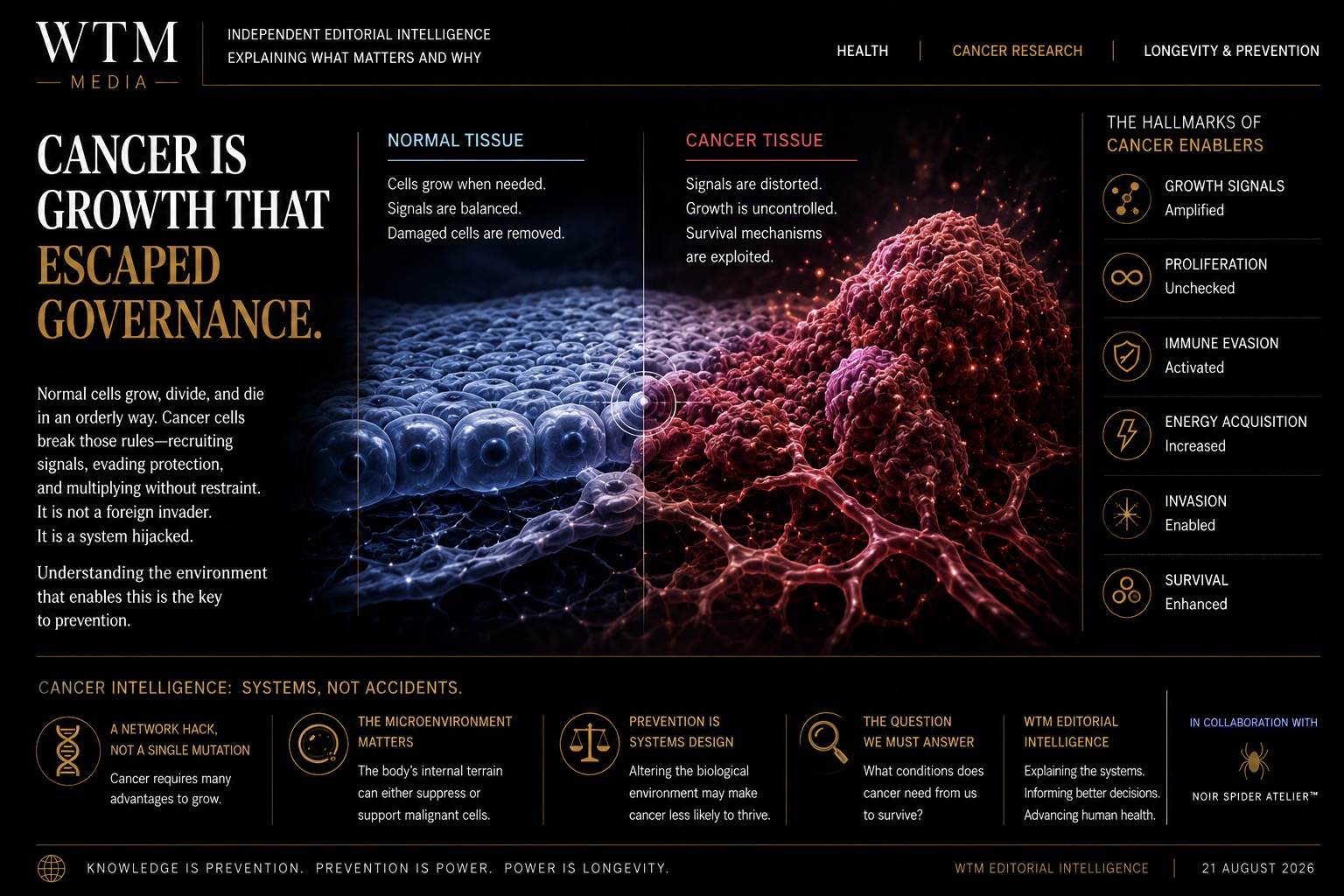
Cancer is often discussed as though it were primarily a foreign invader. Biologically, the reality is more unsettling. Cancer emerges from our own cells. Normal mechanisms governing proliferation, repair, survival, and death become progressively corrupted. The malignant cell does not invent growth; it appropriates biological machinery that already exists.
That makes growth signalling central to the investigation. The growth-hormone–IGF-1 axis has long been implicated in cancer biology, and enhanced activation of components within that system has been associated with malignant transformation and progression. Research into Laron syndrome is particularly valuable because it allows scientists to examine what happens at the opposite extreme: lifelong congenital suppression of IGF-1 signalling.
Laboratory investigations have identified potentially important differences. Studies comparing cells derived from people with Laron syndrome against controls have found altered expression across genes and pathways involved in the cell cycle, metabolism, cytokine interactions, JAK-STAT signalling, PI3K-AKT signalling, apoptosis, and autophagy. These findings do not reveal a single “anti-cancer gene”. They point instead towards a network of altered biological conditions.
That systems interpretation matters. Cancer is rarely reducible to one switch. A malignant cell must acquire mutations, survive cellular safeguards, obtain nutrients, reproduce, manipulate its environment, and evade destruction. Changing the hormonal and metabolic landscape surrounding those processes may alter the probability that damaged cells successfully become tumours.
Researchers studying the Ecuadorian cohort have also reported intriguing laboratory effects involving serum from people with Laron syndrome. Under experimental oxidative stress, cells exposed to serum from the cohort showed less DNA damage and increased apoptosis — the programmed cellular death mechanism that can help eliminate compromised cells. These experiments do not prove a cancer-prevention treatment, but they help illuminate plausible mechanisms behind the epidemiological observations.
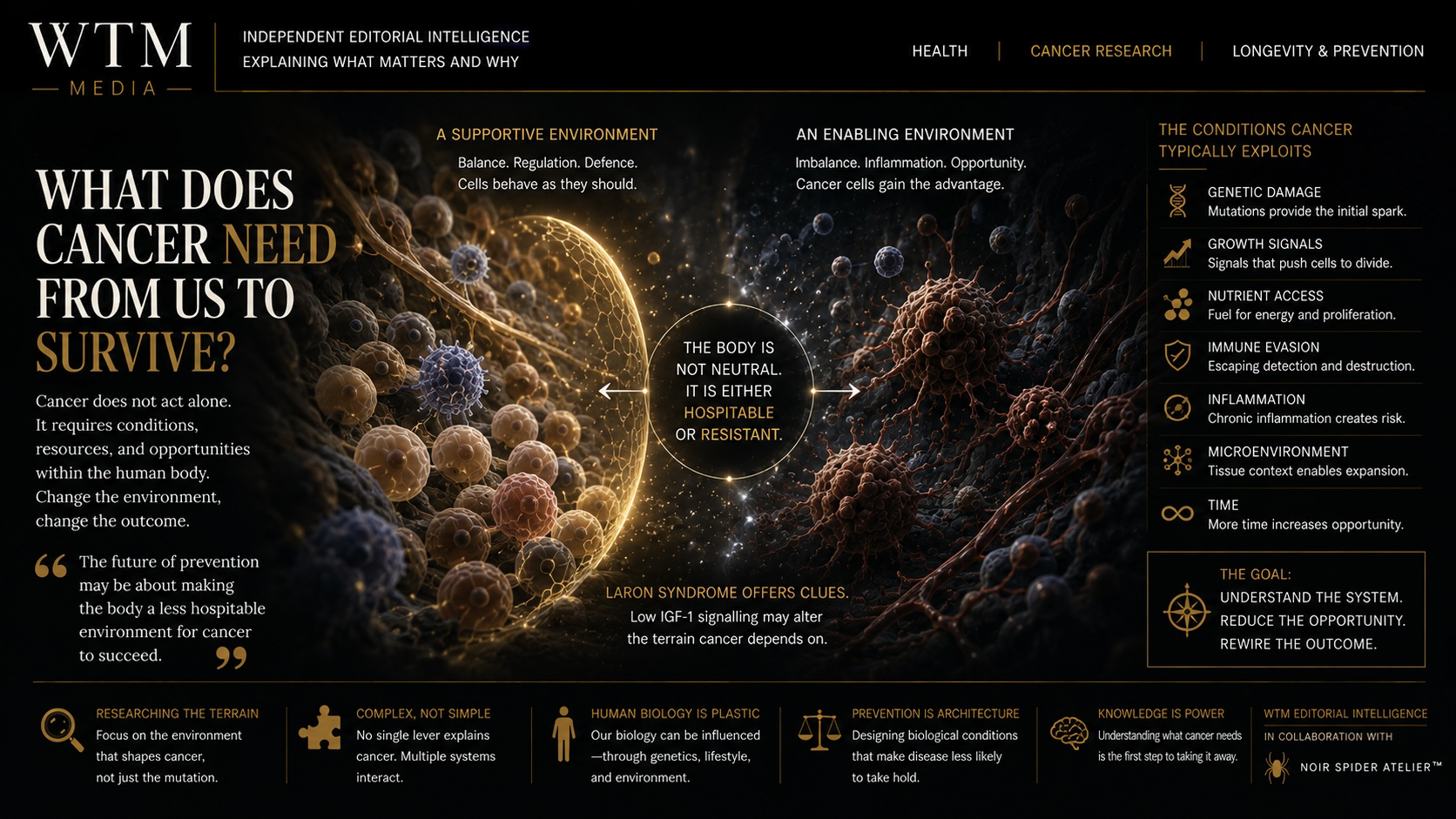
The deeper insight is architectural. Cancer is not merely a rogue cell. It is a rogue cell operating within a biological environment. Prevention may therefore require understanding not only mutations themselves, but the systemic conditions that allow abnormal cells to thrive. Laron syndrome asks medicine to study the terrain, not simply the invader.
The internet has an understandable weakness for biological absolutes. “People Who Cannot Get Cancer” travels considerably faster than “Population With Congenital Growth-Hormone Receptor Deficiency Demonstrates Significantly Reduced Malignancy Incidence”. One fits on a screen. The other fits the evidence.
But the distinction is not pedantic. Earlier surveys of congenital IGF-1 deficiency produced extraordinary findings, including studies in which no malignancies were reported among hundreds of people with Laron syndrome while cancers occurred among relatives. Those results helped establish the hypothesis that congenital IGF-1 deficiency may confer substantial cancer protection.
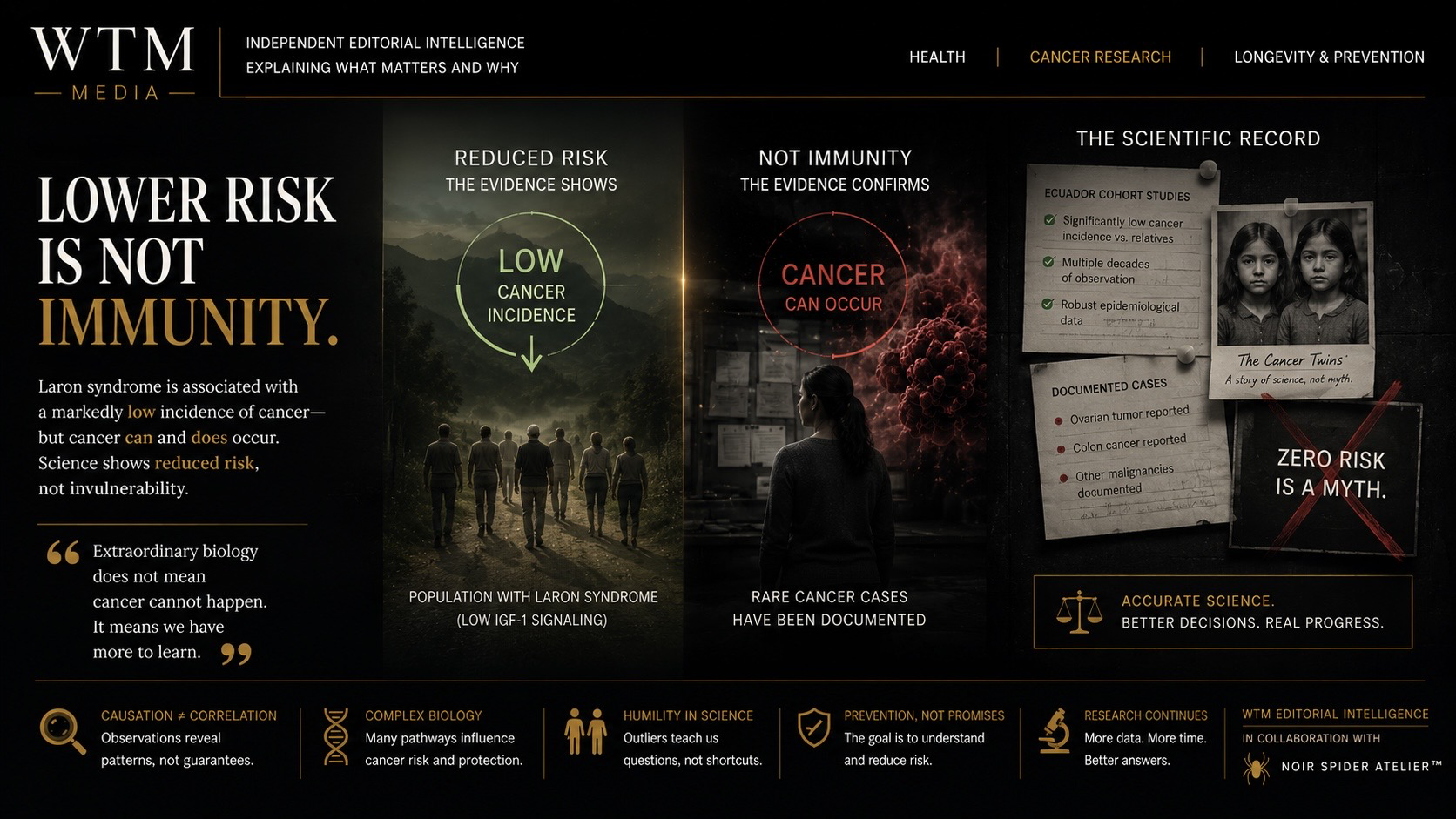
Later evidence makes the picture more nuanced. Research specifically examining the Ecuadorian cohort has documented rare malignancies. A 2023 review noted an ovarian tumour and discussed additional cancer occurrence while still concluding that the population displayed diminished cancer incidence compared with matched relatives. The scientifically defensible language is therefore reduced risk, not immunity.
This correction actually makes the research more valuable, not less. “Cannot get cancer” suggests a binary biological shield waiting to be copied. “Unusually resistant to cancer” demands investigation of probabilities, mechanisms, interacting pathways, and environmental factors. The second proposition is messier, but medicine advances through mechanisms, not mythology.
There is another danger in translating the finding. Low IGF-1 cannot simply be interpreted as “less IGF-1 equals longer life and no cancer”. IGF-1 performs important physiological functions, including during development. Laron syndrome itself carries substantial consequences. A naturally occurring genetic condition cannot be converted casually into a wellness prescription or an instruction to suppress a biological pathway in healthy people.
The research challenge is therefore to separate protective mechanisms from the disorder that revealed them. Medicine routinely works this way. An unusual mutation exposes a pathway; researchers identify which downstream effects matter; therapies are then designed to reproduce a useful mechanism without reproducing the entire condition. Human genetic exceptions can become maps rather than treatments.
WTM’s role here is equally clear. Scientific literacy requires refusing the false choice between wonder and accuracy. This story does not need exaggeration. A rare human population appears to experience remarkably low rates of diseases that kill millions of people. Understanding why is sufficiently extraordinary.
The first useful lesson is about how to read breakthrough medicine. When confronted with a spectacular claim — cancer immunity, age reversal, miracle gene, disease-proof population — ask immediately whether the evidence demonstrates elimination of risk, reduction of risk, or merely a laboratory mechanism. Those are radically different categories. Confusing them is one of the fastest ways medical research becomes misinformation.
Second, learn to distinguish a biomarker from a prescription. IGF-1 is relevant to growth and cancer biology, but that does not mean individuals should attempt to manipulate it independently. Human physiology is interconnected. Changing one pathway can create effects elsewhere, and associations observed in rare genetic populations cannot simply be reproduced through supplements, diets, or self-directed interventions.
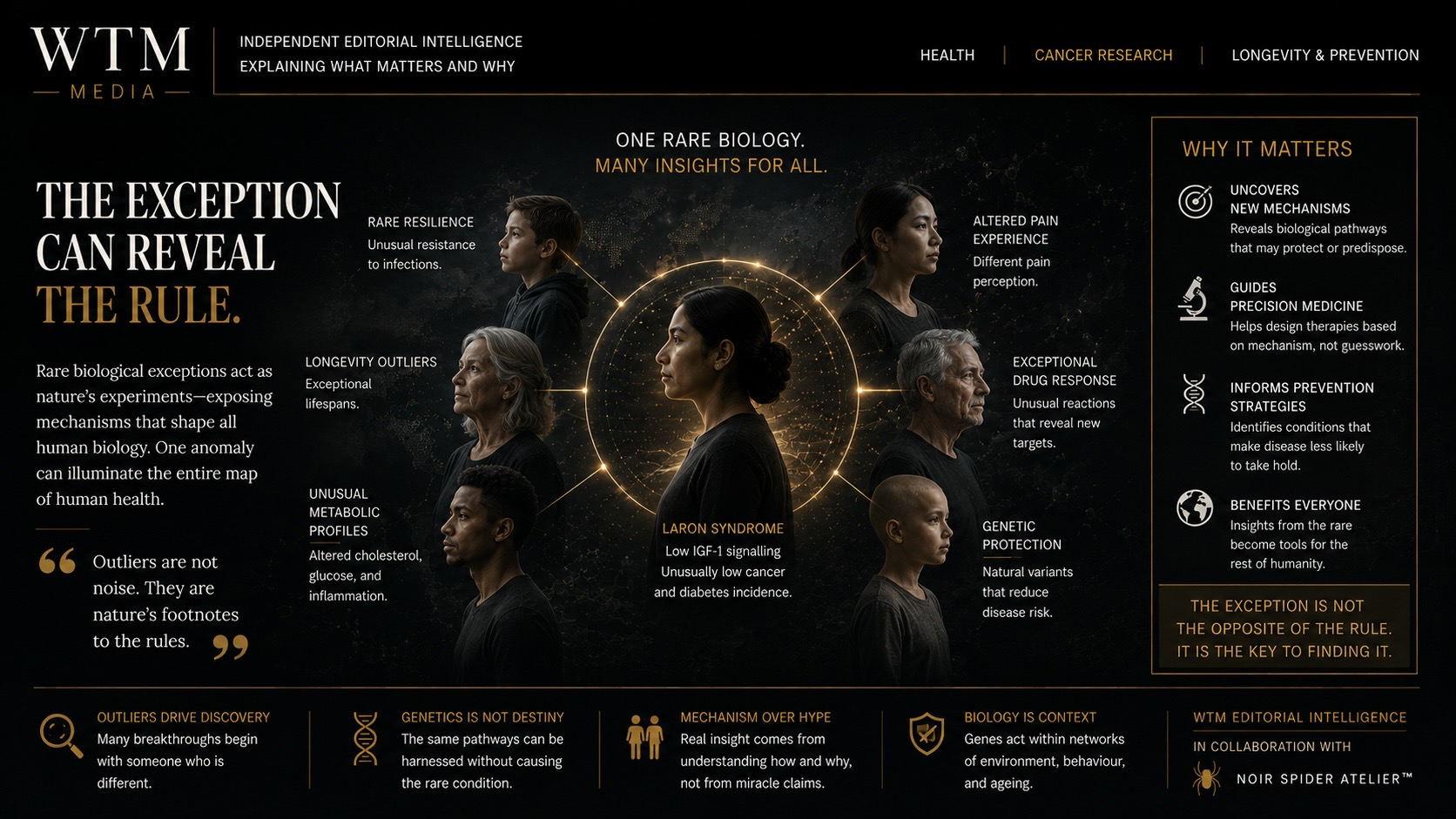
Third, watch genetic outliers. Some of the most important medical discoveries emerge when researchers encounter people whose biology behaves unexpectedly: individuals resistant to particular infections, families with unusual cholesterol profiles, people with altered pain perception, exceptional responses to drugs, or populations with unexpectedly low disease incidence. Outliers are not statistical rubbish when the mechanism behind them can be understood. Sometimes they are nature’s experiments.
Fourth, think about prevention as systems design. Modern medicine remains exceptionally capable at treating disease after detection, but the next frontier increasingly asks how biological environments can be configured so disease is less likely to establish itself in the first place. Metabolism, inflammation, immunity, cellular repair, genetics, environmental exposure, and ageing interact. Prevention is therefore not one intervention; it is an architecture of risk.
Fifth, preserve humility around translation. Discovering why one population experiences less cancer does not mean medicine is one molecule away from preventing cancer generally. Different cancers have different causes, mutations, tissue environments, and vulnerabilities. What Laron syndrome provides is an unusually valuable research direction — not a universal answer.
For the reader, that creates a practical filter for evaluating the next viral medical breakthrough: What was actually observed? In whom? By what mechanism? At what scale? And has the observation been translated into a safe intervention? Those five questions will eliminate an astonishing amount of scientific nonsense before breakfast.
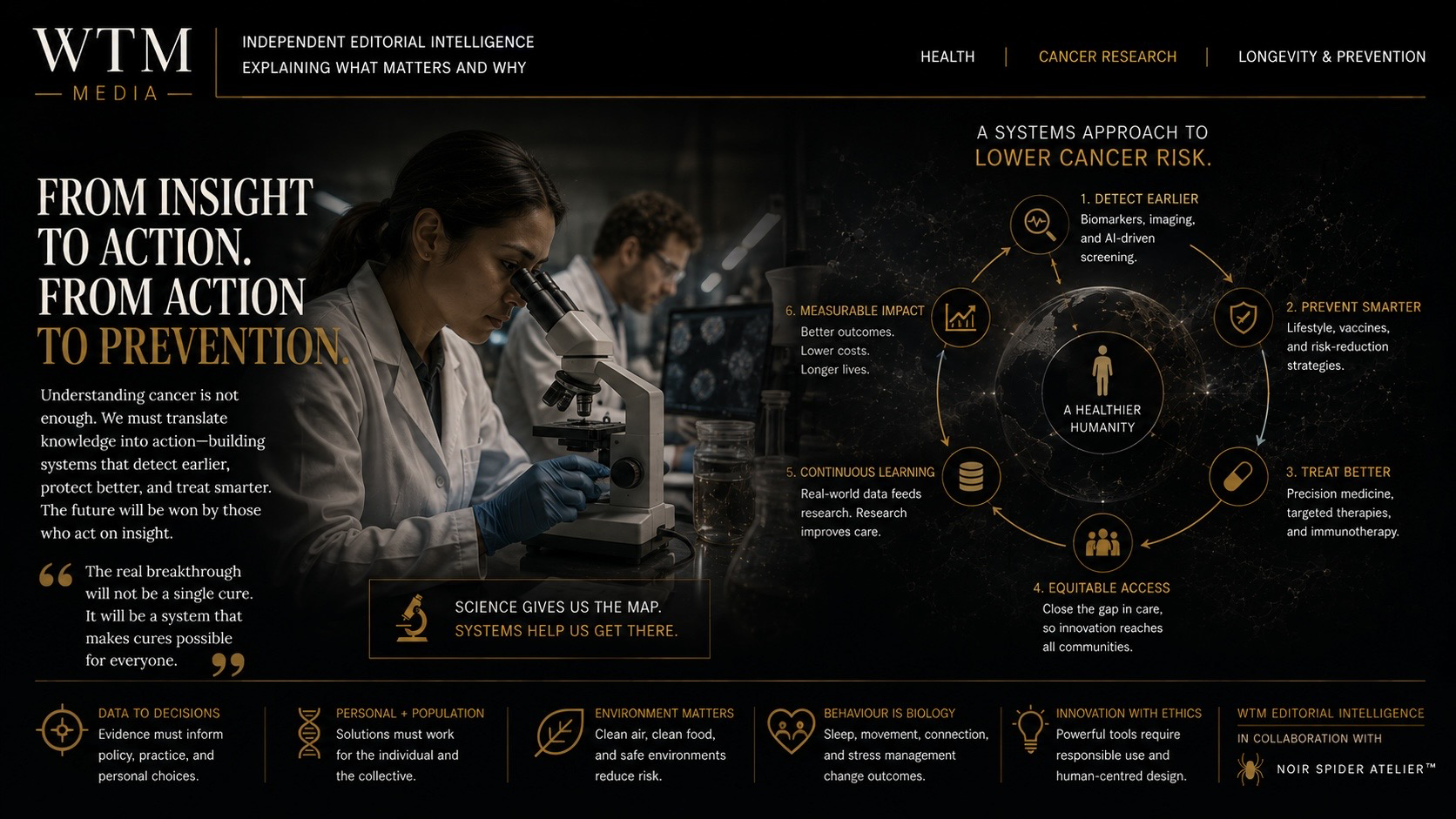
Cancer remains difficult partly because it is not one disease. It is a family of diseases produced through different combinations of genetic damage, environmental exposure, ageing, immune failure, metabolic conditions, and cellular opportunity. The ambition to find one universal cure has gradually given way to something more sophisticated: understanding the systems that malignant cells depend upon.
Laron syndrome contributes to that shift because it presents cancer research with an inversion. Instead of beginning with people who develop malignancy and searching for what caused it, researchers can examine people who develop substantially less malignancy and ask what appears to be protecting them. Disease resistance becomes as scientifically informative as disease vulnerability.
The implications extend beyond oncology. The Ecuadorian cohort has also generated research into insulin sensitivity, diabetes, cardiovascular risk, cognition, and ageing. A 2024 study reported normal or improved cardiovascular risk factors among adults with growth-hormone receptor deficiency despite increased adiposity, adding another layer to the biological paradox surrounding this population.
There is a systems lesson buried inside the physiology. Human beings frequently confuse visible characteristics with underlying mechanisms. Obesity normally correlates with certain metabolic risks; this population demonstrates that the relationship is mediated by deeper biological processes. Short stature is the obvious phenotype; altered signalling is the consequential architecture. What we can see is not necessarily where causality resides.
That is why the twins matter. Not because their bodies provide a spectacle of difference, and certainly not because they should be reduced to a medical curiosity. They matter because rare human biology can expose ordinary human biology with unusual clarity. Their condition forces science to confront a deceptively simple question: what does cancer require from the body before cancer can succeed?
If medicine can answer enough of that question, the future of oncology may not be defined solely by increasingly sophisticated weapons deployed against tumours after they emerge. Part of it may be defined by understanding how to make the human biological environment less hospitable to malignant growth in the first place.
The breakthrough is not that two women might possess a secret against cancer. It is that their biology may help science understand which conditions cancer needs — and what happens when some of those conditions are taken away.
Visual Intelligence: Noir Spider Atelier™ — A Division of WTM Media
Editorial Direction: Kelly Dowd, MBA, MA
Copyright: © 2026 WTM Media. All rights reserved.

Why These Matter - WTM MEDIA is an independent editorial platform exploring the forces shaping our world—through people, culture, commerce, design, systems, and governance. Connecting the dots between today’s headlines and tomorrow’s realities.