
For four decades, the central challenge of HIV medicine has been control. Antiretroviral therapy can suppress the virus so effectively that people living with HIV can lead long, healthy lives and, when viral load remains undetectable, do not transmit HIV sexually. Yet treatment does not remove the latent viral reservoir embedded within the body, meaning therapy usually must continue. A developing body of HIV research is asking a different question: rather than continually suppressing an active virus, could medicine make its hidden genetic machinery remain silent? A 2025 Science Advances study found that an HIV-derived antisense transcript known as AST could reinforce viral latency in cells from people receiving treatment. Subsequent research confirmed that HIV antisense transcripts occur naturally in people living with the virus. These findings do not constitute an HIV cure. They reveal something potentially more consequential: another biological mechanism that scientists may eventually learn to manipulate. The larger intelligence is about where medicine may be heading—from repeatedly controlling disease towards redesigning the conditions that allow disease to persist.
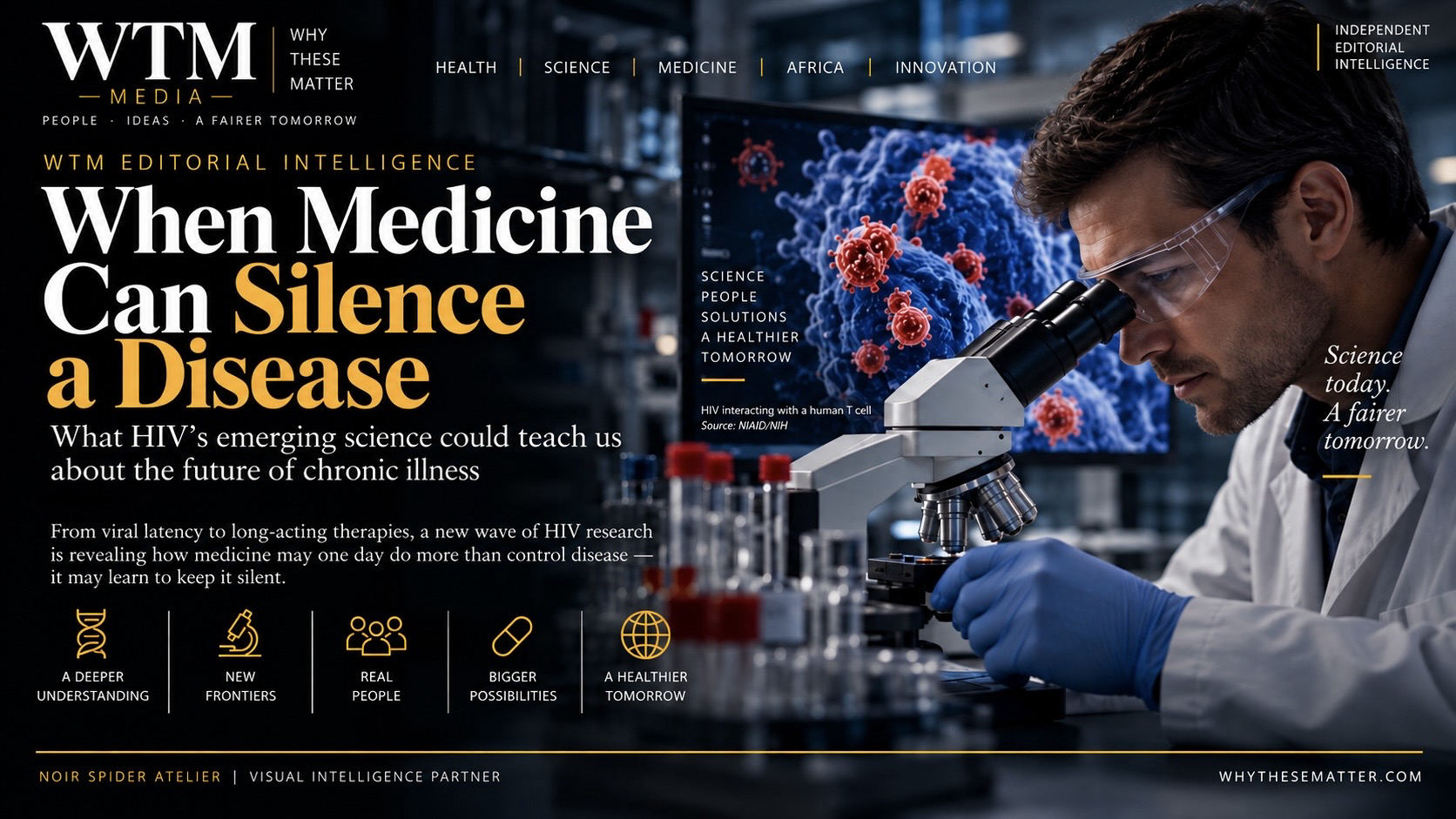
For most people born after the worst years of the AIDS epidemic, HIV now occupies a strange place in medical history. It remains incurable, yet modern antiretroviral therapy, or ART, can suppress the virus to levels so low that people receiving effective treatment can live long, healthy lives. When HIV remains durably undetectable in the blood, it is not sexually transmitted—a principle established as U=U: Undetectable = Untransmittable. This transformation from frequently fatal infection to manageable chronic condition ranks among modern medicine’s extraordinary achievements. But management and cure are different things.
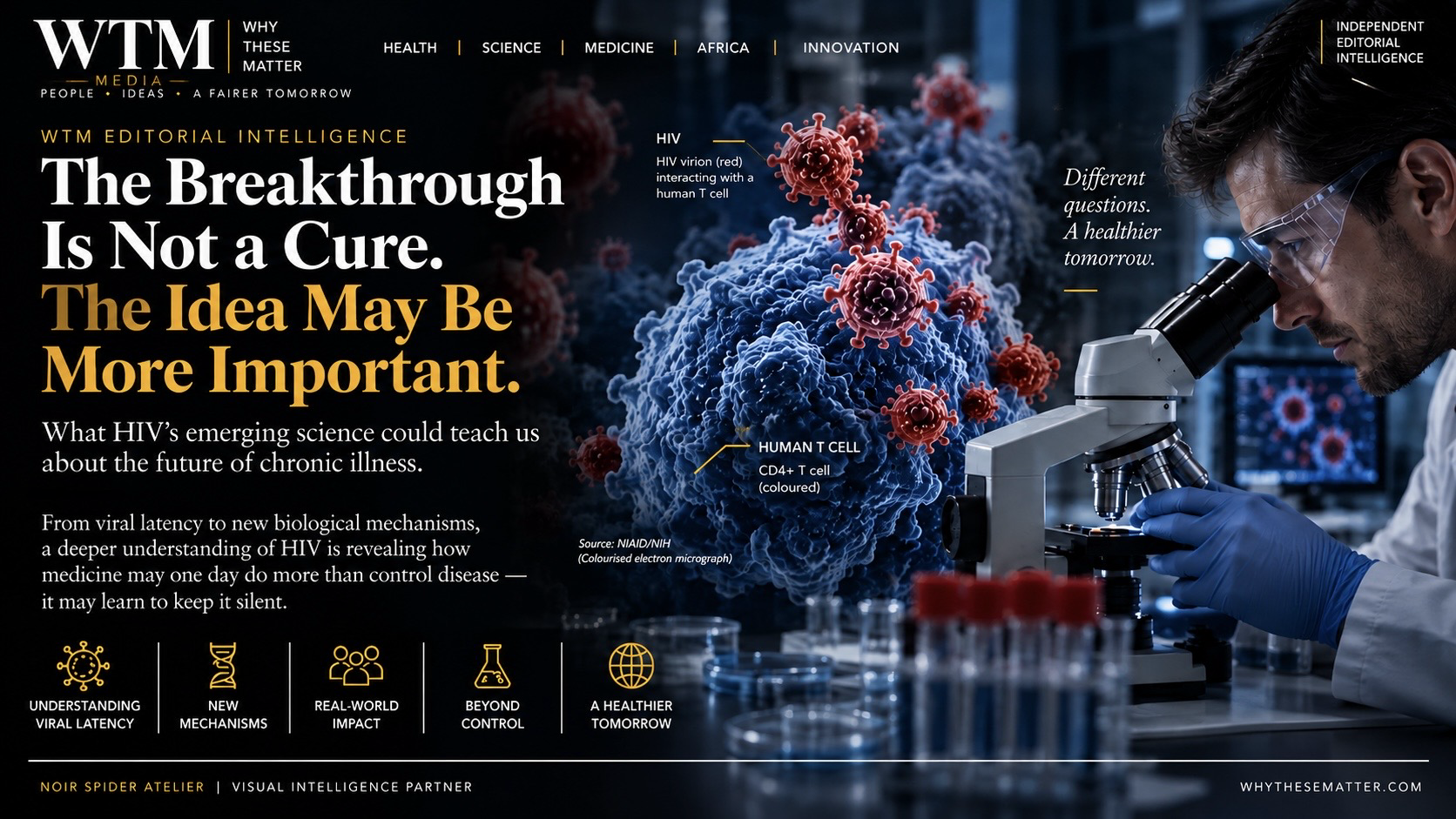
The distinction matters because HIV possesses an architectural advantage. After entering certain immune cells, the virus can integrate genetic material into the cell’s DNA. Some infected cells then become quiet. They may produce little or no virus while retaining the biological instructions necessary to restart infection later. These latent reservoirs can survive despite effective antiretroviral treatment. Stop therapy and, for most people, HIV eventually begins replicating again. This persistence is one of the principal barriers separating extraordinarily effective treatment from cure.
Researchers have therefore spent years exploring how to eliminate, disable or permanently contain these reservoirs. One strategy has been described as “shock and kill”: awaken latent HIV, expose infected cells and then eliminate them. Another takes almost the opposite approach: “block and lock”—push HIV into a sufficiently deep and durable state of silence that it cannot meaningfully rebound even without continuous treatment. Neither description represents a single established cure; both are broad scientific strategies being tested through multiple mechanisms.
A 2025 study in Science Advances added an intriguing piece to the second strategy. Researchers led by Rui Li and Fabio Romerio examined an HIV-1 antisense transcript called AST. Unlike the viral genetic messages that help HIV reproduce, this RNA molecule appears capable of contributing to the repression of HIV transcription. In laboratory work using CD4+ T cells obtained from people living with HIV who were receiving ART, experimentally increasing AST made latent HIV more resistant to reactivation. The researchers described AST as a biological molecule capable of enforcing latency with potential relevance to future cure strategies.
That finding was strengthened conceptually—not converted into a treatment—by subsequent 2025 work from researchers including the US National Cancer Institute, University of California San Francisco and Johns Hopkins. Using blood cells from people living with HIV, they verified that HIV antisense transcripts are naturally expressed in vivo, including among people receiving ART. Their study suggested that infected cell clones persisting during therapy can continue to express AST. The authors explicitly called for larger studies before conclusions are drawn about whether this biology can be therapeutically exploited.
That is the scientifically responsible place to begin. No patient has been cured by AST therapy. There is no approved AST treatment. There is not yet evidence that increasing AST inside a human body can permanently silence every clinically important HIV reservoir. What exists is a biological discovery, a mechanism and an emerging research question. Yet some discoveries matter long before they become medicines because they alter what scientists believe is possible. The important question is therefore not, Has HIV been cured? It has not. The better question is: What changes when scientists discover that a virus may contain machinery capable of helping suppress itself?
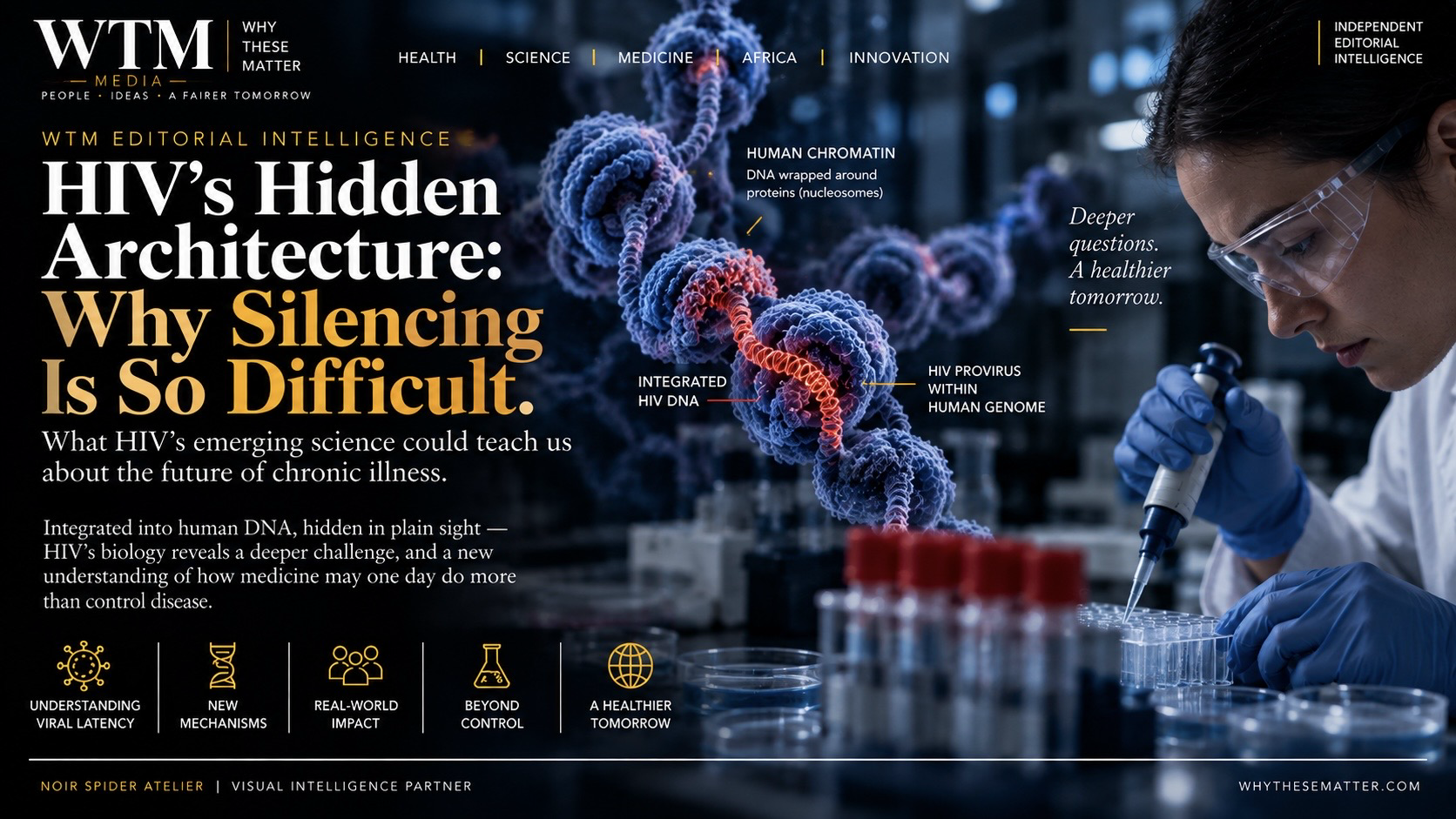
Viruses are often imagined as foreign invaders moving freely through the body. HIV makes that picture inadequate. A retrovirus converts its RNA into DNA and inserts that DNA into the genome of a host cell. Once integration occurs, the problem is no longer merely finding particles circulating through blood. Some of the viral blueprint has become physically embedded within living human cells. ART can prevent productive rounds of viral replication extraordinarily well, but it does not simply locate and erase every integrated viral sequence.
This is why viral suppression and viral eradication must not be confused. ART prevents HIV from successfully reproducing through different stages of its lifecycle. As viral load falls, the immune system can recover and transmission risk changes dramatically. Yet a small population of long-lived infected cells can remain. Some divide. Some reside in tissues difficult to sample. Some carry defective viral DNA incapable of causing rebound; others retain replication-competent proviruses. The reservoir is therefore not one tidy biological cupboard waiting for scientists to empty it. It is heterogeneous, dynamic and distributed.
AST introduces another layer to this architecture. The HIV genome can be transcribed in more than one direction. Whereas “sense” transcription generates RNA associated with viral gene expression, antisense transcription travels in the opposite orientation. Earlier research suggested that these antisense RNAs could recruit cellular machinery associated with chromatin repression, effectively helping create molecular conditions in which the HIV provirus becomes harder to activate. Researchers have been studying this possibility for years; the 2025 findings advance rather than originate the field.
Chromatin is important here because DNA does not operate like an exposed instruction sheet. It is packaged with proteins and chemically regulated. Some configurations make genes easier to read; others make them difficult to access. The 2025 Science Advances work reported that AST is associated with mechanisms that promote a more closed chromatin state around HIV’s 5′ long terminal repeat, an important control region for viral transcription. Put simply: the research suggests that AST may help place a molecular “do not open” sign on part of HIV’s integrated genetic programme.
But biological silence is not automatically permanent silence. Cells change. Immune activation changes. Different proviruses occupy different genomic locations. Reservoirs exist across tissues. A therapy capable of increasing one latency mechanism would need to work reliably enough—and broadly enough—to prevent clinically meaningful rebound without damaging normal cellular functions. Researchers would also need to understand how targeting viral or host regulatory pathways affects other biological processes. What performs elegantly in a cell culture system can encounter an entirely different world inside a human body.
This is where scientific literacy protects public optimism from becoming public misinformation. The relevant progression is mechanism → validation → delivery → safety → clinical trial → durable human outcome. AST research remains towards the earlier end of that sequence. Yet early-stage science should not be dismissed simply because translation is difficult. Every mature therapeutic platform was once an uncertain mechanism. The disciplined position is neither “HIV has been cured” nor “nothing has changed”. It is: scientists have uncovered another control layer inside one of medicine’s most persistent viruses, and now they must discover whether that control layer can safely become medicine.

The importance of this research becomes clearer when placed against the scale of the HIV system. UNAIDS estimated that 40.8 million people were living with HIV in 2024, while 1.3 million people acquired HIV during that year. WHO reported that 31.6 million people—about 77 per cent of those living with HIV—were receiving antiretroviral therapy in 2024. By 2025, global treatment coverage had risen further, but significant gaps remained, particularly for children and populations facing unequal access to healthcare.
This means the future of HIV medicine cannot be judged solely by whether a laboratory produces an intellectually beautiful cure strategy. It must also be judged by deliverability. An intervention requiring highly specialised facilities, extreme expense or personalised biological engineering could transform individual lives while having limited global effect. HIV disproportionately tests medicine’s ability to connect discovery with infrastructure: diagnostics, clinics, pharmaceutical manufacturing, supply chains, affordability, adherence, community trust and political commitment all influence whether scientific progress reaches human beings.
At the same time, ART itself is becoming less burdensome. HIV treatment was once associated with complicated combinations and substantial toxicity. Modern regimens can be dramatically simpler. WHO now recognises long-acting injectable cabotegravir and rilpivirine as a switching option for certain adults and adolescents who are already virologically suppressed. Separately, twice-yearly injectable lenacapavir has transformed the prevention conversation: WHO recommended it as an additional pre-exposure prophylaxis option in 2025. These are not cures, but they illustrate a broader trajectory—medicine reducing the frequency with which people must organise everyday life around HIV.
Other cure-directed approaches are advancing simultaneously. Researchers are investigating latency reversal, therapeutic vaccines, broadly neutralising antibodies, immune-cell engineering, gene editing, transplantation and combinations of these technologies. In late 2025, NIH highlighted studies in which some trial participants receiving experimental broadly neutralising-antibody-based interventions maintained viral control for extended periods after stopping ART; researchers linked that control to particular HIV-responsive CD8+ T-cell characteristics. These small experimental studies are not generalisable cures, but they show that durable treatment-free control is biologically possible in at least some settings.
The endpoint may therefore be more diverse than the word cure suggests. A sterilising cure would remove every replication-competent trace of HIV capable of restarting infection. A functional cure, remission or durable post-treatment control could instead allow the virus to remain present while being controlled without continuous ART. Block-and-lock research belongs principally to this second intellectual territory: perhaps the body does not need every viral fragment removed if clinically dangerous replication can be durably prevented. Researchers continue to debate terminology and acceptable endpoints, and any future claim would require rigorous clinical evidence.
For a 20-year-old newly diagnosed today, this trajectory carries one meaning: HIV treatment is already capable of supporting a long life and may become increasingly convenient. For someone who has lived with HIV for 20 or 30 years, it carries another: decades of adherence may eventually give way to longer periods between interventions—or, if cure research succeeds, perhaps treatment-free remission. For healthcare systems, the implication is different again: scientific success must ultimately be measured not only by what elite research centres can accomplish, but by whether advances reduce the lifetime medical, financial and logistical burden of HIV across populations.

HIV may be particularly suited to revealing a larger change in medicine because it has forced researchers to become extraordinarily sophisticated about persistence. Chronic disease often survives not because medicine understands nothing about it, but because biology contains feedback loops, reservoirs, resistant populations, altered immune states, genetic programmes or environmental conditions that enable pathology to return. The deeper question increasingly becomes not simply how to attack disease, but how to redesign the biological system that permits disease to continue.
Cancer research provides one parallel, although the diseases are profoundly different. A tumour is not a virus, and HIV latency should never be casually equated with cancer dormancy. Yet oncology also confronts cellular populations that evade therapy, enter quiescent states, acquire resistance and later re-emerge. Immunotherapy and personalised cancer vaccines increasingly attempt not simply to poison malignant cells but to alter how the immune system recognises them. The conceptual movement is from repeated assault towards better biological control.
Autoimmune disease offers another variation. Here the problem may be an immune system attacking tissues it should protect. Researchers are investigating increasingly precise ways of retraining, suppressing or resetting selected immune functions rather than broadly disabling immunity. Gene and cell therapies similarly seek to alter upstream biological instructions, not merely manage downstream symptoms. None of these fields is interchangeable with HIV. What connects them is an emerging medical ambition: intervene at the level of the mechanism that makes recurrence possible.
That distinction could matter economically as well as medically. Chronic treatment creates recurring pharmaceutical demand, but also recurring costs for patients, insurers and health systems. Curative or durable-remission therapies invert that model: they may involve substantial upfront expense while potentially reducing decades of continuing treatment. This can create difficult questions about pricing, reimbursement, intellectual property, manufacturing capacity and who captures the financial value of avoided lifetime care. A scientifically superior therapy does not automatically produce an equitable healthcare system.
For pharmaceutical companies, the transition is not simply a threat to recurring revenue. It creates entirely new markets in gene therapy, RNA therapeutics, long-acting delivery systems, diagnostics, biomarker development and biological manufacturing. Companies that once competed principally on the potency of a medicine may increasingly compete on duration: how infrequently does a patient need treatment, how precisely can it be delivered, how long does remission last, and can an intervention modify the disease architecture itself? The commercial metric could progressively move from pills sold to years of healthy life released from treatment burden.
By the 2030s and 2040s, this could produce a very different philosophy of chronic medicine. The most valuable intervention may not always be the drug that works best every day; it may be the intervention that makes daily treatment progressively unnecessary. That future is not guaranteed. Biology routinely defeats elegant predictions. Safety, resistance, access and cost can derail even excellent ideas. But AST research sits inside a much larger scientific transition: medicine is becoming increasingly interested in states—which genes are active, which immune cells persist, which molecular programmes remain accessible, and whether those states can be deliberately redesigned.

The most important thing about the AST research is therefore not a headline claiming that HIV can now be permanently silenced. The evidence does not establish that. Its value lies in the possibility that HIV’s own biology may reveal additional ways of maintaining deep latency. The 2025 study demonstrated a mechanism in cells; subsequent research demonstrated naturally occurring antisense transcription in people living with HIV. The distance between those facts and a widely available treatment remains substantial.
Yet consider the journey HIV medicine has already travelled. An infection that once generated extraordinary mortality and fear can now be suppressed to undetectable levels with modern therapy. People receiving effective treatment can expect long lives, and sexual transmission does not occur when viral suppression is durably maintained. Prevention has expanded from condoms and daily oral PrEP to long-acting injectable options. Each advance changed not merely clinical outcomes but the amount of human life that HIV was allowed to occupy.
That is perhaps the more useful definition of medical progress: how much human freedom can medicine return? A therapy can restore freedom from symptoms. A long-acting medicine can restore freedom from daily dosing. A preventative intervention can restore freedom from certain forms of risk. A functional cure, if one becomes achievable and broadly accessible, could restore freedom from continuous treatment itself. The hierarchy moves from survival towards health, from health towards autonomy, and from autonomy towards the possibility of living without disease organising everyday decisions.
There is also an institutional lesson. The technologies producing tomorrow’s health outcomes will increasingly cross disciplines that institutions still separate: virology, immunology, genomics, computational biology, RNA science, pharmaceutical engineering, behavioural health, public policy and economics. The future of medicine will not be designed exclusively inside the laboratory. A discovery succeeds only when regulation, manufacturing, financing, clinical infrastructure, community participation and patient trust can carry it into the world.
For younger readers, the HIV story demonstrates something history sometimes obscures: diseases are not static realities. A diagnosis can mean something radically different across generations because science, institutions and social attitudes change. For people in midlife, the same story raises questions about how chronic illness may be treated over the decades ahead. For older generations who remember HIV before effective therapy, the trajectory is evidence of how dramatically a civilisation can alter the prognosis of a disease without erasing the memory of what it once cost.
And for everybody, the deeper intelligence extends beyond HIV. Humanity has spent much of modern medicine learning how to fight disease after it appears. The next frontier may increasingly involve controlling biological states before disease can reassert itself: keeping dangerous genes quiet, teaching immune systems what to remember, redesigning cells, extending remission and making recurrence biologically difficult. Medicine may never eliminate every chronic condition. But if it learns how to change the conditions that allow disease to persist, the future of healthcare could move from an architecture of perpetual intervention towards something more ambitious: durable biological freedom.
Principal scientific research
Rui Li, Kaveh Daneshvar, Xinjie Ji, Michelle Pleet, Grace Igbinosun, Mohd Shameel Iqbal, Fatah Kashanchi, Alan C. Mullen & Fabio Romerio — Suppression of HIV-1 transcription and latency reversal via ectopic expression of the viral antisense transcript AST, Science Advances, 2025; 11(19): eadu8014. DOI 10.1126/sciadv.adu8014.
Adam A. Capoferri et al. — In vivo detection of antisense HIV-1 transcripts in untreated and ART-treated individuals, Life Science Alliance, 2025. The study provided sequencing evidence that HIV-1 antisense transcripts occur naturally in people living with HIV.
Public-health and treatment foundation
World Health Organization — HIV and AIDS treatment guidance and global HIV statistics. WHO states that no effective HIV cure currently exists and that ART suppresses viral replication rather than eliminating infection.
UNAIDS — Global HIV epidemiological estimates and 2025 Global AIDS Update.
US Centers for Disease Control and Prevention — HIV treatment, viral suppression and U=U.
US National Institutes of Health — Research Toward HIV Cure; HIV reservoir research; experimental studies of durable post-treatment viral control.
WHO — 2025 recommendation for twice-yearly injectable lenacapavir as an additional HIV pre-exposure prophylaxis option and long-acting cabotegravir/rilpivirine treatment guidance for eligible people with viral suppression.
This editorial distinguishes established clinical practice, experimental evidence and WTM future analysis.
The 2025 AST experiments do not demonstrate an HIV cure in humans. They show that experimentally expressed HIV antisense transcript can reinforce latency in ex-vivo CD4+ T cells obtained from people receiving ART. Subsequent research has confirmed naturally occurring HIV antisense transcripts in people, but whether this biology can be converted into a safe, durable therapy remains unresolved.
References to the 2030s and 2040s are scenario analysis, not clinical forecasts. No timeline for an HIV cure can presently be stated responsibly.
Comparisons with cancer, autoimmune disease, gene therapy and other chronic conditions are systems-level analogies concerning persistence and biological control. They do not imply equivalent disease mechanisms or interchangeable treatments.
The editorial contains no investment recommendation and no endorsement of a pharmaceutical company, therapy or experimental intervention.
Author: WTM Health Editor
Editorial Intelligence: Why These Matter Media
Visual Intelligence: Noir Spider Atelier™ — A Division of WTM Media
Editorial Direction: Kelly Dowd, MBA, MA
© 2026 Why These Matter Media. All rights reserved.
Scientific publications, institutional research, datasets, company names, drug names, trademarks and third-party imagery remain the property of their respective owners and are referenced for reporting, criticism, education, analysis and attribution.
WTM Editorial Intelligence distinguishes verified evidence from interpretation and future scenarios. Scientific uncertainty is preserved where evidence remains preliminary.

Why These Matter - WTM MEDIA is an independent editorial platform exploring the forces shaping our world—through people, culture, commerce, design, systems, and governance. Connecting the dots between today’s headlines and tomorrow’s realities.