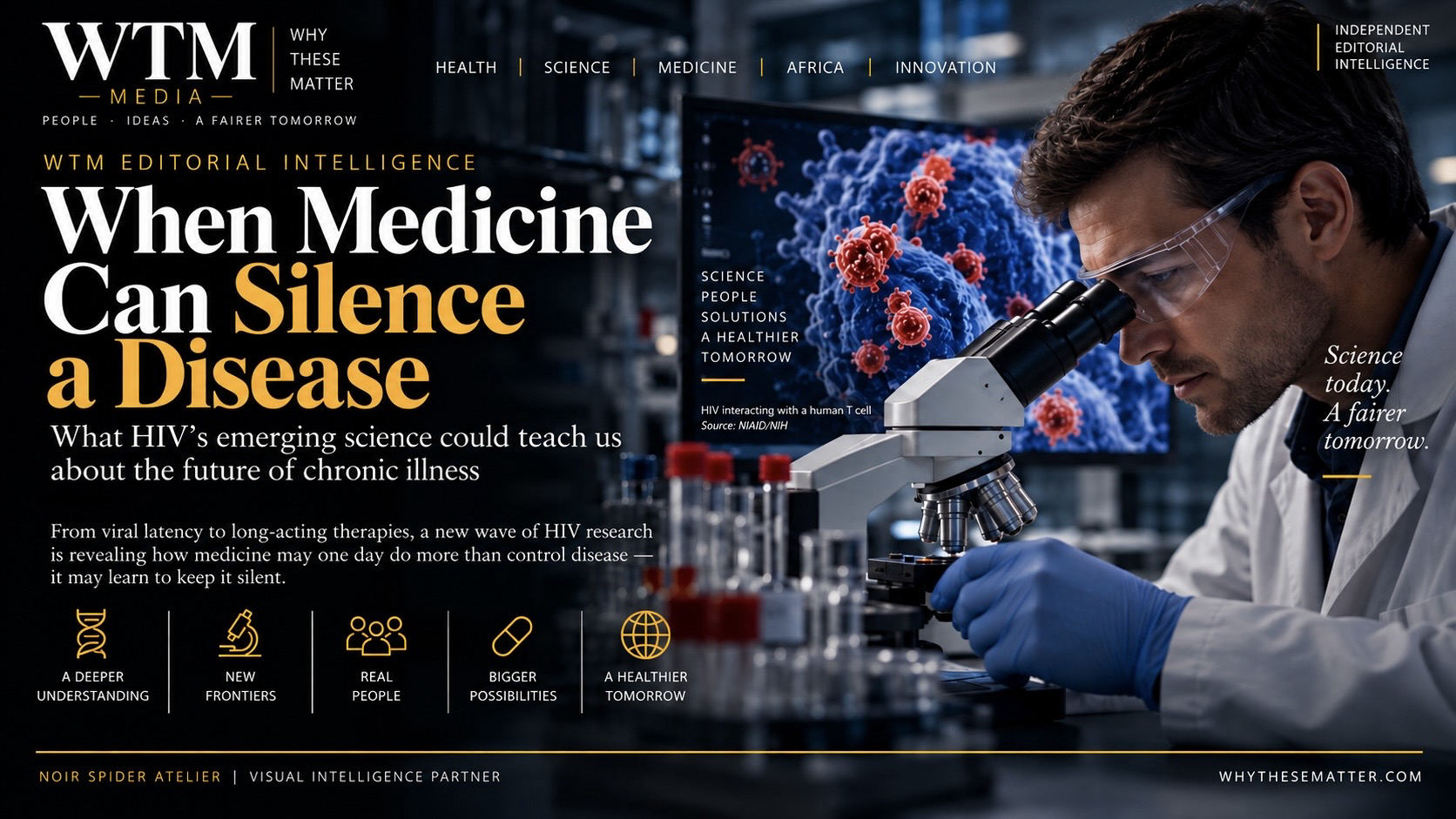
Canada’s Medical Assistance in Dying programme has moved an ancient human question into modern medicine: when suffering becomes intolerable, who should have authority over how life ends? In 2024, 16,499 people received MAID—5.1 per cent of deaths in Canada. Yet the headline conceals crucial distinctions: 95.6 per cent were people whose natural deaths were reasonably foreseeable; 4.4 per cent were not. Most recipients had received palliative care, while disability advocates, clinicians, ethicists and policymakers continue to dispute whether safeguards can adequately separate autonomous choice from suffering intensified by inadequate social support. The future makes the question harder. Medicine is simultaneously extending life, managing once-fatal disease, expanding organ transplantation and developing technologies that could prolong healthy longevity. A civilisation capable of keeping people alive for longer must therefore become equally sophisticated about what makes continued life worth living. The central question is larger than MAID: can a society protect the right to choose death without allowing failures of care to narrow the possibility of choosing life?
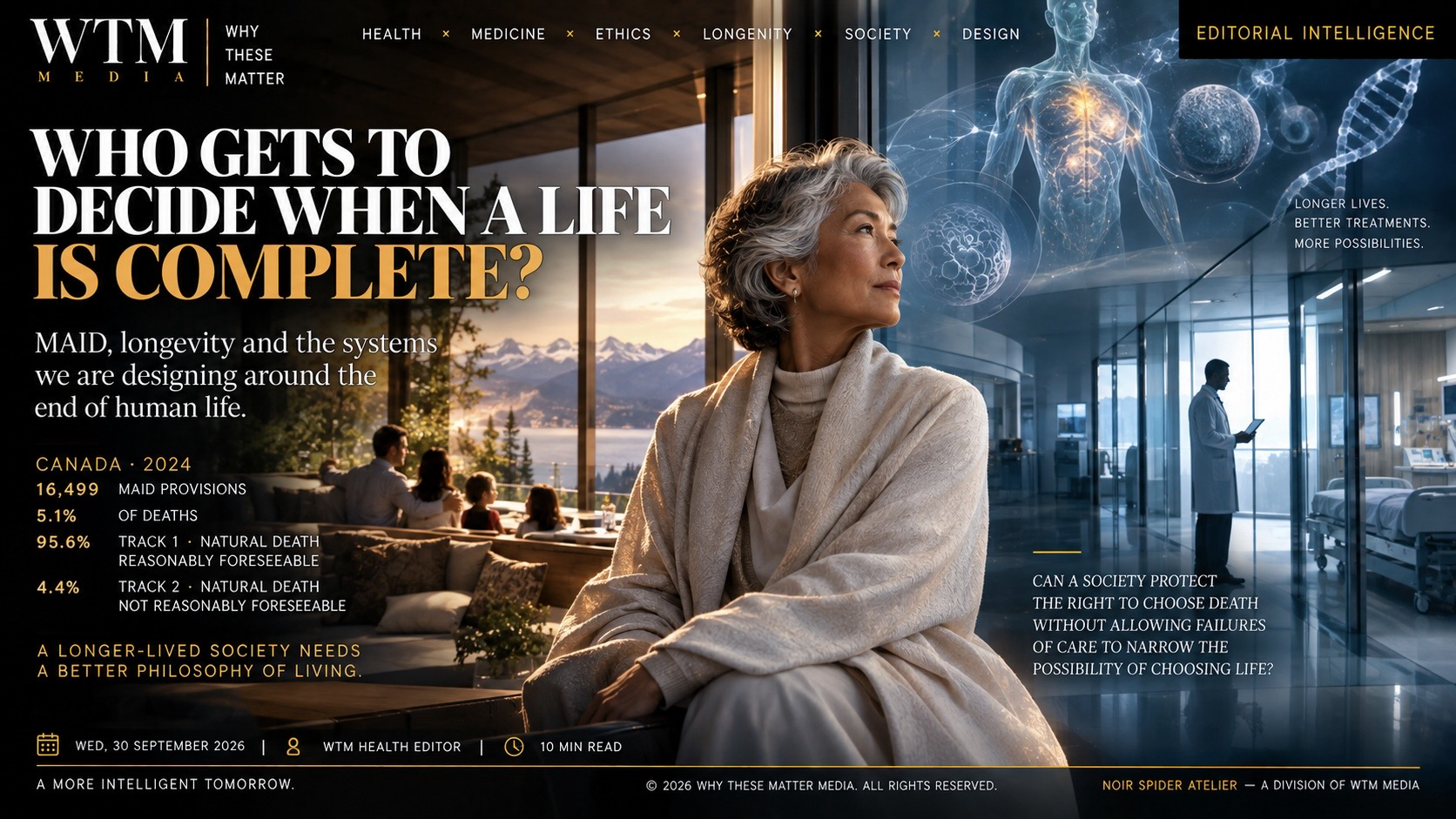
Death was once predominantly something medicine observed. Increasingly, medicine can postpone it, manage the diseases that precede it and, under tightly defined legal circumstances in some jurisdictions, participate in determining its timing. Canada sits near the centre of this transformation. Medical Assistance in Dying, or MAID, became lawful nationally in 2016 following the Supreme Court of Canada’s Carter decision and Parliament’s subsequent legislation. The original federal framework generally connected eligibility to a natural death that was reasonably foreseeable. That boundary did not remain intact.
In 2019, the Superior Court of Québec ruled in Truchon that federal reasonable-foreseeability and Québec end-of-life eligibility requirements were unconstitutional. Parliament responded through former Bill C-7 in 2021. A person’s natural death no longer had to be reasonably foreseeable for MAID eligibility, provided the other statutory requirements were satisfied. The law consequently developed two procedural pathways: Track 1, for people whose natural death is reasonably foreseeable, and Track 2, involving additional safeguards for people whose death is not.
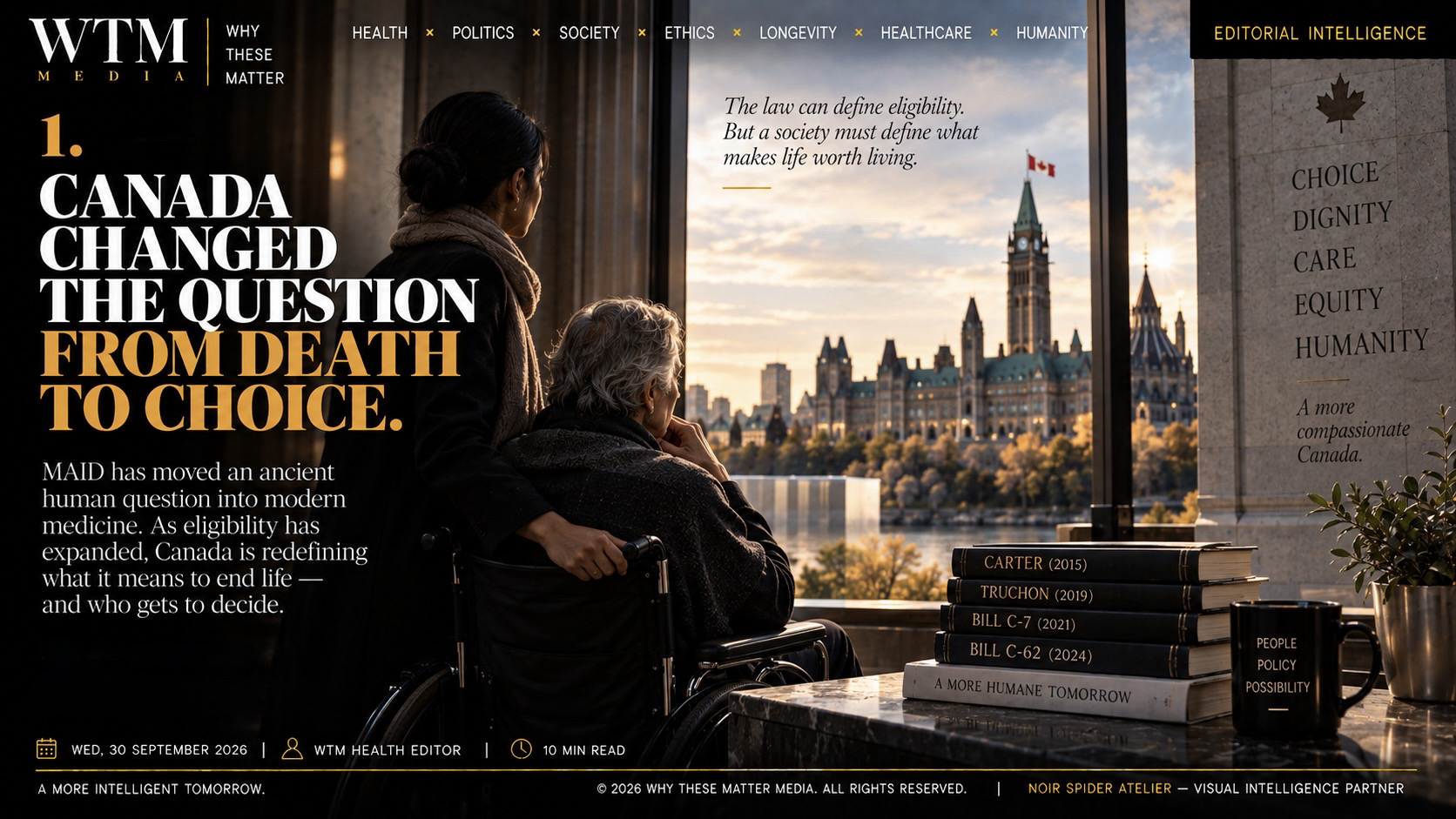
The numbers now make MAID impossible to regard as a marginal feature of Canadian healthcare. Health Canada recorded 16,499 MAID provisions in 2024, an increase of 6.9 per cent from 2023. MAID accounted for an estimated 5.1 per cent of deaths in Canada that year. Since legalisation in 2016, Health Canada’s revised cumulative count through 2024 was 76,475 provisions. Yet the rate of annual growth has slowed markedly—from 36.8 per cent between 2019 and 2020 to 6.9 per cent between 2023 and 2024. Health Canada cautions that more years of evidence are required before long-term stabilisation can be established.
Those figures require another distinction. Of people receiving MAID in 2024, 15,767—or 95.6 per cent—were Track 1 recipients whose deaths were reasonably foreseeable. 732, or 4.4 per cent, were Track 2 recipients whose deaths were not. The median age for Track 1 was 78. Across both tracks, the largest proportions of recipients were older adults. MAID therefore includes the controversial non-terminal pathway, but the data do not support describing Canada’s programme as though most recipients are people otherwise expected to live indefinitely.
Eligibility also does not mean that every request produces an assisted death. Health Canada received reports concerning 22,535 resolved MAID requests in 2024. Alongside the 16,499 provisions, 4,017 people died from another cause, 1,327 were found ineligible and 692 withdrew their requests. Canadian law requires adulthood, decision-making capacity, voluntariness, informed consent and a grievous and irremediable medical condition meeting statutory criteria. A person can withdraw consent at any point.
The important intelligence is therefore not captured by either pole of the political argument. MAID is neither simply an unrestricted entitlement to death nor merely conventional end-of-life medicine under another name. Canada has created a legal-medical system in which personal autonomy, clinical judgement, suffering, disability, safeguards and state responsibility meet at perhaps the most irreversible decision possible. The difficult question is no longer whether society should discuss assisted dying. Canada already practises it. The question is whether the architecture surrounding that choice is sufficiently strong to distinguish a person’s considered authority over death from circumstances that have made life unnecessarily difficult to continue.
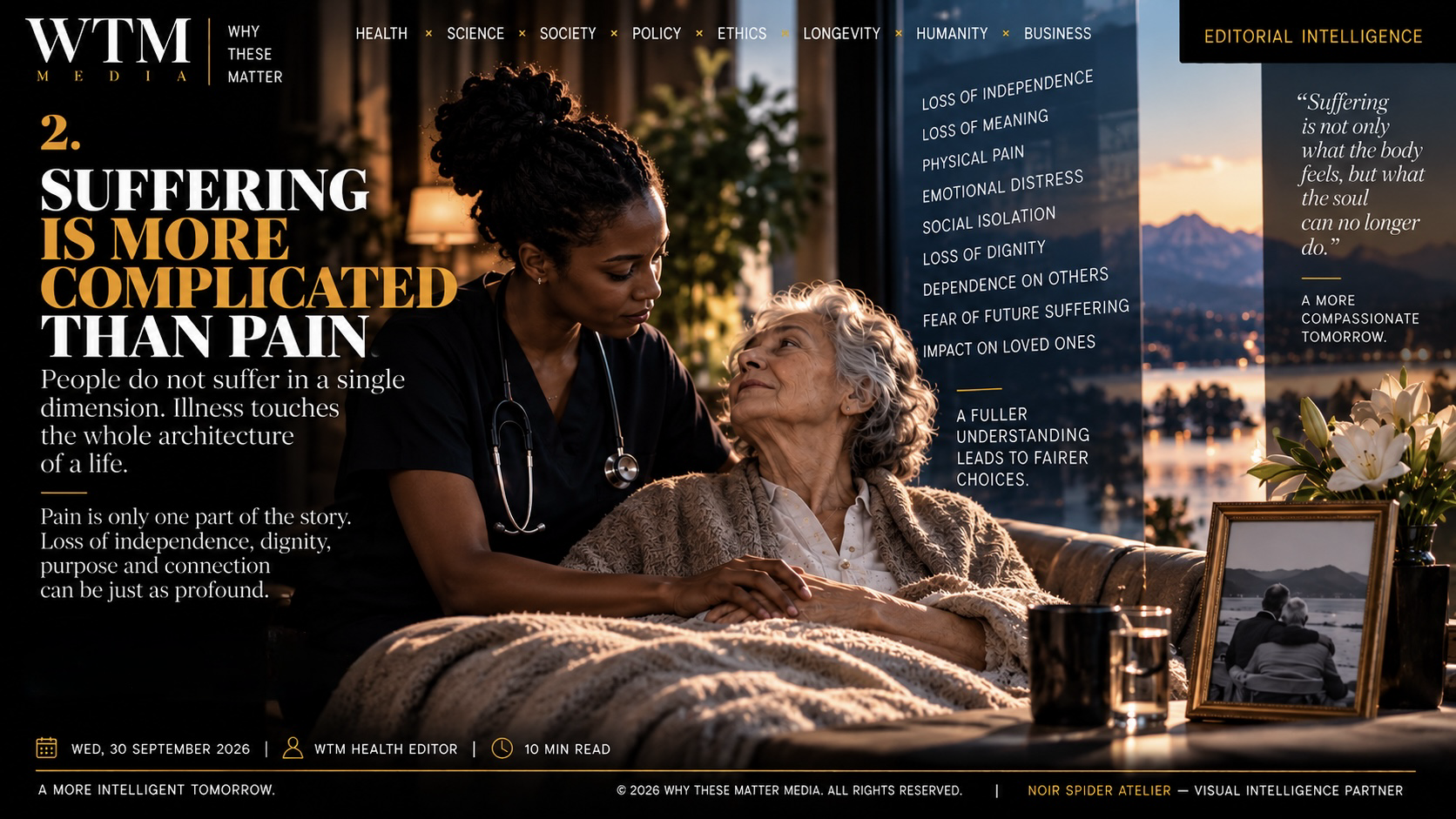
The data reveal something easily lost when MAID is reduced to ideology: people do not describe suffering in a single dimension. In 2024, practitioners most frequently reported loss of the ability to engage in meaningful activities among recipients—95.1 per cent for Track 1 and 97.5 per cent for Track 2. Loss of ability to perform activities of daily living was reported for approximately 85 per cent of both groups. Loss of independence, perceived loss of dignity, emotional or existential distress, pain and concern about other symptoms also appeared frequently.
This matters because it changes what society means by “unbearable suffering”. Medicine has historically been strongest at treating pathology: tumours, infection, organ failure, pain. Human beings experience illness more broadly. A person can have medication for pain and still lose mobility, vocation, privacy, social identity, independence or the activities through which life previously acquired meaning. End-of-life intelligence therefore cannot be built around pain relief alone. It requires an understanding of the architecture of a life.
Track 2 makes this particularly difficult. Compared with Track 1 recipients, people receiving MAID when death was not reasonably foreseeable had generally lived with their medical conditions for longer. Persistent significant or escalating chronic pain was reported for 64.1 per cent, significant dependence on aids for interaction or mobility for 61.7 per cent, and isolation or loneliness as one among multiple sources of suffering for 44.7 per cent. Health Canada found no 2024 case in which isolation or loneliness was reported as the sole source of suffering.
That distinction does not make the social question disappear. It makes it more precise. Critics—including disability-rights advocates—have argued that an autonomous decision cannot be evaluated independently of housing, income, disability assistance, home care and accessible healthcare. Their concern is structural: a choice between continued suffering and MAID is ethically different if society could reasonably have alleviated part of that suffering but failed to do so. Supporters of the existing framework emphasise that disabled adults possess the same capacity for autonomous decision-making as others and should not automatically be treated as incapable of determining what suffering they consider tolerable. The disagreement concerns how autonomy operates when dependence and inequality coexist.
The available evidence complicates simple claims about poverty. Health Canada’s neighbourhood-level 2024 analysis found Track 2 recipients somewhat more represented in the lowest income quintile than Track 1 recipients—28.3 versus 23.7 per cent—but 27.1 per cent of the comparison population of Canadian deaths was also in that lowest quintile. Health Canada concluded that MAID recipients overall were not disproportionately concentrated in lower-income neighbourhoods and cautioned that neighbourhood measures cannot establish an individual’s circumstances. This does not prove that economic hardship is irrelevant to particular cases; it means the national data do not justify claiming that poverty generally explains MAID uptake.
Meanwhile, the surrounding care system remains unequal. Statistics Canada reported that in 2023, 9.7 per cent of adults with disabilities had unmet home-care needs compared with 1.0 per cent of adults without disabilities. Among Canadians in the lowest income quintile, 4.3 per cent reported unmet home-care needs compared with 1.2 per cent in the highest. Those statistics concern the wider Canadian population, not MAID recipients, and must not be conflated with MAID causation. But they expose the deeper design challenge: a credible autonomy system cannot concern itself only with whether a person is free to say yes to assisted death. It must care whether the conditions surrounding that person make no a genuinely supported option.
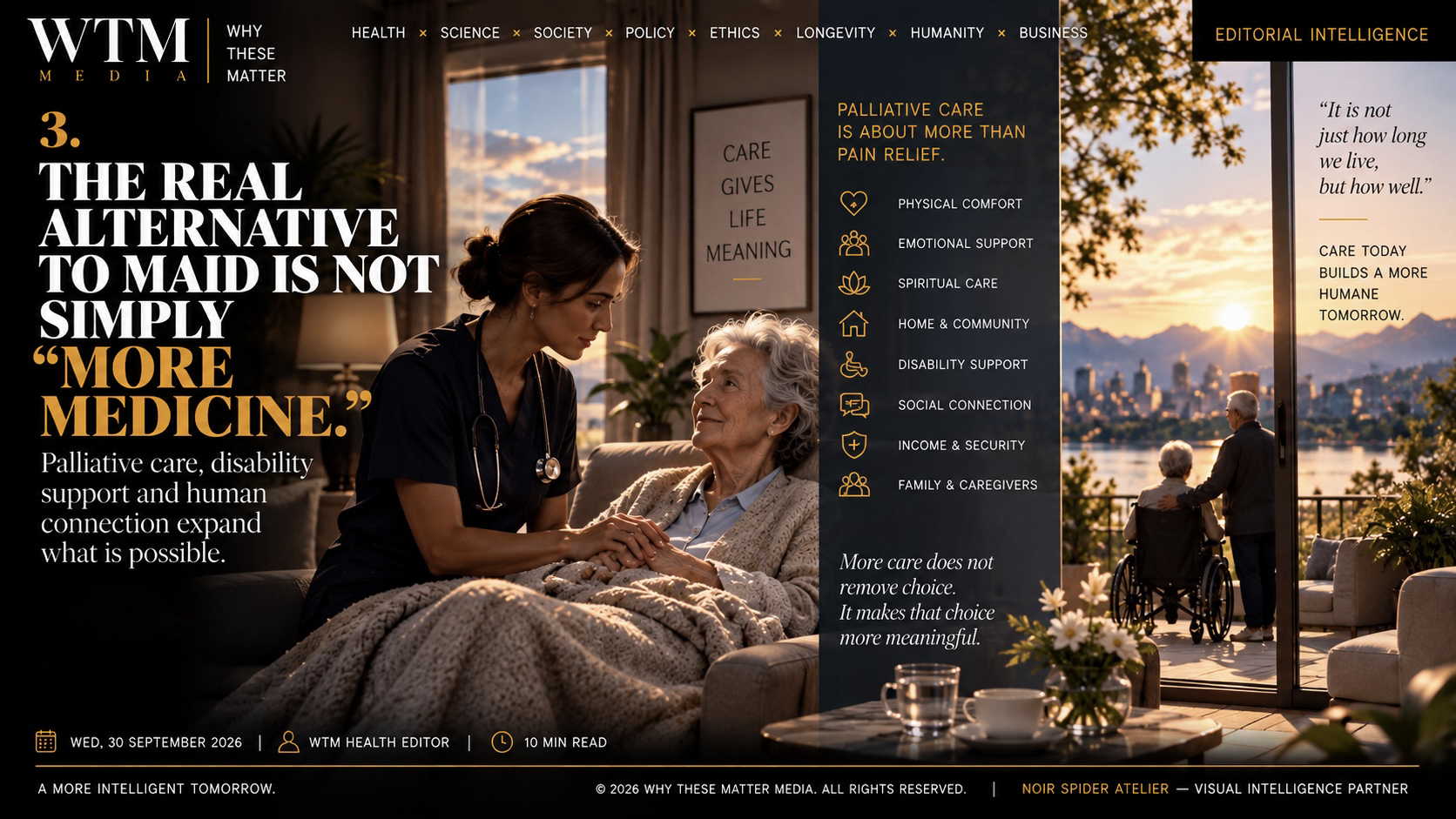
One of the most persistent misunderstandings surrounding assisted dying is that palliative care and MAID occupy opposite ends of a moral battlefield. Palliative medicine has a different clinical purpose: it seeks to relieve physical, psychological, social and spiritual suffering associated with serious illness and improve quality of life for patients and families. It can accompany disease-directed treatment and need not begin only during the final days of life. The meaningful policy question is not which philosophy “wins”, but whether people facing intolerable suffering have access to a sufficiently rich range of alternatives.
Health Canada’s 2024 data show that 74.1 per cent of MAID recipients had received palliative care. The difference between pathways was substantial: 76.4 per cent of Track 1 recipients had received it, compared with 23.2 per cent of Track 2 recipients. Health Canada reported that 2.5 per cent required but did not receive palliative care; among that group, practitioners reported services as accessible in 91.2 per cent of cases. These measures rely partly on practitioner reporting and do not by themselves tell us whether care was timely, intensive, appropriate or experienced as adequate by every patient.
Canada’s broader palliative-care evidence suggests precisely why access cannot be treated as binary. The Canadian Institute for Health Information found that palliative-care access had improved compared with five years earlier, including more support for dying at home, but substantial differences remained according to age, geography and diagnosis. Slightly more than half of Canadians died at home or in the community rather than hospital in the period CIHI examined; preference for place of death is itself complicated and can change as illness progresses and families discover what support is actually available.
A more intelligent end-of-life system therefore needs a broader care menu: sophisticated pain and symptom management; rehabilitation where useful; psychological treatment; disability support; appropriate housing; income security; personal care; spiritual care when desired; respite for families; social connection; hospice; and honest conversations about prognosis. For Track 2 assessments, Canadian law already requires practitioners to ensure that patients are informed about relevant means of relieving suffering—including counselling, mental-health and disability supports, community services and palliative care—and offered appropriate professional consultations. Eligibility requires serious consideration of reasonably available means.
The future challenge is not merely adding services to a checklist. Availability is not the same as adequacy. A person may technically have access to home care while receiving too few hours. A counselling appointment can exist while arriving months too late. Housing may exist while remaining inaccessible to someone with severe mobility limitations. Conversely, it would also be paternalistic to assume that sufficiently generous services would cause every competent person with grievous and irremediable suffering to choose continued life. Human beings can receive excellent care and still reach different conclusions about what they consider tolerable.
The better architecture is therefore maximum support before irreversible choice. That does not predetermine the decision. It strengthens its legitimacy. A humane system should make living as supportable as reasonably possible, make dying as comfortable as possible when death approaches, and preserve competent adults’ lawful choices within robust safeguards. Palliative medicine, disability support and MAID should not become substitutes for one another. The measure of a mature system is whether each person encounters enough care, information, time and human attention for the final decision to remain authentically theirs.
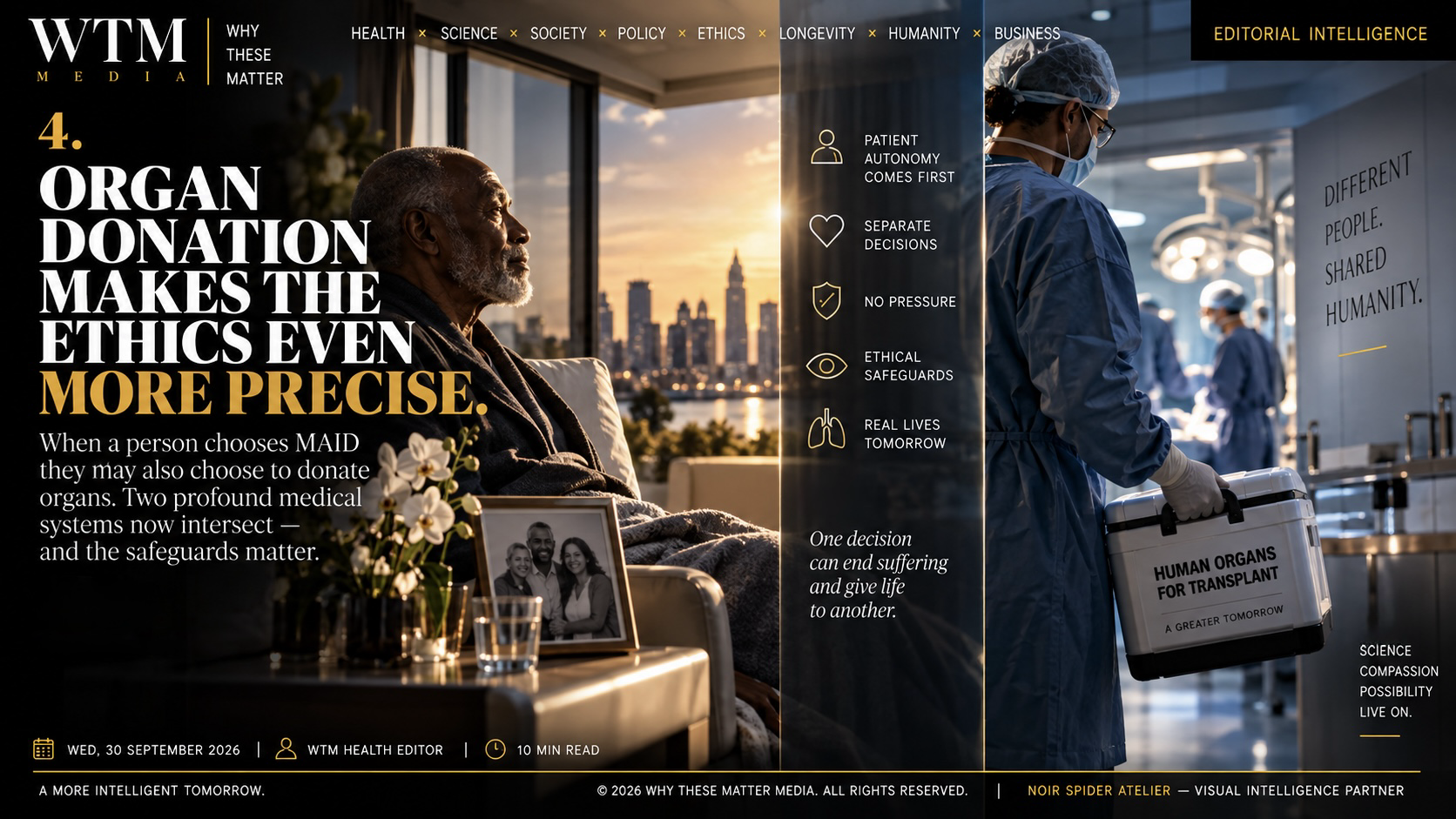
Canada has also confronted a question few healthcare systems have had to formalise at scale: what happens when a person who has independently chosen MAID also wishes to donate organs after death? The answer is that donation can occur under defined circumstances. Canadian Blood Services and clinical partners have developed specific guidance for organ and tissue donation following MAID, updated after the 2021 legislative changes. The existence of this pathway has understandably generated ethical scrutiny because two profoundly consequential medical systems—assisted dying and transplantation—now intersect.
The central safeguard is separation. Canadian guidance states that the decision to proceed with MAID must occur before organ donation is discussed. A person can withdraw consent for either MAID or donation, and withdrawing donation consent must not compromise access to MAID. Vital organs are retrieved only after death has been determined according to accepted criteria—the established “dead donor rule”. Living organ donation before MAID is not to be offered or encouraged. These distinctions exist precisely because a transplantation system must never create an incentive—real or perceived—for someone to die.
The practice is not merely theoretical. A 2024 CMAJ study examined Québec’s experience between 2018 and 2022. Transplant Québec received 245 referrals for organ donation following MAID; 82 were retained as potential donors after assessment. Among referrals not retained, common reasons included medical unsuitability, patient refusal, and—in some cases—the patient withdrawing from the MAID process itself. The study demonstrates both that donation after MAID occurs and that referral does not automatically become donation.
For proponents, allowing donation respects another expression of patient autonomy. Someone who has independently decided to receive MAID may wish for organs to save or improve another person’s life. Preventing an otherwise eligible person from donating solely because of the manner of death could deny a meaningful final choice. For critics and ethicists concerned about coercion, the possibility of helping recipients can introduce psychological pressure: a person should never feel that their death has become socially more valuable because their organs might benefit others. Both concerns explain why procedural separation is not bureaucratic nicety but ethical infrastructure.
The future could make this tension sharper. Transplant medicine is improving; regenerative medicine, organ preservation, xenotransplantation and bioengineering may increase the number and kinds of organs that can be replaced. Simultaneously, populations are ageing and chronic disease remains substantial. As the technical ability to preserve one person’s life expands, healthcare systems will require increasingly sophisticated rules ensuring that no prospective donor’s end-of-life decision is shaped by the needs of a recipient.
There is a profound paradox here, but it need not become a sensational one. Medicine can participate in ending one person’s suffering under a lawful autonomous request and subsequently use donated organs to extend another person’s life. The ethical integrity of that sequence depends upon the decisions remaining independent. The recipient’s need cannot become the donor’s reason to die. The donor’s decision cannot become the transplant system’s opportunity to influence. In a future of increasingly powerful medicine, boundaries may become as important as capabilities.
The deepest tension surrounding MAID may emerge not from assisted dying itself but from what medicine is becoming around it. Humanity is simultaneously developing better cancer therapies, precision medicine, artificial organs, genomic interventions, regenerative treatments and technologies intended to extend healthy life. Canada, like many wealthy societies, is also ageing. Statistics Canada reported that approximately 896,600 Canadians were aged 85 or older in 2023; under its medium-growth projection that population could reach 2.2 million by 2043.
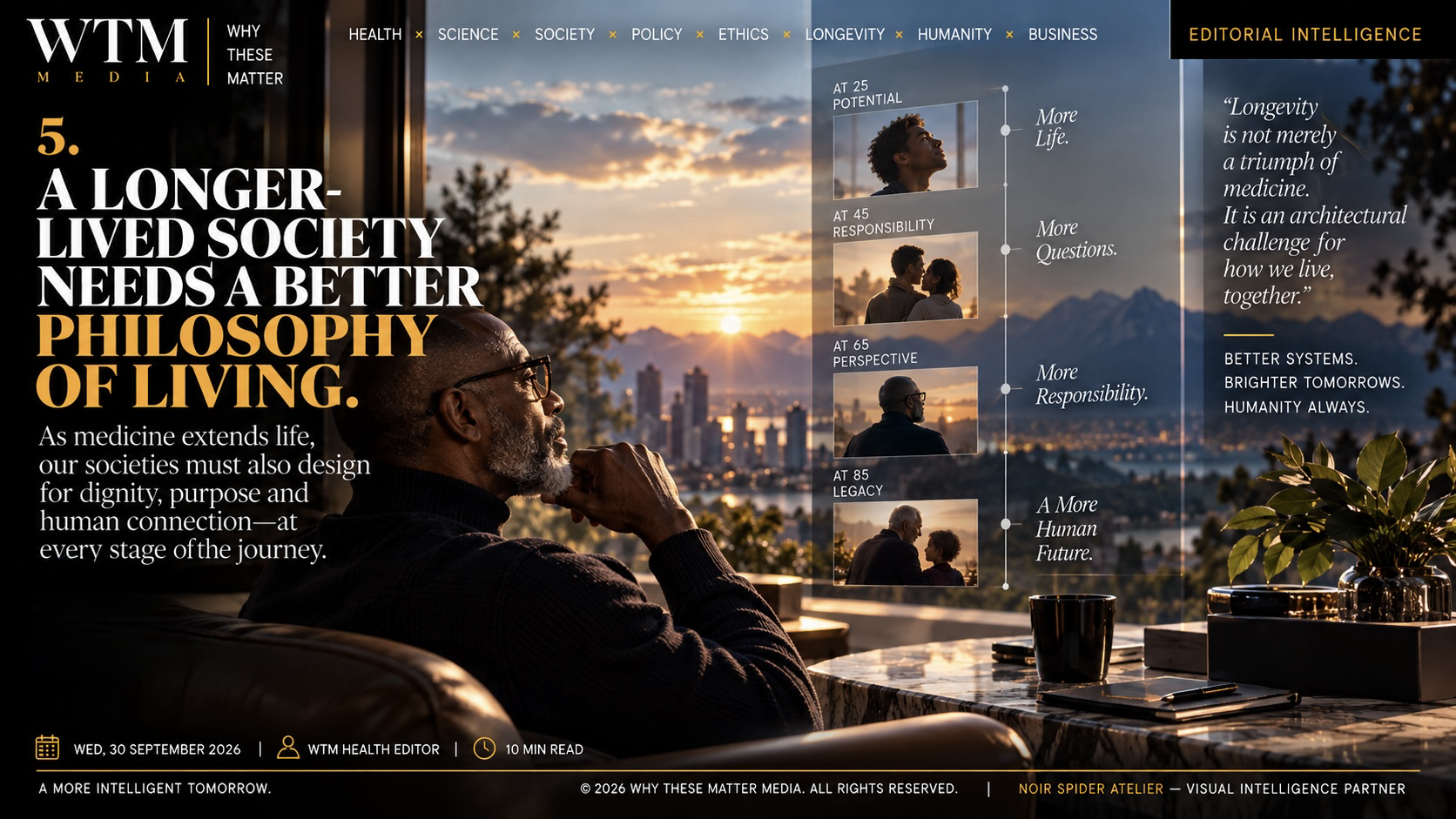
That produces a question rarely placed beside MAID: what happens when a society becomes better at extending biological life without becoming equally good at sustaining the conditions that make longer life desirable? More years can mean more relationships, creativity, knowledge and contribution. They can also mean longer periods of disability, caregiving, loneliness or dependence if social systems do not evolve with medical capability. Longevity is therefore not simply a triumph of biomedical engineering. It is an architectural problem involving housing, work, community, mobility, healthcare, family and purpose.
The age progression matters. At 25, MAID may appear remote, yet today’s younger adults will inherit the institutions being designed now. At 45, the issue may arrive through parents while simultaneously raising questions about one’s own later life. At 65, longevity, retirement, caregiving and chronic disease become materially interconnected. At 85, autonomy can become inseparable from mobility, home care, family structure and the ability to remain part of ordinary social life. The ethical system cannot begin only when someone signs a MAID request. It has been under construction for decades before that moment.
Mental illness will test that architecture further. As of September 2026, a person whose sole underlying medical condition is mental illness remains ineligible for MAID until 17 March 2027 under federal law. Parliament enacted that delay through Bill C-62, requiring a further parliamentary review. Unless Parliament changes the legislation before the exclusion expires, the existing statutory mechanism would permit eligibility from that date, subject to applicable criteria and safeguards. The issue remains contested because assessing incurability, capacity, treatment possibilities and enduring suffering in psychiatric illness can present different challenges from many terminal physical diseases.
Primary Research & Reporting
Why These Matter Media — WTM Editorial Intelligence
Editorial Intelligence
WTM Health Editor
Editorial Direction
Kelly Dowd, MBA, MA — Editor-in-Chief, Why These Matter Media
Research Framework
WTM Strategic Systems Intelligence™ — interdisciplinary analysis across medicine, bioethics, public health, disability, ageing, palliative care, law, economics and social systems.
Primary Institutional Sources
Health Canada — Sixth Annual Report on Medical Assistance in Dying in Canada, 2024
Statistics Canada — mortality and demographic data
Government of Canada / Department of Justice — federal MAID legislation, eligibility criteria and safeguards
Canadian Institute for Health Information — healthcare, ageing and palliative-care evidence
Health Canada — palliative-care policy and monitoring
Council of Canadian Academies — evidence concerning MAID and complex clinical circumstances
World Health Organization — palliative care, healthy ageing and health-system evidence
United Nations — population ageing and demographic evidence
Additional Research Base
Peer-reviewed medical, bioethical and health-policy literature concerning medical assistance in dying, end-of-life decision-making, palliative medicine, disability, patient autonomy, ageing, caregiving and healthcare access.
Research Standard
WTM prioritises primary government data, legislation, peer-reviewed scholarship and established health institutions. Claims concerning MAID are distinguished from ethical interpretation and advocacy positions. Where evidence, terminology or policy remains contested, disagreement is identified rather than resolved editorially.
This investigation examines medical assistance in dying as a health, ethical and institutional system, not as an argument for or against MAID.
Canadian law recognises MAID under specified eligibility criteria and safeguards. At the same time, MAID remains the subject of substantive disagreement among clinicians, disability-rights organisations, ethicists, religious communities, patients, families and advocates for individual autonomy. WTM does not treat the existence of disagreement as evidence that every factual claim within that debate carries equal evidentiary weight.
The editorial distinguishes between verified outcomes, reported experiences, ethical arguments and WTM scenario analysis. Statistics are identified by year and jurisdiction because Canada’s MAID framework, reporting practices and eligibility rules have changed over time.
References to future longevity, medical technology, artificial intelligence, caregiving and healthcare economics are scenario analysis rather than predictions. They are used to examine how end-of-life systems may need to evolve as medicine becomes increasingly capable of extending life and managing chronic illness.
Nothing in this editorial constitutes medical, psychiatric or legal advice. Decisions concerning end-of-life care require qualified clinical and legal guidance appropriate to the individual and jurisdiction.
Author: WTM Health Editor
Editorial Intelligence: Why These Matter Media
Editorial Direction: Kelly Dowd, MBA, MA
Visual Intelligence: Noir Spider Atelier™ — A Division of WTM Media
© 2026 Why These Matter Media. All rights reserved.
Original editorial analysis, systems modelling, visual-intelligence architecture and WTM future scenarios are the intellectual property of Why These Matter Media unless otherwise credited.
Government statistics, legislation, academic publications, institutional reports, third-party photographs, trademarks and quoted materials remain the property of their respective authors, institutions and rights holders and are referenced or reproduced subject to applicable permissions, licences and principles governing reporting, research, criticism and commentary.
Why These Matter Media maintains editorial independence. Inclusion of a researcher, institution, advocacy organisation, government agency or publication as a source does not constitute its endorsement of WTM’s analysis, nor does citation by WTM constitute endorsement of that source’s wider positions.
WTM Editorial Standard:
Evidence establishes what we know. Ethics reveals what we disagree about. Foresight asks what today’s choices may design for tomorrow.

Why These Matter - WTM MEDIA is an independent editorial platform exploring the forces shaping our world—through people, culture, commerce, design, systems, and governance. Connecting the dots between today’s headlines and tomorrow’s realities.