From architecture to public space, a new wave of human-centered design is redefining urban life—and it’s happening faster than most people realize.
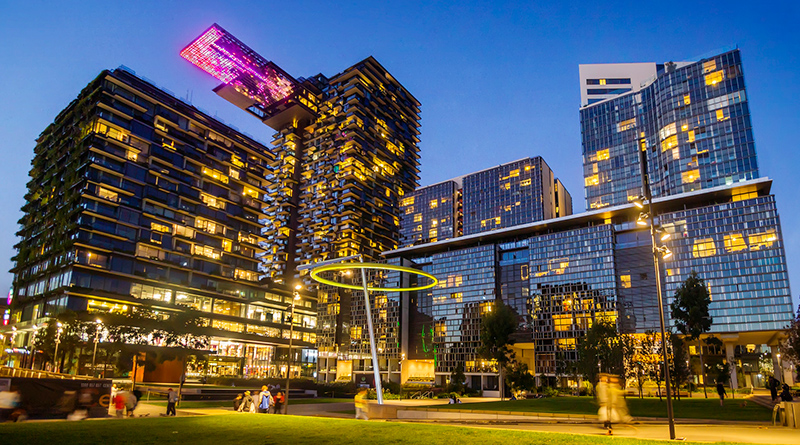
Urban landscapes are transforming — not with the noisy spectacle of cranes or the fanfare of ribbon-cutting ceremonies, but through quiet, deliberate, and sometimes controversial shifts in how cities are imagined, built, and inhabited.
This “Design Revolution” is not just about architectural aesthetics. It is the convergence of material innovation, adaptive reuse, citizen-led placemaking, and invisible policy frameworks that are redefining what “city” even means. The changes are happening block by block, policy by policy, and they are driven less by political will than by a shadow network of designers, developers, and financiers who know how to move quietly.
The first signal came not from government planning boards, but from high-net-worth investors quietly pulling funding from monolithic glass towers and redirecting capital into human-scale, mixed-use neighbourhoods.
Insiders whisper about a recent project in a coastal capital where a major property group, known for its luxury skyscrapers, abruptly pivoted to retrofit mid-century warehouses into multi-purpose hubs — complete with art studios, rooftop gardens, and discreet tech incubators.
The message? Cities of the future won’t be defined by height, but by touchpoint — the points of human interaction that drive culture, commerce, and belonging.
Design insiders have noticed that the most influential projects are choosing materials with stories.
Instead of sterile glass and steel, think reclaimed timber from century-old shipyards, bricks fired in carbon-neutral kilns, or locally quarried stone that ties the building to its geography.
One global design house — whose principal refuses to be photographed without their signature silk scarf — recently vetoed an entire material order because it lacked narrative value. “If the walls can’t tell a story,” they reportedly told a room of investors, “the building is already obsolete.”
Behind the drafting tables and rendering screens are the quiet power-brokers:
One particularly intriguing rumor making the rounds in design circles involves a European city where an unassuming café owner is said to have brokered a redevelopment deal by connecting a mayor’s office to a private Asian investment group — over a plate of pastries.
The future is participatory, but don’t mistake it for purely democratic. Urban “listening sessions” are now less about public opinion and more about shaping public opinion.
Cities are deploying design workshops where architects “co-create” with locals, but behind the scenes, the outputs are meticulously curated to align with pre-set development strategies.
In one North American redevelopment project, citizen feedback calling for “green space” was translated — in the final approved design — into a rooftop garden atop a luxury condo complex, accessible only to residents. Technically “green space,” but hardly public.
There’s a reason you’re not reading about this in every headline.
Loud revolutions invite resistance; quiet revolutions cement themselves before opposition can form.
Architectural insiders call it “soft insertion” — integrating radical change under the cover of familiar aesthetics. That’s why you see more adaptive reuse than demolition, more “pop-up” interventions than permanent structural overhauls. The revolution is in the gradual rewiring of how we experience cities.
The design revolution matters because cities are our most public mirrors — they reflect our values, economies, and hierarchies. How they change determines not only how we live, but who gets to live well.
If the transformation is dictated in back rooms and private galleries, citizens risk inheriting cities built for capital, not community. But if the shift is navigated with transparency and collective intelligence, we may enter an era where cities feel more human, more historic, and yet more futuristic than ever before.
And perhaps the real reason this quiet revolution matters? Because by the time most people notice, the cities they knew will have already become something entirely different.
Why These Matter - WTM MEDIA is an independent editorial platform exploring the forces shaping our world—through people, culture, commerce, design, systems, and governance. Connecting the dots between today’s headlines and tomorrow’s realities.