Archive edition. Read the retained primary edition for this editorial. The original URL is preserved for existing links.
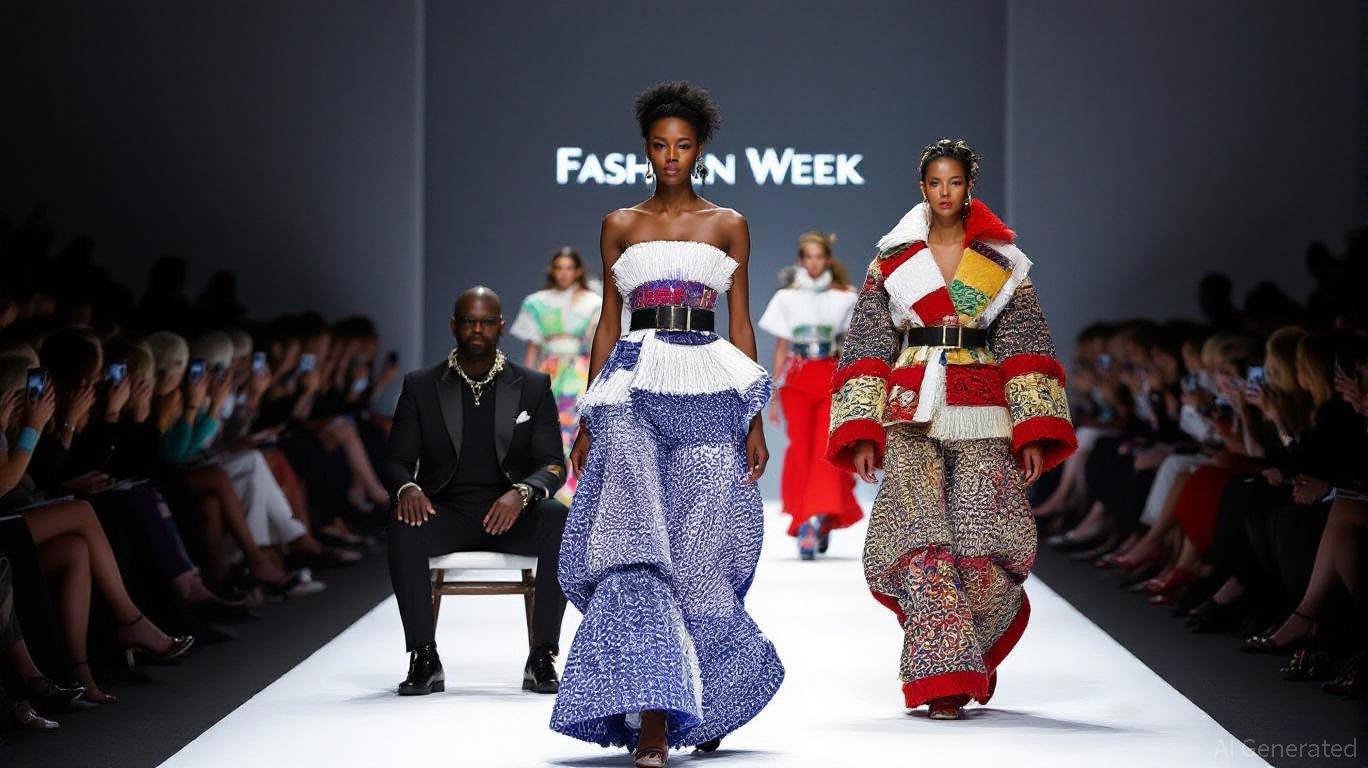
Fashion weeks are often caricatured as frivolous spectacles where editors gossip and celebrities clamour for front-row selfies. But behind the cameras lies a powerful vehicle for cultural diplomacy. As globalisation shortens distances between cultures, fashion shows assume new roles: they are no longer mere showcases for garments but platforms for education, dialogue and celebration.
A recent article from Fashinnovation notes that cultural fashion shows “are platforms for education, intercultural dialogue and the celebration of human heritage”. They remind us that a sari or beadwork can speak volumes about history and identity. Designers who incorporate indigenous textiles or ancestral techniques are not appropriating aesthetics but reviving narratives that colonialism tried to erase. When Maasai beadwork and Venetian lace share a runway, audiences witness a conversation across continents.
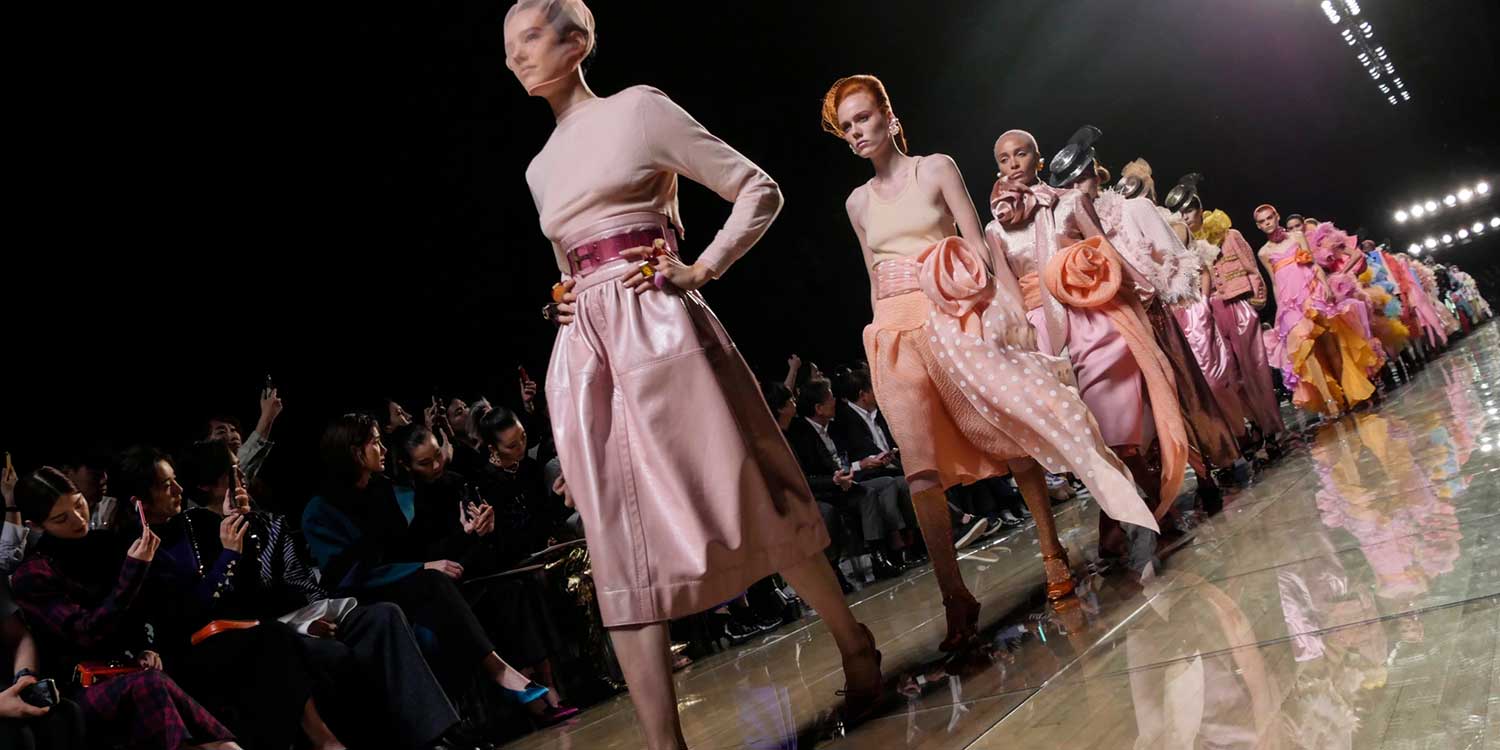
Each stitch, colour and cut reveals more than style; it “unveils stories, celebrates identity and builds bridges between generations,” the same article emphasises. Community‑run shows in Lagos, Jaipur and Medellín offer elders and youth a shared platform to honour traditions and adapt them for modern life. Younger designers reinterpret folklore motifs into contemporary silhouettes, ensuring that heritage remains a living, evolving force rather than a museum relic.
Fashion shows have also become vehicles for activism and sustainability. Up‑and‑coming designers use runways to critique fast fashion and champion ethical production. Others partner with artisans from rural communities, providing economic opportunities while preserving craftsmanship. Internationally, cultural shows attract tourism and media coverage, turning cities like Dakar and Tbilisi into fashion destinations.
At a time of deepening polarisation, fashion shows can foster empathy.
When audiences witness the weaving techniques of Mongolian nomads or the geometric patterns of Indigenous Canadians, they engage with cultures beyond stereotypes. These experiences inspire cross‑cultural collaborations, challenge narrow beauty standards and remind us that creativity knows no borders. Ultimately, runways can be bridges—connecting not only fabrics and trends but also people, stories and futures.
Kelly Dowd, MBA, MA, is an author, systems architect, and Editor-in-Chief of WTM MEDIA. Dowd examines the intersections of people, power, politics, and design—bringing clarity to the forces that shape democracy, influence culture, and determine the future of global society. Their work blends rigorous analysis with cultural insight, inviting readers to think critically about the world and its unfolding narratives.
Why These Matter - WTM MEDIA is an independent editorial platform exploring the forces shaping our world—through people, culture, commerce, design, systems, and governance. Connecting the dots between today’s headlines and tomorrow’s realities.