WTM Visual Intelligence · Conceptual imagery
Follow enterprise, markets, ownership and leadership through the systems that create value and distribute influence.

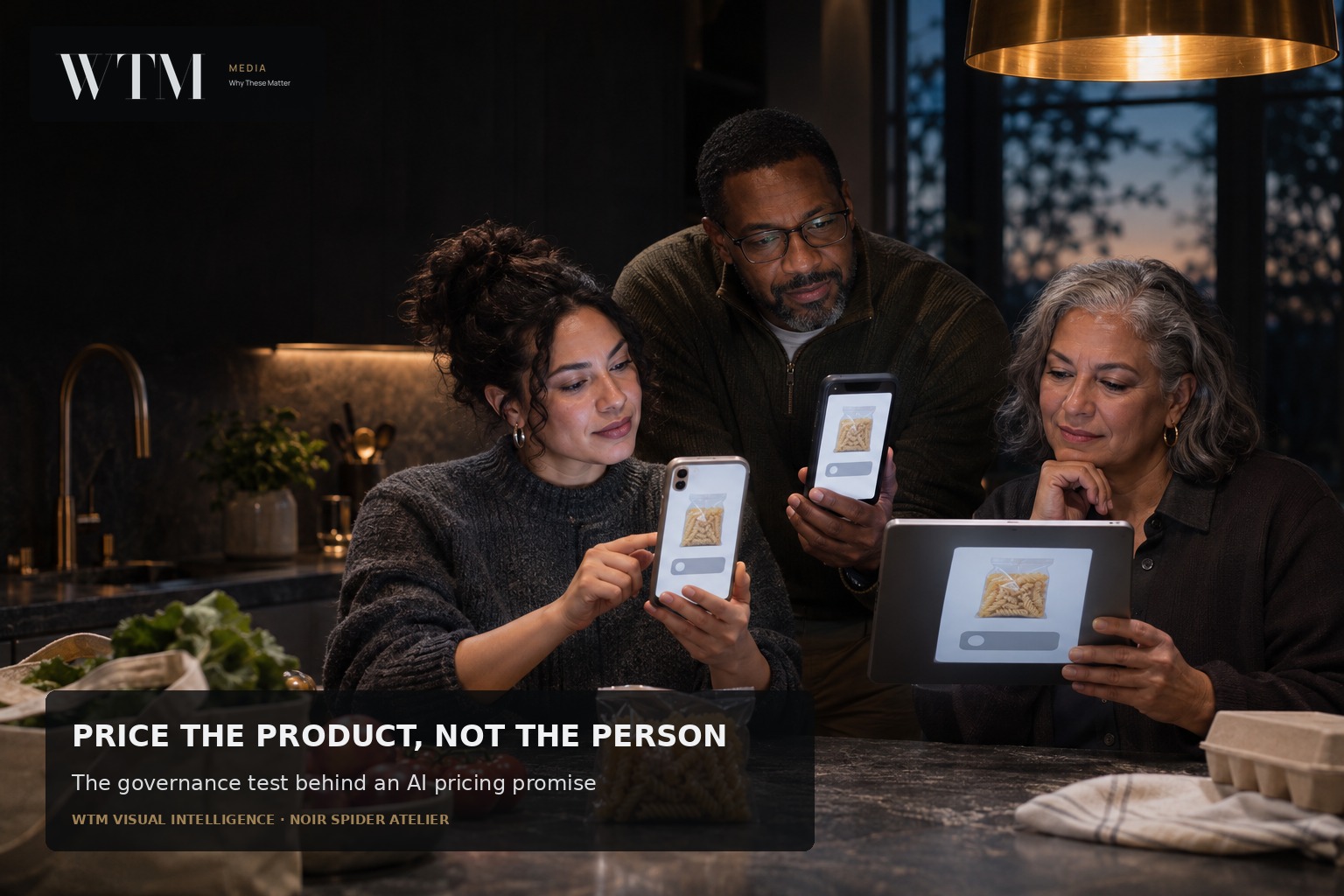
Walmart’s chief executive has drawn a clear line: personal data should not determine the price a customer pays. The harder question is whether that promise can survive recommendation systems, marketplace sellers, digital agents, promotions and organisational pressure. This public-source briefing turns a useful commitment into a practical governance test for any company using artificial intelligence near a consequential customer decision.

Data-centre growth can affect electricity investment and market conditions, but it does not explain every increase in a household bill. The decisive issues are local: the forecast, infrastructure required, applicable tariff and contractual protection against underused assets. Current federal proceedings examine parts of that system; they do not yet establish a universal guarantee against cost shifting.

Rihanna's role in Fenty Beauty offers a starting point for understanding ownership, but celebrity shorthand hides the work and contractual detail behind a business. A useful lesson separates customer value, economic rights, control and the ability to turn a stake into cash.

The strongest shopping decision begins before the sale. A purchase should meet a real need, beat a fair comparison and remain manageable when all existing commitments share the same calendar. These principles matter whether you use cash, a credit card or instalments.

Replace recession guessing with household scenario planning: calculate essential spending, distinguish cash from investments and prepare an actionable response to income disruption.

A practical financial operating system for young adults: map real cash flow, protect decision time, understand debt and invest with a purpose rather than a promise.

GM’s decision to stop funding Cruise’s robotaxi model while retaining autonomy capability reveals a difficult leadership discipline: knowing which ambition to preserve and which mechanism to end. WTM examines capital, safety reporting, integration, human consequences and the board practices that make strategic stopping accountable.

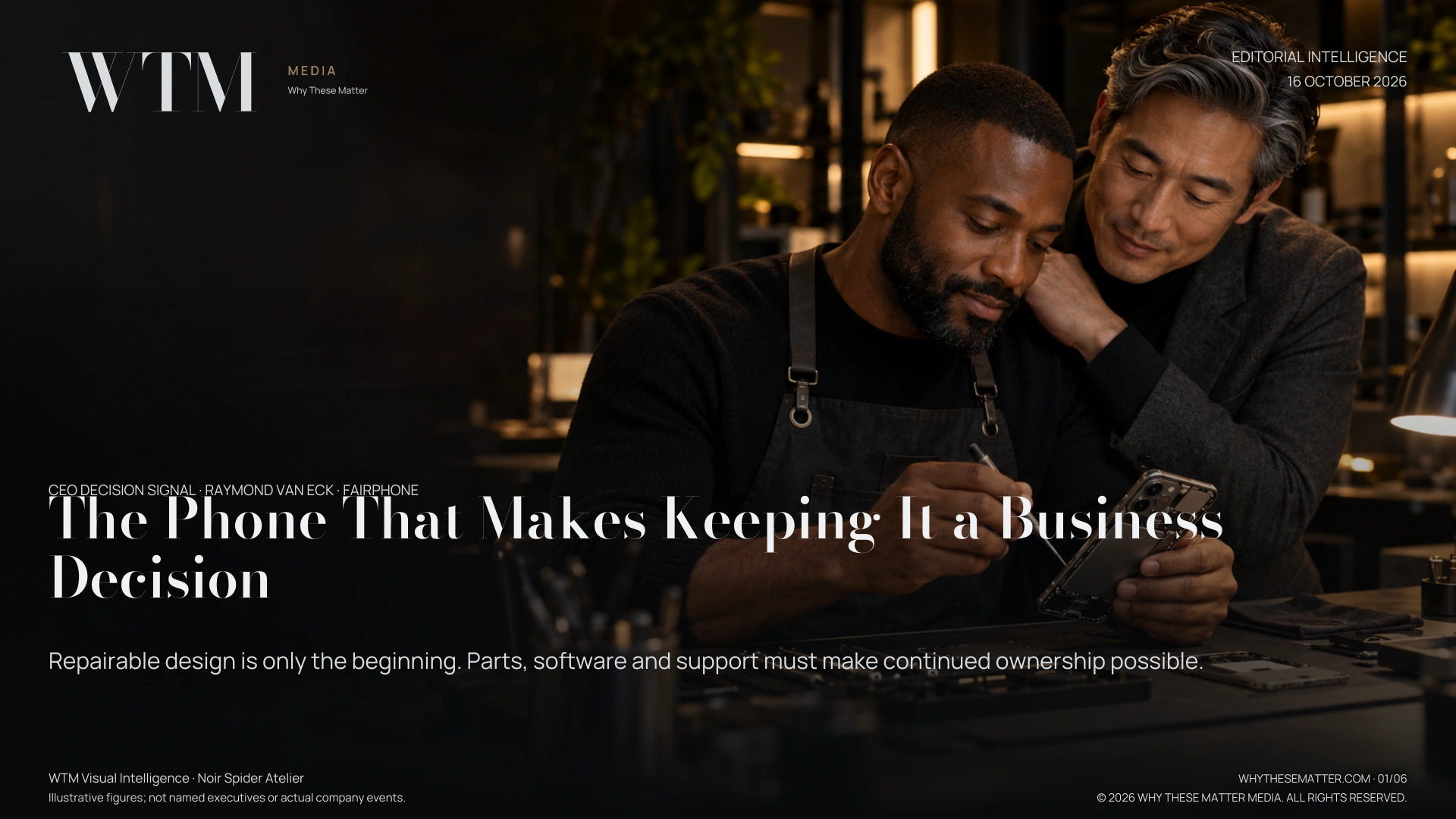
Fairphone’s US expansion places modular repair and long support at the centre of its proposition. WTM examines the design, the maintenance obligations and the commercial discipline needed to turn promised longevity into something customers can use.

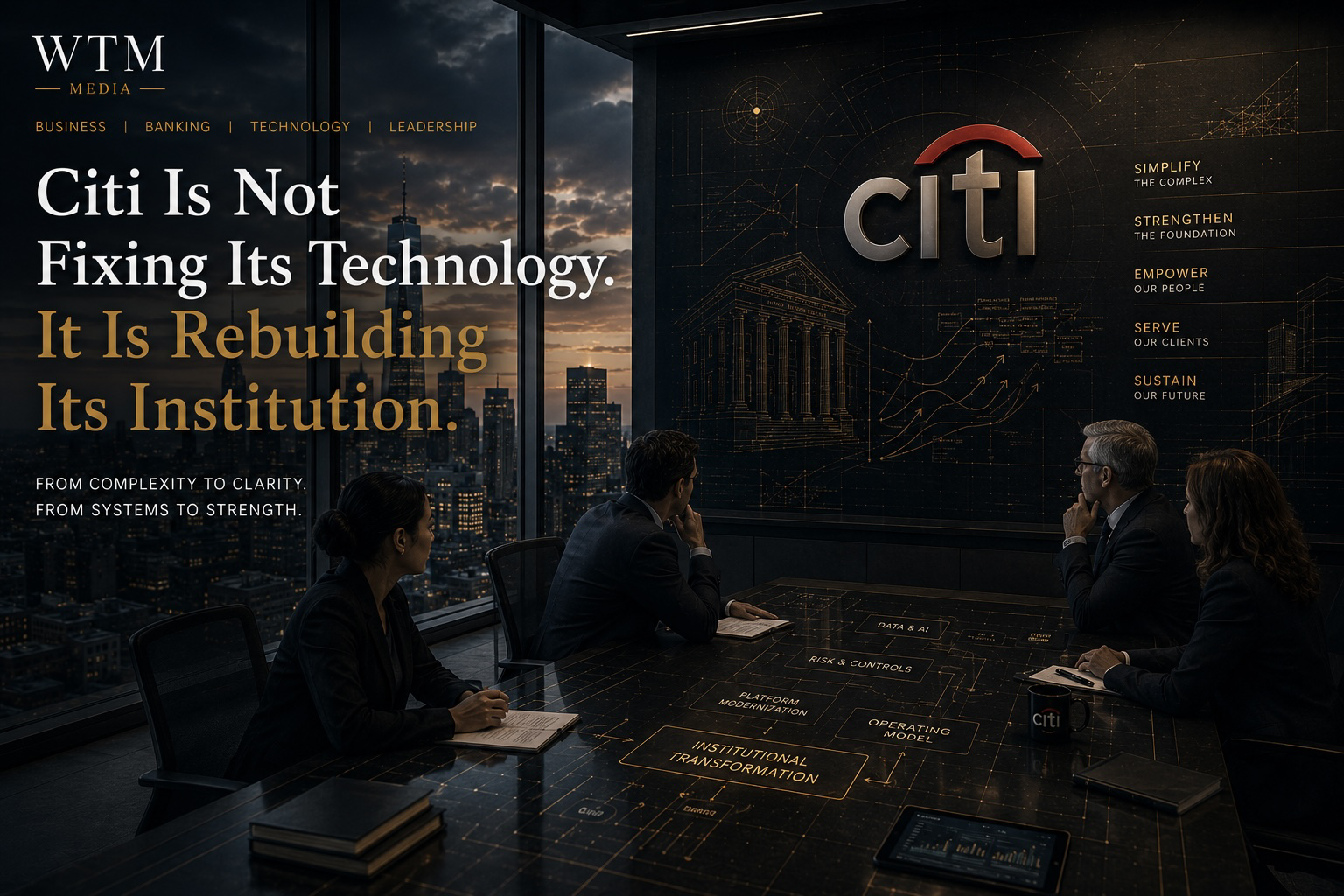
Most headlines describe Citigroup’s technology transformation as another expensive digital modernisation programme. That framing misses the larger story; the real transformation is institutional. Technology has become the visible expression of something much deeper: organisational redesign. Under CEO Jane Fraser, Citi is attempting one of the most complex reinventions in modern banking—not merely replacing ageing software, but rebuilding governance, simplifying decision-making, redesigning accountability, reducing organisational complexity, and restoring confidence after years of regulatory scrutiny.Tim Ryan’s arrival from PwC represents more than a technology appointment. It reflects a growing recognition that technology leaders increasingly function as institutional architects. Their responsibility is no longer confined to servers, software, or cybersecurity. They now redesign how information moves, how decisions are made, how risks are managed, and ultimately, how organisations earn trust. The future of banking will not be determined by whichever institution deploys the most artificial intelligence. It will belong to those capable of redesigning themselves whilst continuing to operate at global scale.