WTM Visual Intelligence · Conceptual imagery
Discover design as a way of making decisions: how objects, environments and systems shape everyday life.

Volatility in crypto markets is routinely misinterpreted as instability, yet this reading reflects a misunderstanding of the system’s underlying design rather than a flaw in its performance. Digital assets such as Bitcoin operate within a decentralised architecture intentionally built without central control, liquidity guarantees, or stabilising authorities, resulting in price behaviour that is not erratic but structurally consistent with its design logic. Fragmented liquidity, leverage-driven speculation, and rapid sentiment shifts are not external distortions imposed on the system; they are emergent properties of a network that prioritises openness, autonomy, and permissionless participation over equilibrium. This editorial reframes crypto volatility not as a market anomaly, but as a designed outcome—one that reveals how architecture dictates behaviour. By examining how macroeconomic forces amplify these dynamics and how market participants misread them, the piece exposes a deeper truth: the system is not unstable—it is operating exactly as it was designed to function, and misunderstanding that design leads to flawed strategies, misplaced expectations, and costly misjudgements.

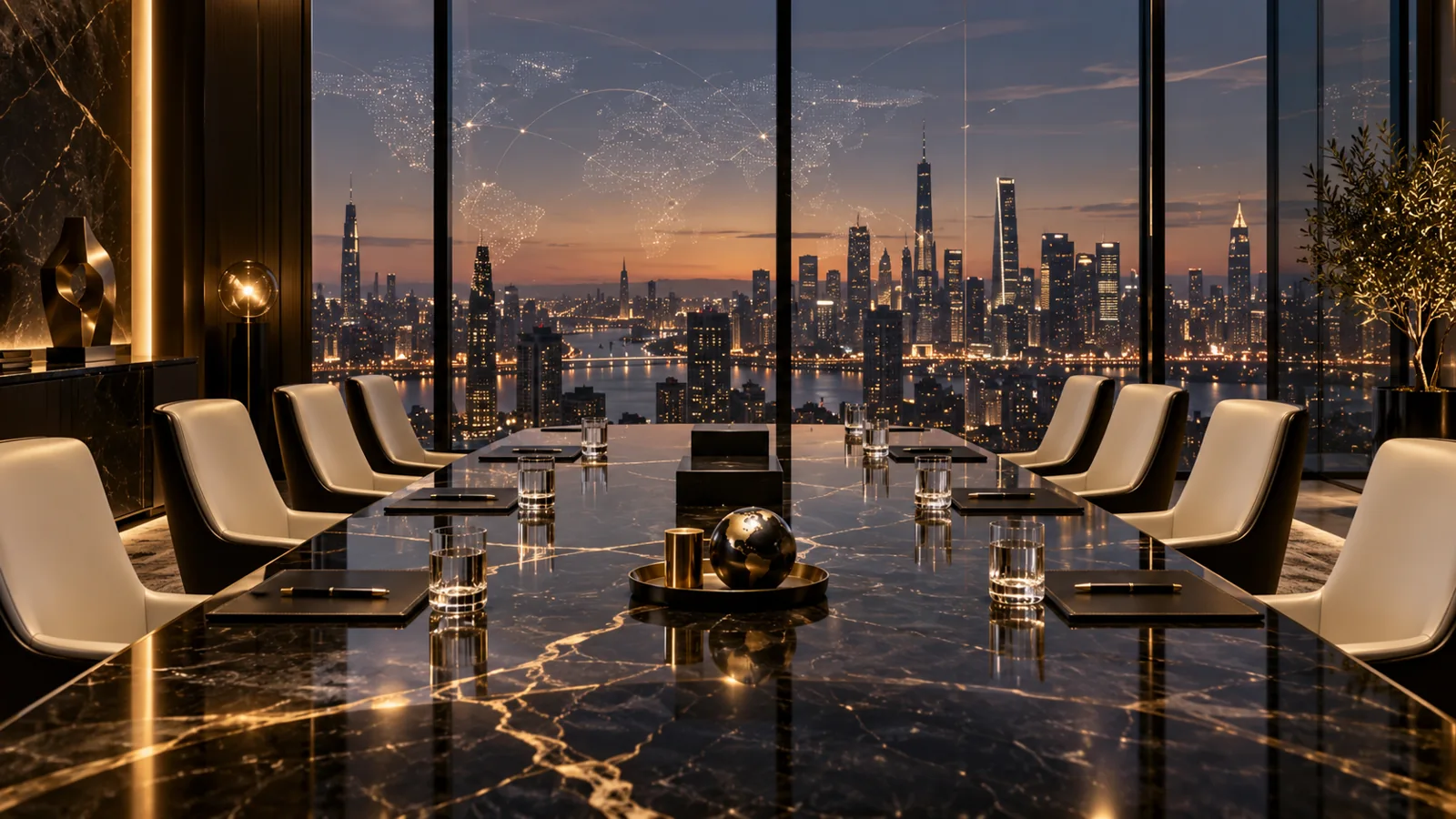
War is often framed as destruction, yet from a design perspective, it functions more precisely as a reconfiguration of systems. In energy markets, conflict does not eliminate value; it redirects flows, reshapes incentives, and exposes the underlying architecture governing power and profit. Russia’s sustained oil revenues despite sanctions reveal that instability is not a failure of the system but an expression of how it is designed to adapt under pressure. Commodity pricing adjusts, supply routes reorganise, and enforcement gaps evolve into new pathways for capital. What emerges is not chaos, but a redesigned system—one that continues to reward actors positioned to navigate disruption. This editorial reframes war as a form of systemic design under stress, where constraints reveal structure, and where the distribution of value reflects the logic embedded within the system itself.

Silence has become the rarest sound in civilisation. In cities designed for velocity and screens designed for noise, stillness is treated as failure. Yet silence, when consciously designed, becomes the highest form of intelligence — the architecture of alignment between thought, body, and being. “Silence is not the absence of sound — it is the presence of understanding.”— Kelly Dowd, The Power of HANDS (2025)

The 21st-century economy stands at an inflection point: profit without purpose has reached its natural limit. The future of capitalism depends not on extraction, but on empathy — the design of systems that create coherence between People, Planet, Pragmatism, and Profit. “Empathy isn’t soft — it’s systemic infrastructure.” — Kelly Dowd, The Power of HANDS (2025)

The crisis in education is not a failure of funding—it is a design failure of philosophy. Around the world, intelligence has become political, teachers have become targets, and truth itself has become negotiable. The war on education is the quietest, most consequential conflict of our time.

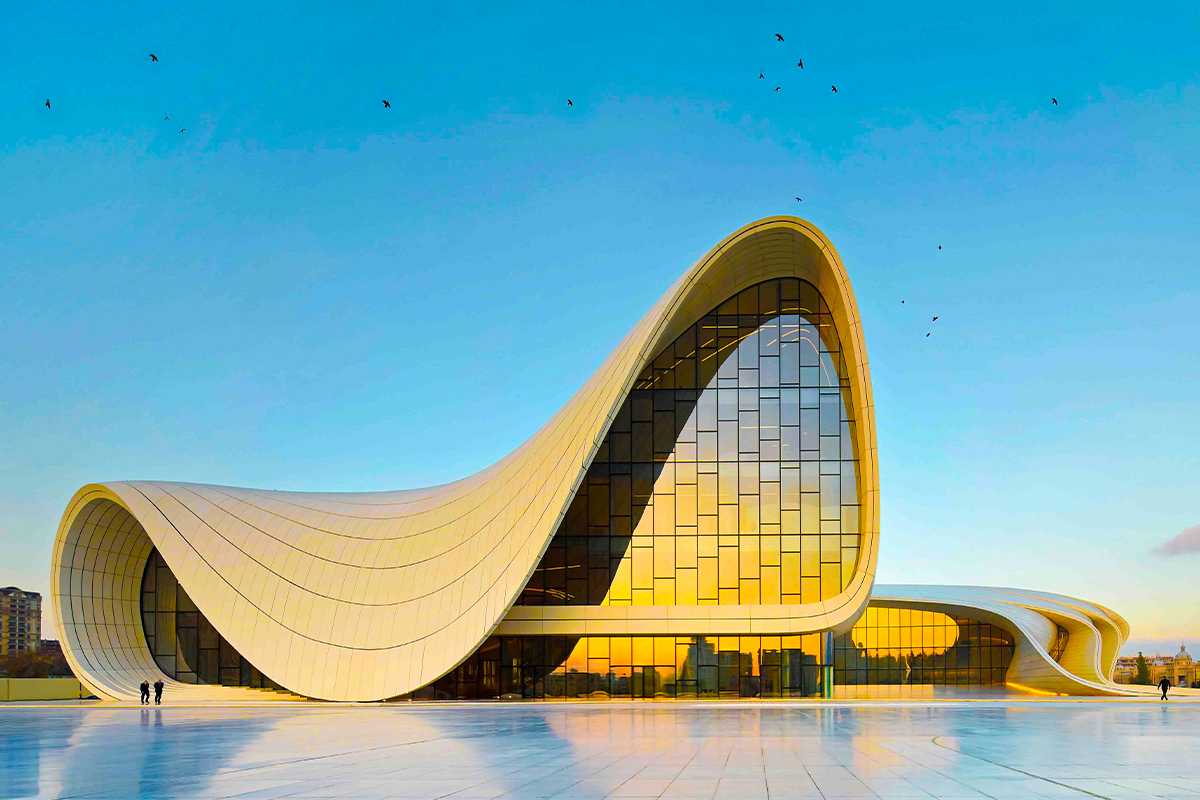
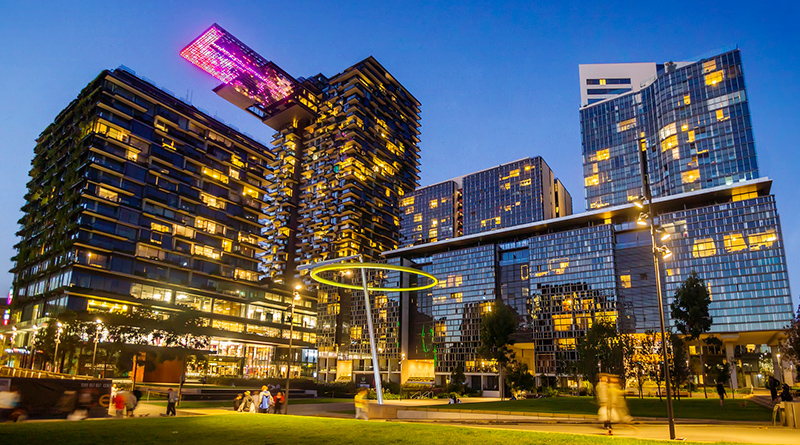
The integration of AI into architecture is redefining cities as living organisms — self-adaptive, climate-conscious, and emotionally intelligent. The future of design is not construction; it is cognition.